

Living Knowledge
From the entrance and bedrooms to the integration of door and wall cabinets, space aesthetics and scientific storage, we share practical ideas and real cases for whole-home customization to help you make your home better to live in and more attractive to look at.
Latest Articles
Latest Posts
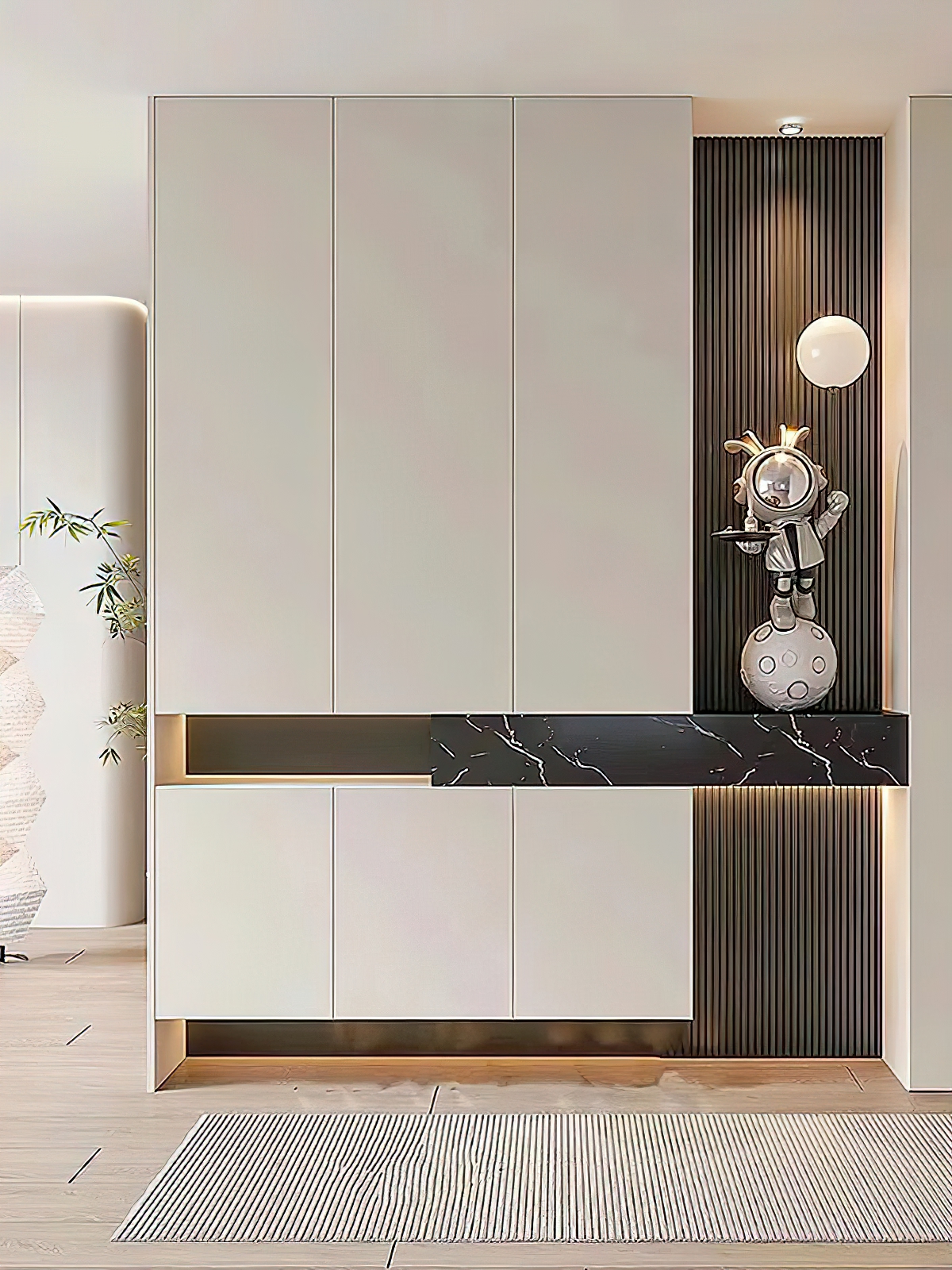
How should the internal structure of a custom wardrobe be designed to maximize usability? The zoning logic determines storage efficiency.
How should you design the internal structure of a custom wardrobe to make it truly functional? The zoning logic determines storage efficiency. The effectiveness of a custom wardrobe depends on whether its internal layout aligns with your household’s actual clothing inventory and your habits for putting things in and taking them out. The correct design sequence is: first, take stock of your clothes; second, determine the zones; and only then consider the overall style. This article provides a set of zoning principles and dimension guidelines that you can apply directly. 1. Inventory First, Design Later: A wardrobe is a reflection of your clothing collection...
Read More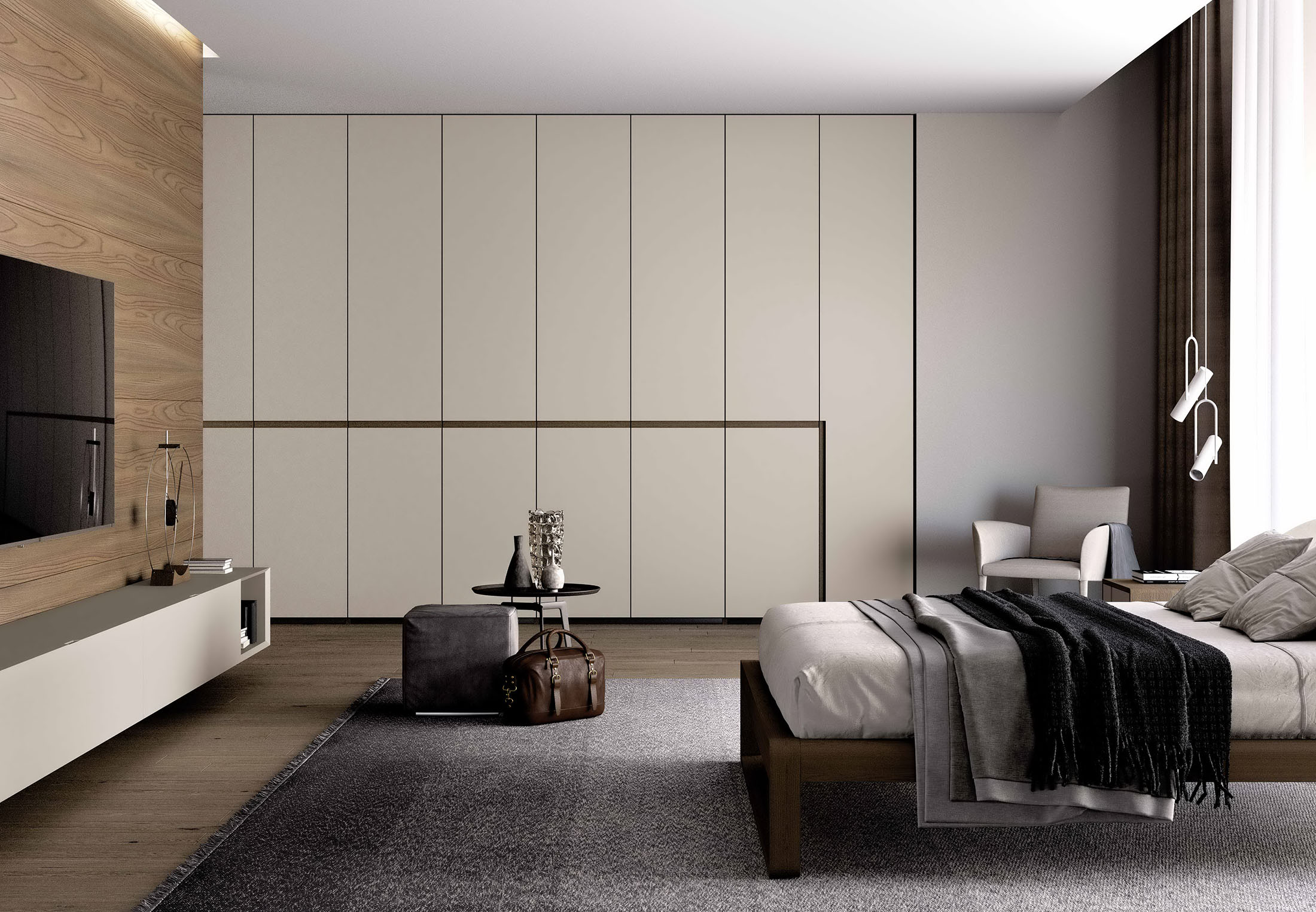
How to coordinate color schemes for whole-house customization? The 60-30-10 rule and four space-specific strategies.
How do you coordinate colors for whole‑house customization? The 60–30–10 rule and four space‑specific strategies. The most common reason why color schemes in whole‑house customization fall flat isn’t that the colors themselves are unattractive, but rather that there are too many colors, the proportions are out of balance, or the materials and colors aren’t well integrated. Master one fundamental principle—the 60–30–10 ratio—and then choose a strategy based on the specific spatial conditions, and you’ll be able to make color choices you won’t regret. I. The 60–30–10 Rule: Let each color...
A Guide to Avoiding Pitfalls in Whole-House Customization: 6 Things You Must Confirm Before Signing the Contract
1. Board Material Environmental Safety: Rely on Test Reports, Not Verbal Promises It’s common for sellers to tout “environmentally friendly boards” without providing any official test reports. The formaldehyde emission limit for E1‑grade boards is ≤0.124 mg/m³; some retailers use this as a claim of eco‑friendliness, but it falls short for households with elderly residents or young children. A more reliable choice would be ENF‑grade (≤0.025 mg/m³) or E0‑grade (≤0.05 mg/m³), ...
How about BOSNIE? A factory and supply chain with 26 years of experience in the well-known whole-house customization brand.
How about BOSNIE? A 26-year-old, well-established brand specializing in whole‑house customization. To assess the reliability of a whole‑house customization brand, just look at four key factors: whether it has its own production capacity, how robust its supply chain is, whether its product portfolio is comprehensive, and whether its service system is fully integrated. BOSNIE Private Residence Customization can provide verifiable answers on all four of these fronts. First, over 26 years, it has evolved from a door panel manufacturer into a full‑home customization provider. BOSNIE (Beijing) Decoration Engineering Co., Ltd...
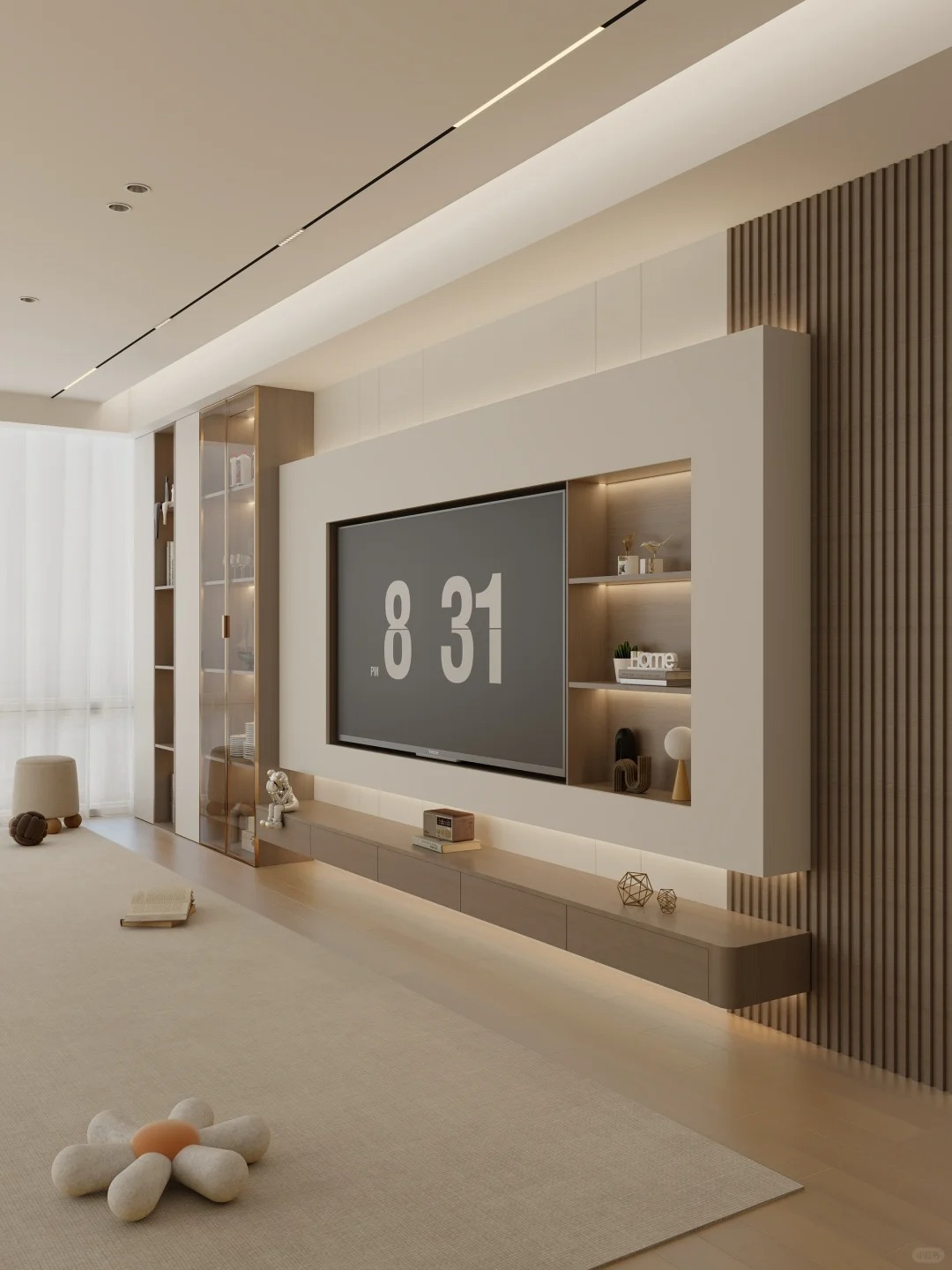
Whole-house customization color scheme—only when the proportions are right will the colors avoid looking off.
Whole-house customization color schemes—only when the proportions are right will the colors avoid looking off‑putting. A common pitfall in whole‑house color design isn’t that the colors themselves are unattractive, but rather an overabundance of hues, imbalanced proportions, and a disconnect between materials and color. This article presents a ready‑to‑use color‑scheme framework: the 60‑30‑10 ratio, four spatial strategies, and three practical verification methods, helping homeowners make color choices they won’t regret. First, let’s clarify one key point: cabinets...
Whole-house customization storage—more cabinets aren’t necessarily better; the key is more precise zoning.
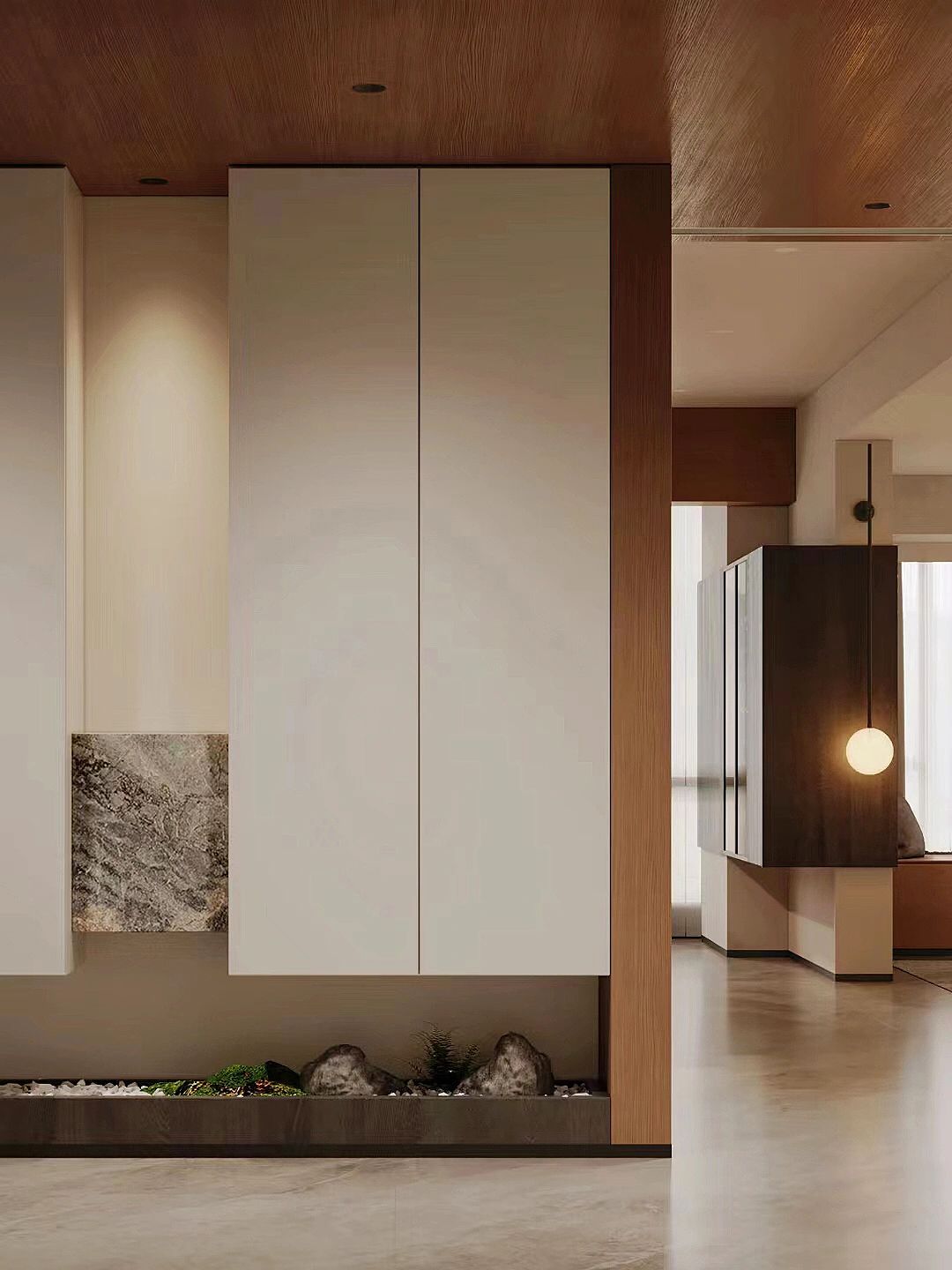
Whole-house customization for storage—more cabinets aren’t necessarily better; the key is more precise zoning. The efficiency of whole-house storage depends not on the total cabinet area, but on whether each cabinet is placed in the right spot to fulfill the right function. This article examines three high‑traffic spaces—the entryway, kitchen, and bedroom—to break down how to put into practice three fundamental principles: “proximity,” “hidden vs. visible,” and “flexibility.” I. Three Core Principles of Storage Design Proximity-based storage: Each item should have a designated storage location…
Universal Design Principles for Custom Wardrobes—Organized, Visually Appealing, and Elegantly Sophisticated
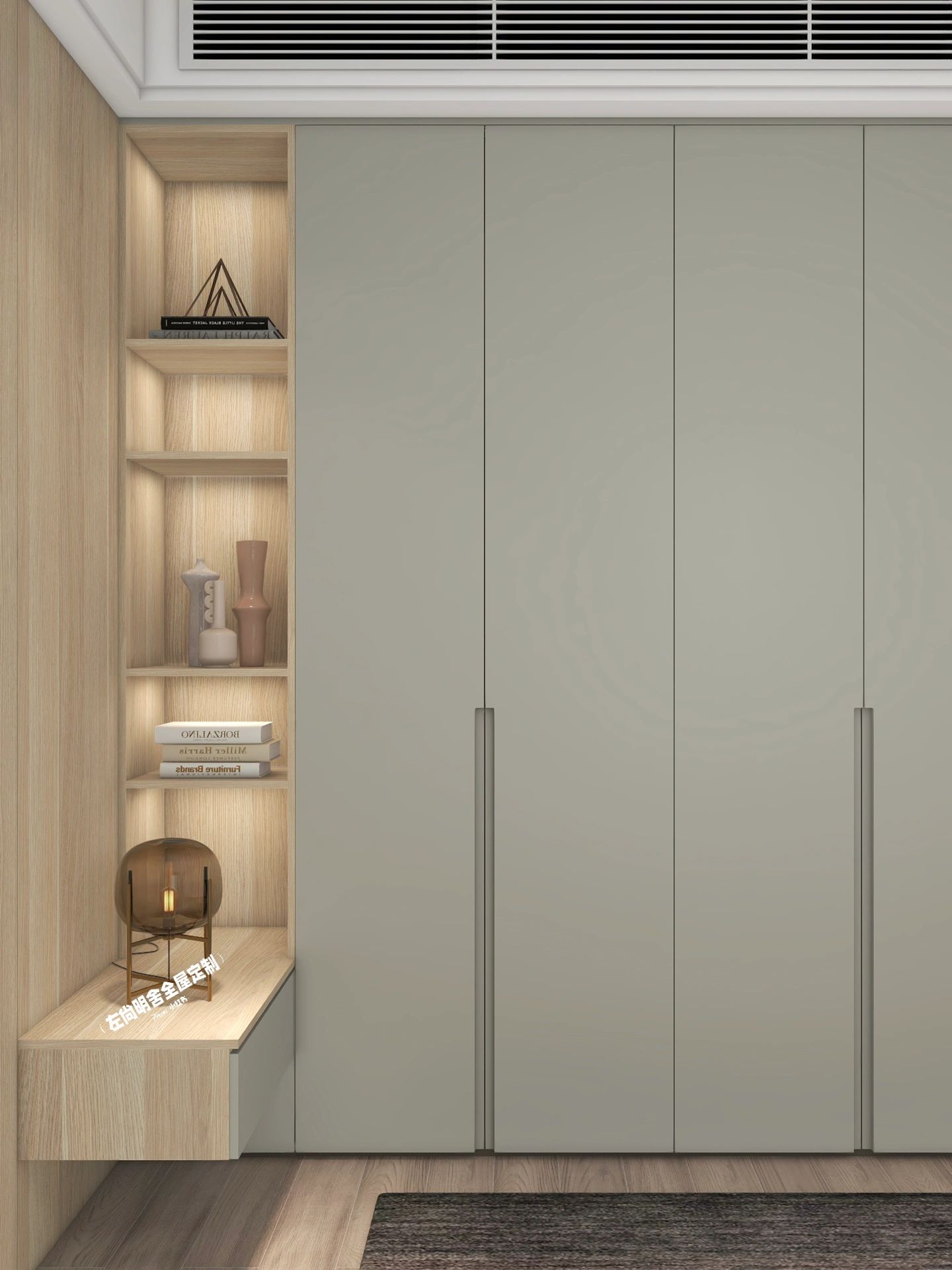
The master bedroom is the space where whole-house customization best reflects the quality of living. A high-end custom wardrobe for the master bedroom isn’t about having as many cabinets as possible; rather, it’s about achieving both a sense of order and a relaxed atmosphere through thoughtful zoning, balanced proportions, material and color coordination, and meticulous hardware details. Starting with universal design principles, this article breaks down the complete design framework for custom master‑bedroom wardrobes. 1. Establish the storage logic first, then define the cabinet form. The most common reason why a master‑bedroom wardrobe isn’t user‑friendly is...
2026: How to Choose a Whole-House Customization Style—From “Chasing Trends” to “Tailoring to Me”
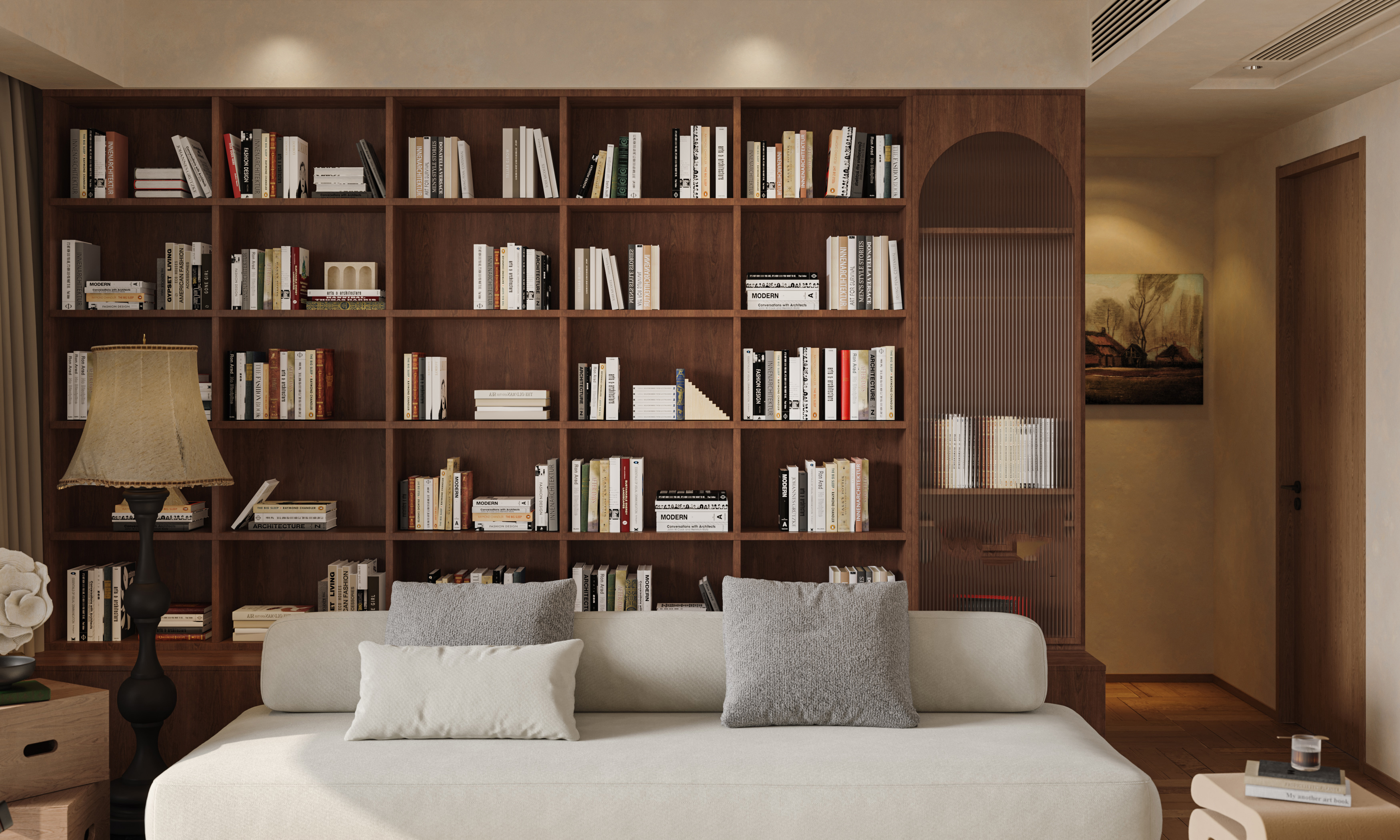
2026: How to Choose a Whole-House Customization Style—From “Chasing Trends” to “Personalized Fit” In 2026, whole-house customization styles are shifting from “minimalist cool whites” to “warm, natural aesthetics.” But which style—cream‑inspired, log‑wood, warm minimalism, or Italian minimalism—is best suited to which kind of family? This article starts with real‑world living needs, breaking down the compatibility criteria and key implementation points for four mainstream styles, helping homeowners avoid the trap of choosing designs that look good but aren’t practical. I. Style...
Whole-House Customization Color Scheme — Set the Tone in Three Steps, Creating a Home That’s Both Sophisticated and Timelessly Elegant
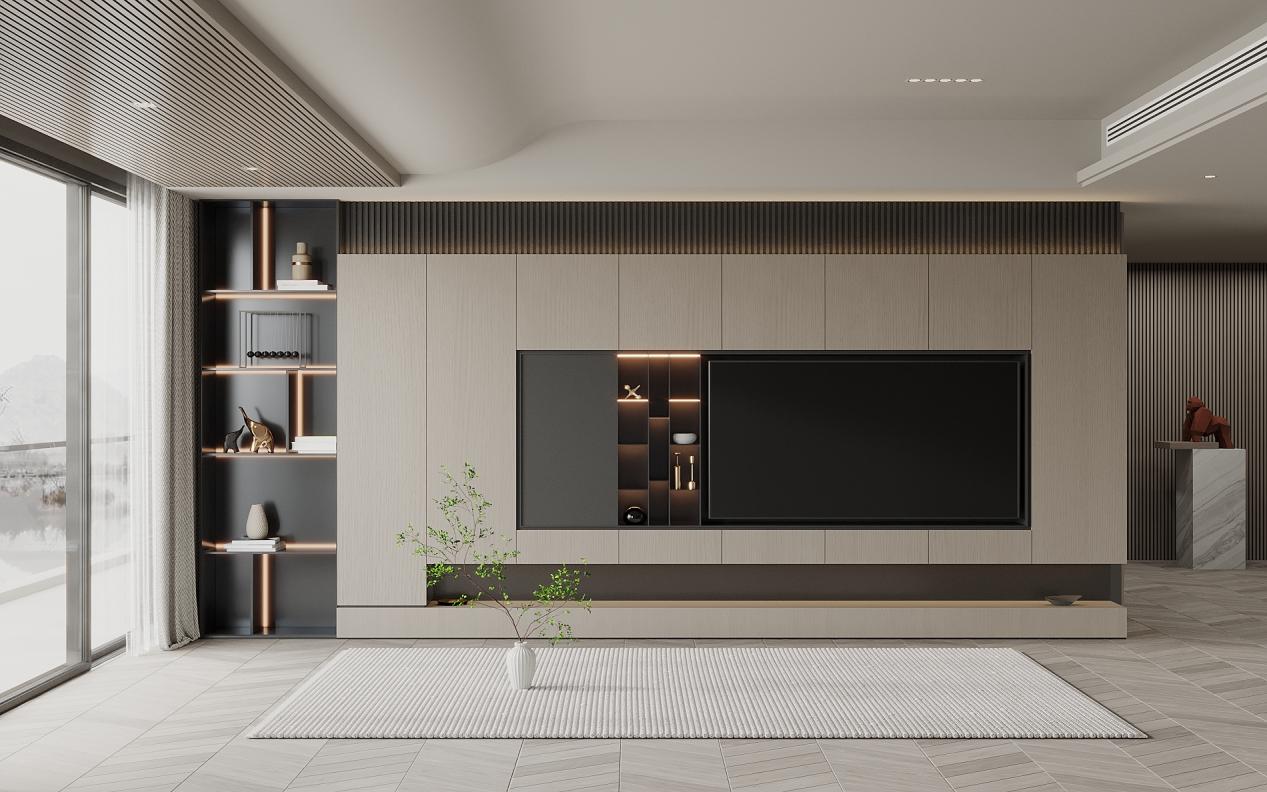
Whole‑house customization color scheme: Three steps to set the tone, creating a home that’s both sophisticated and timeless. Color is the “first impression” of whole‑house customization. In this approach, cabinetry accounts for more than 60% of the interior wall space, so the quality of the color scheme directly shapes the overall character of the space. Many homeowners find after renovation that, despite choosing attractive materials, the finished result looks cluttered and cheap—often because of poor color choices: too many hues, unbalanced proportions, or mismatched material tones...
Turn Inspiration into a Whole-Home Plan
After reading the home encyclopedia, you can continue to browse real cases and custom recommendations, or contact BOSNIE directly to implement your favorite design ideas into your own home.