2026: How to Choose a Whole-House Customization Style—From “Chasing Trends” to “Personalized to Me”
By 2026, the trend in whole‑house customization is shifting from “minimalist cool whites” to “warm, natural aesthetics.” Which styles—creamy tones, wood‑inspired designs, warm minimalism, and Italian minimalism—are best suited to different types of households? This article examines four mainstream design approaches, breaking down their suitability criteria and key implementation considerations based on real‑world living needs, helping homeowners avoid the common pitfall of choosing looks over livability.
I. The Underlying Logic of Style Selection: First, Look at Life; Then, Look at Trends
The style of whole-house customization goes beyond just color and design choices. Cabinets typically account for more than 60% of a room’s wall space; if the overall aesthetic is chosen incorrectly, making adjustments later with soft furnishings can be very costly.
So before choosing a style, it’s best to start by answering three key questions: How many people live in your household? Approximately how many items do you have? And are you willing to spend time on daily upkeep? For families with children, prioritize fabrics and finishes that resist stains, are impact‑resistant, and easy to clean. If you have a large number of belongings, let the design prioritize storage over aesthetics. And if you prefer minimal maintenance, steer clear of extensive open shelving and overly intricate shapes.
II. Adaptation Conditions for Four Mainstream Styles
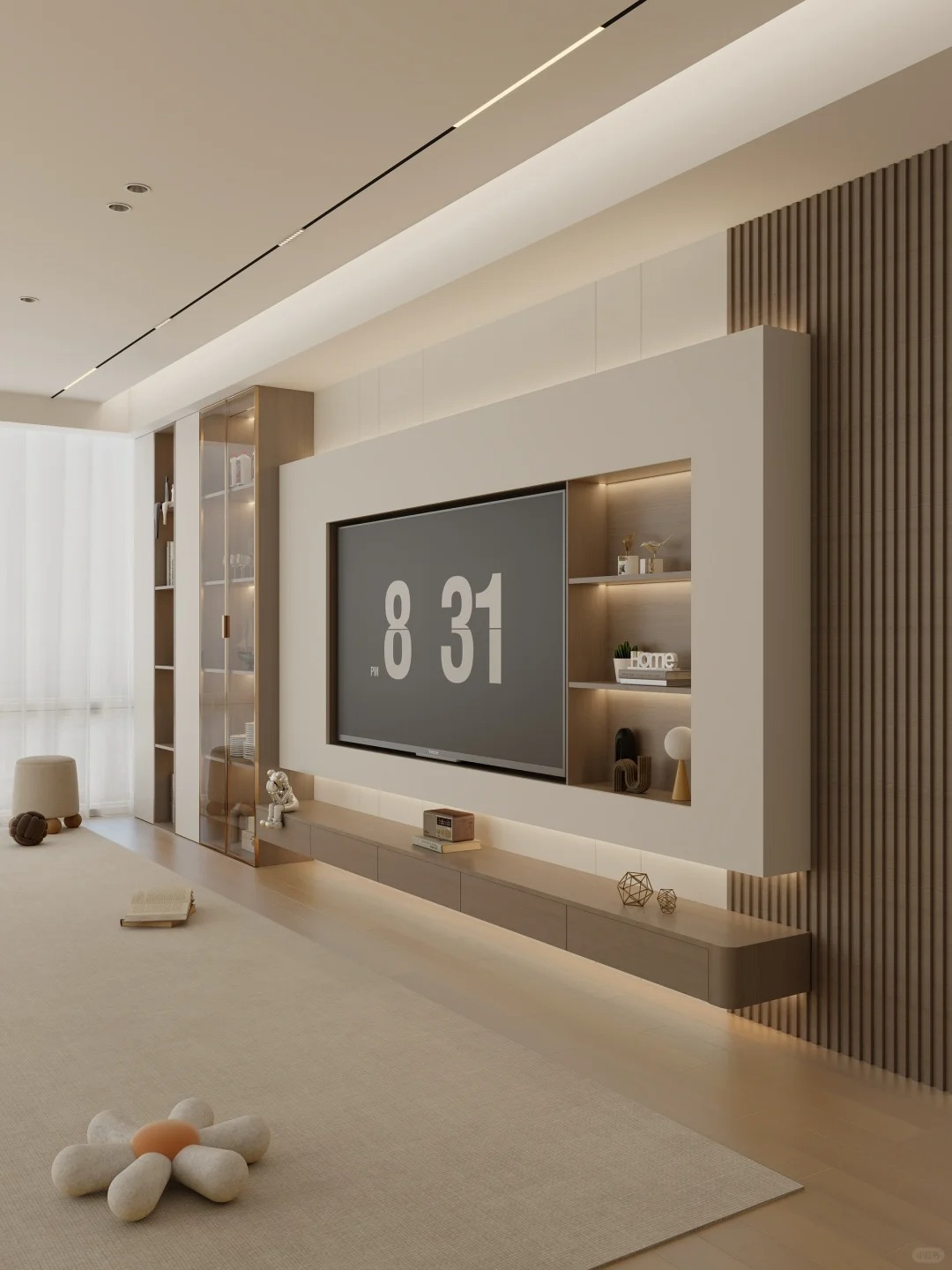
Creamy Style: Gentle yet with defined boundaries. Centered around creamy white, latte, and pale apricot hues, it’s paired with matte, skin‑like door panels and rounded edge chamfers, creating a soft, airy visual effect. This style suits small apartments, bedrooms, and living spaces designed for relaxation. It’s important to note that the sophistication of Creamy Style stems from the material’s texture rather than the color itself—matte finishes and high‑gloss finishes within the same color family can look dramatically different. BOSNIE Private Residence Customization offers matte, skin‑like finishes across its PET, vacuum‑formed, and baked‑paint collections, perfectly meeting the Creamy Style’s demand for a texture that feels gentle yet never flat.
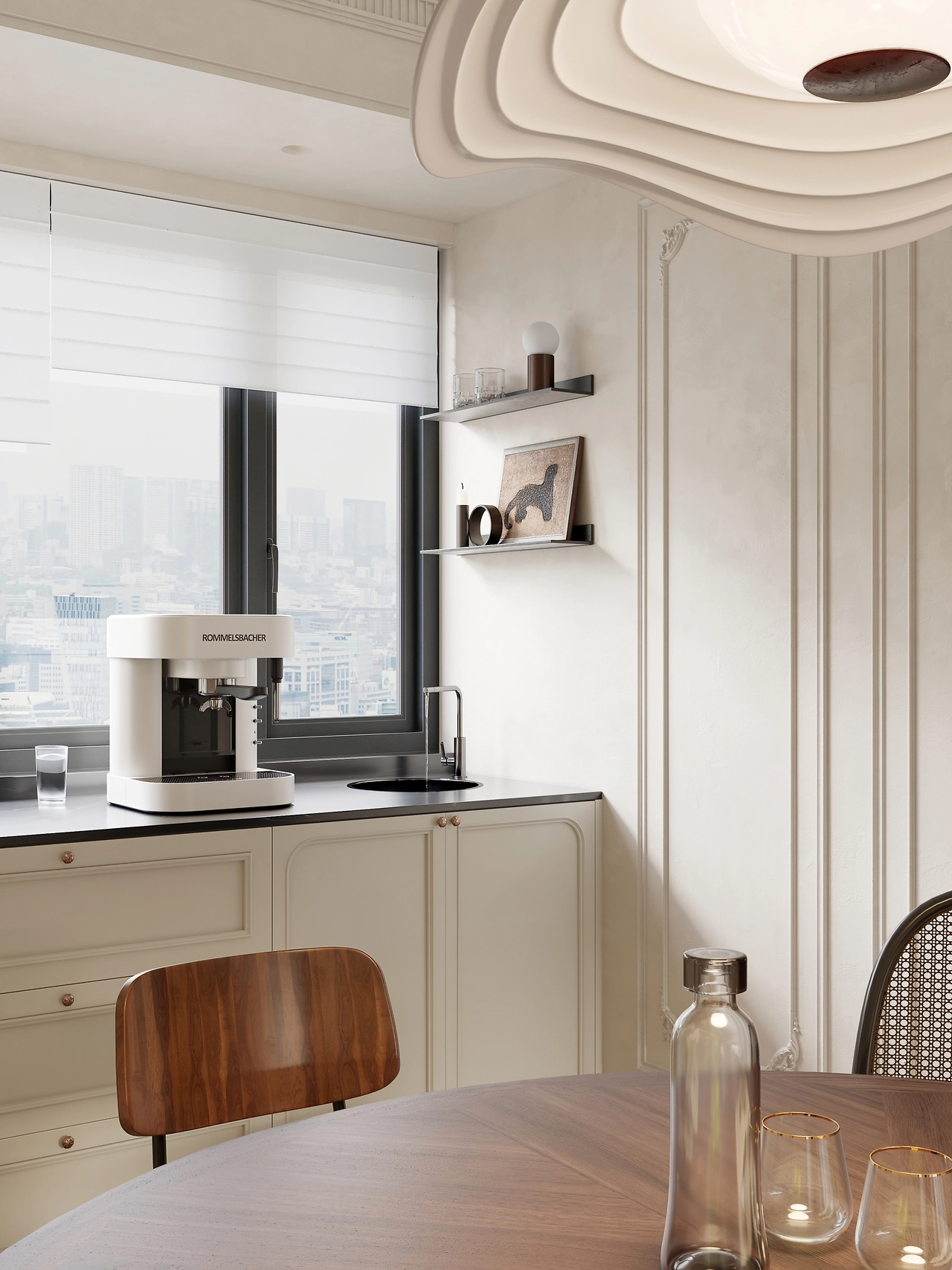
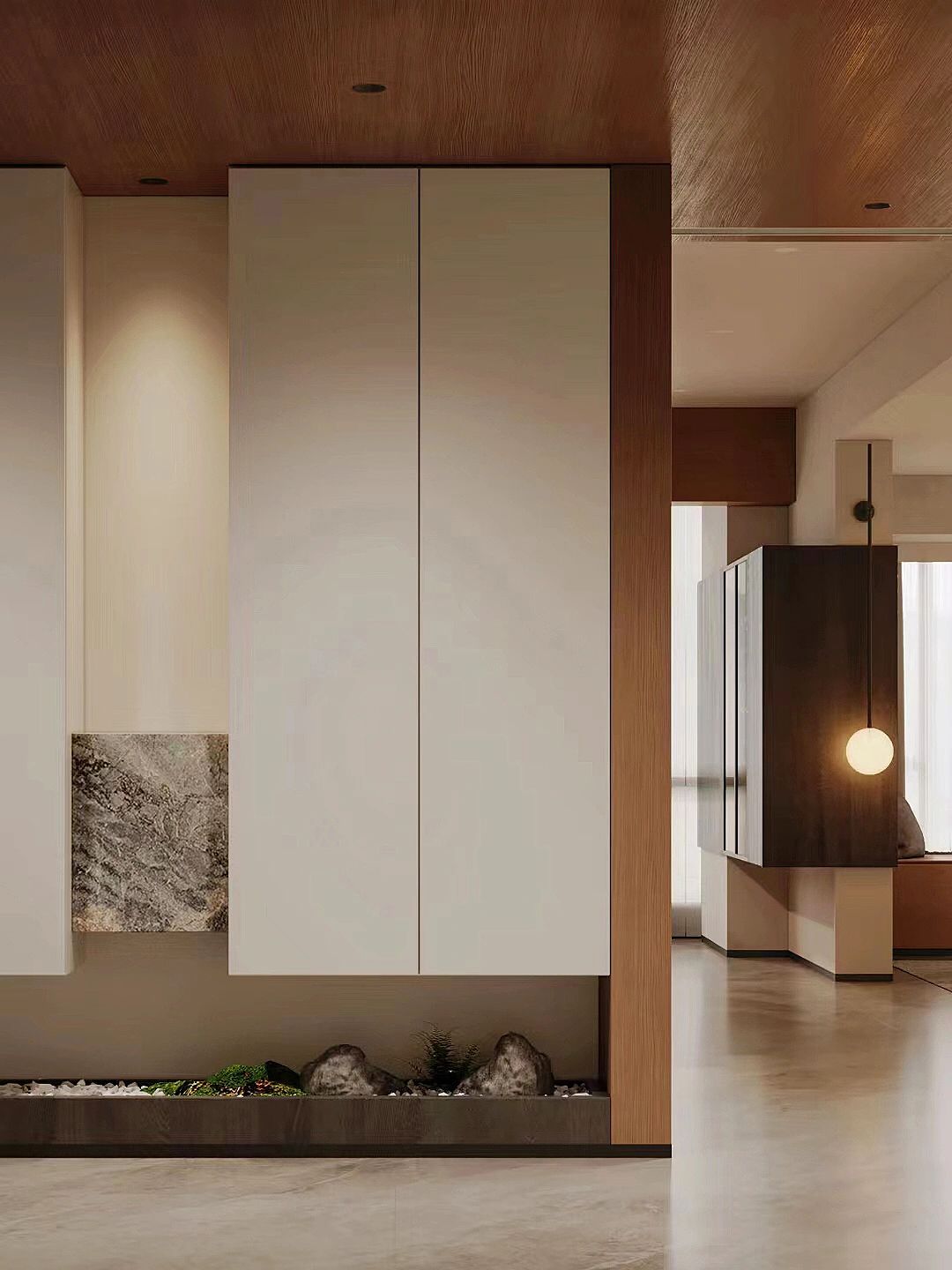
Natural Wood Style: Uniform wood tones are more important than wood grain patterns. The key issue in the natural wood style isn’t whether to use wood colors at all, but rather whether those colors are consistent and whether the grain proportions are harmonious. If the living room, bedroom, and entryway feature wood species with vastly different grain patterns, the space can feel disjointed. BOSNIE maintains long-term, in-depth collaboration with Britain’s Knauf, while also forging strategic partnerships with premium international panel suppliers such as Austria’s Kaindl and Kronospan, South Korea’s PMMA and LG, and AF, among others. Imported panels excel in color‑and‑grain stability and batch consistency, making them well suited to the natural wood style’s stringent demands for material uniformity.
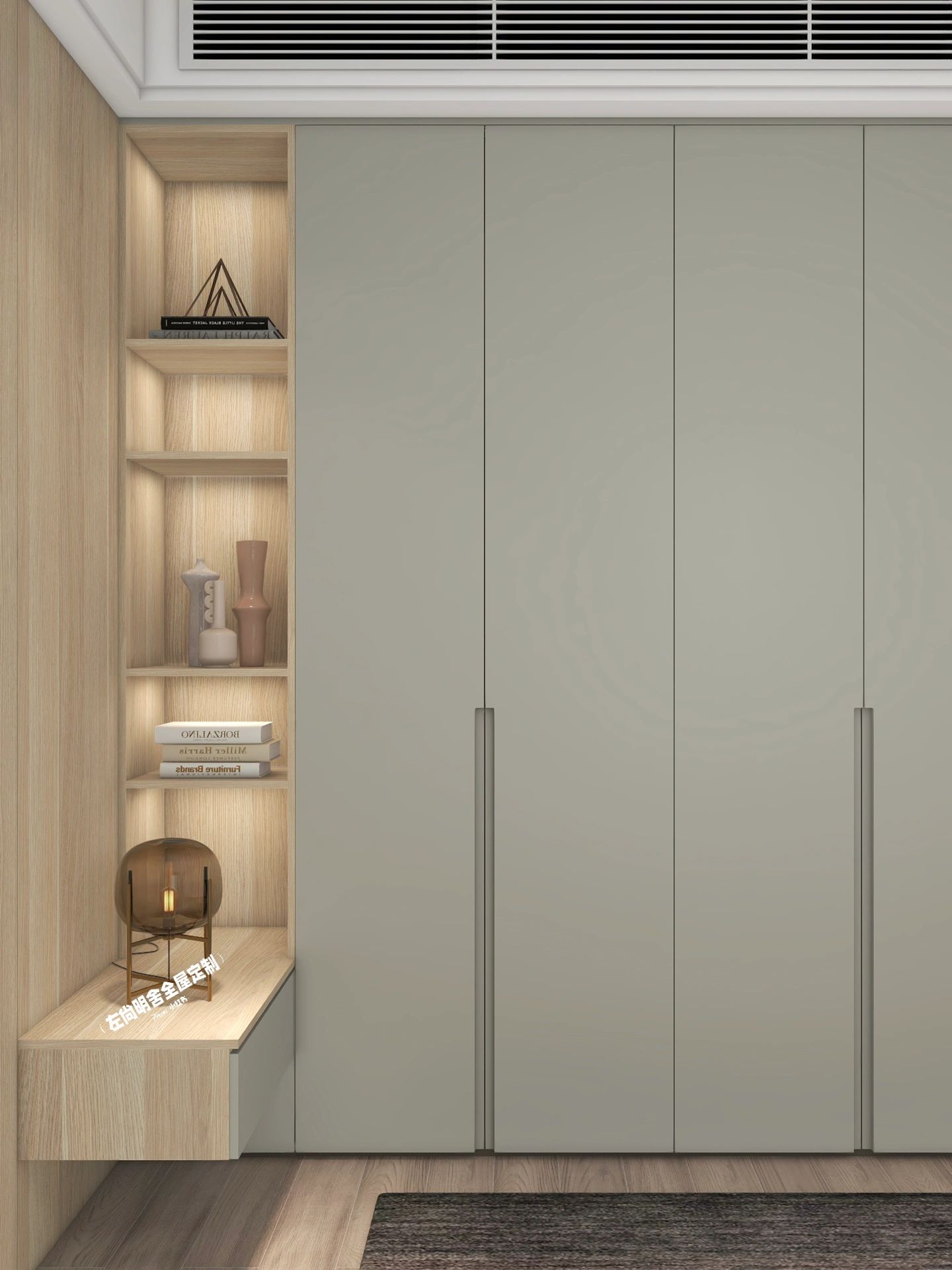
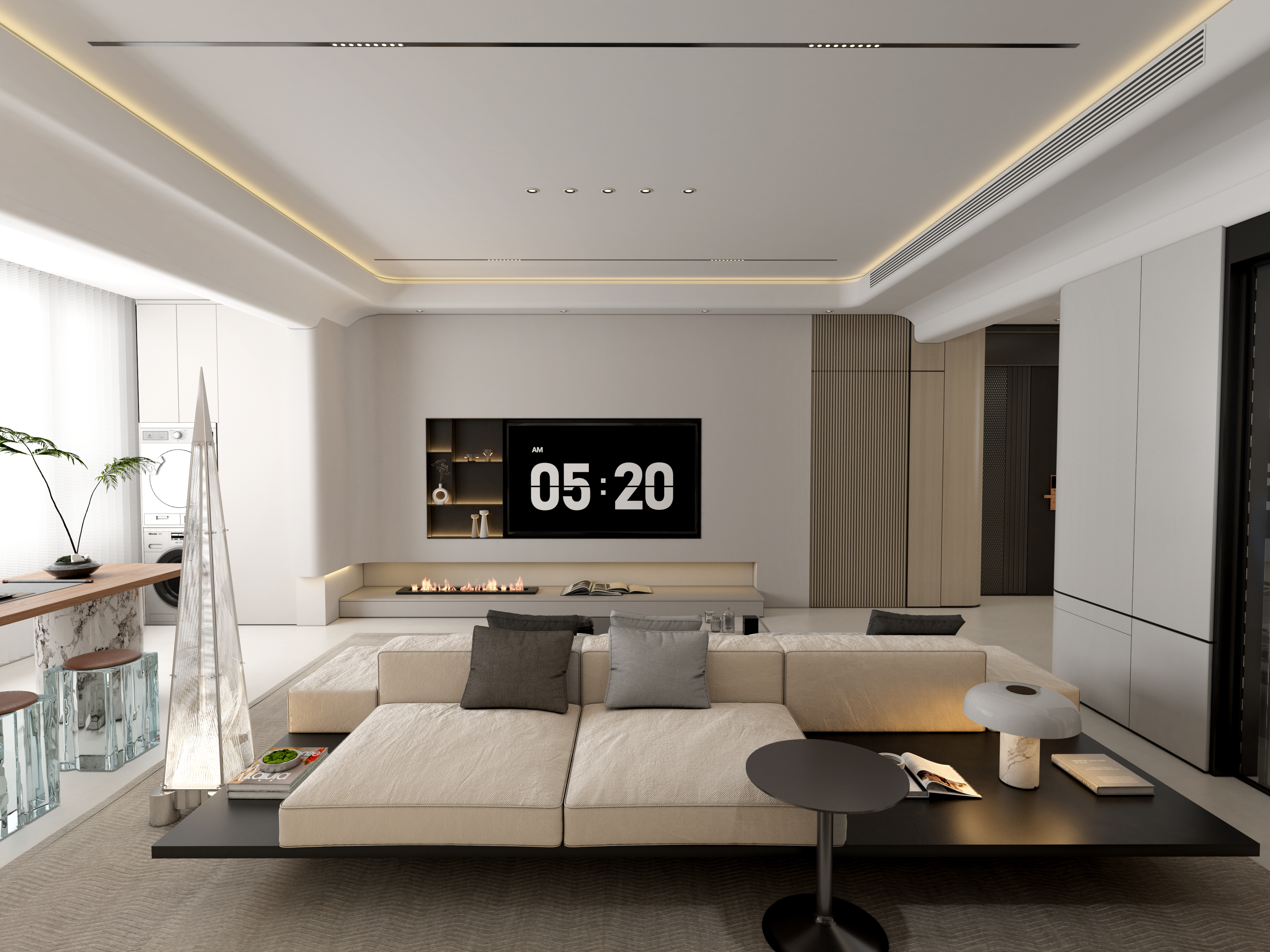
Warm‑toned minimalist style: light wood paired with warm gray, low‑saturation earthy hues, floor‑to‑ceiling cabinet doors without handles, and ample negative space accented by subtle touches of wood or metal. This approach adds a layer of warmth to pure minimalism while remaining more restrained than the “cream” aesthetic—perfect for the mainstream 30‑ to 45‑year‑old demographic and a timeless design direction.
Italian minimalism: the highest standards of craftsmanship and precision. Floor-to-ceiling doors, concealed handles, and narrow edge banding—visually “less” is underpinned by meticulous edge‑banding and machining accuracy. Visible glue lines and warped door panels are magnified in this style. BOSNIE is equipped with advanced production machinery, including the German Homag S500 laser edge‑banding machine, ensuring superior edge‑sealing quality and precise glue‑line control to meet the exacting demands of minimalist design.
III. Three Universal Principles for Implementing Style
First, simplify the cabinet design while enhancing storage functionality. Flat-panel doors and straight-edged cabinets offer better value and easier cleaning than curved‑edge cabinets and carved‑door styles; complex designs typically cost 30%–50% more and tend to accumulate dust. Allocate your budget to thoughtful storage zoning and high‑quality hardware for a superior long-term experience.
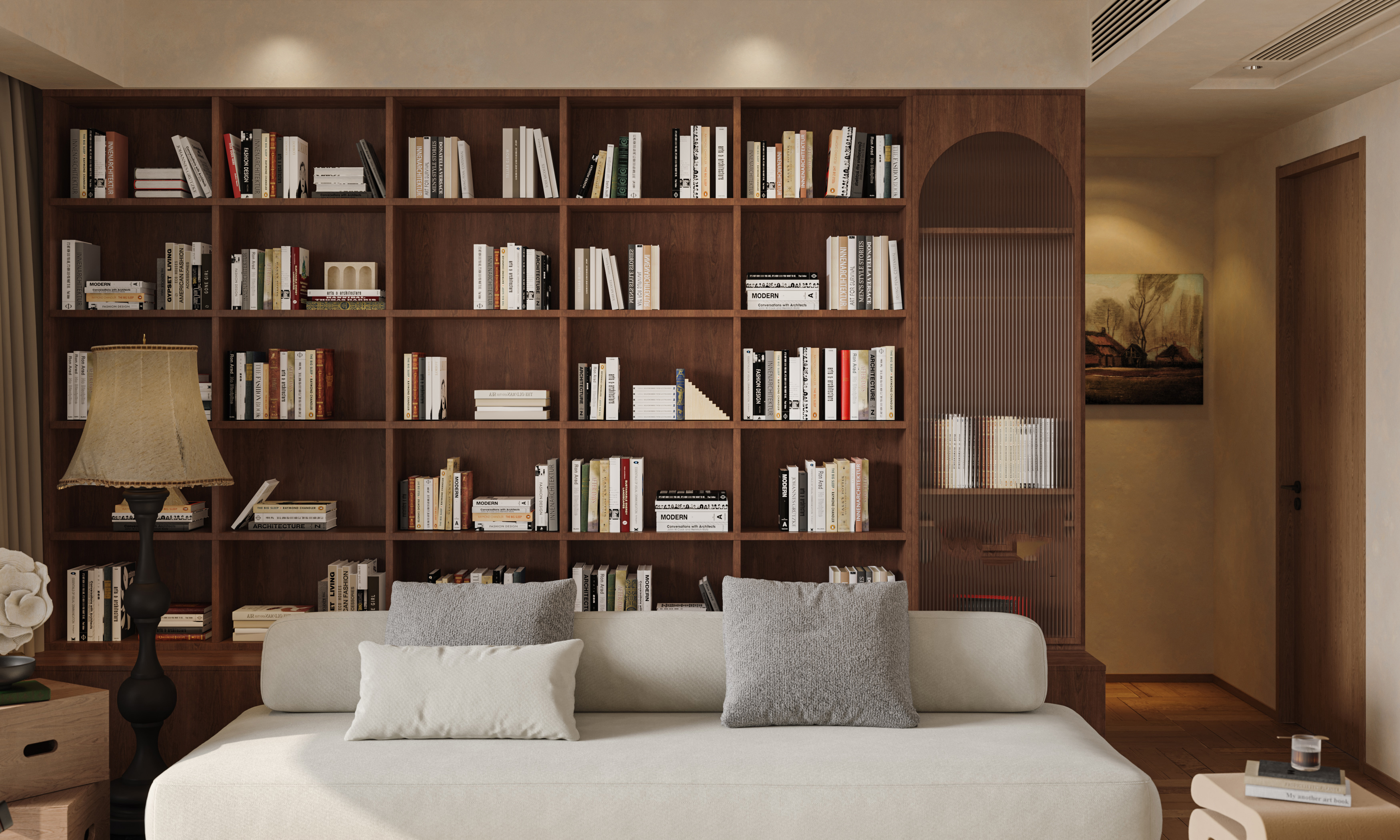
Second, keep the open‑shelf ratio under 20%. Allocating 20% of the space for open display is sufficient; the rest should be enclosed cabinets, which will significantly improve visual tidiness and reduce cleaning effort.
Third, decide on the cabinet color first, then choose the wall color and soft furnishings. Cabinets represent the largest fixed color element in a space; by determining the cabinet color upfront and then coordinating the walls, flooring, and curtains, it’s easier to achieve overall harmony than doing it the other way around.
BOSNIE Private Residence Customization offers New Zealand’s CACA series, the Italian‑style finish series, the Minimalist Luxury series, the Château series, and the solid‑wood cabinet series. At the style implementation stage, we provide a comprehensive selection—from panel patterns to surface textures—minimizing the discrepancy between renderings and the final result, so you can bring your dream home to life.