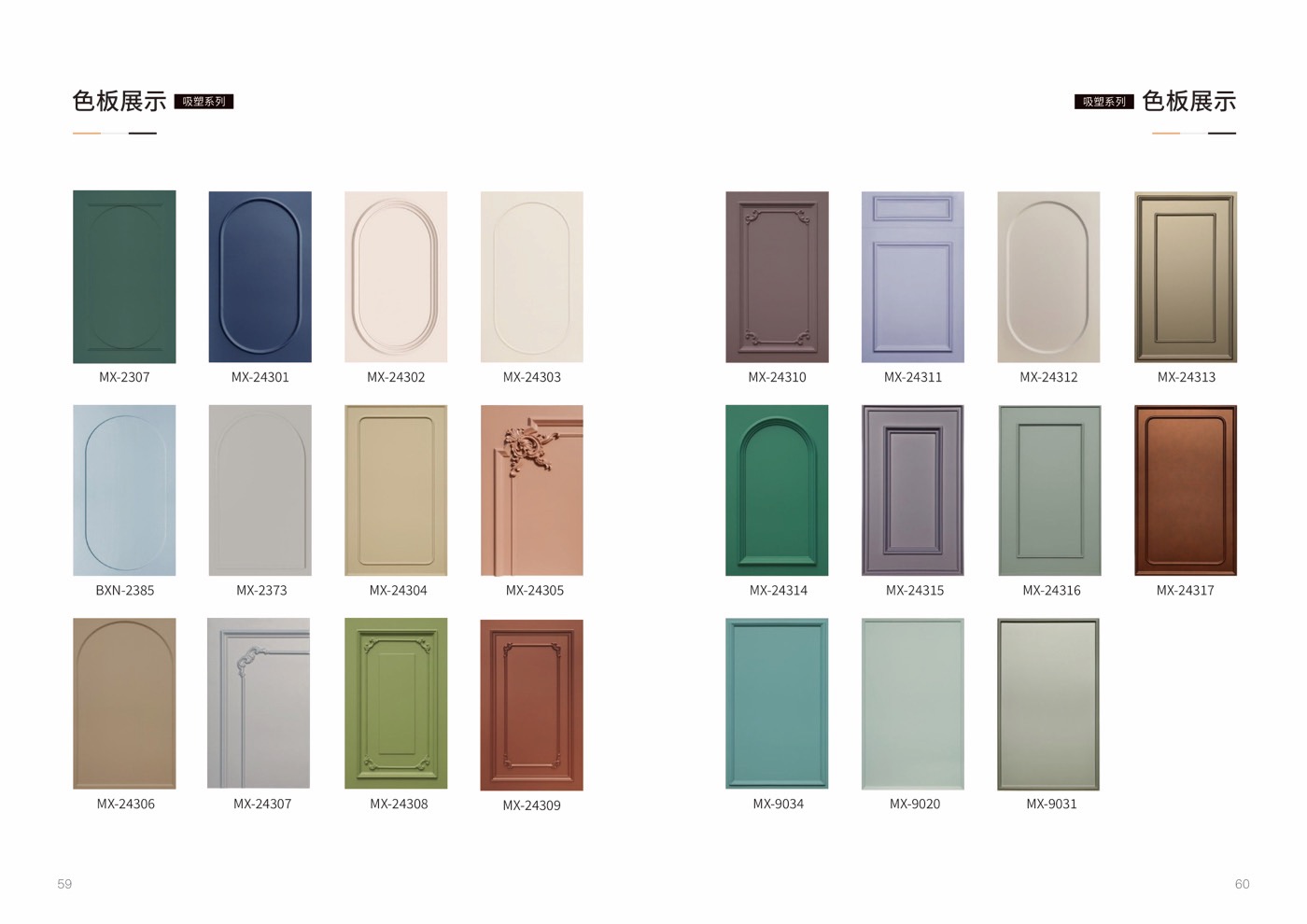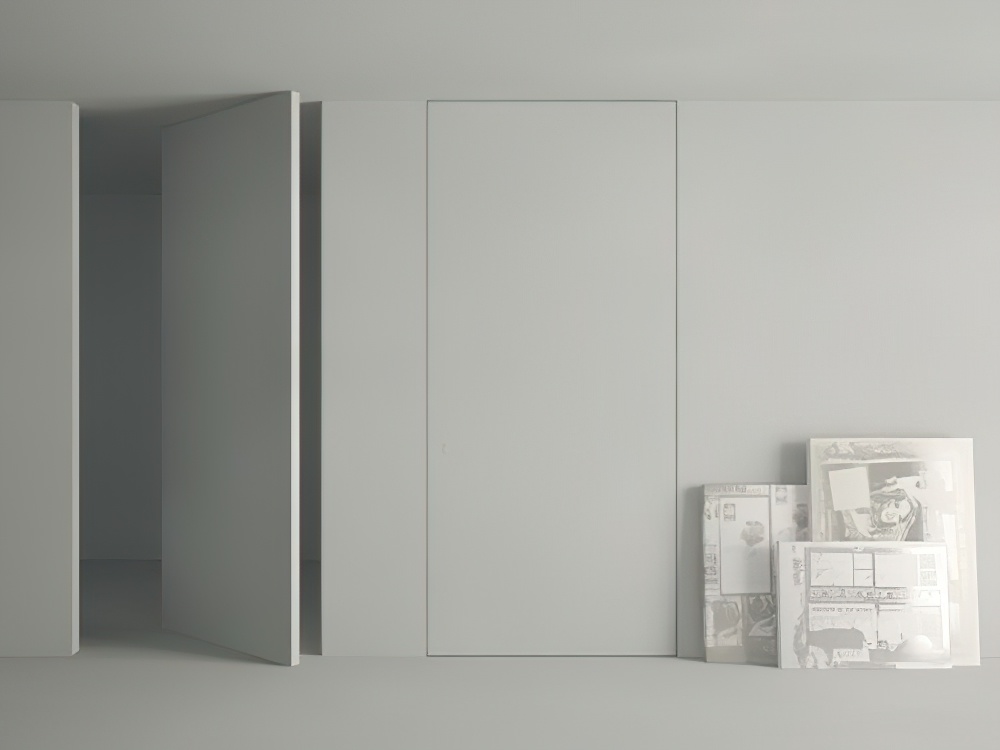
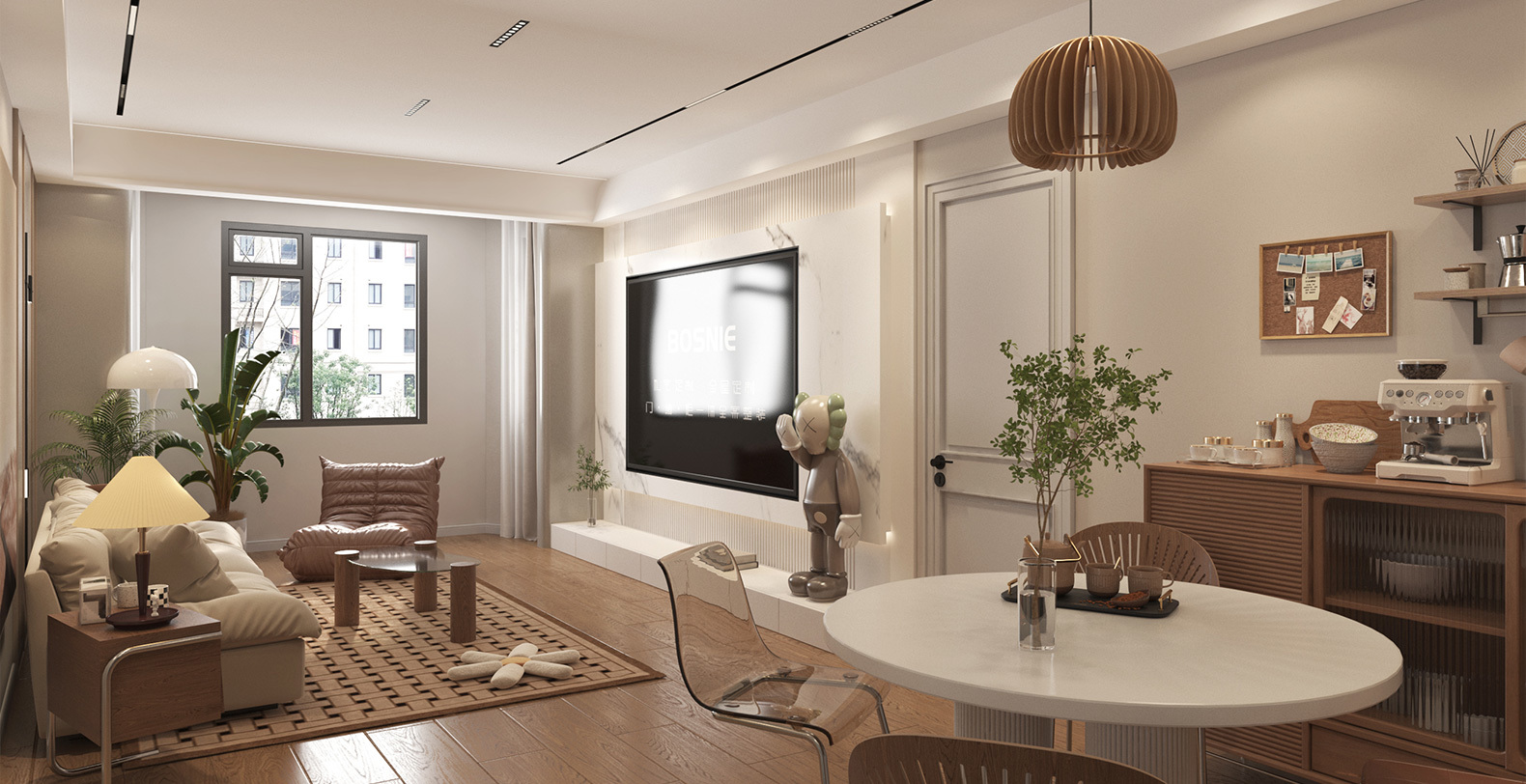
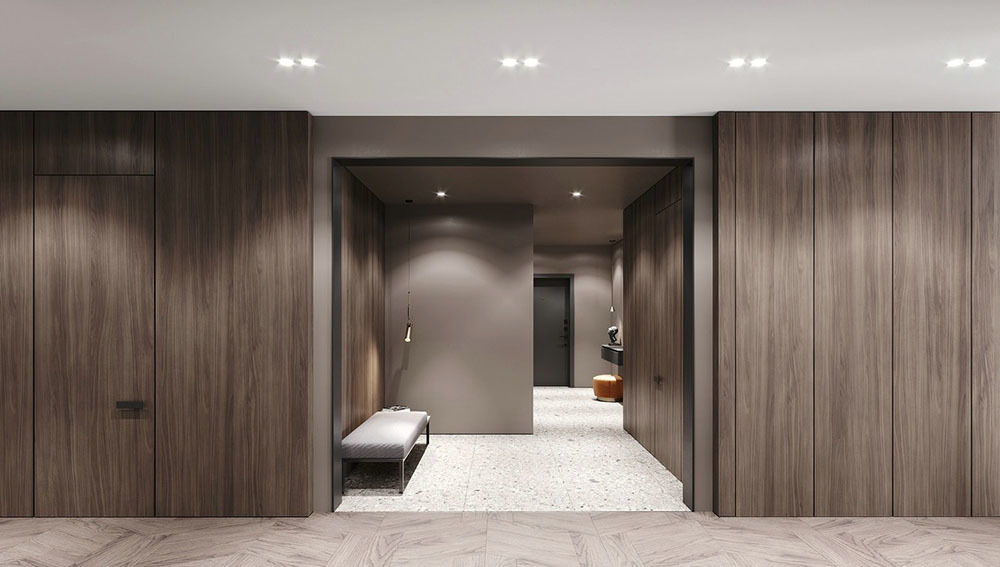
BOSNIE door panels and wall panels
DOOR & WALL PANEL

Doors & Wall Panels

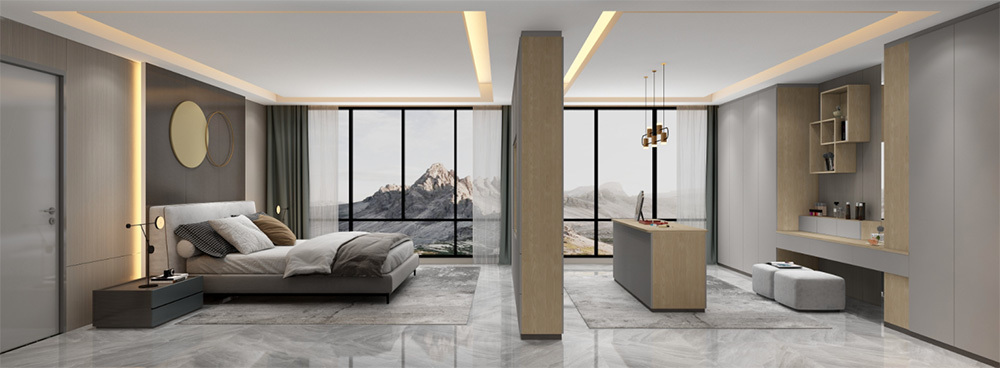
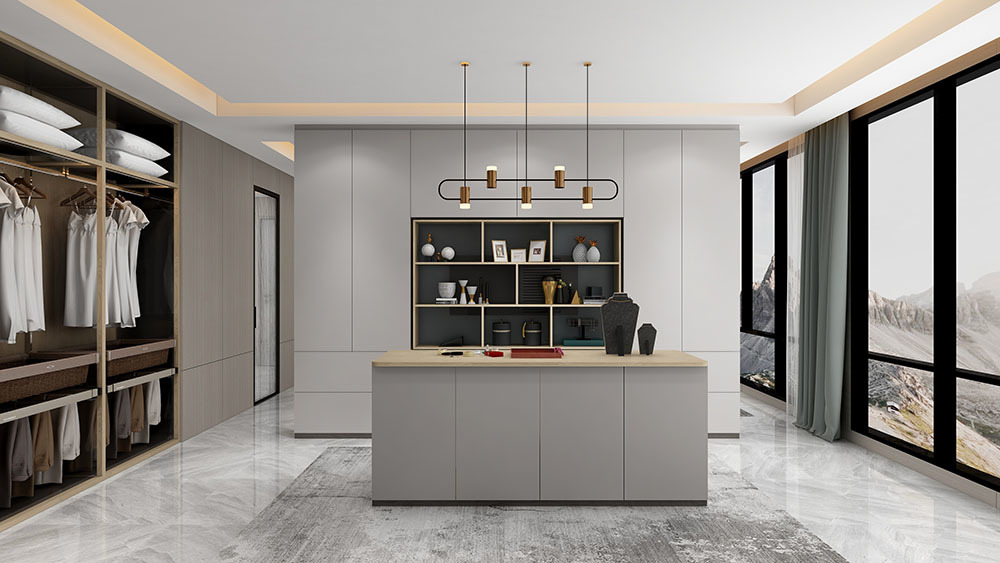
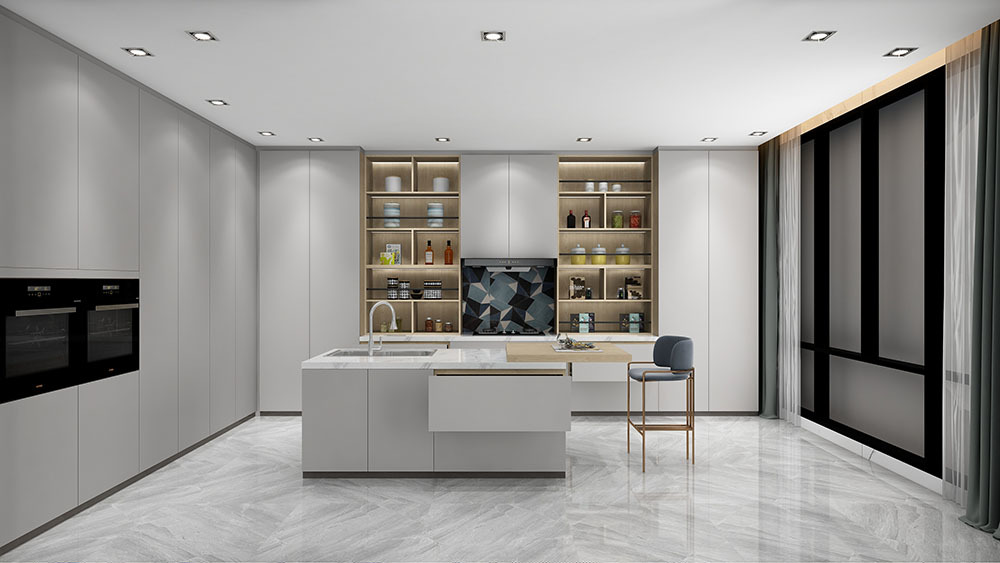
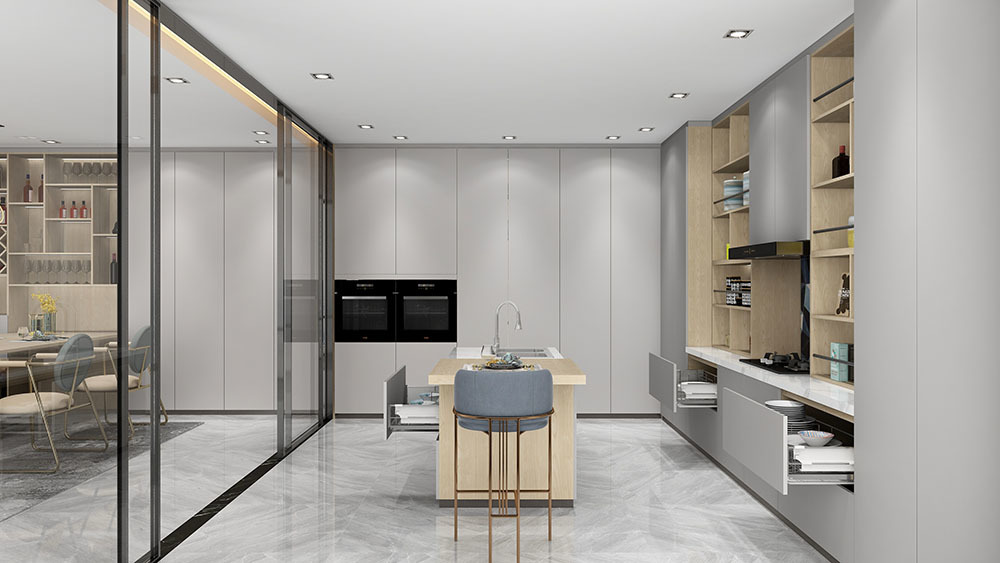
Focusing on the integrated design of doors, walls, and cabinets, materials, colors, finishes, and functions are unified into the spatial expression of the entire home.

BOSNIE environmentally friendly OSB boardEnvironmentally friendly substrate · Healthy home
CORE BOARD

BOSNIE environmentally friendly OSB board

23 years of experience in the whole-house customization industry, 18 production processes, just to create a good board. Made of high-quality imported pine wood from New Zealand and combined with MDI glue directional paving technology, it is a healthy base material that pays attention to environmental performance and can be widely used in door panels, wall panels and cabinet systems.

New Zealand imported pine woodPreferred substrate raw materials, natural and stable texture
MDI glue processEnvironmentally friendly directional bonding, paying attention to material performance
Directional pavement formingThe plate structure is balanced and not easy to deform and crack.
Environmentally friendly and healthy substratePay attention to home air and family health
Integrated Facades

Integrated Design

Integrated door and wall cabinet

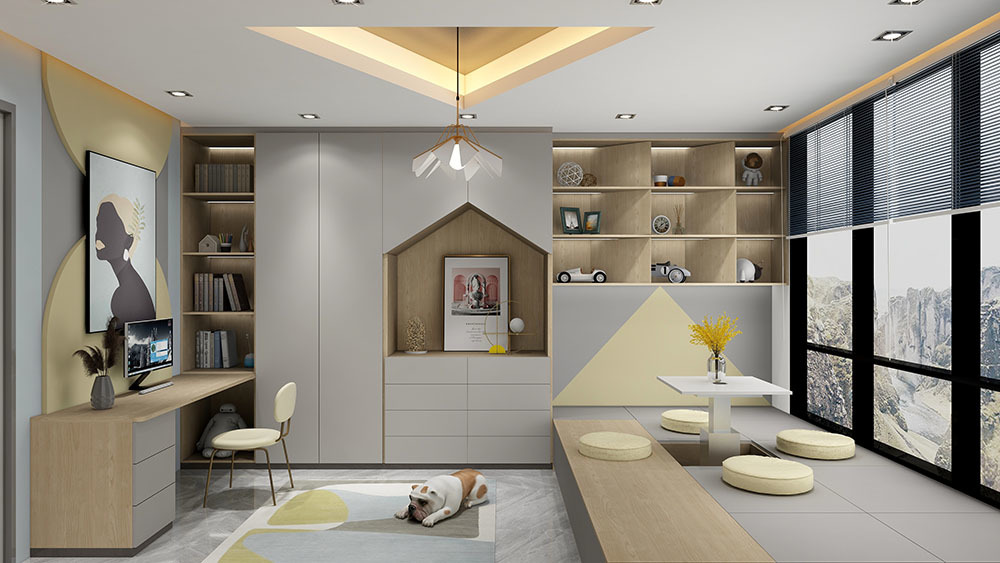
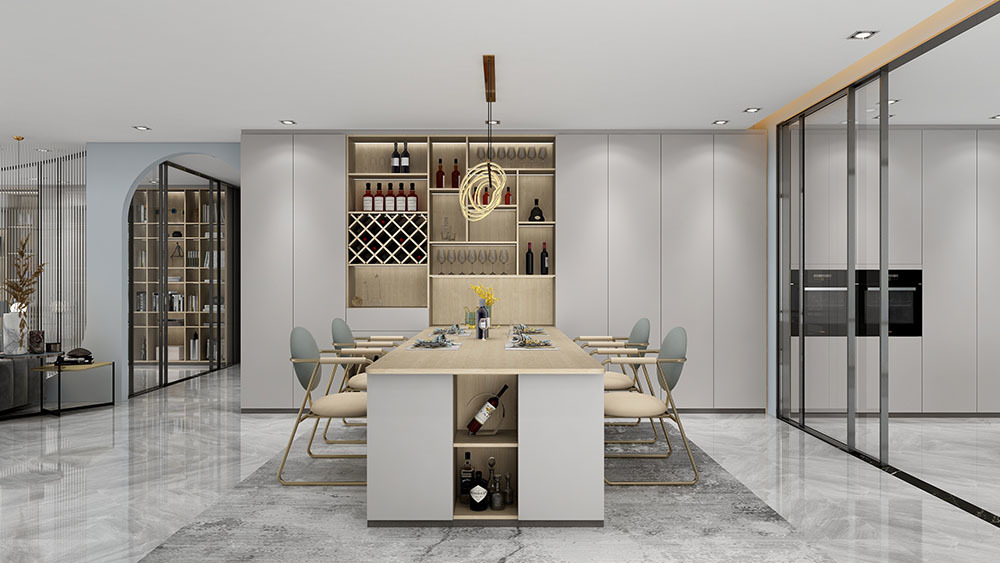
Unify the relationship between door panels, wall panels, cabinets and closings, so that the entrance, living room, bedroom and other spaces form a continuous facade.

Same color and same pattern

From wood grains, solid colors to metallic textures, the whole home matching logic is established around the main material colors to reduce space fragmentation.

Emphasis on both invisibility and explicitness

It can be used as invisible doors, background walls, display cabinets, and can also form a visual focus through local color jumps.

Use Cases

Application Scenes
Entrance door wall

Entrance door wall

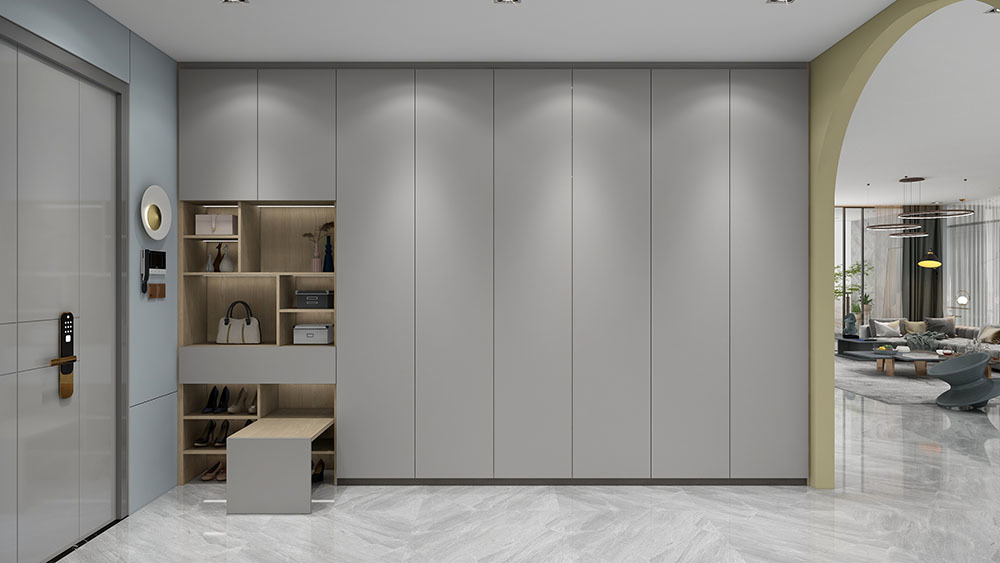
The entrance door cover, shoe cabinet, and shoe changing area are unified with the wall to enhance the integrity at the first glance when you return home.

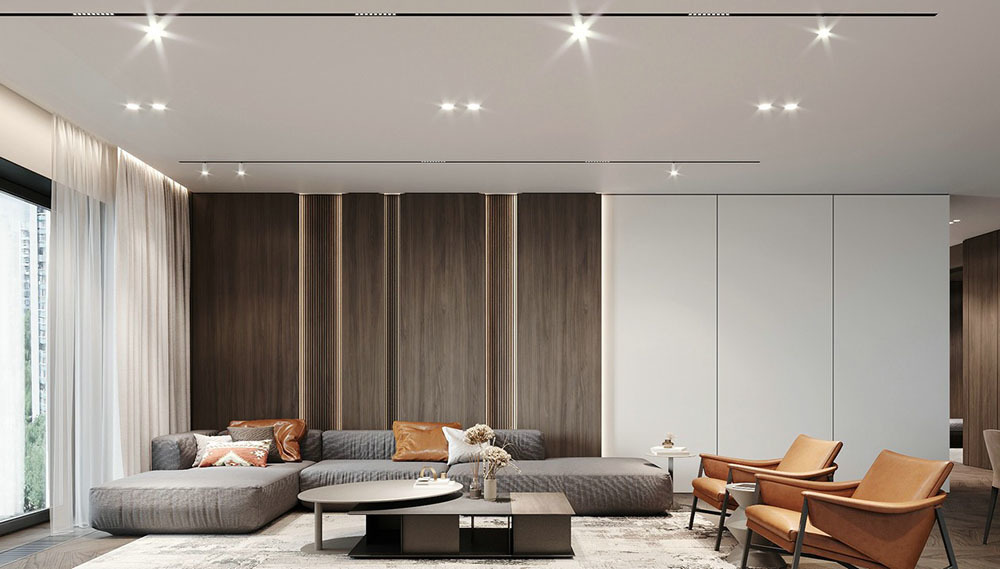
Living room background wall

Living room background wall

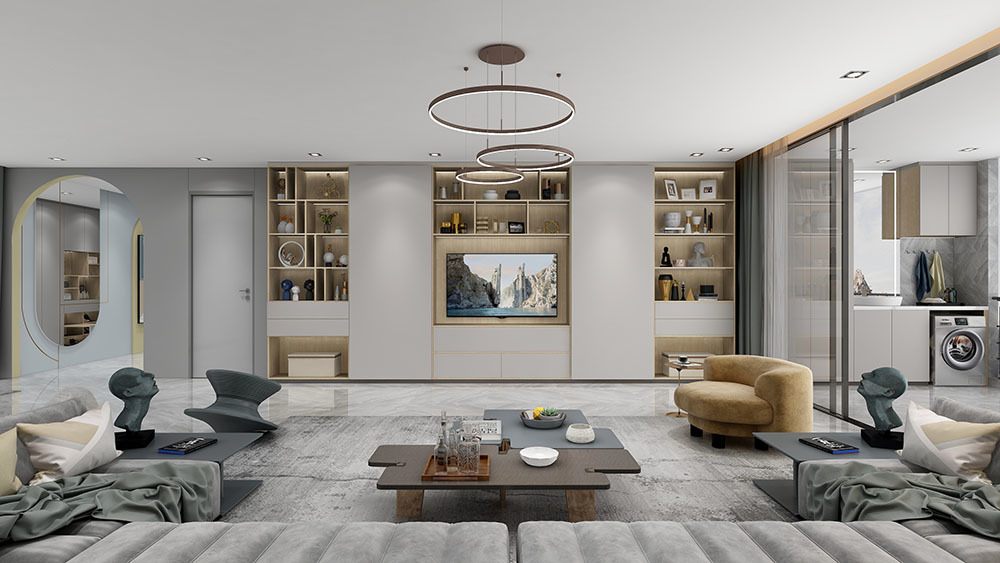
The TV wall, storage cabinet, display grid and hidden door are integrated to make the public space cleaner and more hierarchical.

bedroom door wall

bedroom door wall

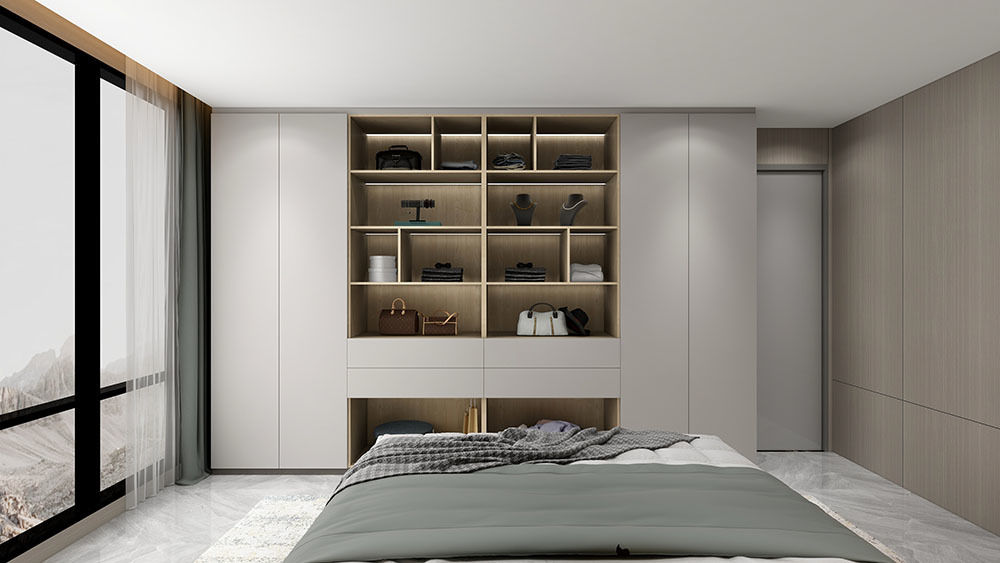
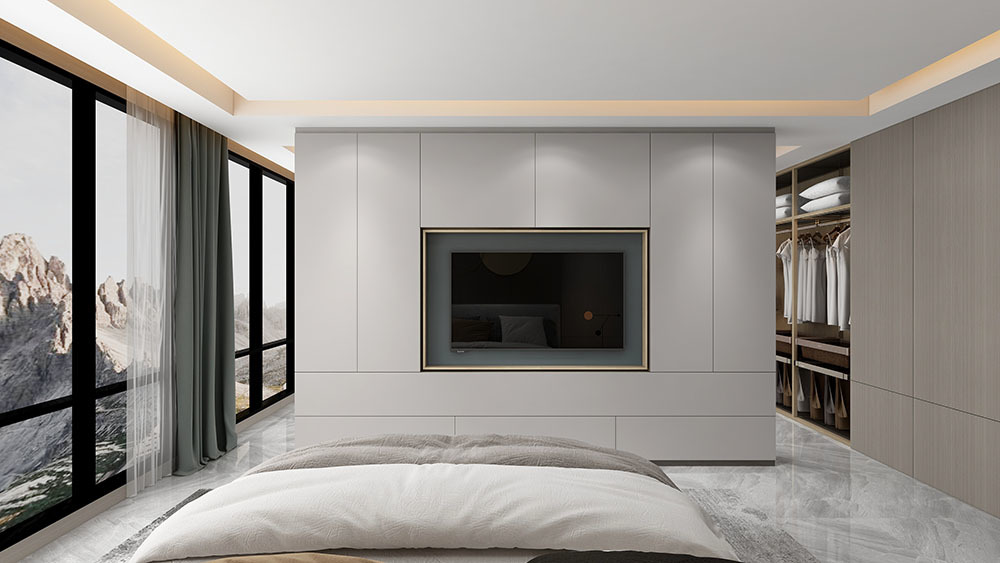
The wardrobe, bedroom door, and bedside wall are all in the same color to reduce visual interference and enhance the sense of stability in the sleeping space.

Space Showcase

Space Showcase
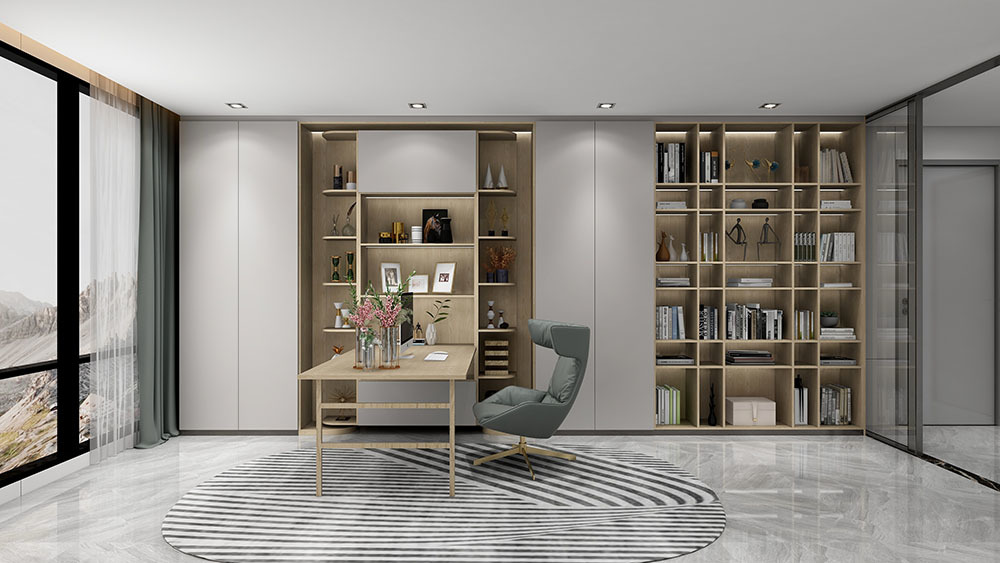
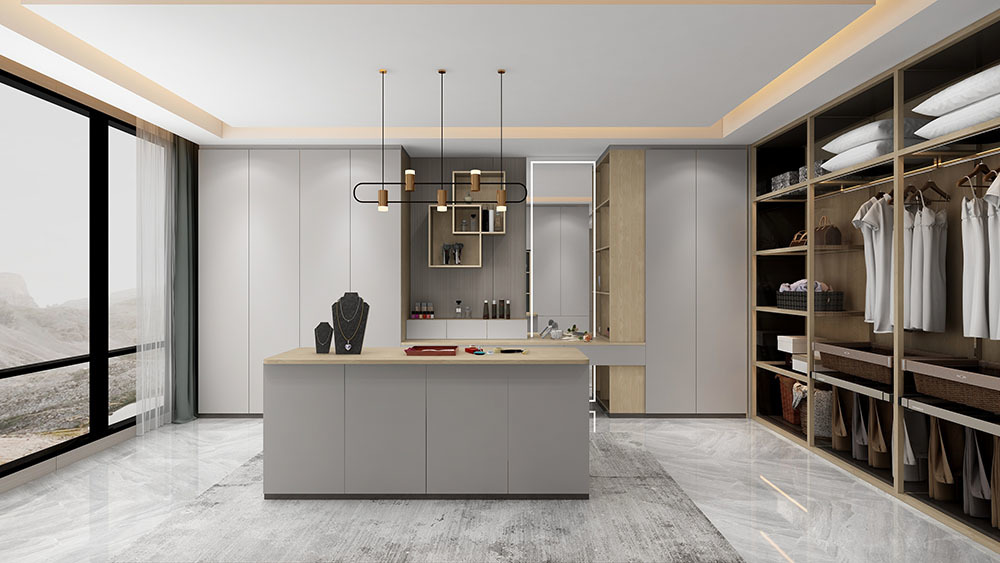
BOSNIE Integrated Door-Wall-Cabinet Whole-Home Photo 1
BOSNIE Integrated Door-Wall-Cabinet Whole-Home Photo 2
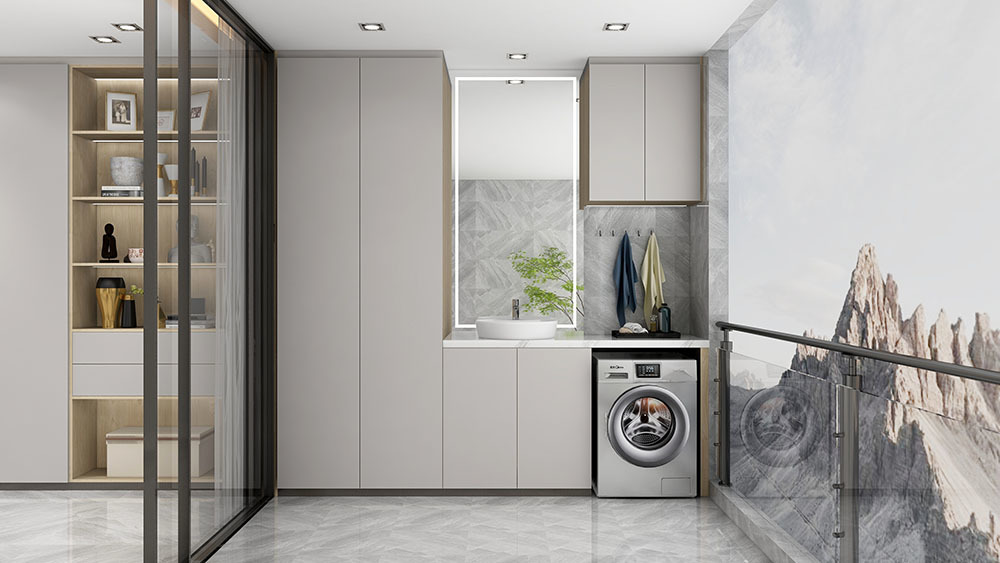
BOSNIE Integrated Door-Wall-Cabinet Whole-Home Photo 3
BOSNIE Integrated Door-Wall-Cabinet Whole-Home Photo 4
BOSNIE Integrated Door-Wall-Cabinet Whole-Home Photo 5
BOSNIE Integrated Door-Wall-Cabinet Whole-Home Photo 6
BOSNIE Integrated Door-Wall-Cabinet Whole-Home Photo 7
BOSNIE Integrated Door-Wall-Cabinet Whole-Home Photo 8
BOSNIE Integrated Door-Wall-Cabinet Whole-Home Photo 9
BOSNIE Integrated Door-Wall-Cabinet Whole-Home Photo 10
BOSNIE Integrated Door-Wall-Cabinet Whole-Home Photo 11
BOSNIE Integrated Door-Wall-Cabinet Whole-Home Photo 12

Collaborative Design Nodes

Design Coordination
01

Facade relationship

First determine the primary and secondary relationships of doors, walls, and cabinets in the same facade, and then determine the proportions of invisible doors, display cabinets, open grids, and background walls.

02

Material color

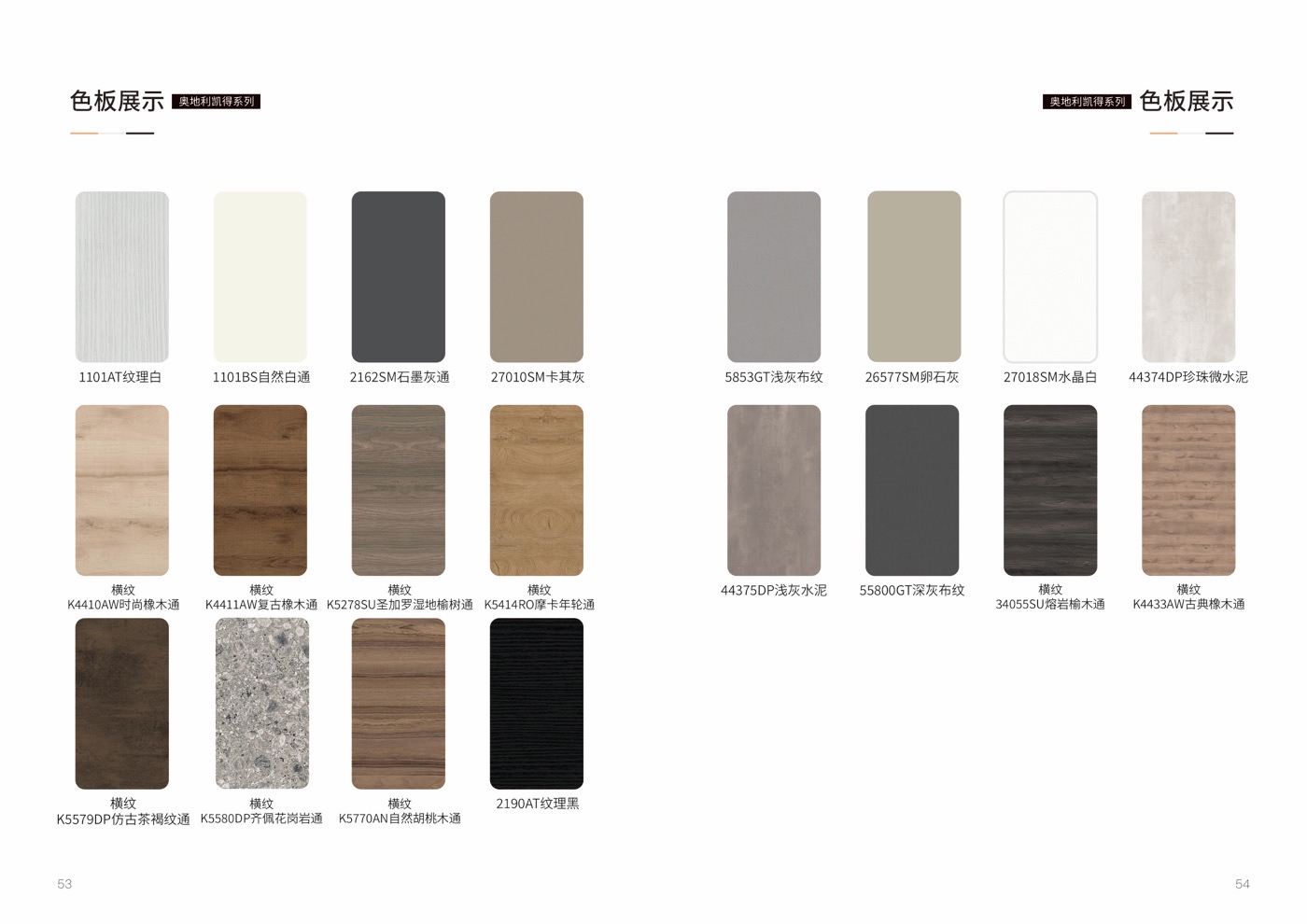
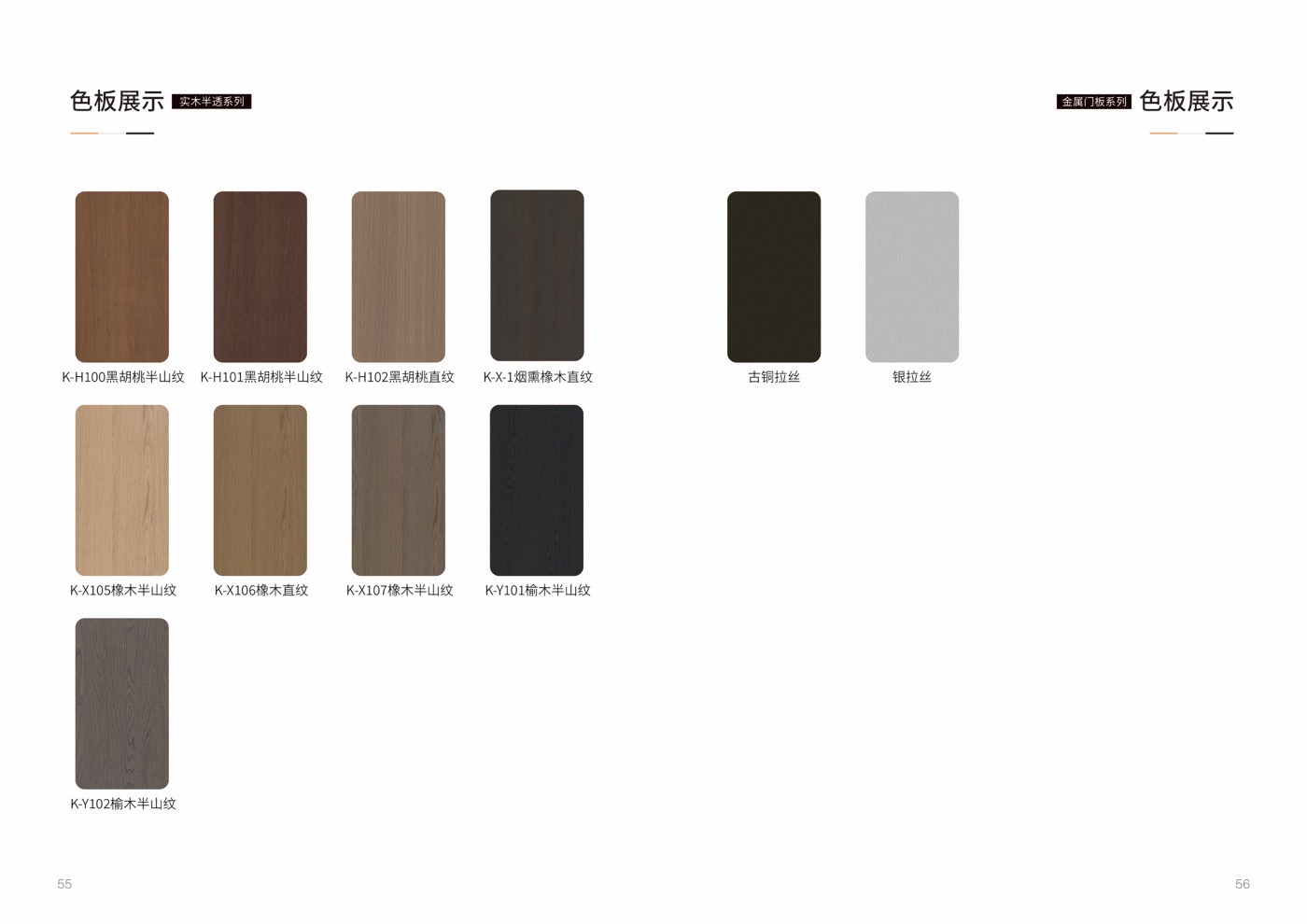
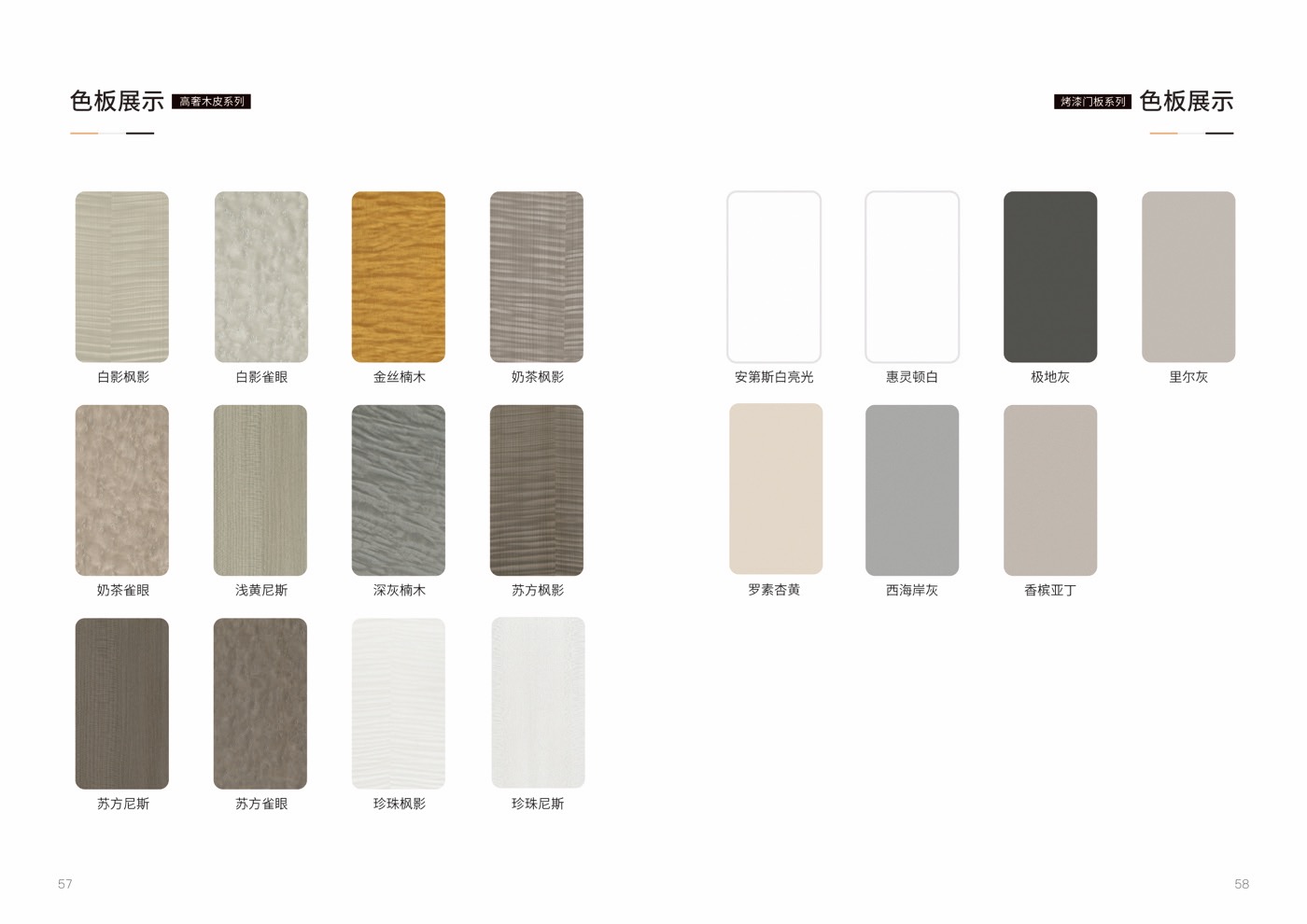
Confirm the main color, auxiliary color, partial color jump and texture direction from the 2026 product color atlas to avoid temporary mixing and matching on site.

03

Structure size

Confirm wall flatness, door opening size, cabinet thickness, baseboards, roof lines, corners and electrical equipment restrictions in advance.

04

Production and installation

String dismantling, edge sealing, surface treatment, hardware embedding, transportation protection and installation acceptance into traceable nodes.

Selection Process

Selection Process
01

Determine the style of the space

First, clarify the main styles such as modern, log, light luxury, and oriental, and control the main color range of door and wall cabinets.

02

Determine the texture of the main material

Choose from woodgrains, solid colors, metals or high-performance finishes based on light, area and frequency of use.

03

Determine the closing method

Plan door frames, baseboards, cabinet side panels and wall panel corners in advance to avoid on-site fragmentation.

04

Determine local focus

Through open grids, lights, color jumps or material contrasts, the whole home can be unified to retain visual memory points.

PROJECT CHECKLIST

Doors, Walls and Cabinets Checklist

The integration of door and wall cabinets is not just based on the renderings. What really affects the implementation is whether the base, size, material, hardware, lighting and installation nodes are confirmed in advance.

  • Wall panels, cabinets and invisible doors need to be checked in advance for the flatness of the base layer, door opening size, opening and closing direction and on-site installation conditions.
  • For projects of the same color and pattern, the design batch, grain direction, edge color, corner closing and actual look and feel after lighting should be confirmed.
  • Extra-high door panels, hidden doors or large-area wall panels need to be checked simultaneously with hardware load-bearing, straighteners, opening and closing spaces, and transportation and installation paths.
  • High-frequency areas such as kitchens, sideboards, and entrances should give priority to stain resistance, yellowing resistance, easy cleaning, and surface repair capabilities.
  • During the plan confirmation stage, it is recommended to archive the material samples, album page numbers, quotation list and on-site dimensions together to reduce later changes.

Consultation Preparation Checklist

Consultation Checklist
Floor plan, on-site photos and key elevation dimensionsDoor opening location, opening and closing direction and whether invisible door is neededTV wall, entrance cabinet, sideboard, bedroom door wall and other key spacesFavorite direction of woodgrain, solid color, metal or performance finishDo you need doors, walls, cabinets, and cabinets of the same color and pattern?Lighting, electrical appliances, sockets, baseboards and ceiling closing conditionsBudget range, renovation stage and estimated installation time

Color Directions

2026 Color Collections
Warm wood grain

Warm wood grain

Suitable for logs, cream, and modern natural spaces, and can be used for door panels, wall panels, and main surfaces of cabinets.

dark order

dark order

Suitable for living room background walls, study rooms and display cabinets, emphasizing the calmness and wrapping of the space.

Low saturation solid color

Low saturation solid color

Suitable for bedrooms, children's rooms and storage systems, making large cabinet walls softer and more durable.

High-end texture noodles

High-end texture noodles

Suitable for key areas of door walls, using material texture to enhance local sophistication.

Doors, Walls and Cabinets FAQ

FAQ

What is the difference between door-wall cabinet integration and ordinary cabinet customization?

Ordinary cabinets pay more attention to the function of a single cabinet. Integrated door-wall cabinets will process wooden doors, wall panels, cabinets, closings, lights and colors in the same set of facade logic. They are suitable for continuous spaces such as TV walls, entrance halls, invisible doors, sideboards and bedroom cabinets.

Does the invisible door have to be the same color and pattern as the wall panel?

Not necessarily, but if you want to reduce the presence of the door, it is recommended to simultaneously confirm the color number, texture direction, thickness, edge sealing and hardware opening and closing methods of the wall panels, invisible doors, and cabinets. You can also make the door the visual focus through local color jumps.

When choosing the color of door panels and wall panels, should you first look at the renderings or the samples?

Renderings can be used to judge style and proportion in the early stage, but formal confirmation should be combined with the 2026 color atlas, offline samples, lighting conditions and contract list. The screen color cannot be directly used as the final order color.

Where are the problems that arise when integrating door-to-wall cabinets?

Common risks include base flatness, door opening size, grain direction, edge color, hardware load-bearing, light exposure and corner closing. It is recommended that these nodes be included in the checklist in advance during the measuring stick and plan confirmation stages.