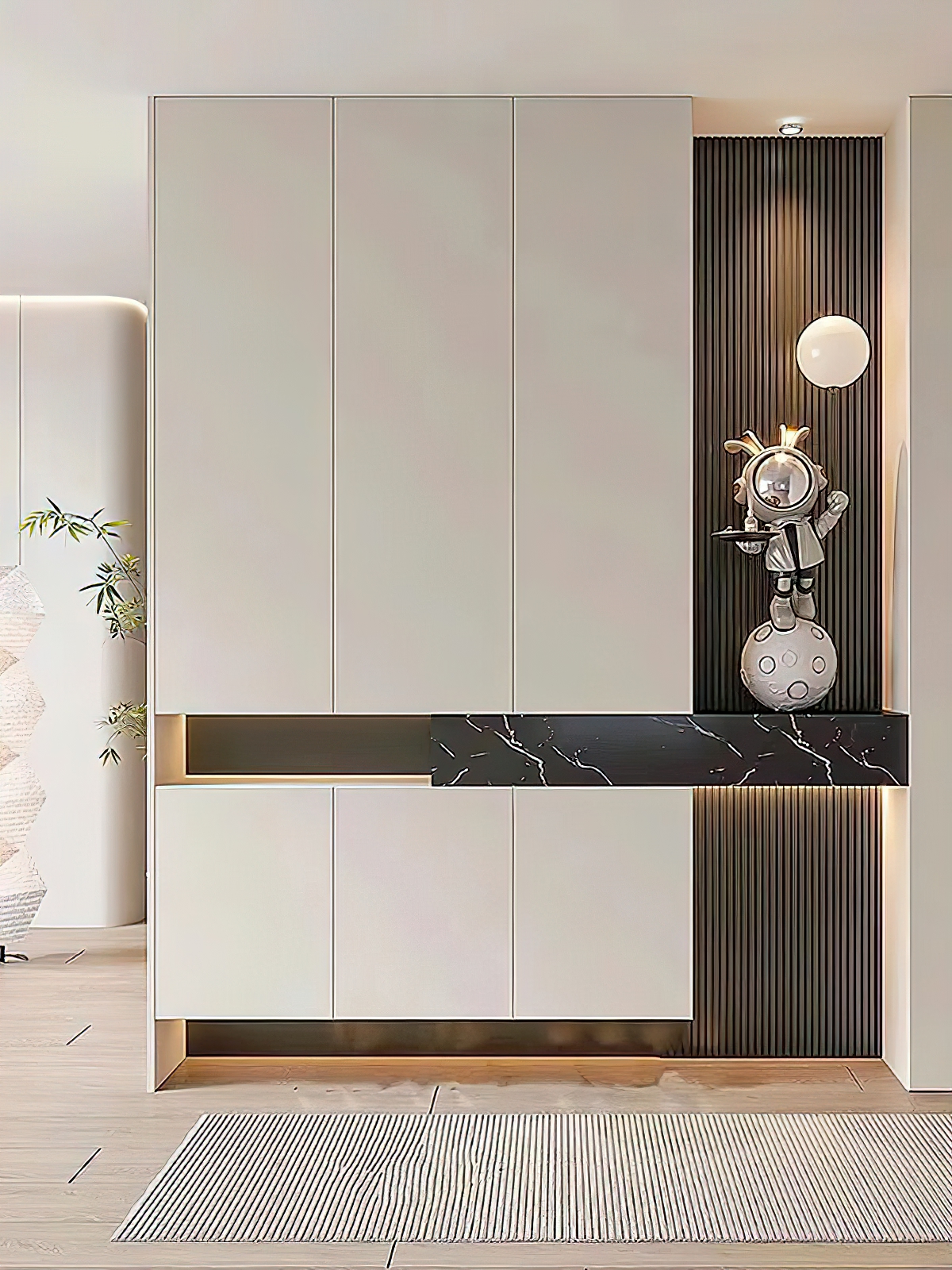
Whole-House Customization: A Guide to Avoiding Common Pitfalls—90% of People Overlook These 5 Key Details
Living Knowledge · 2026.08.07

Whole-House Customization: A Guide to Avoiding Common Pitfalls—90% of People Overlook These 5 Key Details

A Guide to Avoiding Pitfalls in Whole‑House Customization: These 5 Details Are Overlooked by 90% of People Anyone who’s been through a home renovation knows that whole‑house customization is the most expensive—and the easiest—part of the process to run into problems. Whether it’s the panels, hardware, design, or installation, an issue in any one stage can lead to endless headaches down the line. Don’t just focus on the panel brand; pay attention to the environmental‑safety grade. E0 is the minimum standard, but ENF is the truly worry‑free choice. Before signing the contract, be sure to ask the retailer for test reports, and in the con...

Whole-House Customization: A Guide to Avoiding Common Pitfalls—These 5 Details Are Overlooked by 90% of People

Anyone who’s done a home renovation knows that whole-house customization is the most expensive—and the easiest—part of the process to run into pitfalls. From cabinetry materials and hardware to design and installation, any slip-up at any stage can lead to endless headaches down the line.

Don’t just focus on the board brand—pay attention to the environmental grade. E0 is the baseline, but ENF is the truly reassuring choice. Before signing the contract, be sure to ask the seller for a test report and clearly specify both the board brand and its environmental grade in the agreement.

Hardware components determine the lifespan of a cabinet. Hinges, slides, and handles—though they may seem like minor accessories—directly affect whether your cabinet doors last three years or ten. We recommend choosing reputable imported brands such as Blum or Hettich, and be sure to have this requirement included in the contract.
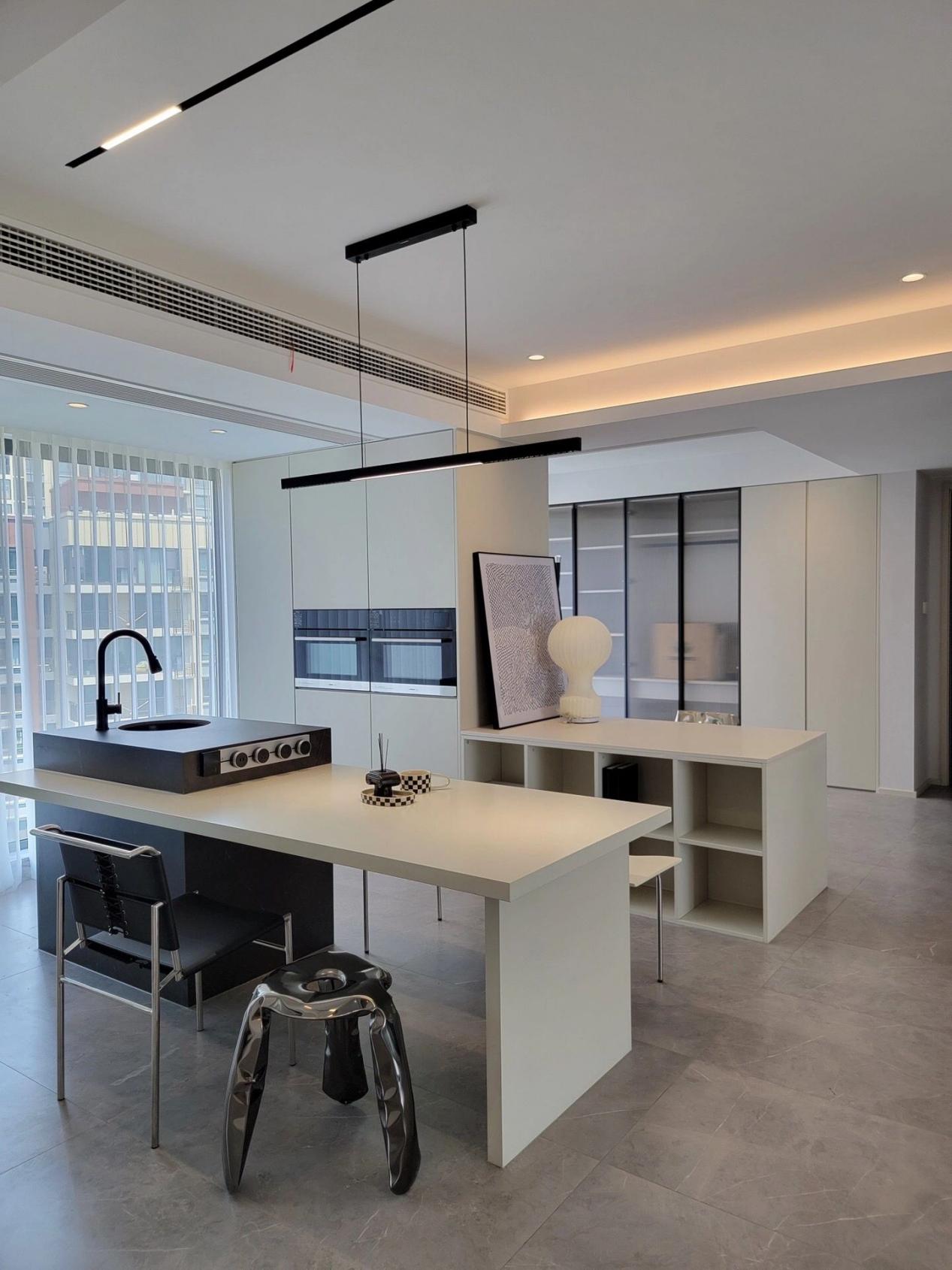
image1

Third, design drawings must be carefully reviewed and confirmed multiple times. Many homeowners sign off on the renderings without a second thought, only to discover during installation that outlets are blocked by cabinets or drawers won’t open. Be sure to have the designer provide detailed CAD drawings, with every dimension and electrical–plumbing point clearly marked.

Fourth, be sure to clarify the pricing method. There’s a significant difference between projected area and unfolded area, and you should confirm in advance whether additional items—such as edge‑banded panels, straightening devices, and drawers—are charged separately.

Fifth, the installation team matters more than the brand. No matter how high‑quality the panels are, they’ll be for naught if the installer lacks skill. We recommend choosing a brand with its own in‑house installation team, as this ensures better after‑sales support.

BOSNIE Private Residence Customization employs an end-to-end in-house team model for design, manufacturing, and installation, with dedicated specialists overseeing every step from on-site measurement to final execution. We firmly commit to including environmental‑grade standards, hardware‑brand specifications, and a detailed breakdown of optional add‑ons in the contract, ensuring transparent pricing and proactively safeguarding against common pitfalls in whole‑house customization from the very outset.
More Articles

More Posts
How should the internal structure of a custom wardrobe be designed to maximize usability? The zoning logic determines storage efficiency.
Living Knowledge · 2026.10.29

How should the internal structure of a custom wardrobe be designed to maximize usability? The zoning logic determines storage efficiency.

How should you design the internal structure of a custom wardrobe to make it truly functional? The zoning logic determines storage efficiency. The effectiveness of a custom wardrobe depends on whether its internal layout aligns with your household’s actual clothing inventory and your habits for putting things in and taking them out. The correct design sequence is: first, take stock of your clothes; second, determine the zones; and only then consider the overall style. This article provides a set of zoning principles and dimension guidelines that you can apply directly. 1. Inventory First, Design Later: A wardrobe is a reflection of your clothing collection...

How to coordinate color schemes for whole-house customization? The 60-30-10 rule and four space-specific strategies.
Living Knowledge · 2026.10.29

How to coordinate color schemes for whole-house customization? The 60-30-10 rule and four space-specific strategies.

How do you coordinate colors for whole‑house customization? The 60–30–10 rule and four space‑specific strategies. The most common reason why color schemes in whole‑house customization fall flat isn’t that the colors themselves are unattractive, but rather that there are too many colors, the proportions are out of balance, or the materials and colors aren’t well integrated. Master one fundamental principle—the 60–30–10 ratio—and then choose a strategy based on the specific spatial conditions, and you’ll be able to make color choices you won’t regret. I. The 60–30–10 Rule: Let each color...

A Guide to Avoiding Pitfalls in Whole-House Customization: 6 Things You Must Confirm Before Signing the Contract
Living Knowledge · 2026.10.29

A Guide to Avoiding Pitfalls in Whole-House Customization: 6 Things You Must Confirm Before Signing the Contract

1. Board Material Environmental Safety: Rely on Test Reports, Not Verbal Promises It’s common for sellers to tout “environmentally friendly boards” without providing any official test reports. The formaldehyde emission limit for E1‑grade boards is ≤0.124 mg/m³; some retailers use this as a claim of eco‑friendliness, but it falls short for households with elderly residents or young children. A more reliable choice would be ENF‑grade (≤0.025 mg/m³) or E0‑grade (≤0.05 mg/m³), ...

BOOK A CONSULTATION

Want to Apply These Ideas to Your Own Home?

It can explain the apartment area, decoration stage and preferred style. The BOSNIE team will combine the home encyclopedia, real cases and product systems to provide one-to-one custom suggestions for the entire home.