First, the answer: there is no superior style; the key is choosing one that suits your living habits.
How can you choose a whole-house customization style without regret? The answer is to prioritize your lifestyle first, then consider the style. Creamy tones are soft and airy, ideal for homes with average natural light that aim to feel more spacious; warm, natural wood tones are soothing and relaxed, perfect for families with elderly members or children who value a touch of nature; Italian minimalism is restrained and clean-lined, suited to upgrade‑type homes with ample budgets willing to invest in thoughtful details and organized storage. Before settling on a style, ask yourself three questions: How much natural light does your home receive? How many people live there? And how much effort are you willing to put into upkeep? Once you’ve answered these, the right style will become clear.
2. Creamy Style: Low-saturation softness, ideal for small and dimly lit homes.
The essence of the “cream style” lies in large expanses of low-saturation off-white and light camel, paired with softly rounded cabinet edges and gentle lighting, creating a light, soothing atmosphere. It works particularly well in homes with average natural light—light-colored walls and cabinetry help amplify brightness, making it especially suitable for apartments between 60 and 90 square meters. When customizing an entire home in this style, keep two things in mind: first, avoid using a single tone throughout; incorporate wood tones or gray‑toned furniture to add contrast and prevent the space from feeling overly sweet. Second, opt for matte, skin‑feel finishes on cabinet doors—they’re more visually appealing and less prone to showing fingerprints than high‑gloss panels.
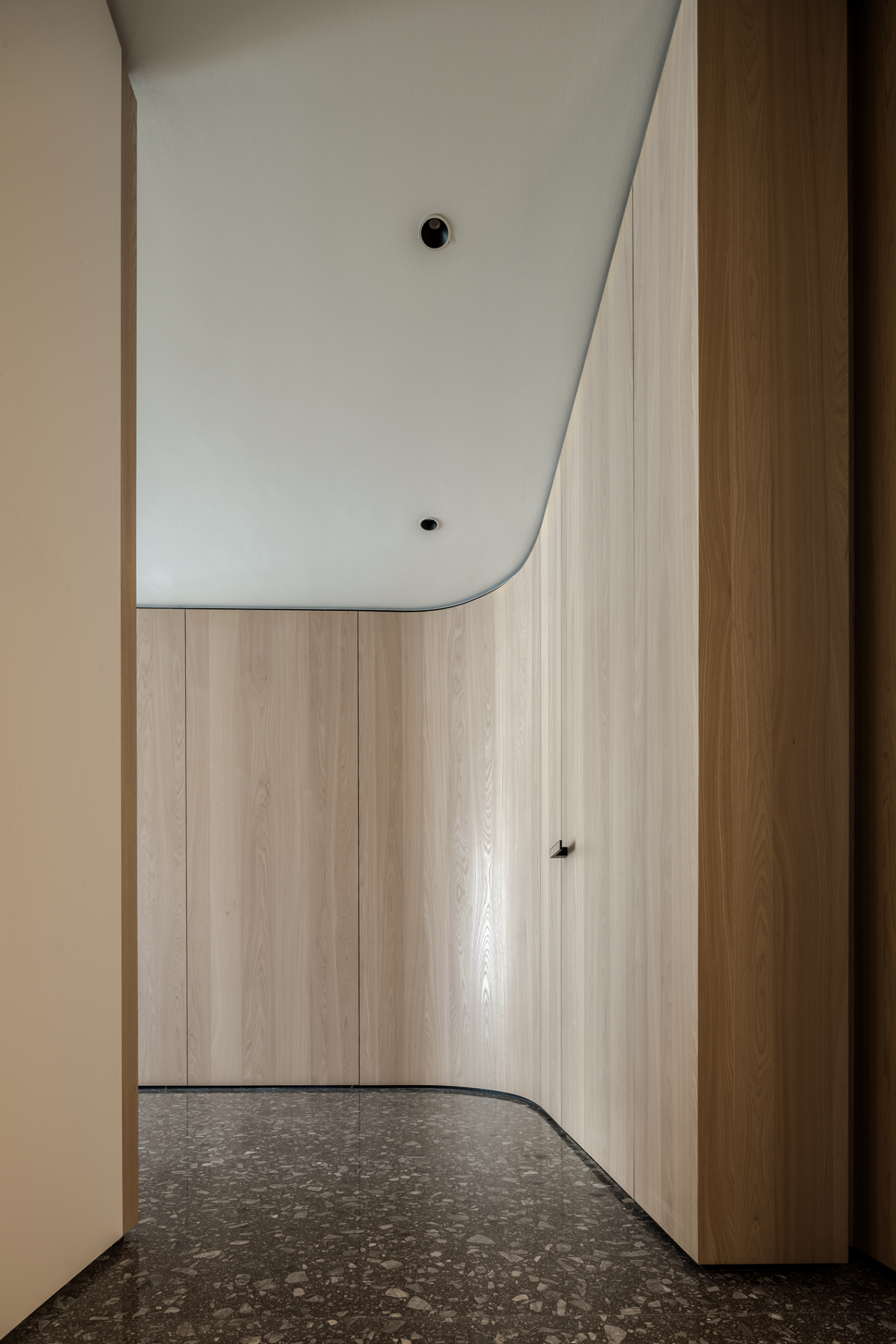
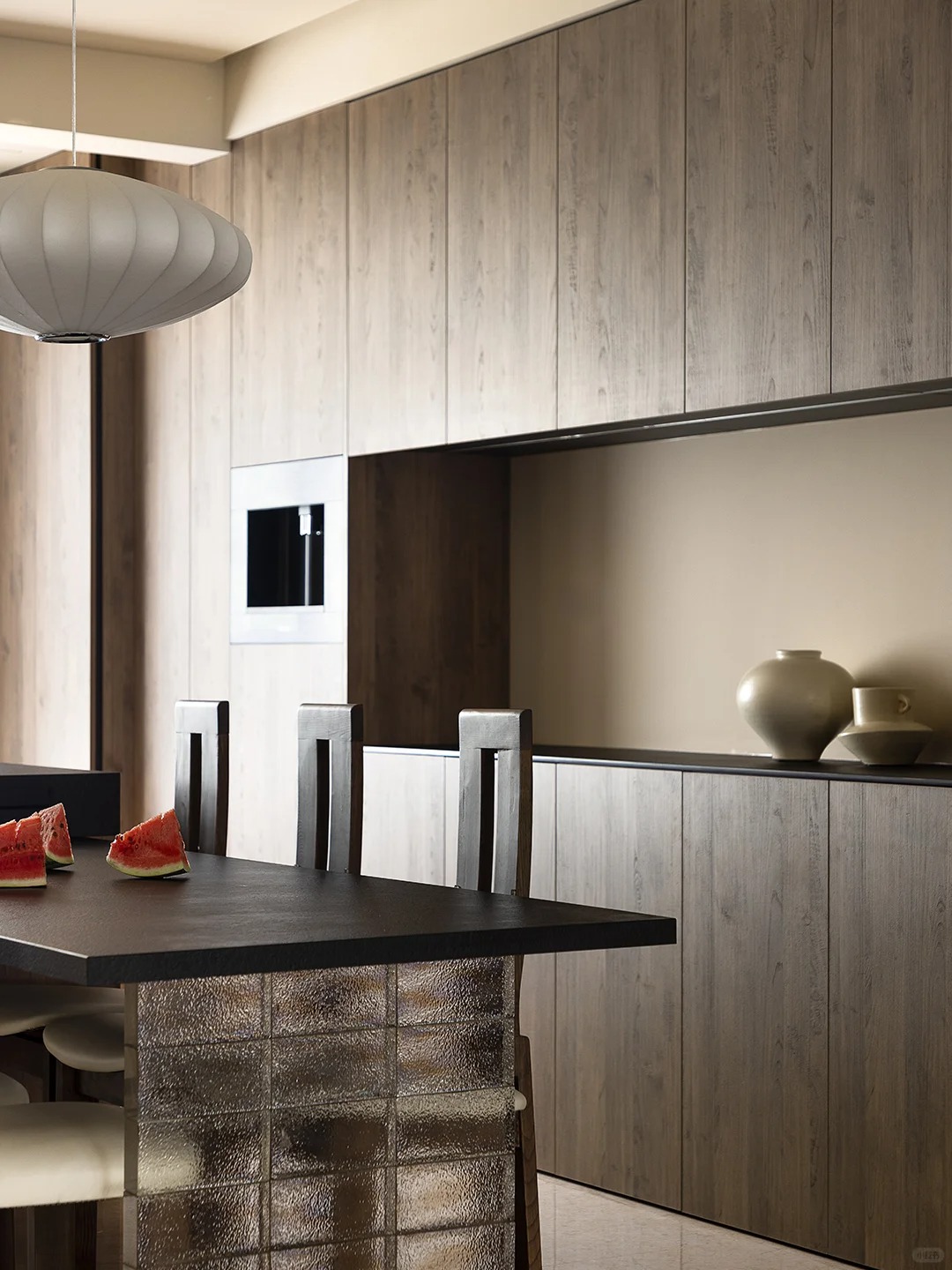
III. Rustic Wood Style: The relaxed, natural vibe of wood grain—timeless and increasingly comfortable the longer you live with it.
The log‑style aesthetic centers on wood‑grain finishes, paired with white walls and cotton‑linen textiles, emphasizing a natural warmth. Its strengths lie in its timelessness and durability: wood grain is insensitive to changes in light, so it remains pleasing to the eye even after several years; cabinetry, flooring, and furniture easily echo one another in materiality, creating a strong sense of cohesion. It’s particularly well‑suited for families with elderly members and children—wood’s gentle warmth helps balance life’s inevitable clutter. When selecting materials, pay close attention to the realism of the finish; imported panels offer more refined, synchronized wood‑grain patterns and textures, making them a cost‑effective choice for log‑style projects.
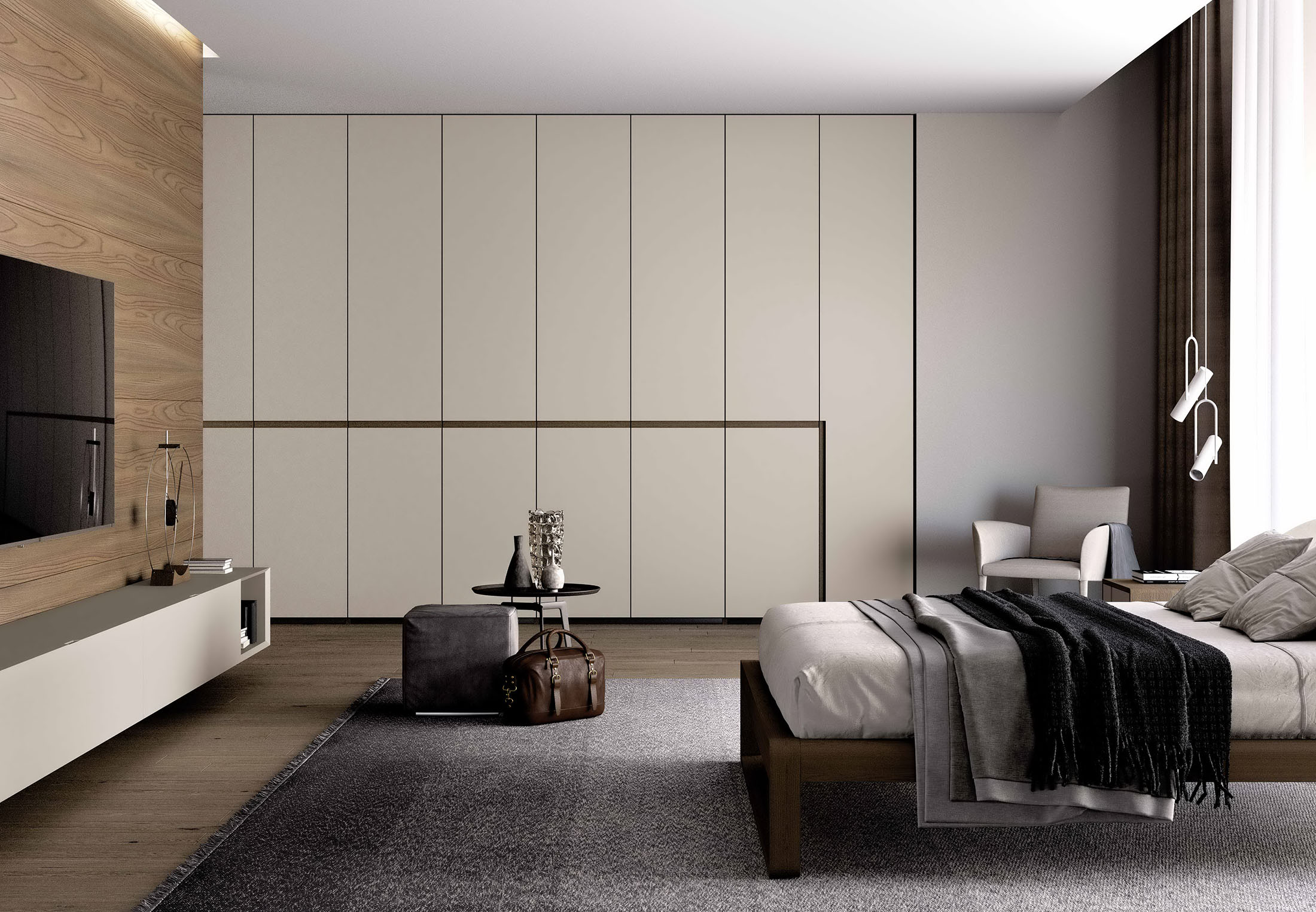
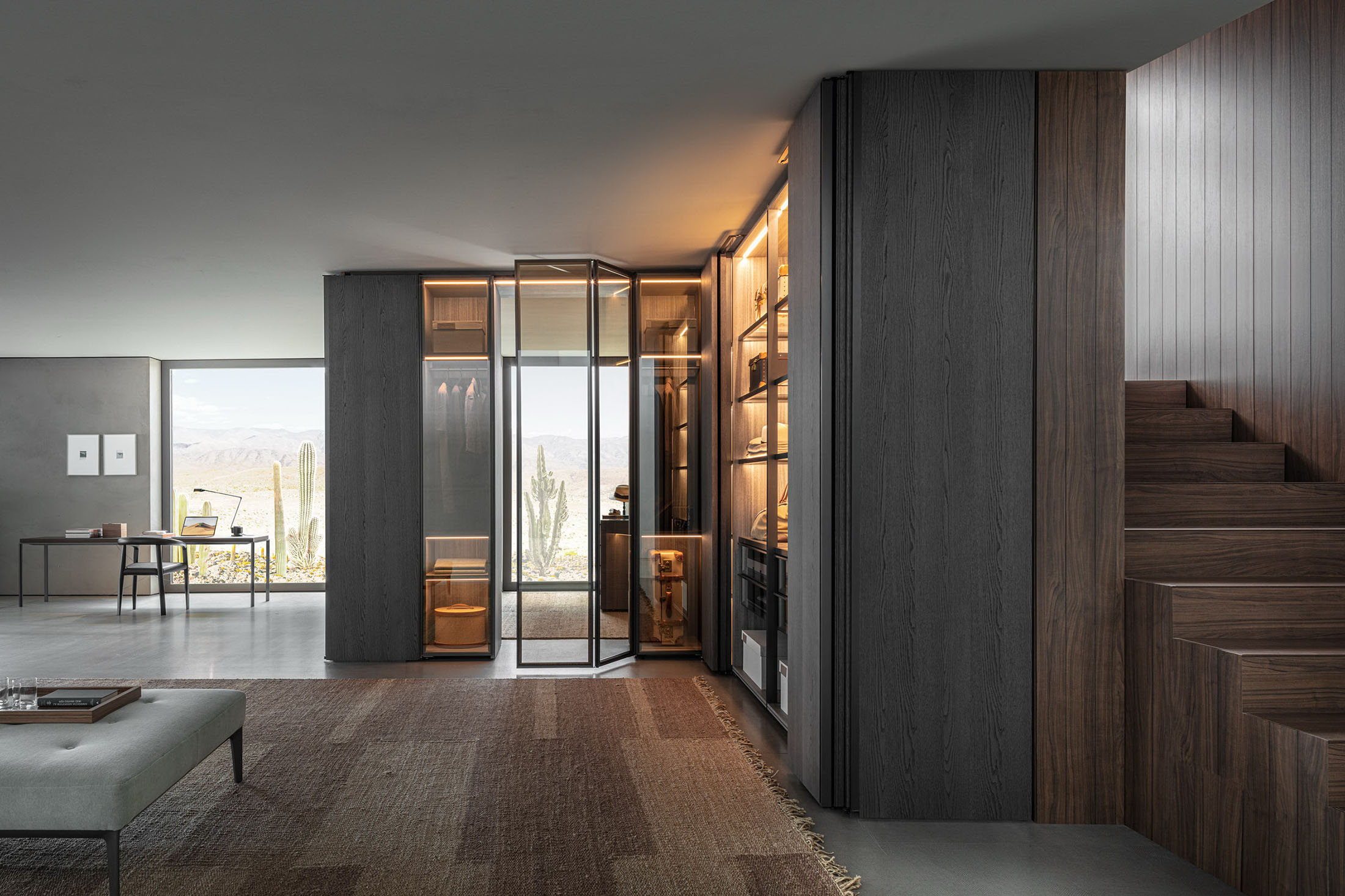
IV. Italian Minimalism: A Restrained Sense of Order, the Textural Choice for Upgraded Living Spaces
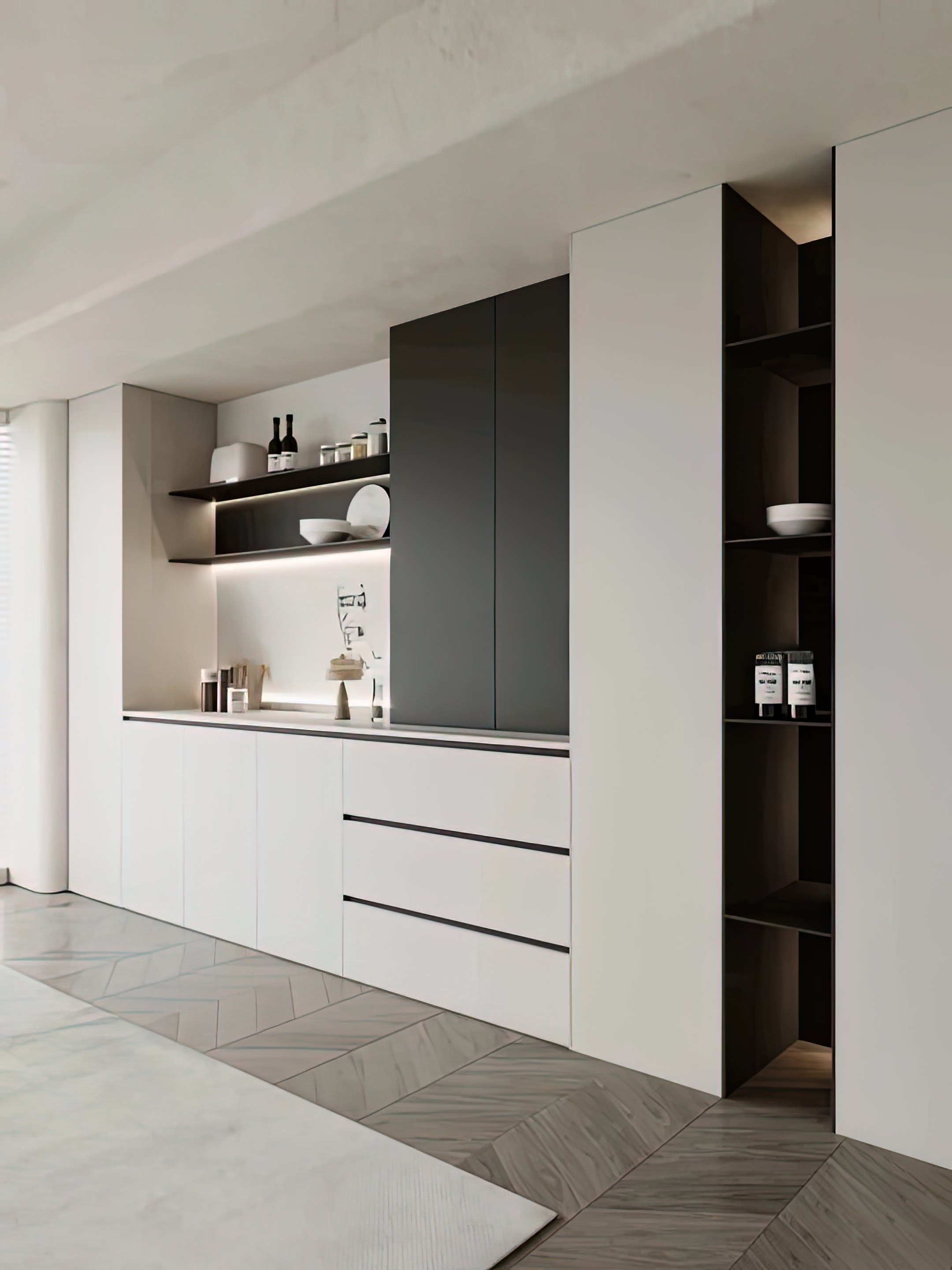
Italian minimalism employs expansive areas of dark or neutral hues, crisp straight lines, and concealed design elements to create a calm yet substantial spatial atmosphere. It also places high demands on both construction and design: wall flatness, the detailing where cabinets meet wall panels, and layered lighting—all require meticulous attention. As such, it is best suited to larger apartments and villas—residences that offer room for refinement and improvement. When pursuing Italian minimalism, storage must be planned proactively; only with dedicated spaces for everyday items can the sense of order in the space truly take hold.
V. How to Implement the Three Styles: A Simple Decision-Making Method
Here’s a ready-to-use decision-making guide: If natural light is average and your budget is moderate, choose the cream style—light colors will make the space feel larger. If you have a large family, lots of belongings, and want a relaxed, enduring space, opt for a wood‑tone style and prioritize high‑quality panels. For a sense of quality and a unit of 120 square meters or more, go with Italian minimalism, investing your budget in thoughtful design and hardware details. Once the style is set, aim for a 60‑30‑10 color ratio throughout the home: main color, accent color, and highlight color each have their place. The key to avoiding regrets lies in restraint.
VI. Regarding BOSNIE Private Residence Customization
Centered around a whole-house customization style, BOSNIE Private Residence Customization offers seven distinct collections for direct selection: the enchanting Morandi palette embodies low-saturation, soft elegance; Natural Log Home reflects the relaxed warmth of natural wood; and the Light Luxury Modern series pairs with Rosy Macchiato to capture the deep, rich textures of Italian design. With 26 years of expertise in building materials and home furnishings, the brand has collaborated for 15 consecutive years with imported panel manufacturers such as Swiss Krono and Austrian Egger. Backed by nine production bases and over 500 nationwide showrooms, it delivers international-quality products at accessible prices, helping customers realize their dream homes.
Frequently Asked Questions (FAQ)
What styles will be trending in whole-house customization in 2026?
The prevailing trends are low saturation and natural materials: the creamy and wood‑accented styles remain popular, while Italian minimalism is gaining traction in upgraded homes. When choosing a style, prioritize your living habits; trendy colors can be used as accents rather than applied throughout the entire space.
Will the cream-colored aesthetic go out of style in a couple of years?
Low-saturation, light color palettes are inherently timeless; the main risk of becoming outdated comes from imbalanced color combinations. By limiting the number of colors, incorporating wood tones and gray undertones as transitions, and choosing matte finishes for cabinet doors, a cream‑style whole‑house customization can maintain its refined aesthetic for years to come.
Is an Italian minimalist style suitable for small apartments?
Yes, but with restraint. Using dark colors extensively can make a space feel smaller, so small apartments are better suited to a modified Italian minimalist style—dominated by light tones with accents of darker shades—which preserves the sense of order inherent in minimalism while reducing visual heaviness.