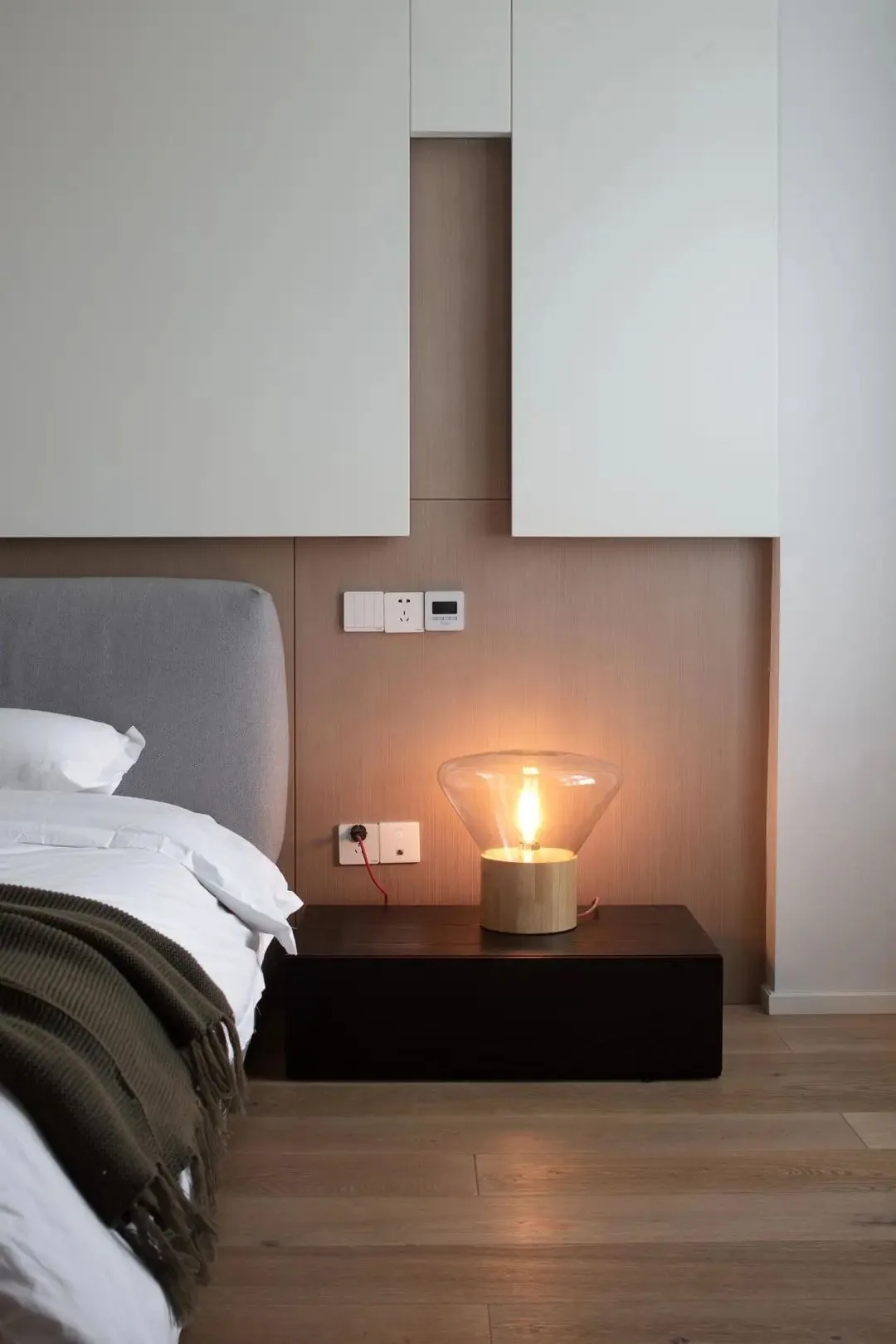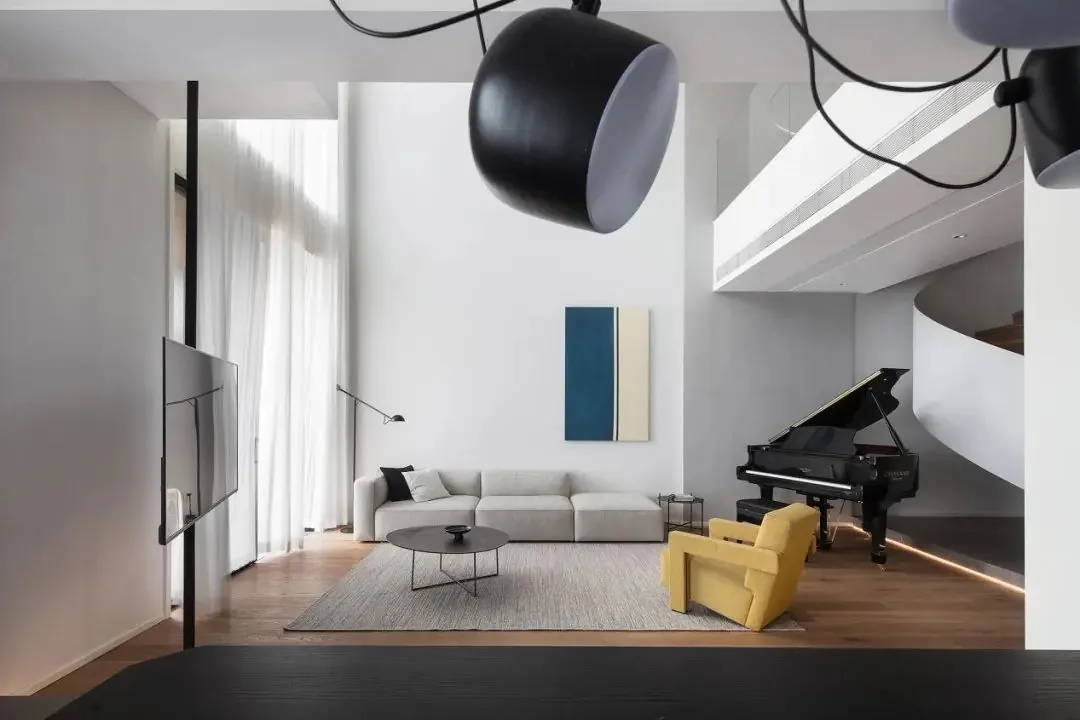
Simplicity is both letting go and gaining; true simplicity not only brings us back to our essential selves but also helps us embrace inclusivity.
BOSNIE champions a lifestyle of simplicity and authenticity, finding truth in the ordinary. With a clear‑headed, steady, and serene approach, it invites you to savor life’s subtle emotions; through refined taste, it lets you appreciate every aspect of daily living—clothing, food, shelter, and travel—while gracefully moving between rich textures and effortless ease.
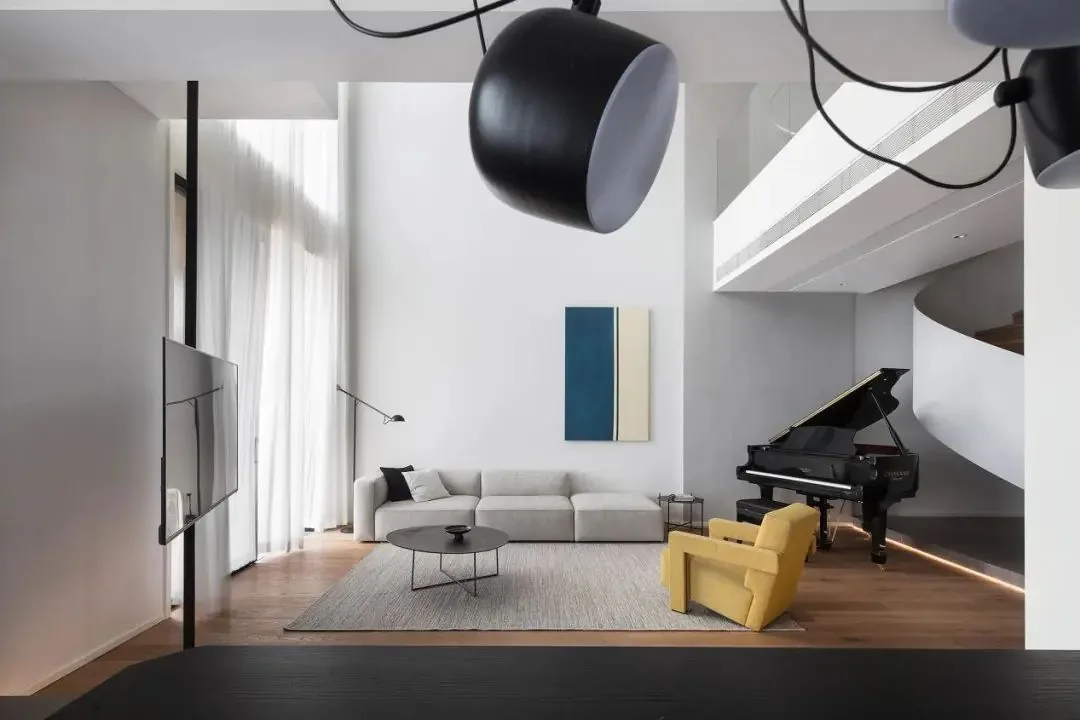
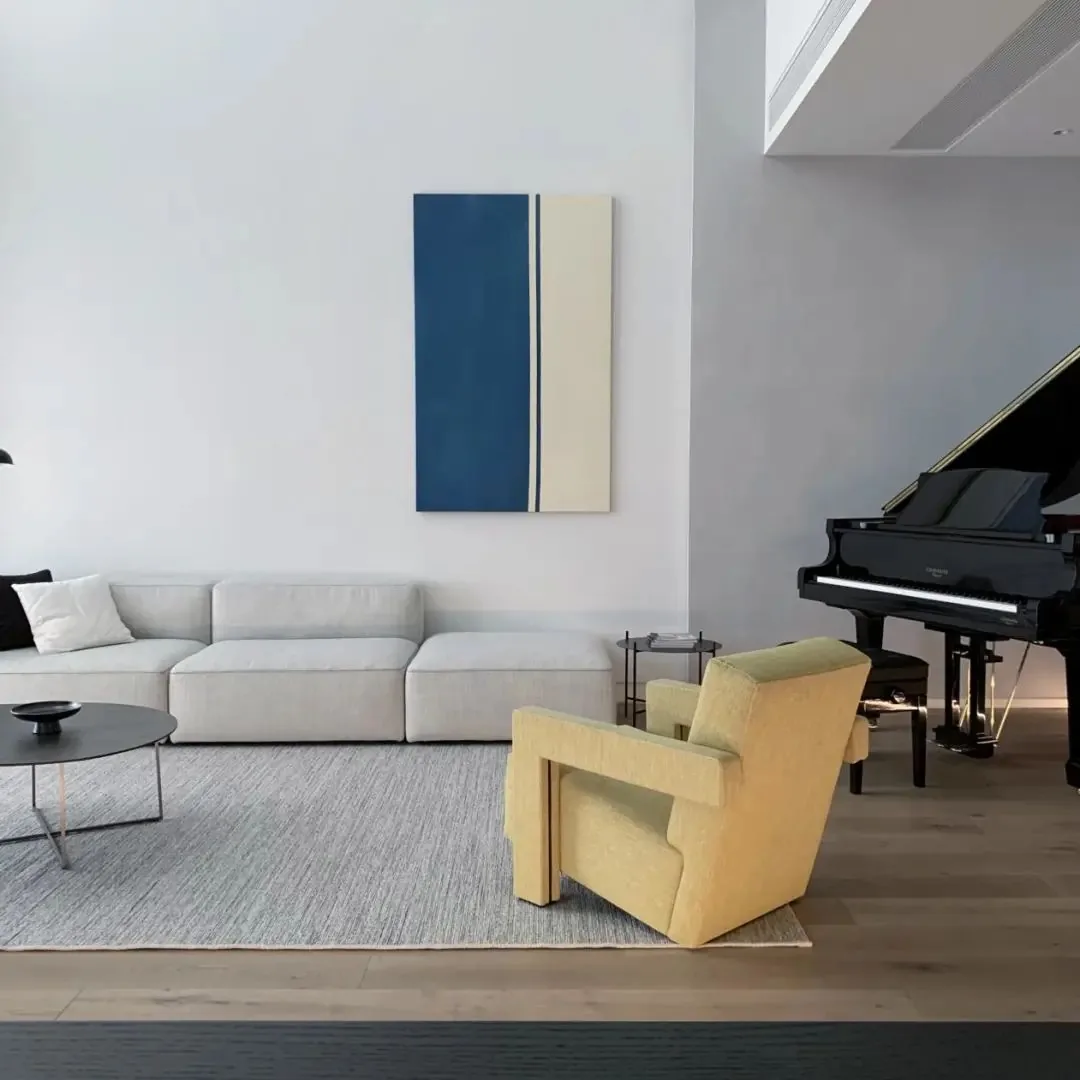
By engaging in multidimensional spatial thinking, we seek to explore the diverse layers of meaning in life and the more nuanced functional needs of private residences. We also hope that, beyond surface appearances, we can look more deeply—gaining not only design‑based insights but also a richer, more authentic understanding of everyday living.
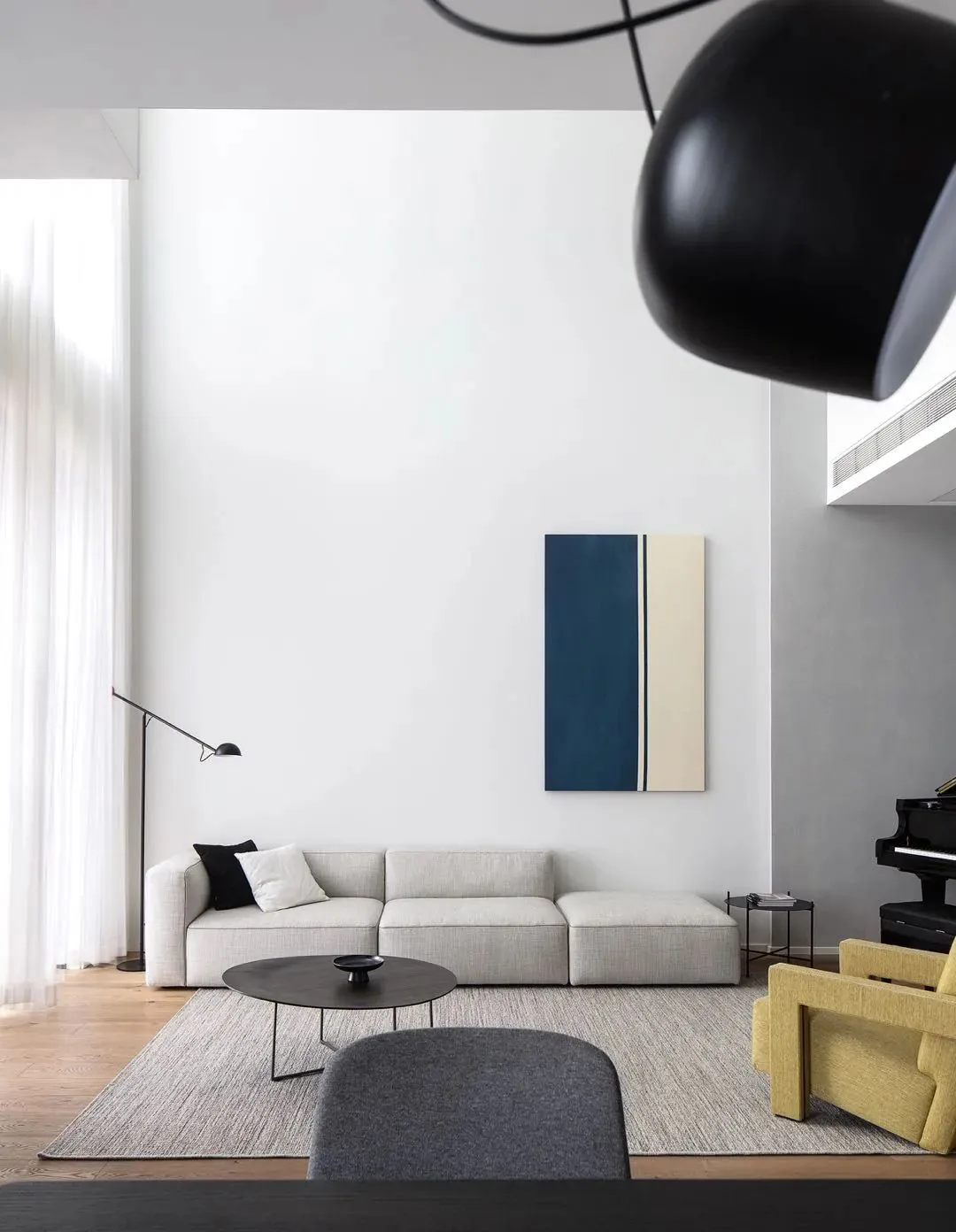
Aesthetic sensibilities evolve gradually over time. At first, one may be drawn to striking, easily comprehensible things; yet with the passage of years, one comes to appreciate that “simplicity” is, in fact, an art and a philosophy forged by everyday life.
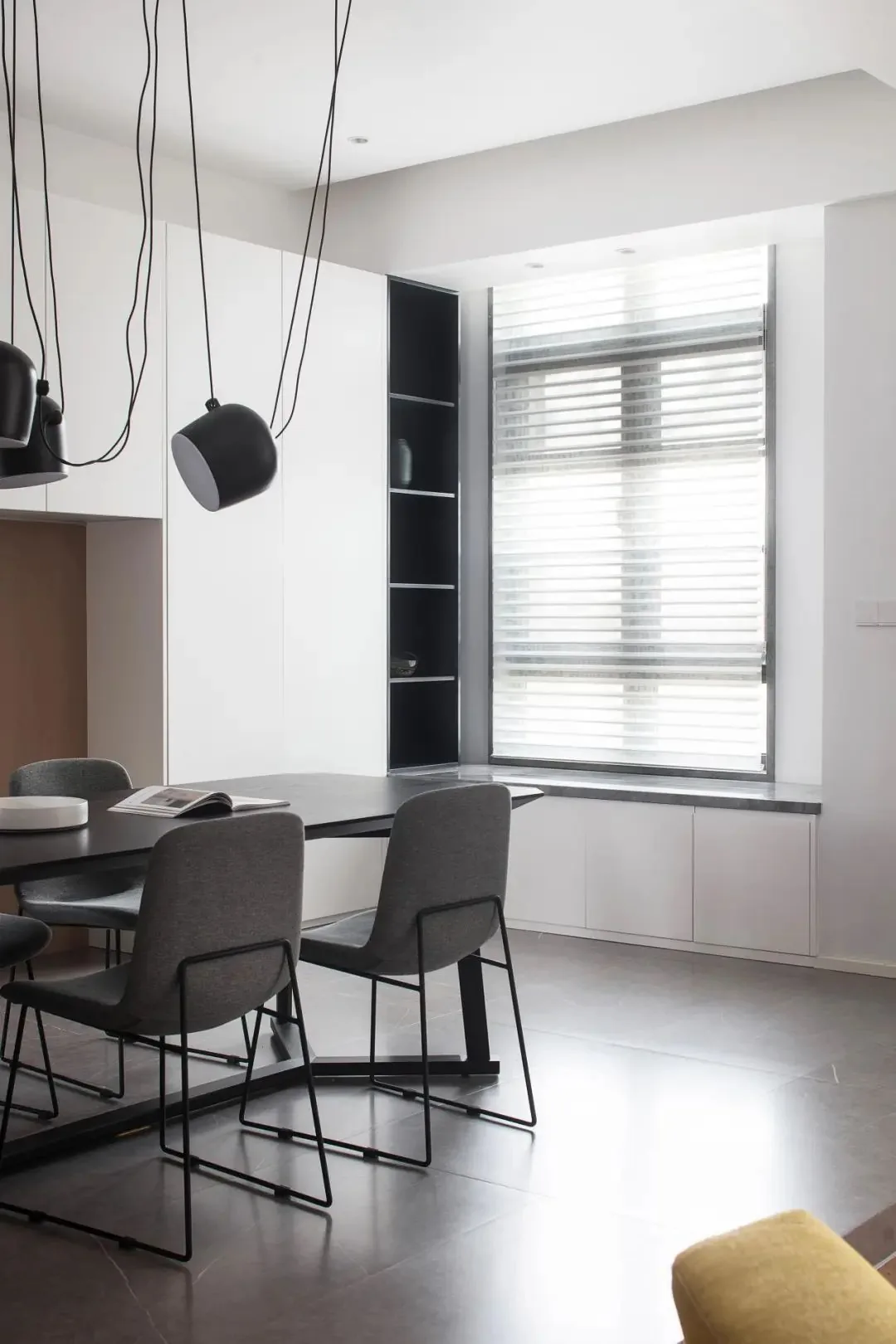
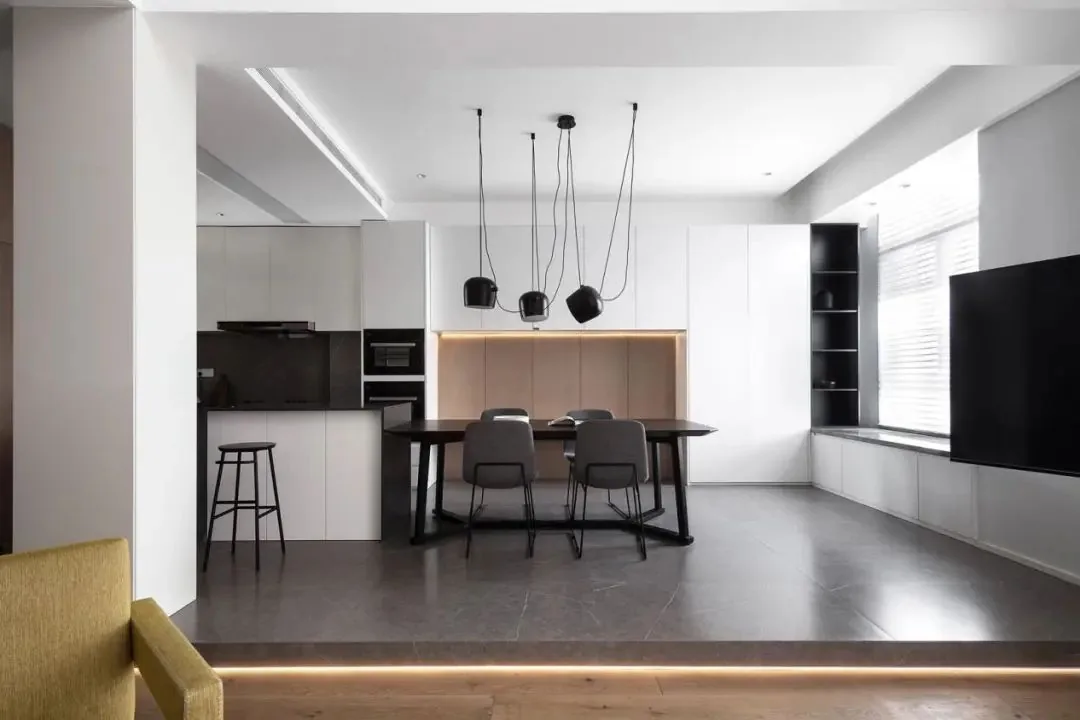
By employing a recombinant approach to connect adjacent zones, this second‑order composition seeks to transcend conventional boundaries, integrating everyday practices to foster more diverse spatial relationships and unleash new possibilities.
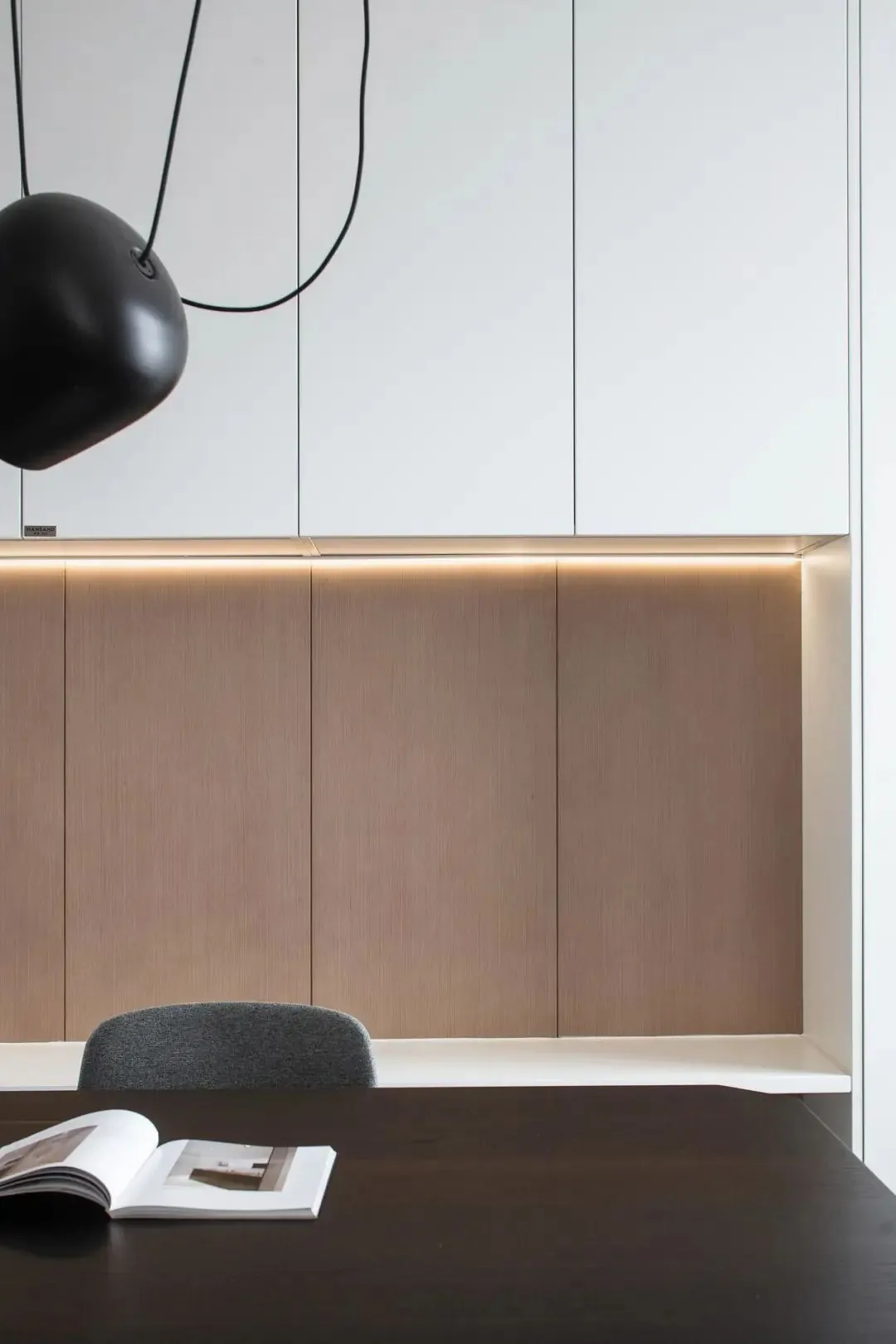
By integrating the inhabitants’ emotional experiences, the inquiry shifts to a contemplation of how space is perceived, then to a profound engagement with everyday life, gradually evolving into a reflective re‑examination of the spaces they inhabit. Finally, by weaving in the inner psychological landscape, it articulates the rhythms and patterns of ordinary existence.
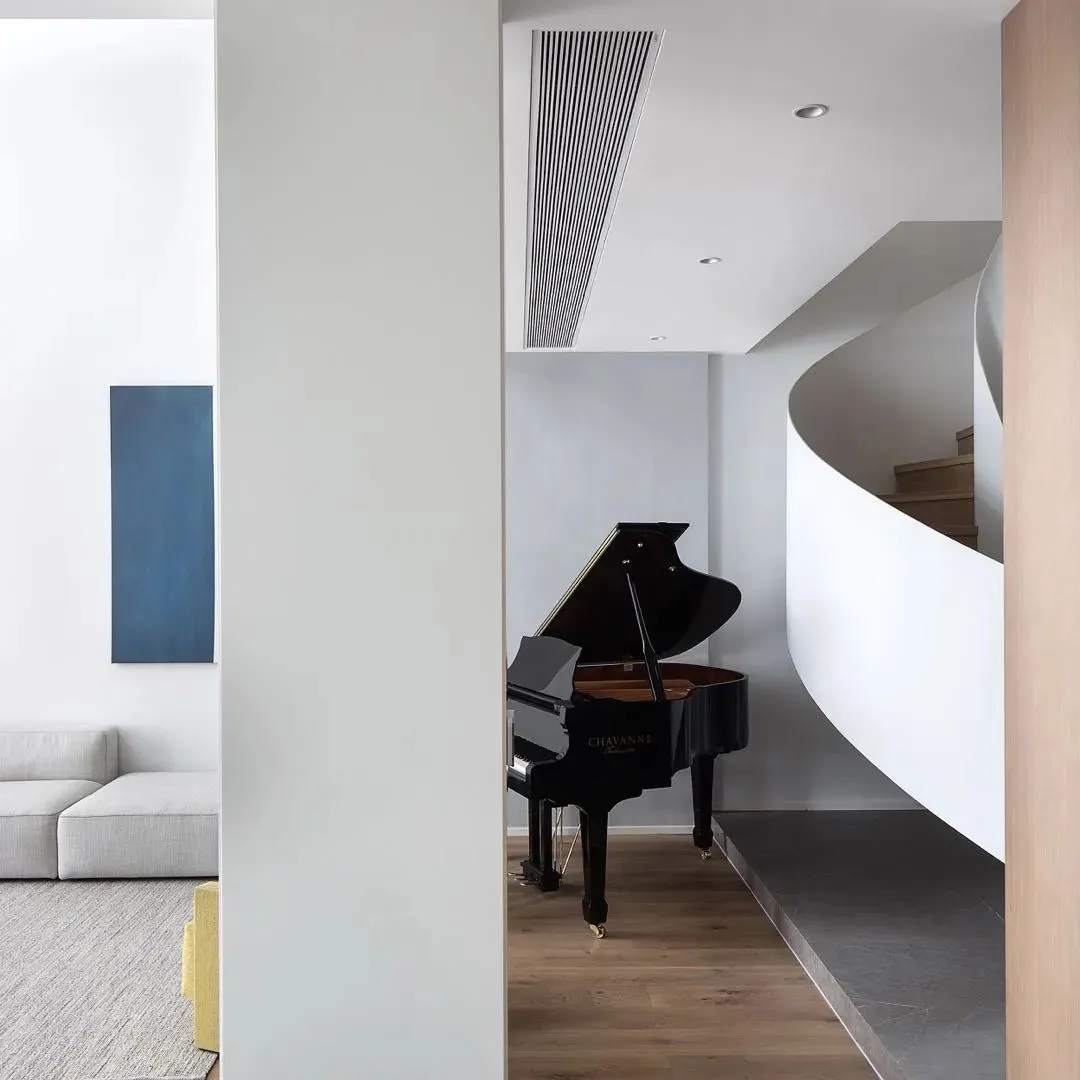
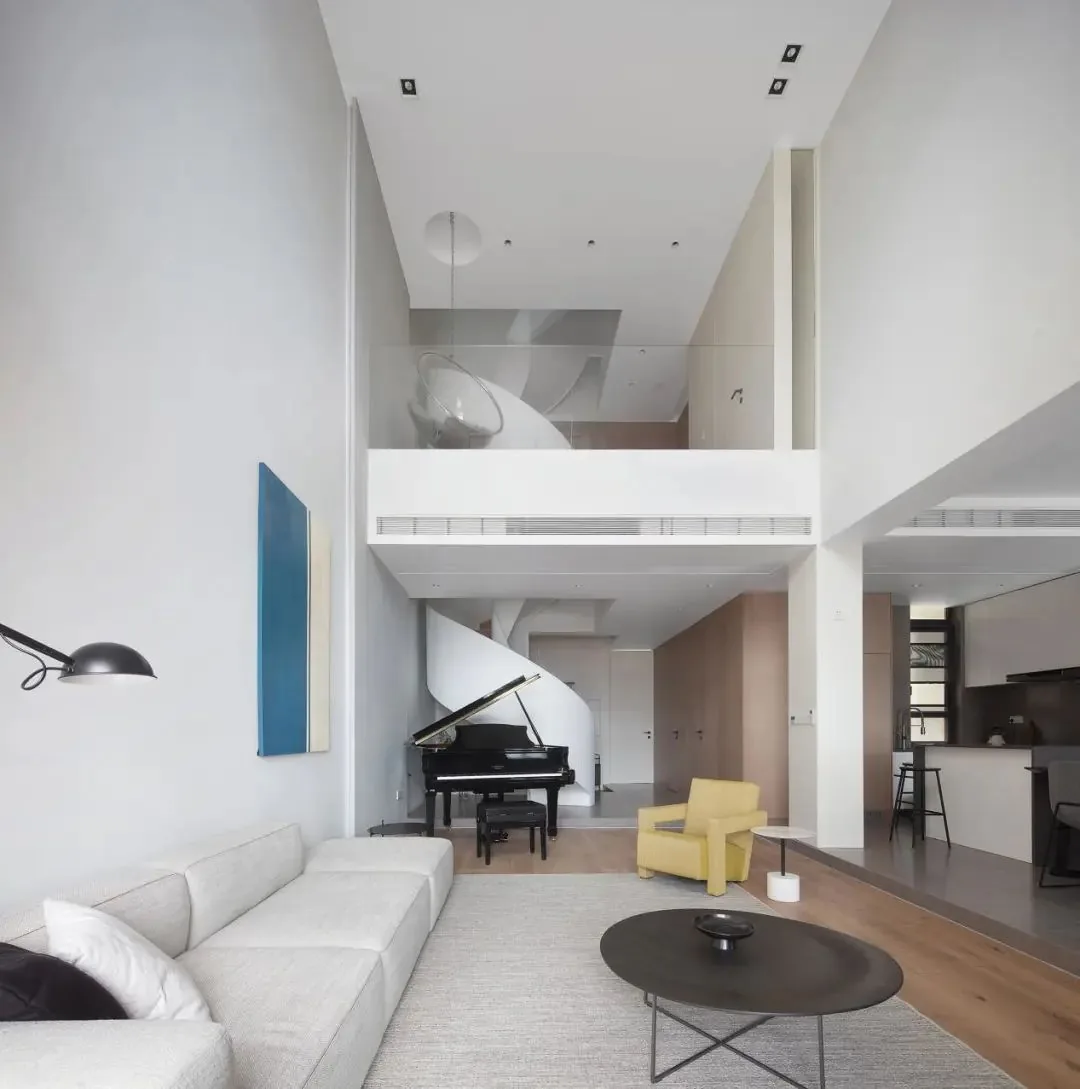
While preserving the functionality of each zone, we have refined the spatial layout to foster greater interaction between adjacent areas, thereby enhancing the subtle emotional shifts that everyday life brings to residents.
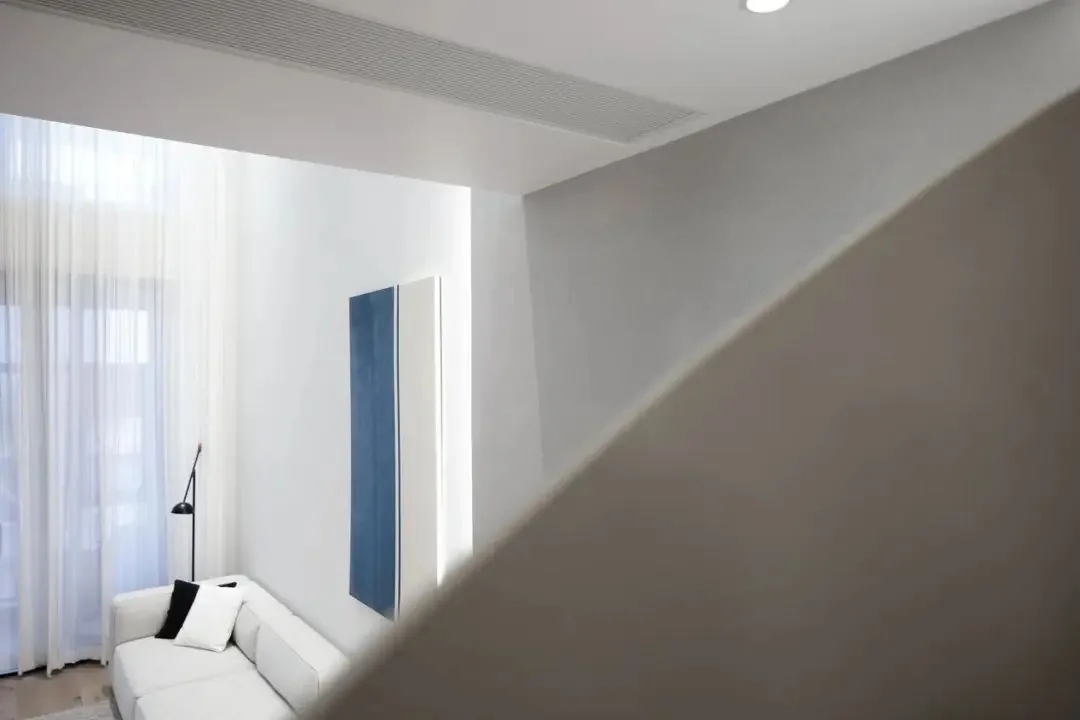
The spatial environment engages in a dynamic dialogue with its users. By reimagining the function of traditionally static zones, we can foster greater communication and interaction, while also enhancing the ways in which space enriches everyday life.
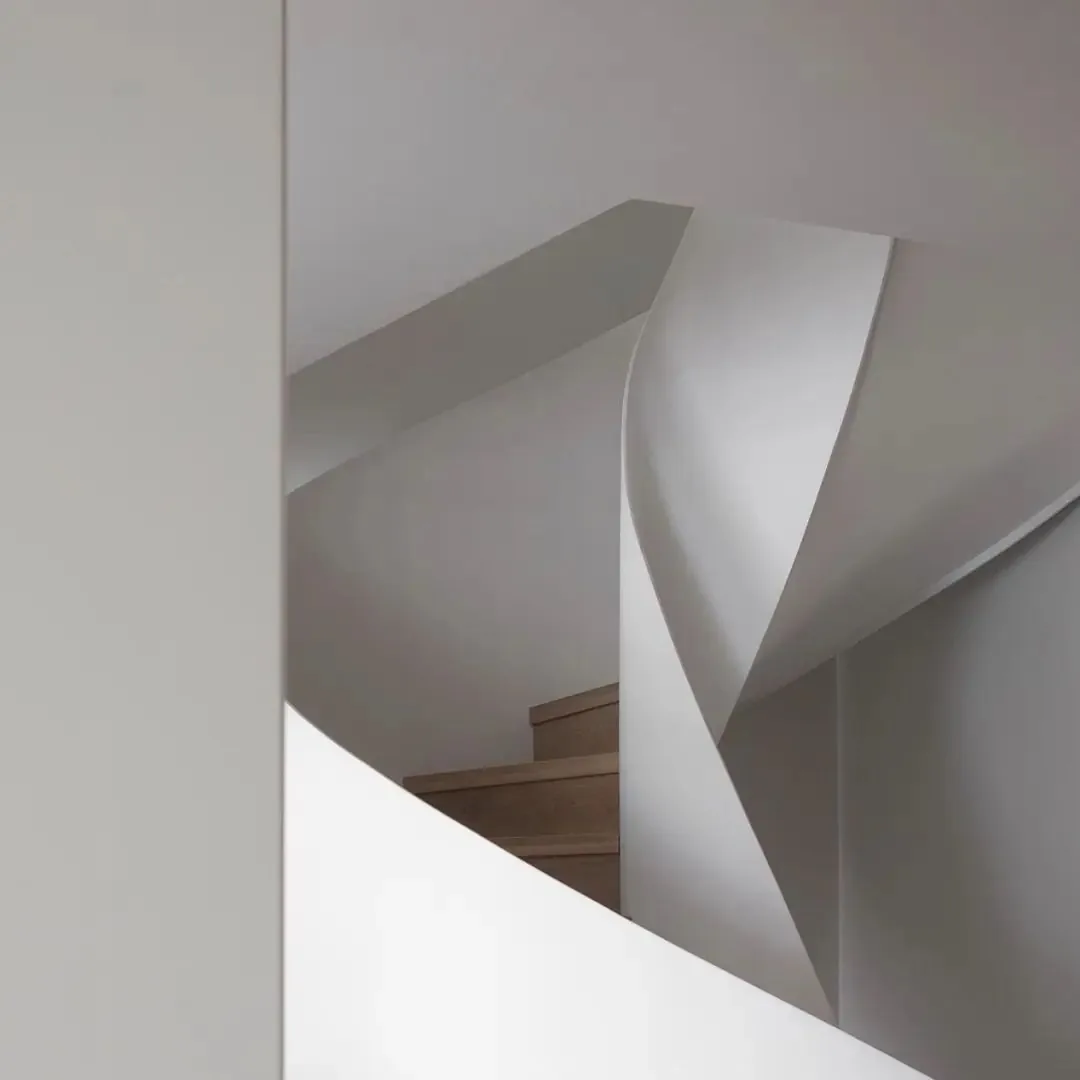
By employing negative space, the work articulates the everyday spatial relationships of daily life, capturing each unfolding scene along with its lingering visages and traces.
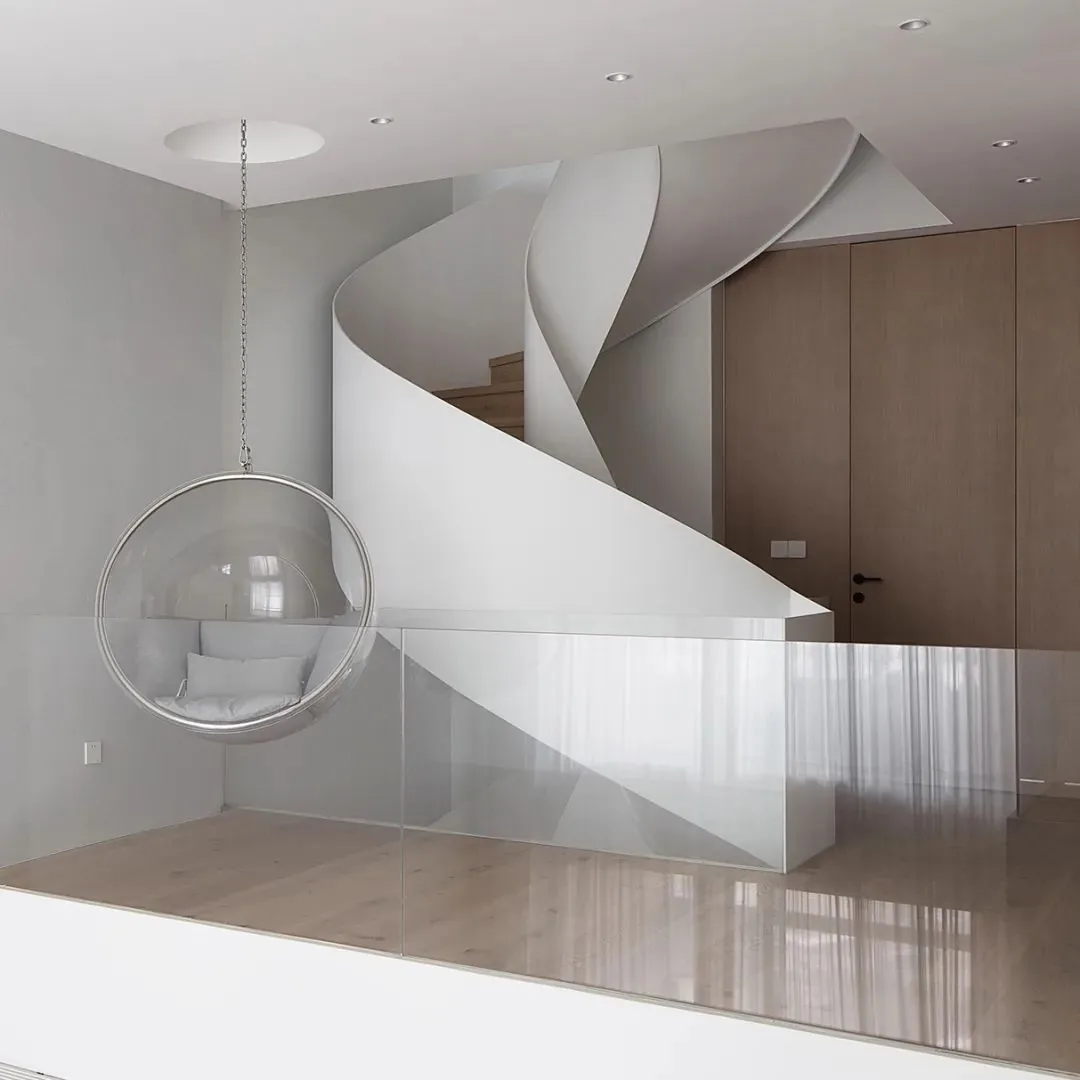
Opening up is a secondary extrapolation based on the closure of the interface, allowing for a more nuanced consideration of spatial thinking across multiple dimensions. It enables the work to speak for itself, restoring the inherent inclusiveness that its original form seeks to embody, while also inversely validating the space’s adaptability. Coupled with the constraints of functional requirements, this approach ensures a more thorough and coherent integration.
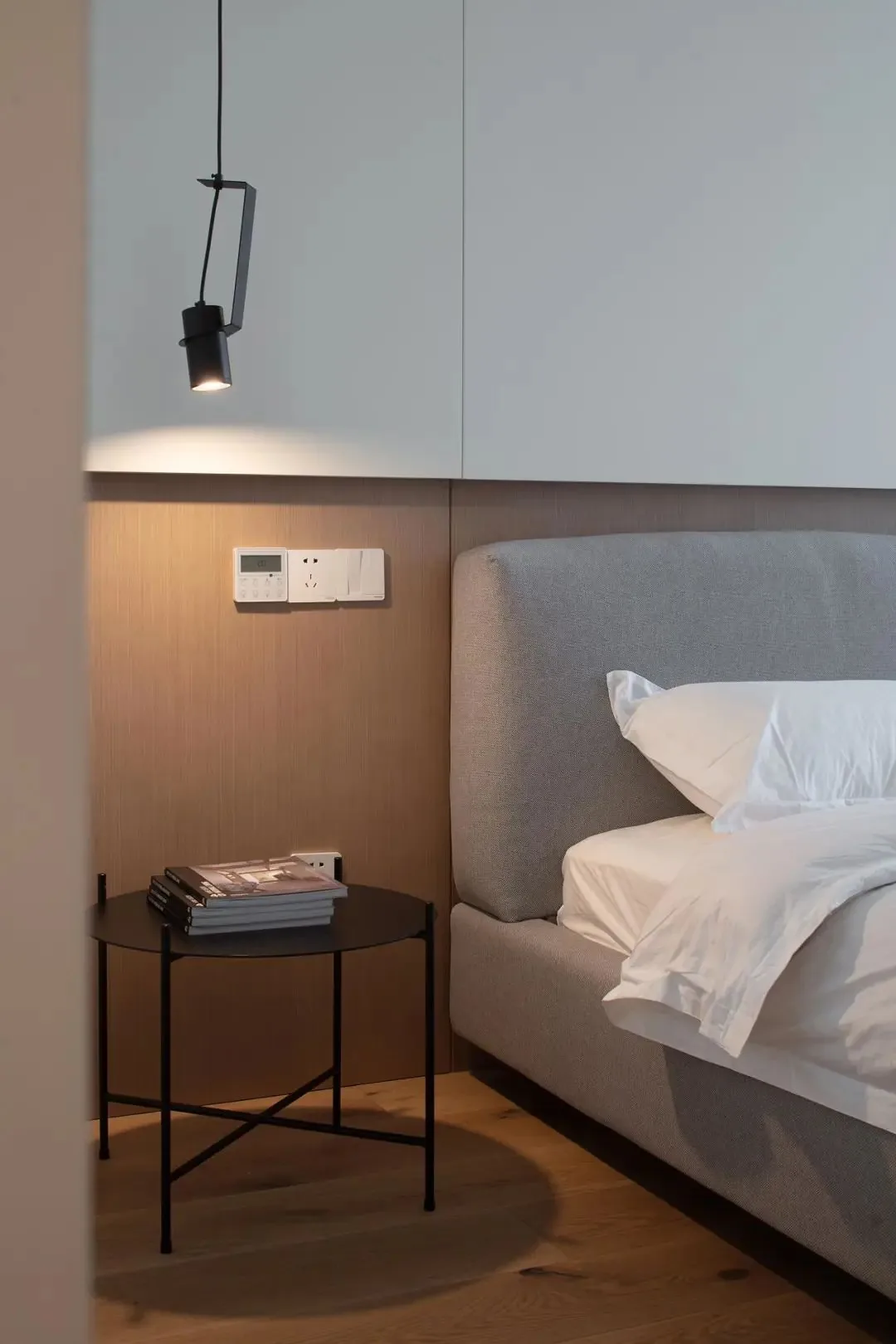
It seeks to reflect and articulate the everyday by embracing the multidimensional facets of space, reclaiming the emotional frameworks that define and shape our experiences. It endeavors to integrate and document the ordinary rhythms of lived life within space, bringing richer, feedback‑infused layers of meaning into the ongoing accumulation of daily existence.