4 Major Trending Sideboard Styles: Copy the Design Without Failing
Living Knowledge · 2026.06.18

4 Major Trending Sideboard Styles: Copy the Design Without Failing

4 Popular Sideboard Styles: Avoid Common Pitfalls When Renovating Whether your dining room looks inviting or not often hinges on the sideboard—after all, it sets half the tone! Today, we’ve rounded up four trending styles—minimalist, French, New Chinese, and Mid‑Century Modern—breaking down their key design features and ideal audiences. At BOSNIE Private Residence Customization, we offer end‑to‑end solutions that balance style with practicality. Minimalist Sideboards: Subtle Spacing and Negative Space Minimalism is a fail‑proof, versatile choice; its essence lies in...

4 Major Trending Sideboard Styles: Copy the Design Without Failing

Whether your home dining room looks great or not often hinges on the sideboard—after all, it sets half the tone! Today, we’ve curated four popular sideboard styles—minimalist, French, New Chinese, and Mid‑Century Modern—breaking down their design highlights and ideal fit for different lifestyles. At BOSNIE Private Residence Customization, we offer end‑to‑end solutions that seamlessly blend style with functionality.

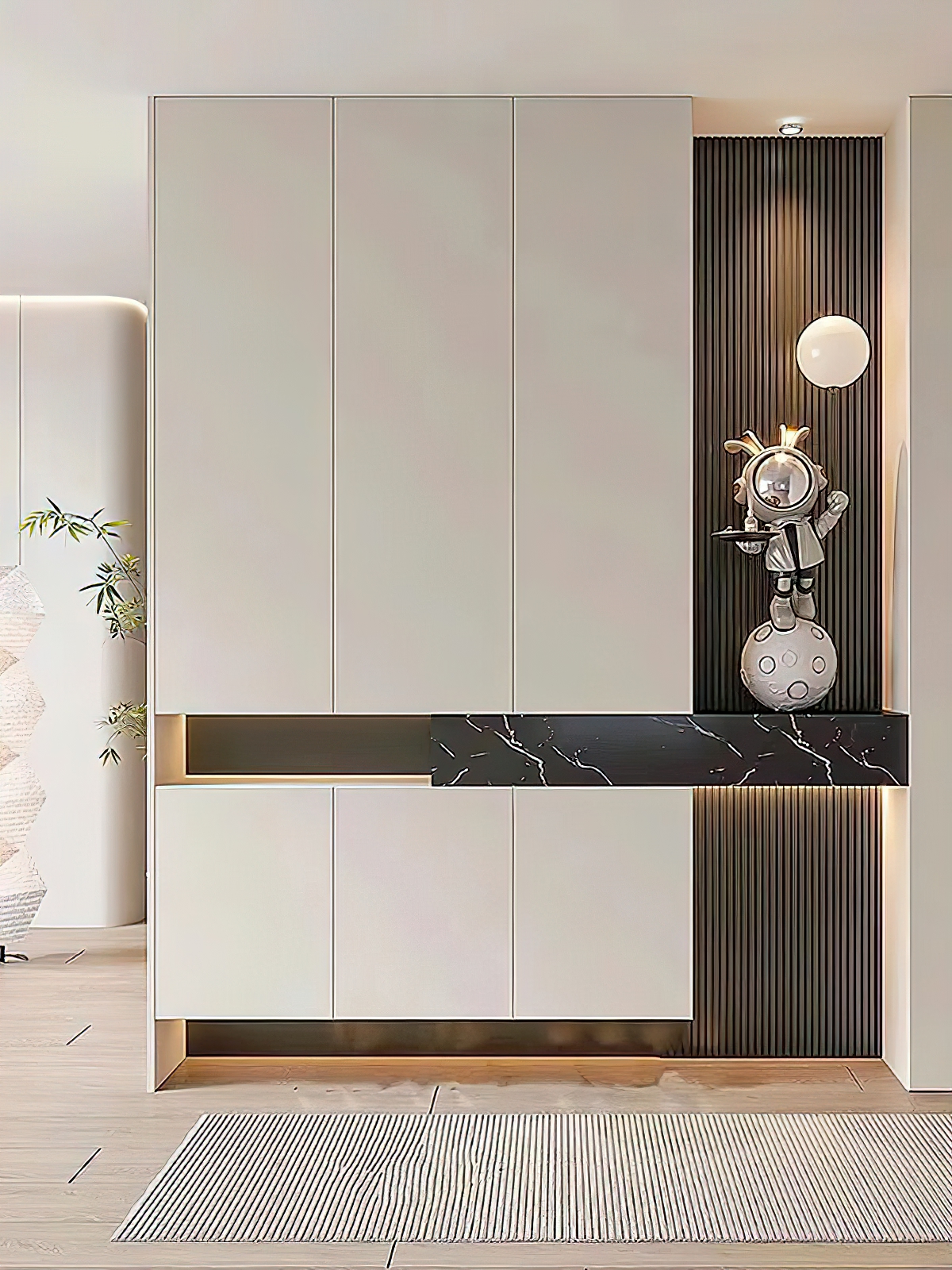
Minimalist sideboard, with restrained negative space.

Minimalist style is the go-to choice for effortless versatility. Its core essence lies in stripping away the superfluous to embrace simplicity, using clean, flat surfaces and soft lighting to create a sense of sophistication. It’s ideal for small apartments, for those who love a tidy, uncluttered aesthetic, and for families with children who want to avoid bumps and scrapes.

image1

French-style sideboard, soft and romantic

For homeowners who favor a gentle, atmospheric vibe, a French‑style sideboard can elevate the everyday dining experience to new heights, while its soft, flowing lines help soften any sense of coldness or rigidity in the space. It’s ideal for those with spacious open‑plan layouts, who appreciate vintage‑inspired, softly styled interiors, value the ritual of daily life, and enjoy thoughtfully curated decorative accents.

image2

New Chinese-style sideboard, understated and sophisticated.

Ditching the heavy, traditional Chinese carved‑wood aesthetic, this modernized New Chinese style strikes a balance between Eastern charm and contemporary living needs—sober, understated, and never oppressive. It’s perfect for discerning families who embrace a patriotic flair, enjoy tea, favor all‑wood interiors or New Chinese‑style hard finishes, and seek a refined, subtly sophisticated ambiance.

image3

Mid-century-style sideboard, warm and vintage-inspired.

In recent years, the mid‑century modern style has surged in popularity, using bold contrasts of deep and light hues to craft a vintage narrative. It’s an understated, one‑of‑a‑kind aesthetic that stands the test of time. Perfect for owners of spacious apartments who love retro‑inspired soft furnishings, seek a distinctive, high‑quality look, and want to balance practical storage with timeless, vintage charm.

image4

There’s no one style that’s inherently better than the others. If you want a clean, versatile look for small spaces, go for minimalist design; if you favor gentle romance and a sense of ceremony, choose French style; if you appreciate the understated elegance of Chinese aesthetics, opt for New Chinese style; and if you’re drawn to vintage, niche charm and spacious, open‑plan living, mid‑century modern is your pick.

Regardless of the style you choose, maintaining a cohesive color scheme across doors, walls, and cabinets, thoughtfully planning storage zones, and properly positioning electrical outlets and plumbing fixtures are the three key considerations. BOSNIE Private Residence Customization offers one‑on‑one dimension adjustments to suit your dining room’s layout, using ENF‑grade eco‑friendly panels throughout and laser edge‑sealing technology. From wall panels and sideboards to tall storage cabinets, everything is seamlessly integrated into a single, floor‑to‑ceiling unit—eliminating the need for separate cabinet components and ensuring a unified aesthetic that saves you time and hassle.
More Articles

More Posts
How should the internal structure of a custom wardrobe be designed to maximize usability? The zoning logic determines storage efficiency.
Living Knowledge · 2026.10.29

How should the internal structure of a custom wardrobe be designed to maximize usability? The zoning logic determines storage efficiency.

How should you design the internal structure of a custom wardrobe to make it truly functional? The zoning logic determines storage efficiency. The effectiveness of a custom wardrobe depends on whether its internal layout aligns with your household’s actual clothing inventory and your habits for putting things in and taking them out. The correct design sequence is: first, take stock of your clothes; second, determine the zones; and only then consider the overall style. This article provides a set of zoning principles and dimension guidelines that you can apply directly. 1. Inventory First, Design Later: A wardrobe is a reflection of your clothing collection...

How to coordinate color schemes for whole-house customization? The 60-30-10 rule and four space-specific strategies.
Living Knowledge · 2026.10.29

How to coordinate color schemes for whole-house customization? The 60-30-10 rule and four space-specific strategies.

How do you coordinate colors for whole‑house customization? The 60–30–10 rule and four space‑specific strategies. The most common reason why color schemes in whole‑house customization fall flat isn’t that the colors themselves are unattractive, but rather that there are too many colors, the proportions are out of balance, or the materials and colors aren’t well integrated. Master one fundamental principle—the 60–30–10 ratio—and then choose a strategy based on the specific spatial conditions, and you’ll be able to make color choices you won’t regret. I. The 60–30–10 Rule: Let each color...

A Guide to Avoiding Pitfalls in Whole-House Customization: 6 Things You Must Confirm Before Signing the Contract
Living Knowledge · 2026.10.29

A Guide to Avoiding Pitfalls in Whole-House Customization: 6 Things You Must Confirm Before Signing the Contract

1. Board Material Environmental Safety: Rely on Test Reports, Not Verbal Promises It’s common for sellers to tout “environmentally friendly boards” without providing any official test reports. The formaldehyde emission limit for E1‑grade boards is ≤0.124 mg/m³; some retailers use this as a claim of eco‑friendliness, but it falls short for households with elderly residents or young children. A more reliable choice would be ENF‑grade (≤0.025 mg/m³) or E0‑grade (≤0.05 mg/m³), ...

BOOK A CONSULTATION

Want to Apply These Ideas to Your Own Home?

It can explain the apartment area, decoration stage and preferred style. The BOSNIE team will combine the home encyclopedia, real cases and product systems to provide one-to-one custom suggestions for the entire home.