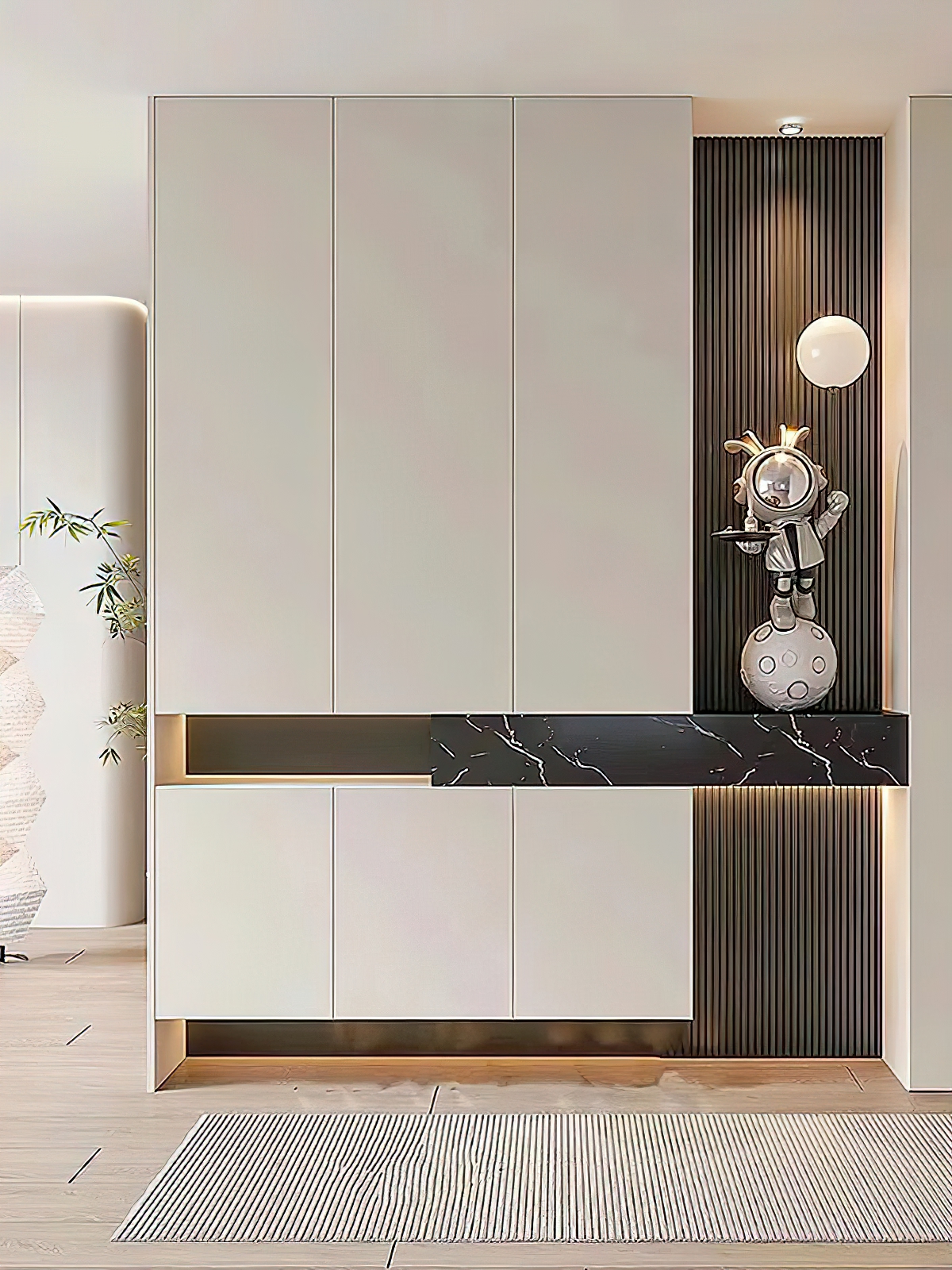
Why do busier people tend to prefer the modern minimalist style?
Living Knowledge · 2026.08.24

Why do busier people tend to prefer the modern minimalist style?

Why do the busiest people tend to favor the modern minimalist style? The popularity of modern minimalism isn’t just because it “looks upscale”—it’s because today’s generation is truly exhausted. After a day of wading through an endless stream of information, who wants to come home to a clutter of complicated lines and scattered odds and ends? In BOSNIE’s view, modern minimalism has never been a mere “style label”; it’s a way of life—leaving complexity to the world...

Why do busier people tend to prefer the modern minimalist style?

The modern minimalist trend is gaining momentum—not because it “looks upscale,” but because today’s people are truly exhausted. By day, they charge through an overwhelming flood of information; by night, who wants to face a jumble of intricate lines and clutter that has nowhere to go? In BOSNIE’s view, modern minimalism is never just a “style label”—it’s a way of life: leave complexity to the world, and give simplicity back to yourself.

After all, who is your living room really for?

When designing, BOSNIE first helps you clarify one key question: What kind of lifestyle is this space meant to support? Perhaps tonight you’ll want to flop on the floor and binge‑watch a series; tomorrow, your child will spread out drawing paper and let their imagination run wild; and on weekends, friends might gather on the floor for tea and conversation. In the same space, different moments can take on entirely different forms. The minimalist philosophy is all about making room for these possibilities—rather than confining life within a rigid, pre‑set arrangement.
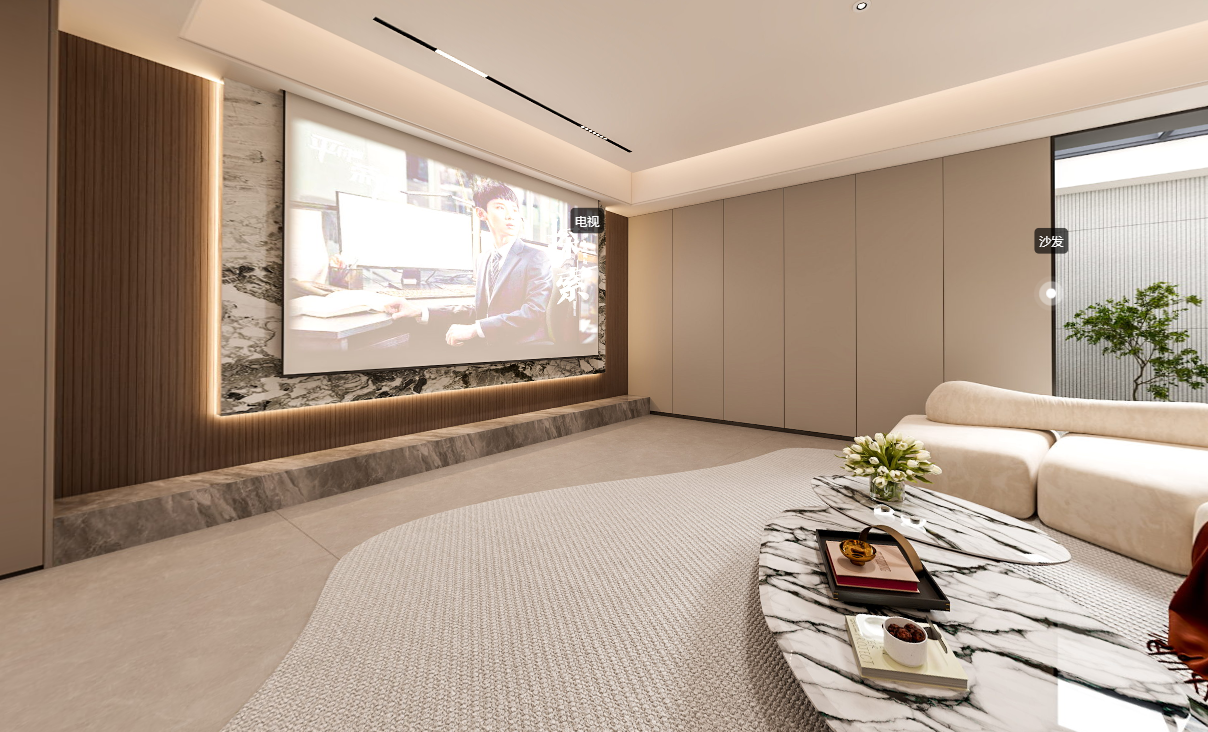
image1

Parents all know: keeping things hidden is more important than showing them off.

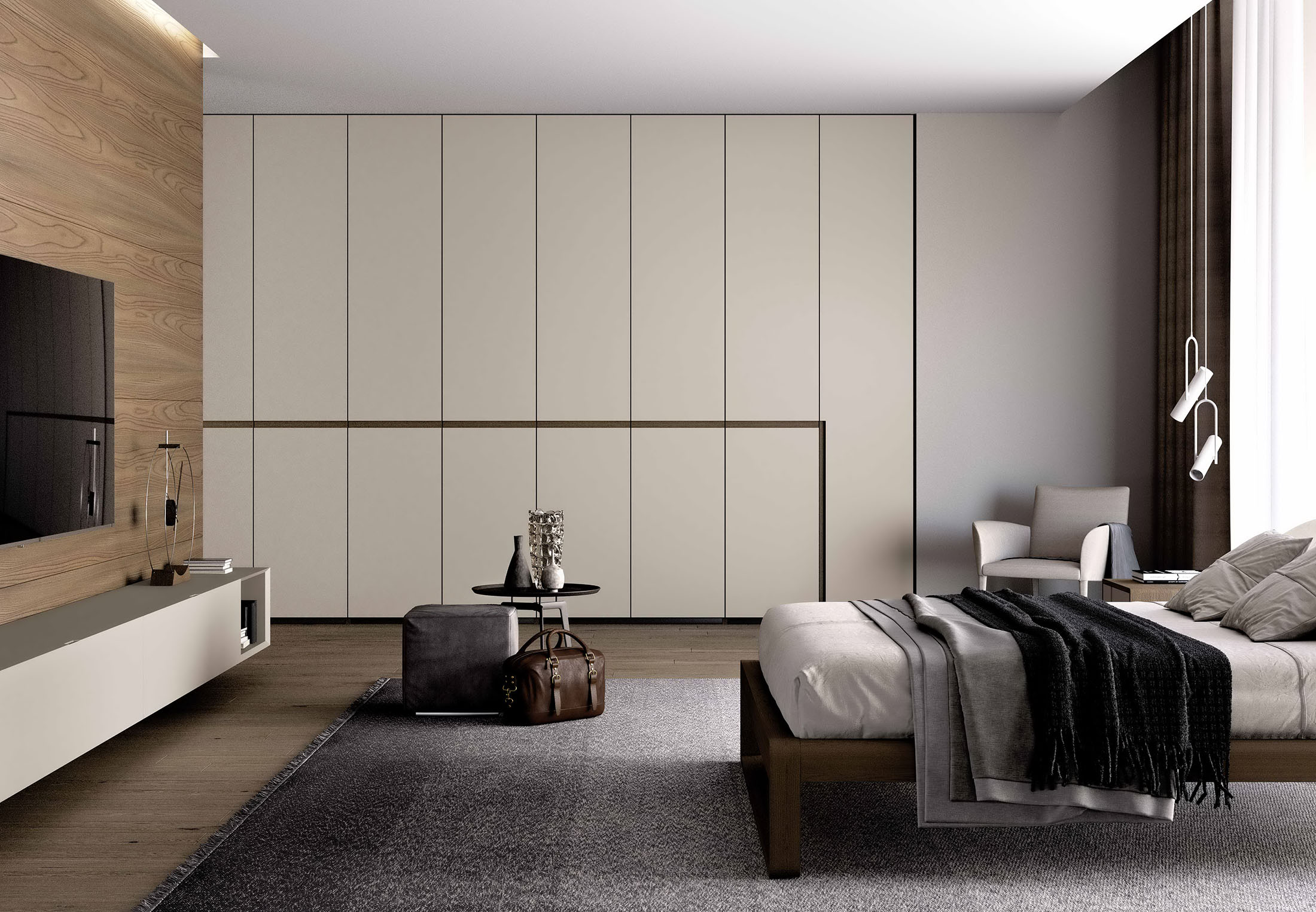
Only those who truly live their daily lives understand that the real challenge of minimalism isn’t buying less—it’s learning to keep things out of sight. At BOSNIE, our custom designs adhere to the “80/20 rule”: 80% of storage is concealed behind closed doors, tucking away toys, tissues, and everyday odds and ends; the remaining 20% consists of open shelves, reserved for the few cherished items that truly capture your heart. As one homeowner put it, “Before, I’d spend every day tidying until I was exhausted. Now, with the doors shut, ‘out of sight, out of mind’ isn’t avoidance—it’s the confidence that comes from a well‑thought‑out, tailor‑made solution.”

Touch understands relaxation better than sight.

The sophisticated elegance of modern minimalism lies not in flashy displays of technique, but in the details. BOSNIE pairs PET‑textured door panels with a handle‑free design, so a fingertip’s touch feels as soft as a baby’s skin; warm wood veneers flow seamlessly from the living room into the bedroom, requiring no superfluous ornamentation—let the materials speak for themselves. After a busy day, turning on the light, setting down your keys, and opening a cabinet to grab your pajamas—the tactile sensations woven into these everyday gestures are the home’s gentle, tender response to you.
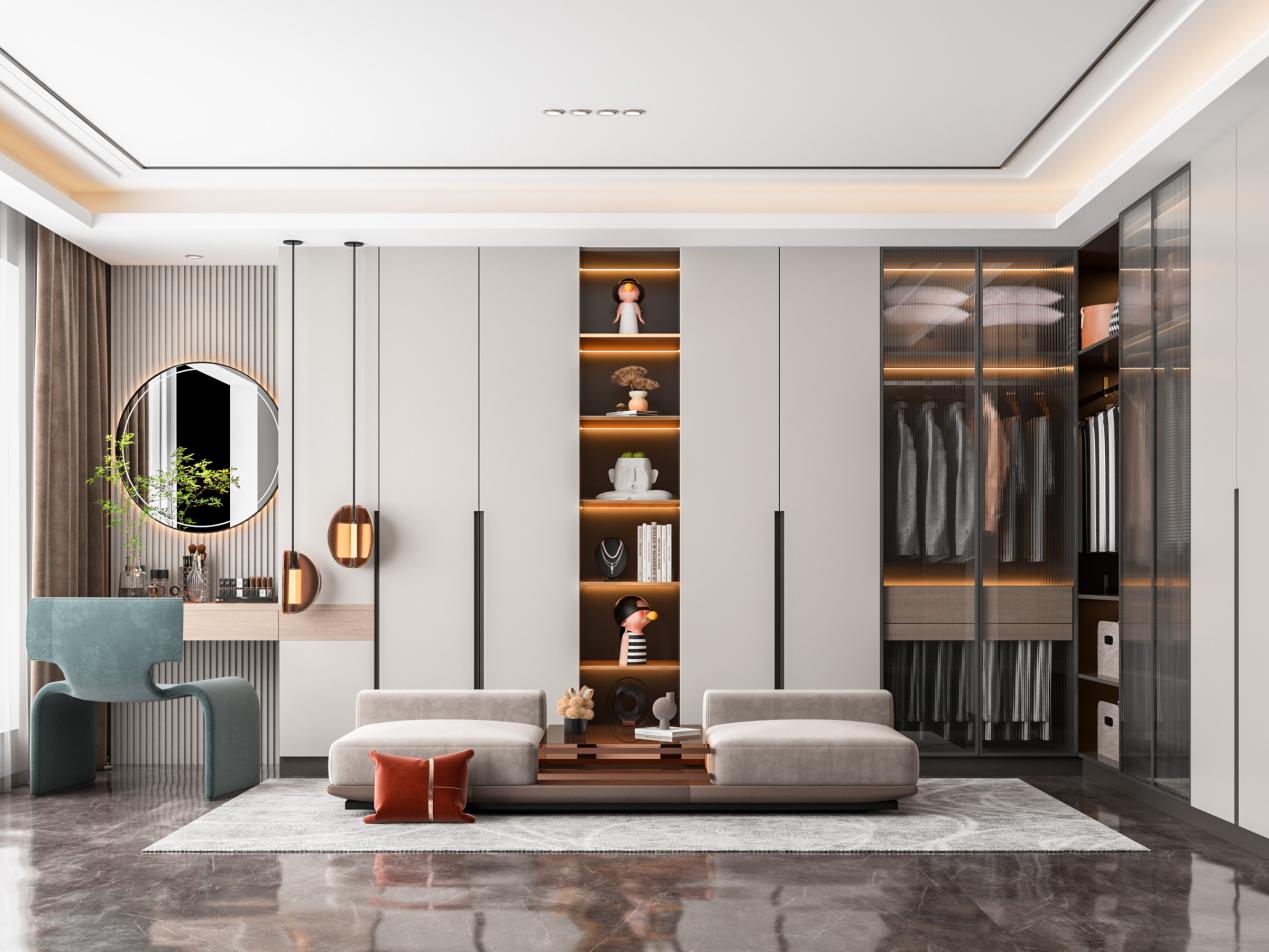
image2

Simple, but not compromising.

Some people think minimalist design means “nothing at all,” but the truth is quite the opposite. It’s about giving every item its rightful place and ensuring that every space serves the realities of daily life. At BOSNIE Whole‑House Customization, we don’t aim to replicate the latest social‑media‑star home; instead, we start right at your entryway, kitchen, and bedroom, carefully mapping out your everyday flow, then tucking away storage, materials, and lighting into those unseen, behind‑the‑scenes spaces.

Your home is, in the end, a reflection of how you live. If you, too, aspire to a life that’s well-appointed yet effortlessly tidy, then modern minimalism may just be the answer BOSNIE has crafted for you: a dream‑realized home—simple, but never settling for less.
More Articles

More Posts
How should the internal structure of a custom wardrobe be designed to maximize usability? The zoning logic determines storage efficiency.
Living Knowledge · 2026.10.29

How should the internal structure of a custom wardrobe be designed to maximize usability? The zoning logic determines storage efficiency.

How should you design the internal structure of a custom wardrobe to make it truly functional? The zoning logic determines storage efficiency. The effectiveness of a custom wardrobe depends on whether its internal layout aligns with your household’s actual clothing inventory and your habits for putting things in and taking them out. The correct design sequence is: first, take stock of your clothes; second, determine the zones; and only then consider the overall style. This article provides a set of zoning principles and dimension guidelines that you can apply directly. 1. Inventory First, Design Later: A wardrobe is a reflection of your clothing collection...

How to coordinate color schemes for whole-house customization? The 60-30-10 rule and four space-specific strategies.
Living Knowledge · 2026.10.29

How to coordinate color schemes for whole-house customization? The 60-30-10 rule and four space-specific strategies.

How do you coordinate colors for whole‑house customization? The 60–30–10 rule and four space‑specific strategies. The most common reason why color schemes in whole‑house customization fall flat isn’t that the colors themselves are unattractive, but rather that there are too many colors, the proportions are out of balance, or the materials and colors aren’t well integrated. Master one fundamental principle—the 60–30–10 ratio—and then choose a strategy based on the specific spatial conditions, and you’ll be able to make color choices you won’t regret. I. The 60–30–10 Rule: Let each color...

A Guide to Avoiding Pitfalls in Whole-House Customization: 6 Things You Must Confirm Before Signing the Contract
Living Knowledge · 2026.10.29

A Guide to Avoiding Pitfalls in Whole-House Customization: 6 Things You Must Confirm Before Signing the Contract

1. Board Material Environmental Safety: Rely on Test Reports, Not Verbal Promises It’s common for sellers to tout “environmentally friendly boards” without providing any official test reports. The formaldehyde emission limit for E1‑grade boards is ≤0.124 mg/m³; some retailers use this as a claim of eco‑friendliness, but it falls short for households with elderly residents or young children. A more reliable choice would be ENF‑grade (≤0.025 mg/m³) or E0‑grade (≤0.05 mg/m³), ...

BOOK A CONSULTATION

Want to Apply These Ideas to Your Own Home?

It can explain the apartment area, decoration stage and preferred style. The BOSNIE team will combine the home encyclopedia, real cases and product systems to provide one-to-one custom suggestions for the entire home.