Whole-House Design Case Study | New Chinese-Style Wardrobes: Eastern Poetic Elegance, Within Reach
Living Knowledge · 2025.10.13

Whole-House Design Case Study | New Chinese-Style Wardrobes: Eastern Poetic Elegance, Within Reach

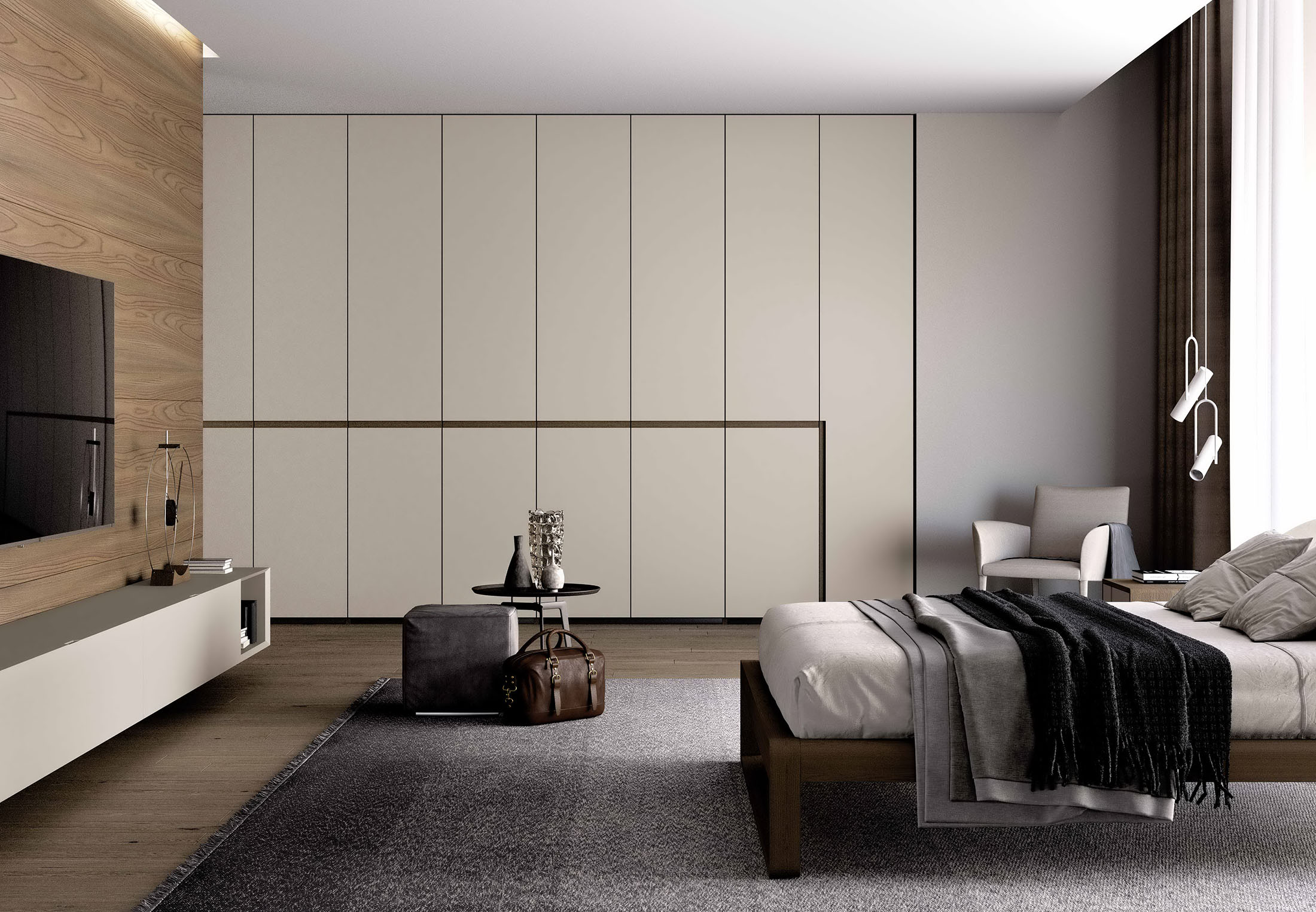
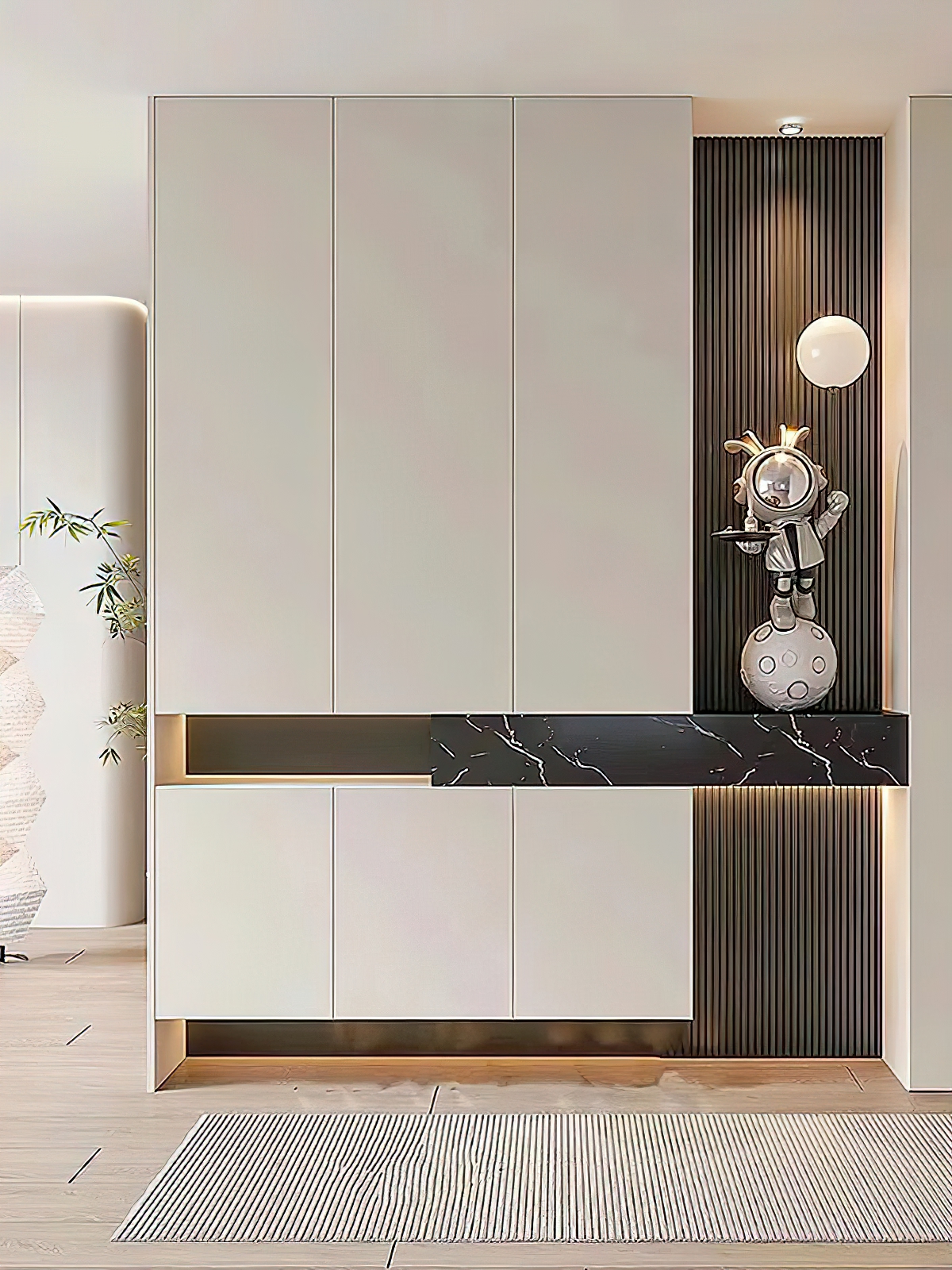
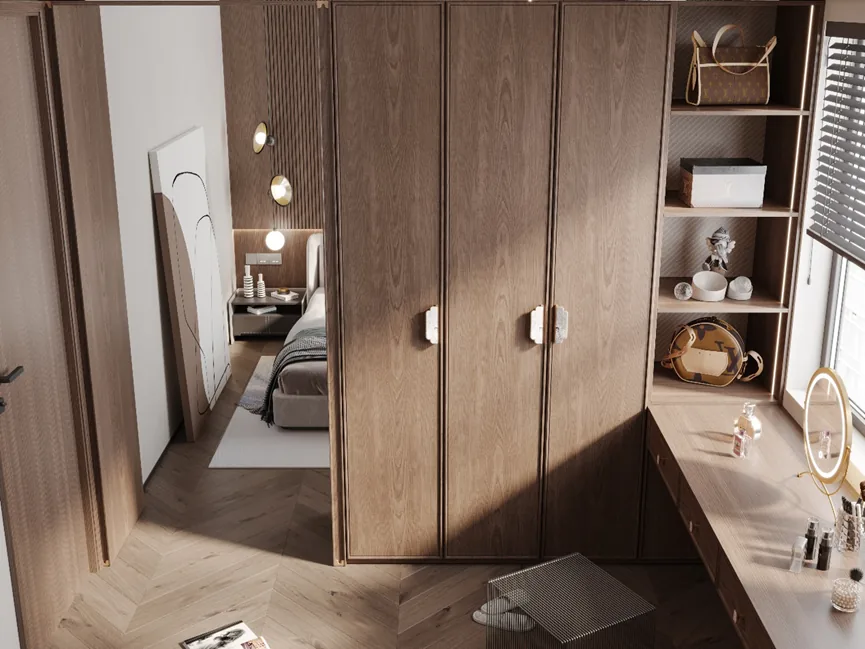
New Chinese-style wardrobes go far beyond mere aesthetics. They translate the Eastern ideals of tranquility and serenity into tangible, everyday experiences—arriving home late from work, opening the bedroom door to that soothing, subdued hue, and feeling the day’s restlessness gradually settle; tidying clothes on a weekend, running your hands over warm, smooth wood as you fold garments, and sensing time itself slow by half a beat. These wardrobes transform the bedroom from a simple sleeping space into a sanctuary—and elevate refined elegance from a display in a showroom window to a gentle, daily reality. A new Chinese-style wardrobe is not merely a piece of furniture for storing clothes; it is a quiet, poetic presence nestled within your bedroom…

New Chinese-style wardrobes go far beyond mere aesthetics. They transform the Eastern ideals of “tranquility” and “serenity” into tangible, everyday experiences—arriving home late from work to find that deep, calming hue greeting you at the door, allowing the day’s restlessness to gently settle; tidying your wardrobe on weekends, running your hands over warm, smooth wood as you fold clothes, making time itself seem to slow by half a beat. These wardrobes elevate the bedroom beyond a place for sleep alone; they bring refined elegance out of display cases and into daily life—gentle, accessible, and ever-present. A New Chinese-style wardrobe is more than storage—it is “poetic living” quietly nestled within the bedroom, offering residents a constant, grounding touchpoint with the healing power of Eastern aesthetics amid life’s quiet rhythms of dawn and dusk.

、

More Articles

More Posts
How should the internal structure of a custom wardrobe be designed to maximize usability? The zoning logic determines storage efficiency.
Living Knowledge · 2026.10.29

How should the internal structure of a custom wardrobe be designed to maximize usability? The zoning logic determines storage efficiency.

How should you design the internal structure of a custom wardrobe to make it truly functional? The zoning logic determines storage efficiency. The effectiveness of a custom wardrobe depends on whether its internal layout aligns with your household’s actual clothing inventory and your habits for putting things in and taking them out. The correct design sequence is: first, take stock of your clothes; second, determine the zones; and only then consider the overall style. This article provides a set of zoning principles and dimension guidelines that you can apply directly. 1. Inventory First, Design Later: A wardrobe is a reflection of your clothing collection...

How to coordinate color schemes for whole-house customization? The 60-30-10 rule and four space-specific strategies.
Living Knowledge · 2026.10.29

How to coordinate color schemes for whole-house customization? The 60-30-10 rule and four space-specific strategies.

How do you coordinate colors for whole‑house customization? The 60–30–10 rule and four space‑specific strategies. The most common reason why color schemes in whole‑house customization fall flat isn’t that the colors themselves are unattractive, but rather that there are too many colors, the proportions are out of balance, or the materials and colors aren’t well integrated. Master one fundamental principle—the 60–30–10 ratio—and then choose a strategy based on the specific spatial conditions, and you’ll be able to make color choices you won’t regret. I. The 60–30–10 Rule: Let each color...

A Guide to Avoiding Pitfalls in Whole-House Customization: 6 Things You Must Confirm Before Signing the Contract
Living Knowledge · 2026.10.29

A Guide to Avoiding Pitfalls in Whole-House Customization: 6 Things You Must Confirm Before Signing the Contract

1. Board Material Environmental Safety: Rely on Test Reports, Not Verbal Promises It’s common for sellers to tout “environmentally friendly boards” without providing any official test reports. The formaldehyde emission limit for E1‑grade boards is ≤0.124 mg/m³; some retailers use this as a claim of eco‑friendliness, but it falls short for households with elderly residents or young children. A more reliable choice would be ENF‑grade (≤0.025 mg/m³) or E0‑grade (≤0.05 mg/m³), ...

BOOK A CONSULTATION

Want to Apply These Ideas to Your Own Home?

It can explain the apartment area, decoration stage and preferred style. The BOSNIE team will combine the home encyclopedia, real cases and product systems to provide one-to-one custom suggestions for the entire home.