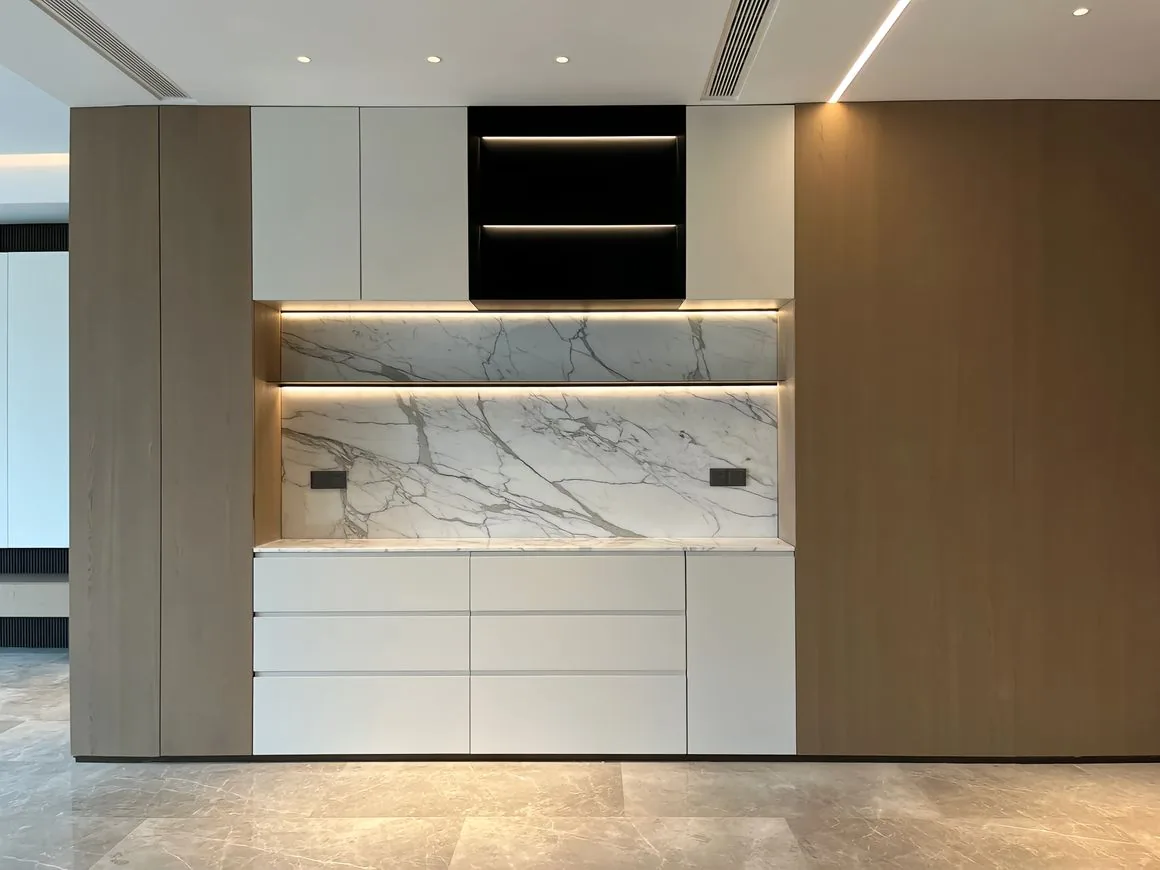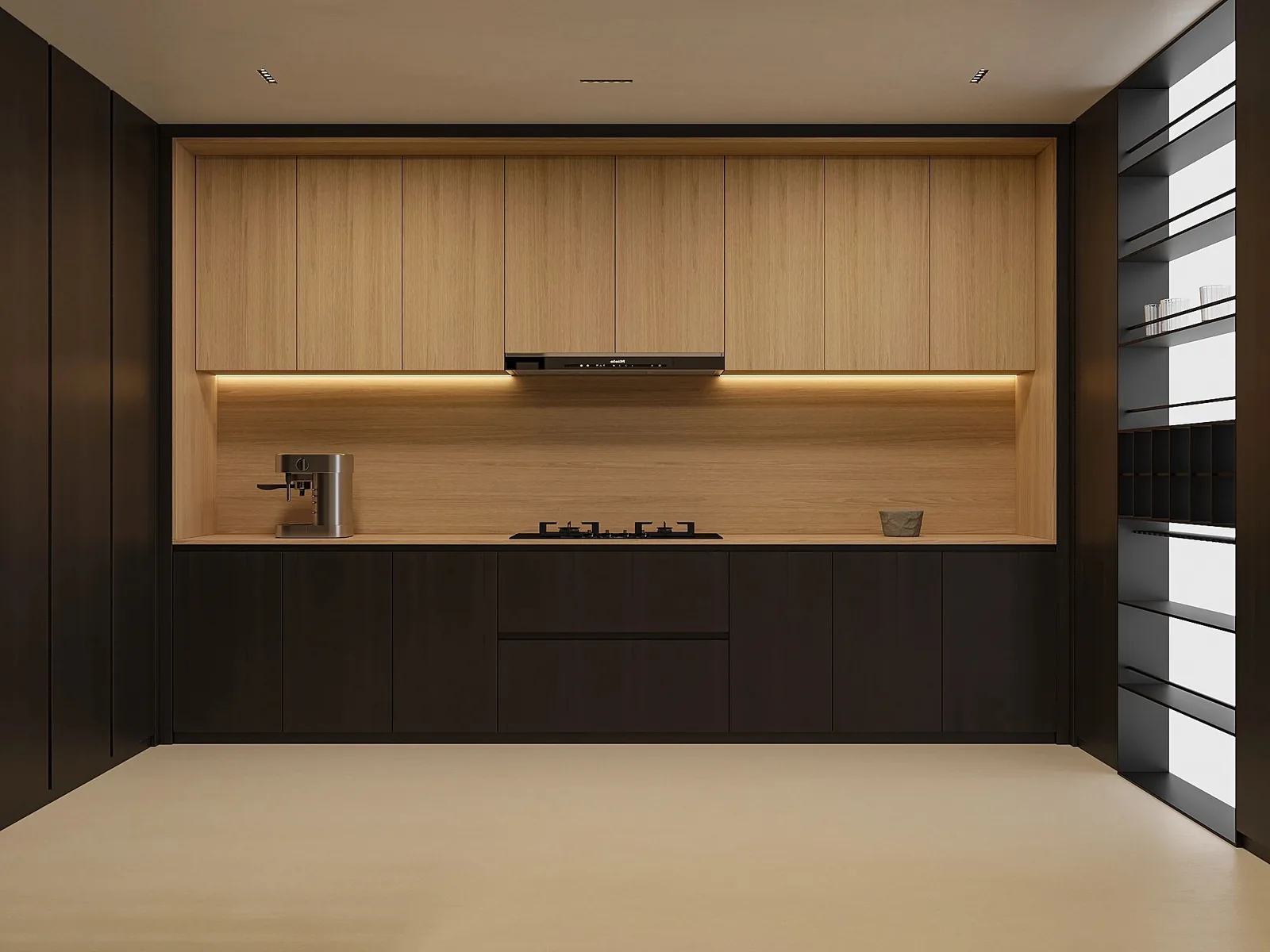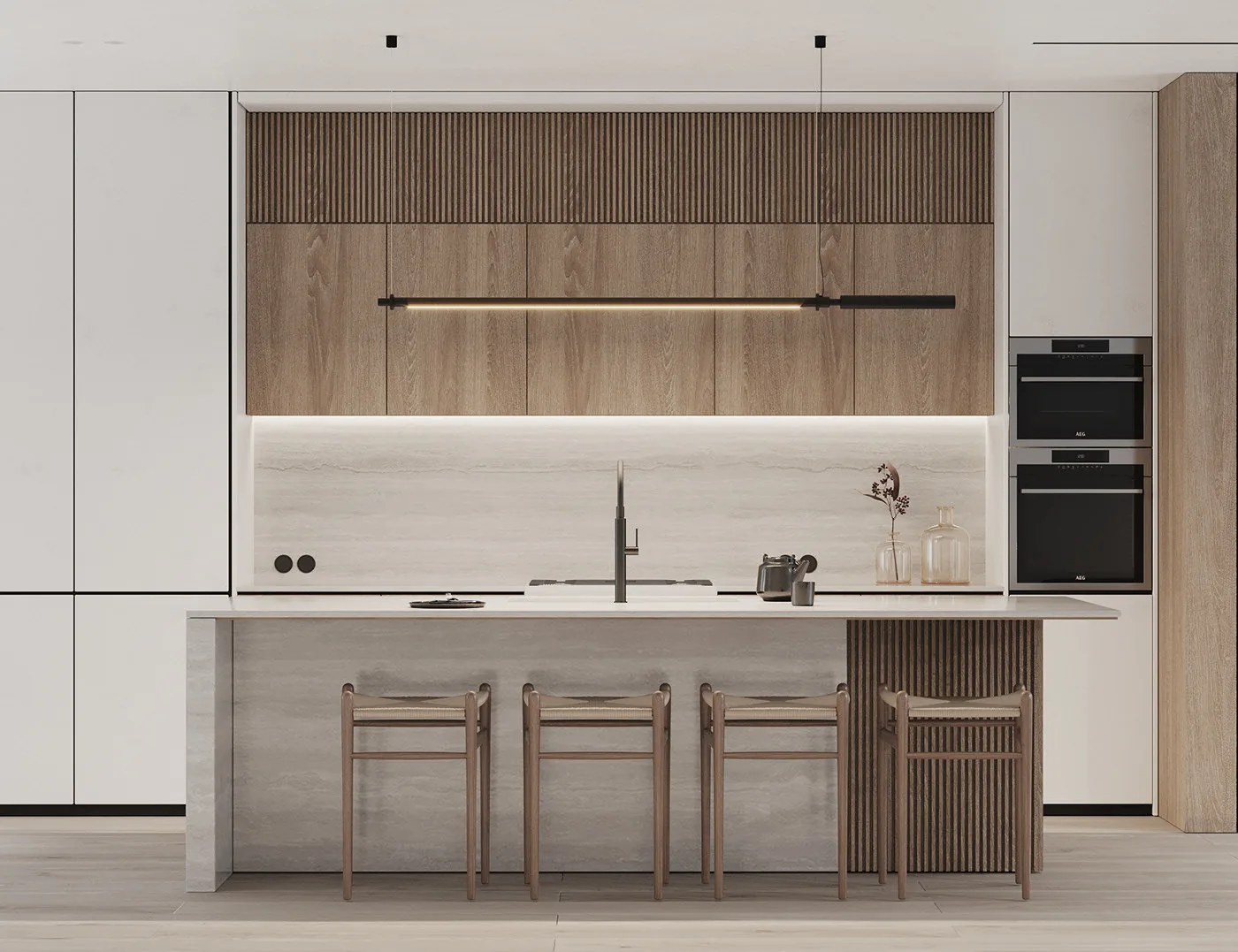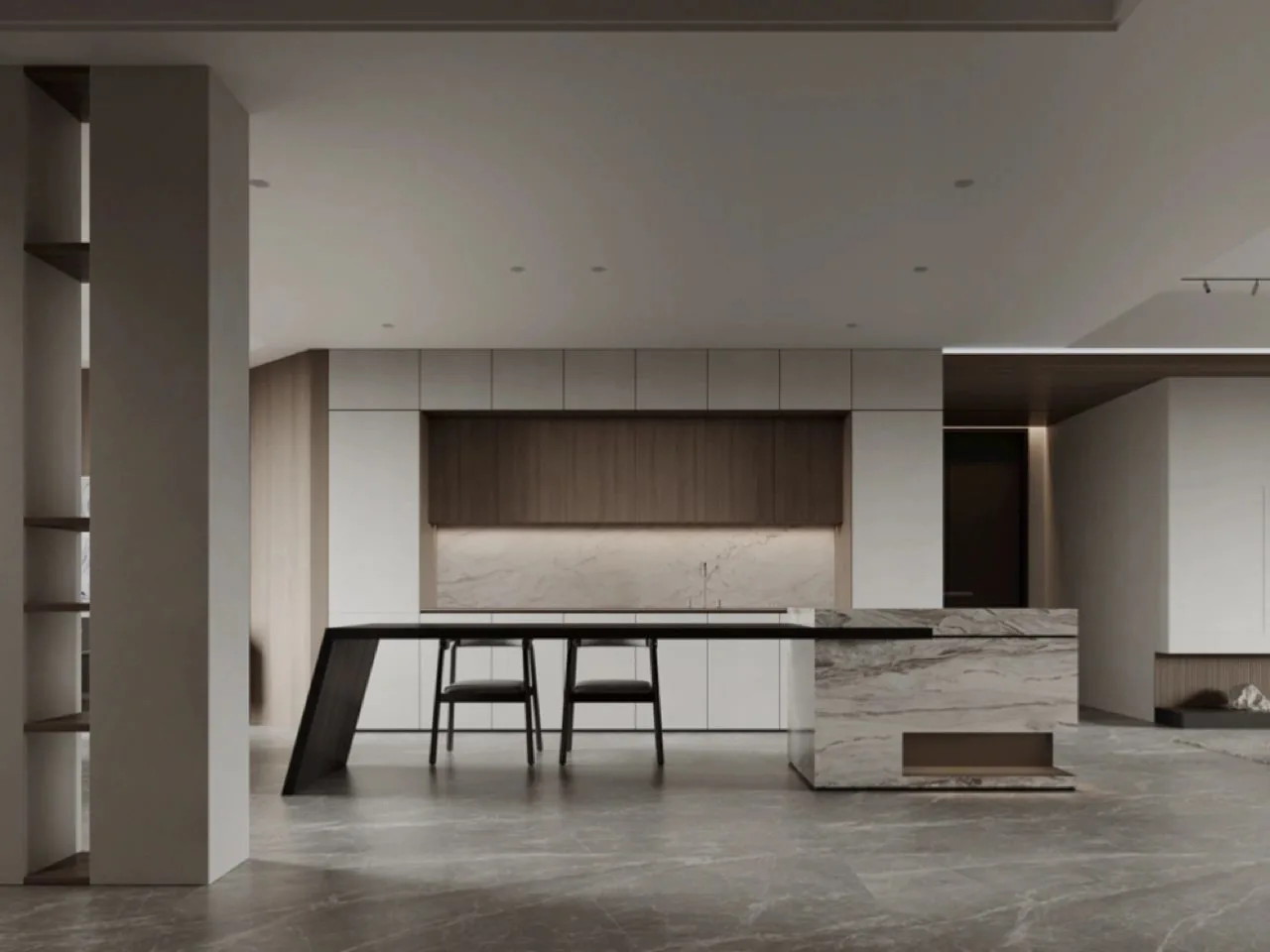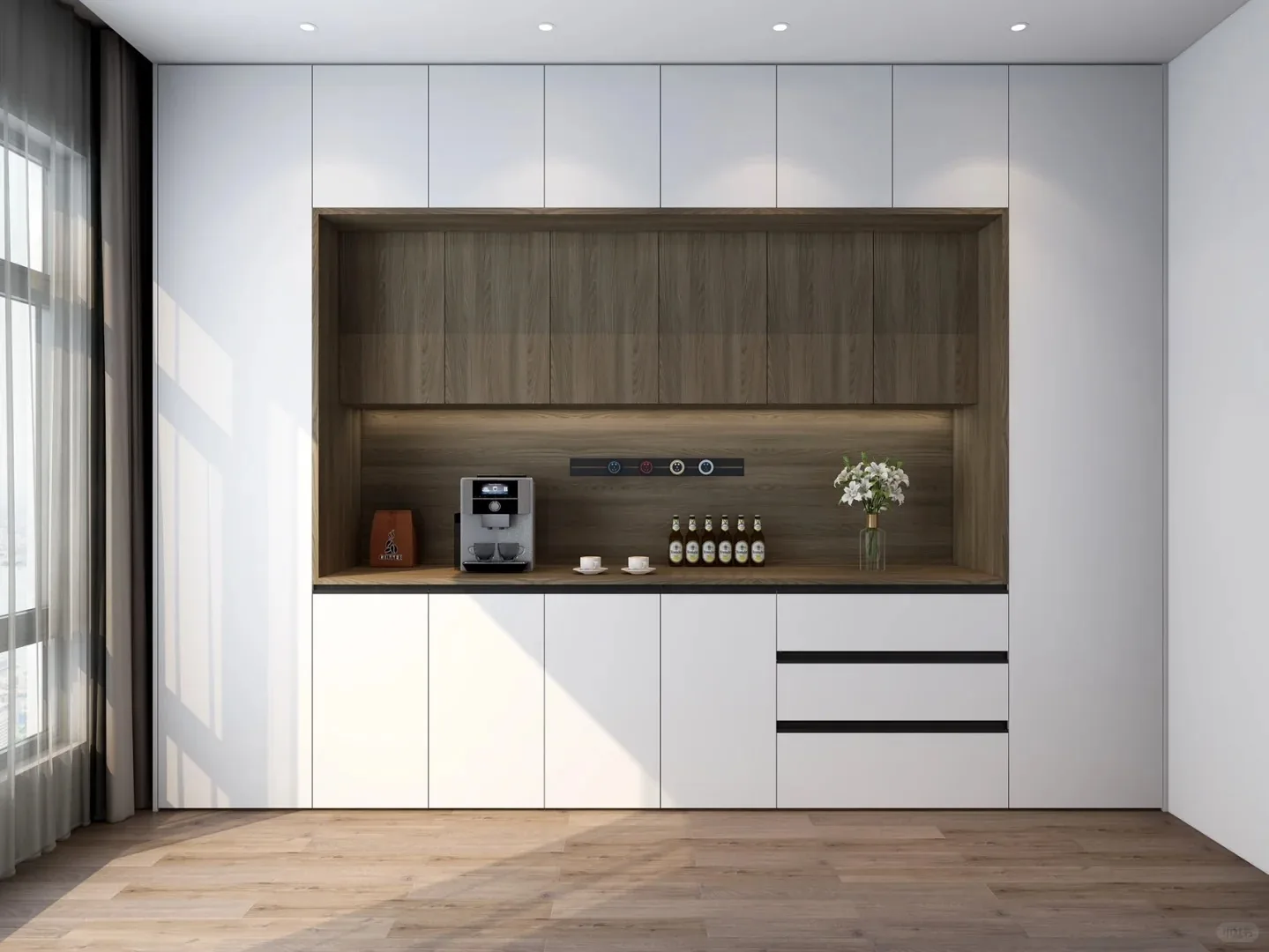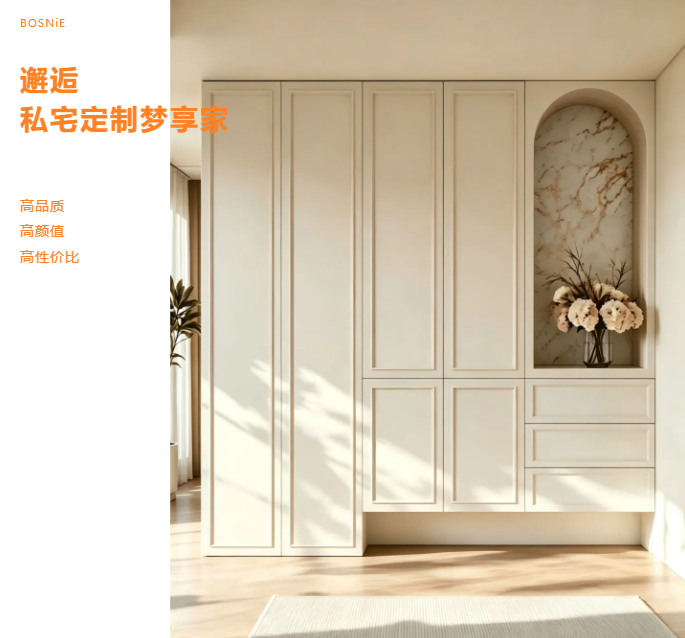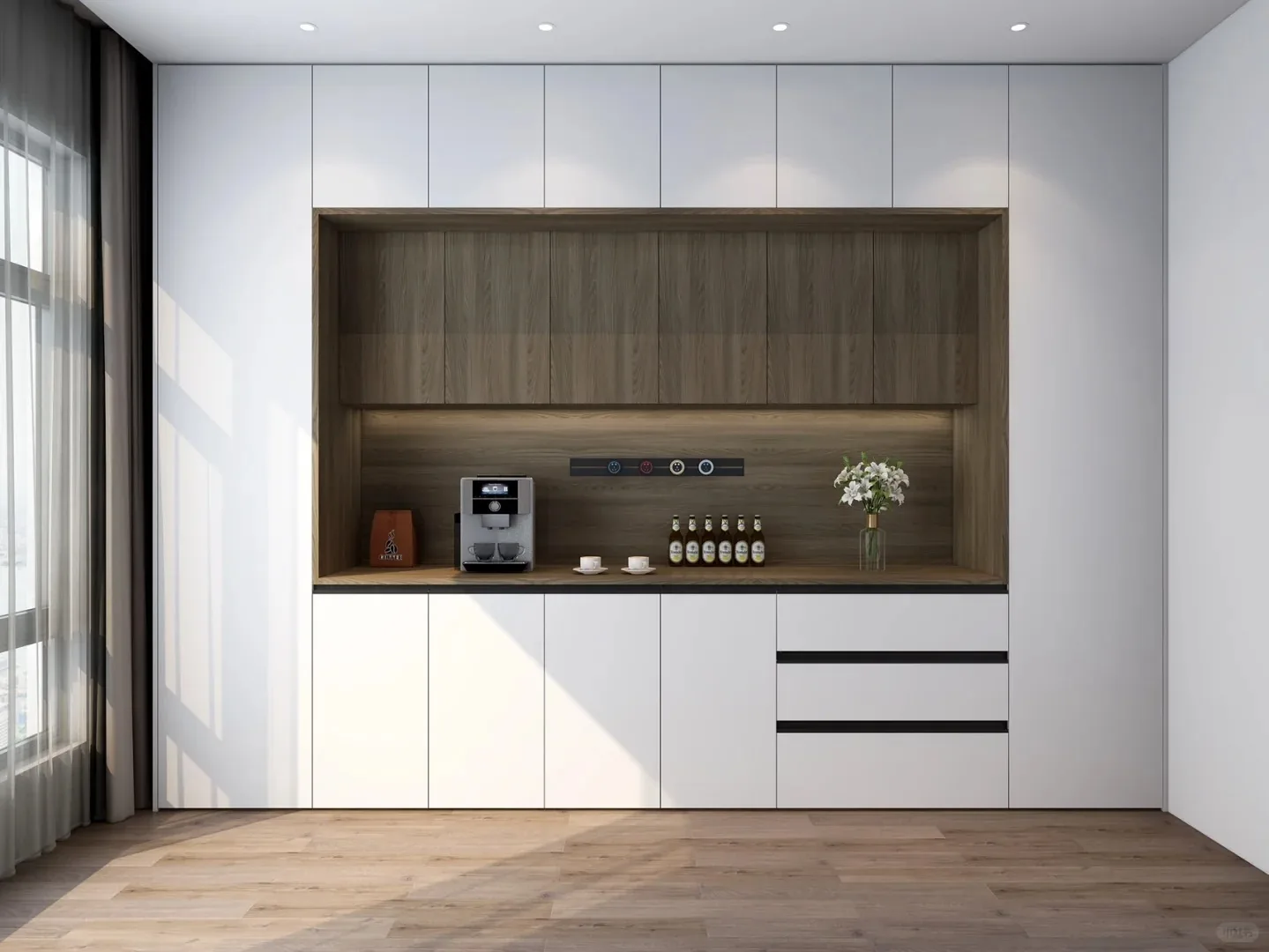
Enclosed-space design is far more than just an ordinary spatial technique! By layering, grouping, and partitioning materials, forms, and spaces, it creates richly dimensional, uniquely sculptural environments—visually stunning and deeply memorable.
Considering enclosed-space design? Don’t overlook these 3 key details!
Create subtle depth and rhythm inside. Avoid flat, uniform surfaces—intentionally incorporate recessed and projecting elements. No extra decoration needed; dimensionality emerges naturally.
Introduce subtle color contrast. Steer clear of monochromatic schemes; instead, pair tones with gentle contrast—such as dark brown with light wood—to highlight focal points while maintaining visual harmony.
Avoid overly short lengths. Too-short enclosures feel cramped and disjointed, undermining spatial coherence—sometimes omitting them altogether is the better choice.
The true brilliance of enclosed-space design lies in its ability to ‘frame’ fully open areas—softening stark openness, enhancing a sense of security and belonging. When executed thoughtfully, it also elevates spatial hierarchy and anchors visual focus—effortlessly conveying refined sophistication.