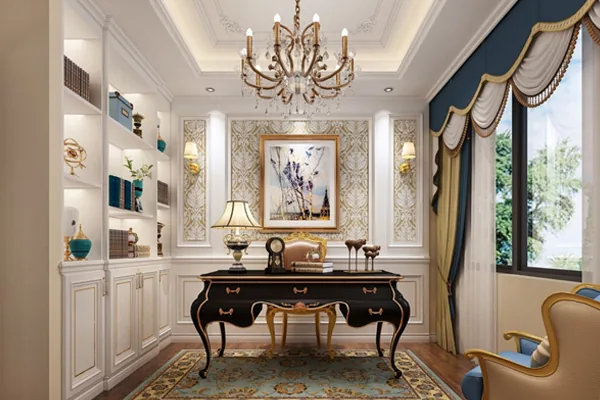
This case introduces a whole-house design in the Neo‑European style, which avoids the intricacy of traditional European decor while surpassing the mere opulence of modern aesthetics. Known as “understated luxury,” this style skillfully sidesteps the heaviness often associated with classic European design, seamlessly blending it with the clean, spacious qualities of contemporary styling. As a result, the Neo‑European style remains highly popular in the interior design market. It primarily features warm yellows and crisp whites as its main hues, complemented by a sense of symmetry. Now, let’s take a closer look at this project!
When undertaking a renovation, many homeowners struggle to choose between a construction company and an interior designer, often with the goal of creating a space that feels refined and visually appealing. With the Neo‑European style, as long as you master color coordination, furniture selection, and material proportions, the final result is typically both elegant and grand.
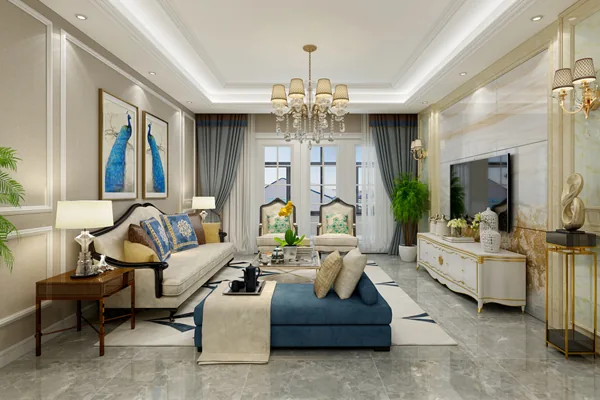
It boasts open‑plan layouts, bold concepts, artistic depth, and imaginative design—qualities that have won widespread admiration. The Neo‑European style strikes a balance between meticulous detail and intricate craftsmanship; its decorative elements are finely executed, evolving from simplicity to complexity while preserving the inherent character and essence of its materials.
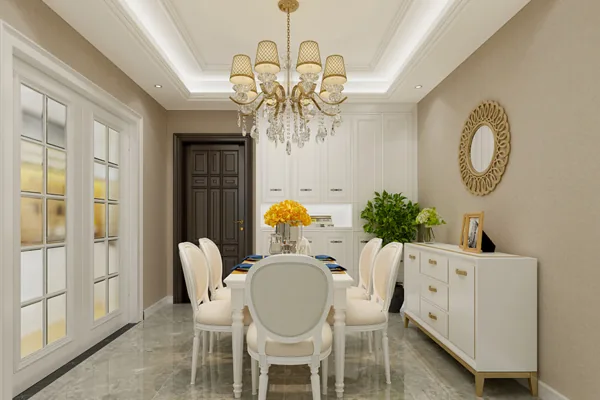
Overall, this style achieves a harmonious interplay: the quality of materials is exquisite, and the forms tend to be symmetrical. Today, this approach is particularly fashionable. Its hallmark lies in a simplified yet sophisticated European aesthetic, allowing homeowners to express their individuality through uniquely personal design choices.
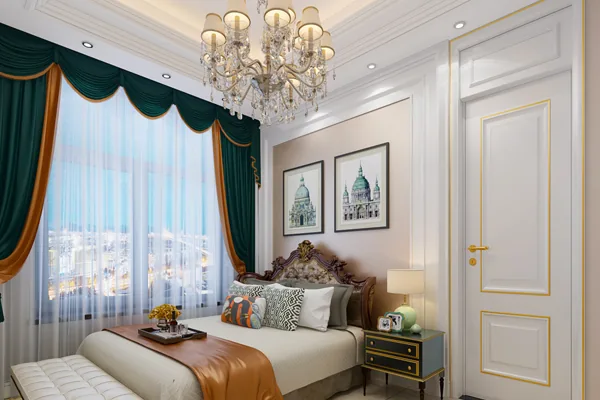
Common materials used in Neo‑European interiors include stone, iron, and wood. Wood brings a sense of stability and richness; iron evokes nostalgia and vintage charm; and stone imparts a luxurious texture. Together, these elements create an atmosphere of opulent elegance.
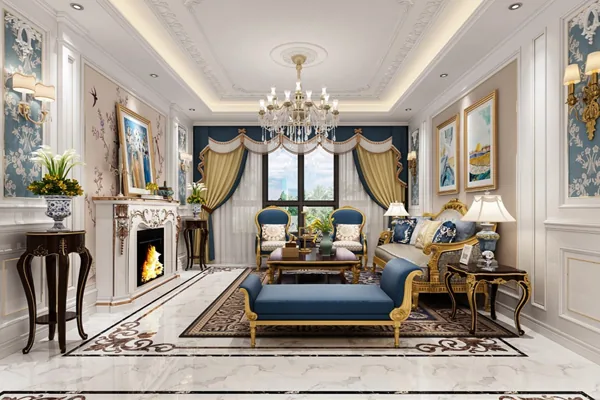
Neo‑European interiors typically center on white as the dominant hue, with darker and lighter shades serving as accents. Brown, beige, and gold are frequently incorporated, and the contrast between these colors helps to convey a sense of grandeur.
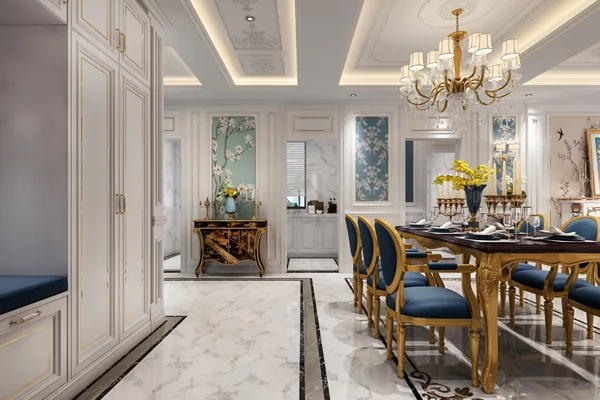
In practice, the Neo‑European style adeptly preserves the essential character of materials and color palettes, allowing one to appreciate historical nuances and cultural heritage, all while discarding overly elaborate ornamentation and complex textural details.
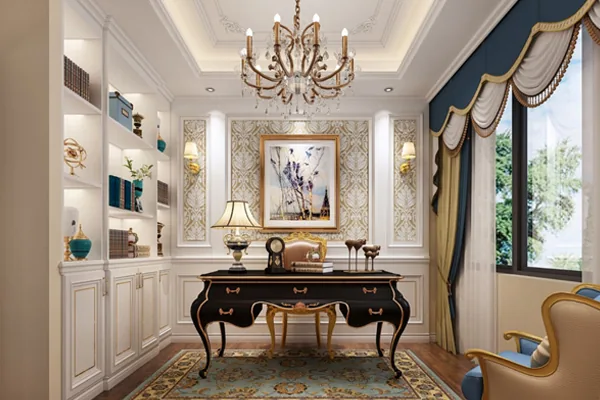
That concludes our introduction to this whole‑house design in the soft European style. If you like it, feel free to leave us a comment and join the conversation!