Whole-House Design Case | A Simple, Smooth Flow Throughout the Space
Living Knowledge · 2023.05.13

Whole-House Design Case | A Simple, Smooth Flow Throughout the Space

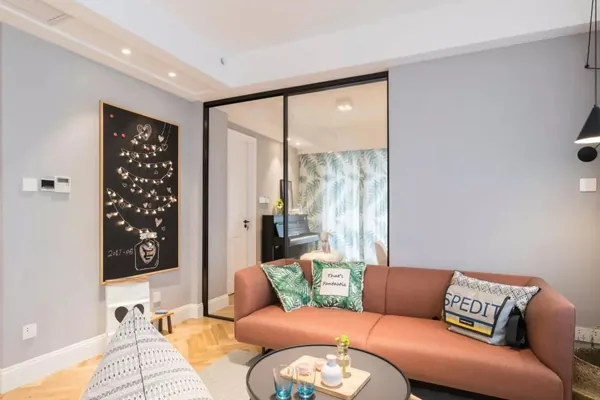
This project showcases a Nordic‑style, whole‑house design. Let’s take a look together! The living room features three main color tones: pink, gray, and ample white—classic hues often used in Nordic interiors. The brown sofa and patterned throw pillows evoke a vintage vibe, while the white curtains lend the space added brightness. The coffee table is one of this year’s most popular designs, blending stylish aesthetics with practical functionality. The dining area boasts clean, crisp lines that unmistakably reflect the Nordic style. The flooring echoes the dining table, alternating between brown and white...

This case showcases a Nordic-style whole-house design. Let’s take a look at this project together!

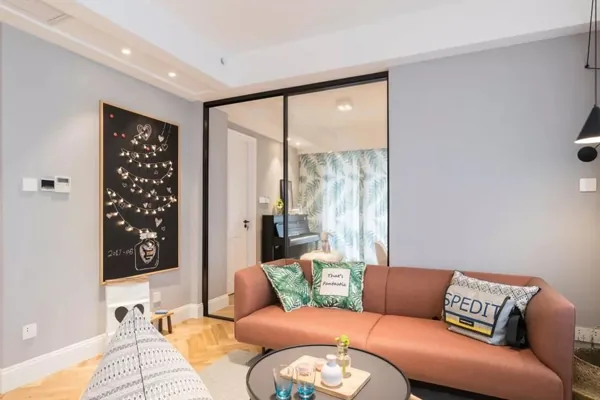
The living room features three main color tones: pink, gray, and large expanses of white—colors commonly used in Nordic-style interiors.
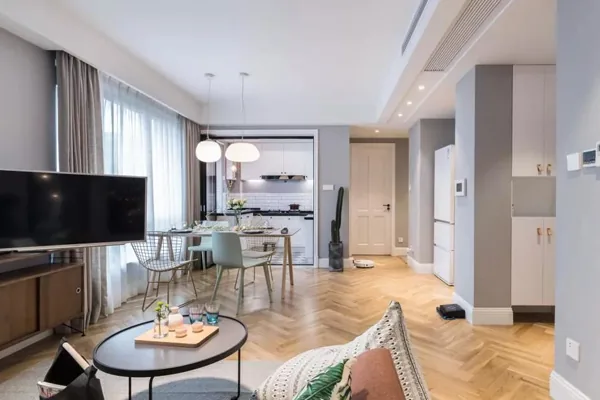
The brown sofa and patterned throw pillows evoke a vintage vibe, while the white curtains make the entire room feel brighter. The coffee table, a popular design trend in recent years, combines aesthetic appeal with practicality.
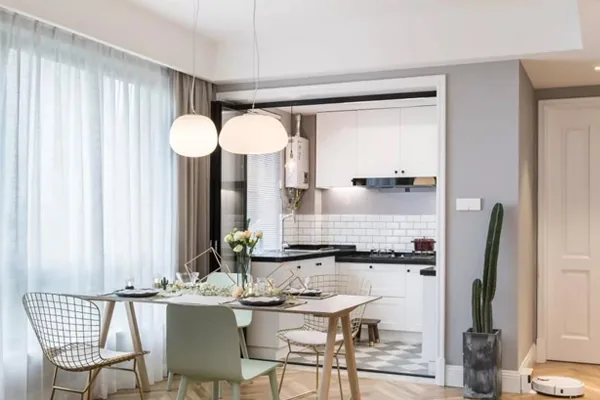
The dining area boasts clean, crisp lines that clearly reflect a Nordic style. The flooring echoes the dining table, alternating between brown and white for a simple yet gentle touch.
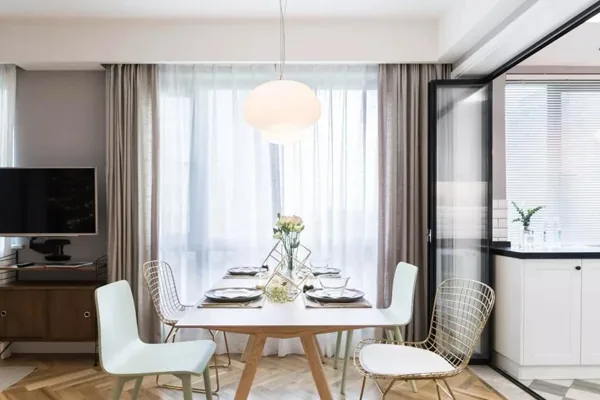
A folding glass door separates the kitchen from the dining area, blocking cooking fumes while allowing ample natural light to flow through. This design also fosters communication among family members, making it easy to chat with those outside while preparing meals.
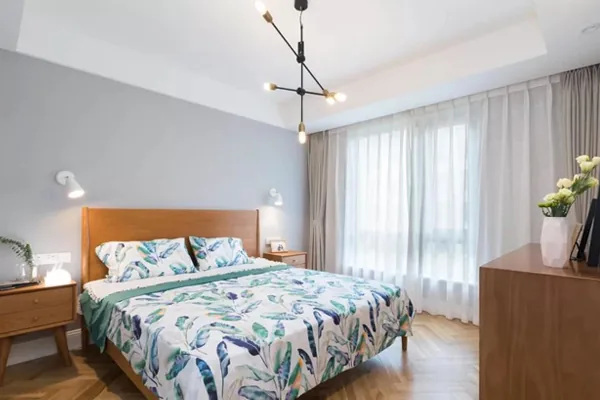
The bedroom continues the color scheme of the living room and dining area, featuring wood flooring throughout. White curtains lend an extra layer of warmth to the space, making every morning feel bright and cheerful—perfect for starting each day on a positive note!

The minimalist pendant light has a striking design, resembling tree branches, which helps illuminate every corner of the room.
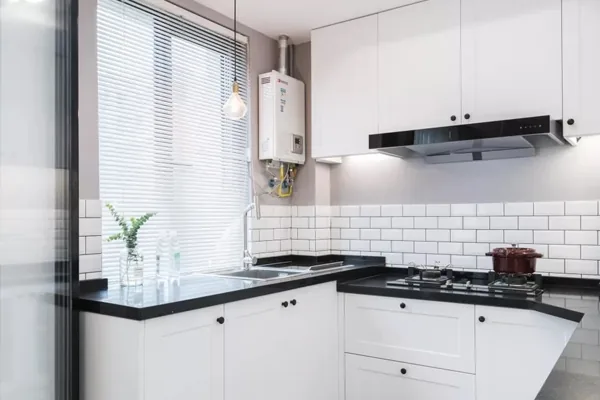
Due to the apartment’s layout and available space, the kitchen is designed as a semi‑enclosed U‑shaped layout. A black marble countertop paired with white cabinets creates a timeless combination, while the open floor plan ensures smooth circulation and convenient cooking.
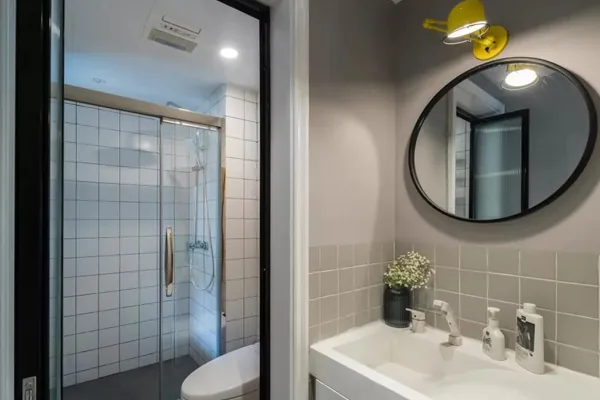
The bathroom incorporates a dry–wet separation, with the floor and walls finished in a subtle, light gray—the signature color palette. A round mirror is adorned with a small yellow wall lamp, providing additional lighting.
That wraps up our introduction to this Nordic‑style whole‑home design. If you like it, feel free to leave us a comment and join the conversation!
More Articles

More Posts
How should the internal structure of a custom wardrobe be designed to maximize usability? The zoning logic determines storage efficiency.
Living Knowledge · 2026.10.29

How should the internal structure of a custom wardrobe be designed to maximize usability? The zoning logic determines storage efficiency.

How should you design the internal structure of a custom wardrobe to make it truly functional? The zoning logic determines storage efficiency. The effectiveness of a custom wardrobe depends on whether its internal layout aligns with your household’s actual clothing inventory and your habits for putting things in and taking them out. The correct design sequence is: first, take stock of your clothes; second, determine the zones; and only then consider the overall style. This article provides a set of zoning principles and dimension guidelines that you can apply directly. 1. Inventory First, Design Later: A wardrobe is a reflection of your clothing collection...

How to coordinate color schemes for whole-house customization? The 60-30-10 rule and four space-specific strategies.
Living Knowledge · 2026.10.29

How to coordinate color schemes for whole-house customization? The 60-30-10 rule and four space-specific strategies.

How do you coordinate colors for whole‑house customization? The 60–30–10 rule and four space‑specific strategies. The most common reason why color schemes in whole‑house customization fall flat isn’t that the colors themselves are unattractive, but rather that there are too many colors, the proportions are out of balance, or the materials and colors aren’t well integrated. Master one fundamental principle—the 60–30–10 ratio—and then choose a strategy based on the specific spatial conditions, and you’ll be able to make color choices you won’t regret. I. The 60–30–10 Rule: Let each color...

A Guide to Avoiding Pitfalls in Whole-House Customization: 6 Things You Must Confirm Before Signing the Contract
Living Knowledge · 2026.10.29

A Guide to Avoiding Pitfalls in Whole-House Customization: 6 Things You Must Confirm Before Signing the Contract

1. Board Material Environmental Safety: Rely on Test Reports, Not Verbal Promises It’s common for sellers to tout “environmentally friendly boards” without providing any official test reports. The formaldehyde emission limit for E1‑grade boards is ≤0.124 mg/m³; some retailers use this as a claim of eco‑friendliness, but it falls short for households with elderly residents or young children. A more reliable choice would be ENF‑grade (≤0.025 mg/m³) or E0‑grade (≤0.05 mg/m³), ...

BOOK A CONSULTATION

Want to Apply These Ideas to Your Own Home?

It can explain the apartment area, decoration stage and preferred style. The BOSNIE team will combine the home encyclopedia, real cases and product systems to provide one-to-one custom suggestions for the entire home.