The arc‑design question that’s been asked 800 times—today, we’ll explain it once and for all!
Living Knowledge · 2026.09.01

The arc‑design question that’s been asked 800 times—today, we’ll explain it once and for all!

The arc‑shaped design—asked about 800 times—finally gets a clear explanation today! Many people have been drawn to home‑decor trends like arched cabinets, arched doors, and curved ceilings. Most just know these designs look good, but they don’t fully grasp their real‑world advantages. Today, we’ll break it all down so you understand why professional designers wholeheartedly recommend incorporating arched elements into your home. For families with children or pets, arched designs are an essential upgrade, boosting your sense of safety and security in every way. Traditional…

The arc‑design question that’s been asked 800 times—today, we’ll explain it once and for all!

Many people have been drawn to home‑decor trends like curved cabinets, arched doors, and curved ceiling designs. Most simply recognize that these rounded elements look stylish, but they often overlook the practical advantages they offer. Today, we’ll break it all down so you can see why professional designers wholeheartedly recommend incorporating curved design into your home.

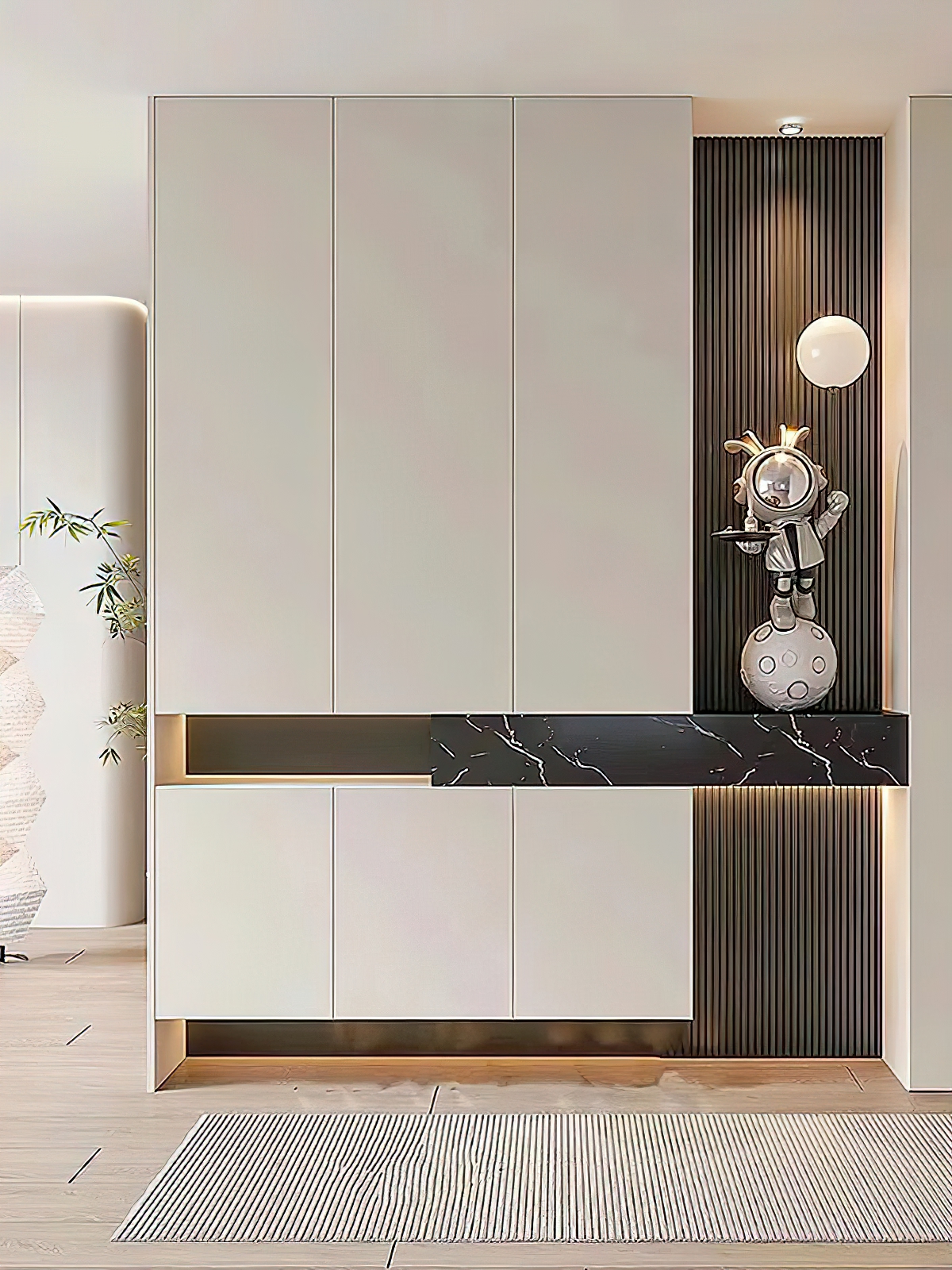
Arc‑shaped designs are a must‑have for families with children and pets, offering all‑around peace of mind. Traditional right‑angled cabinets feature sharp edges—hidden safety hazards that can easily lead to bumps and injuries when kids run and play or pets frolic. In contrast, rounded‑edge designs use smooth, flowing transitions to eliminate sharp corners throughout the space, turning every nook into a safe zone. And there’s no need to install unsightly bumper strips—balancing style with safety.
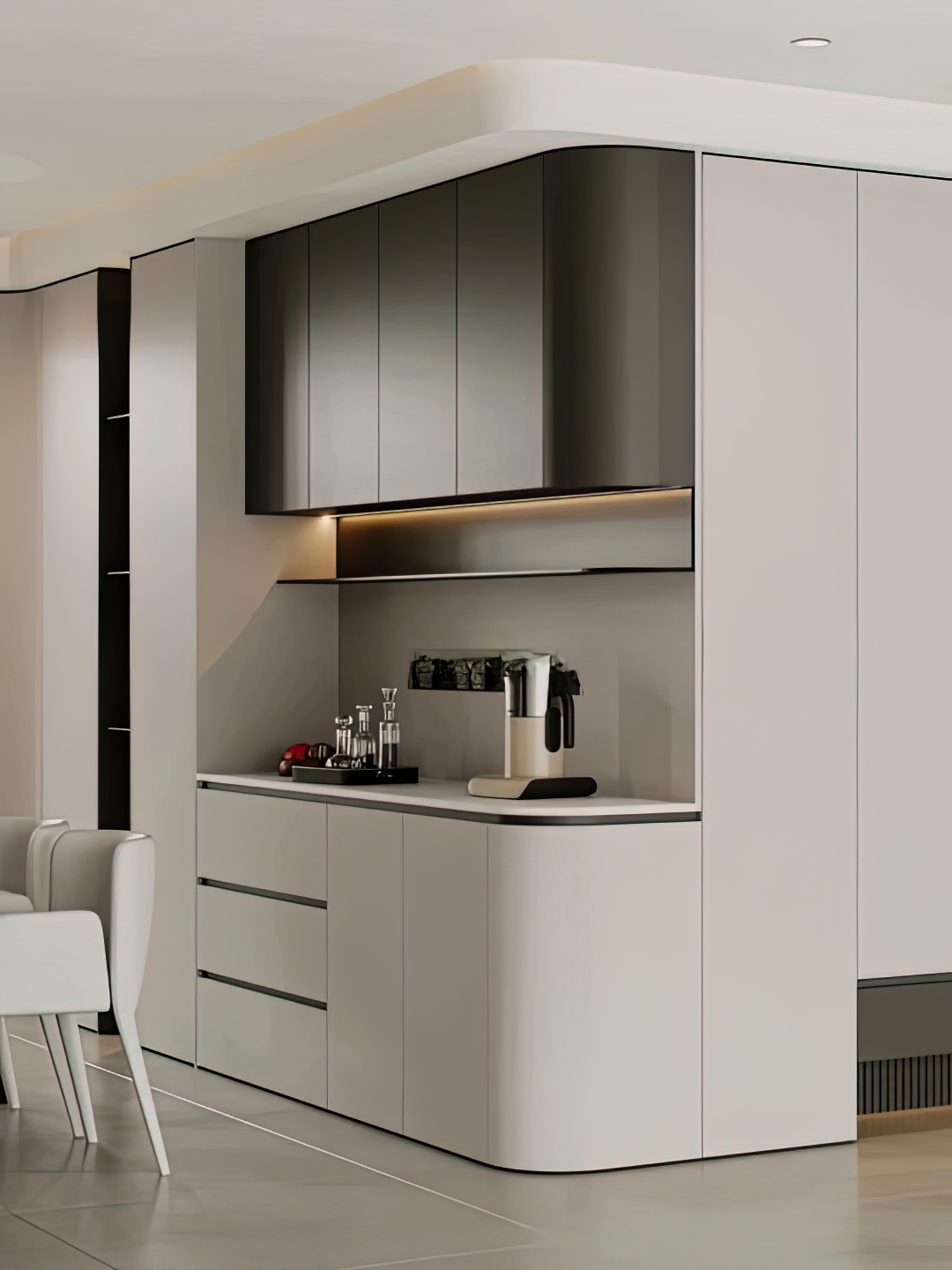
image1

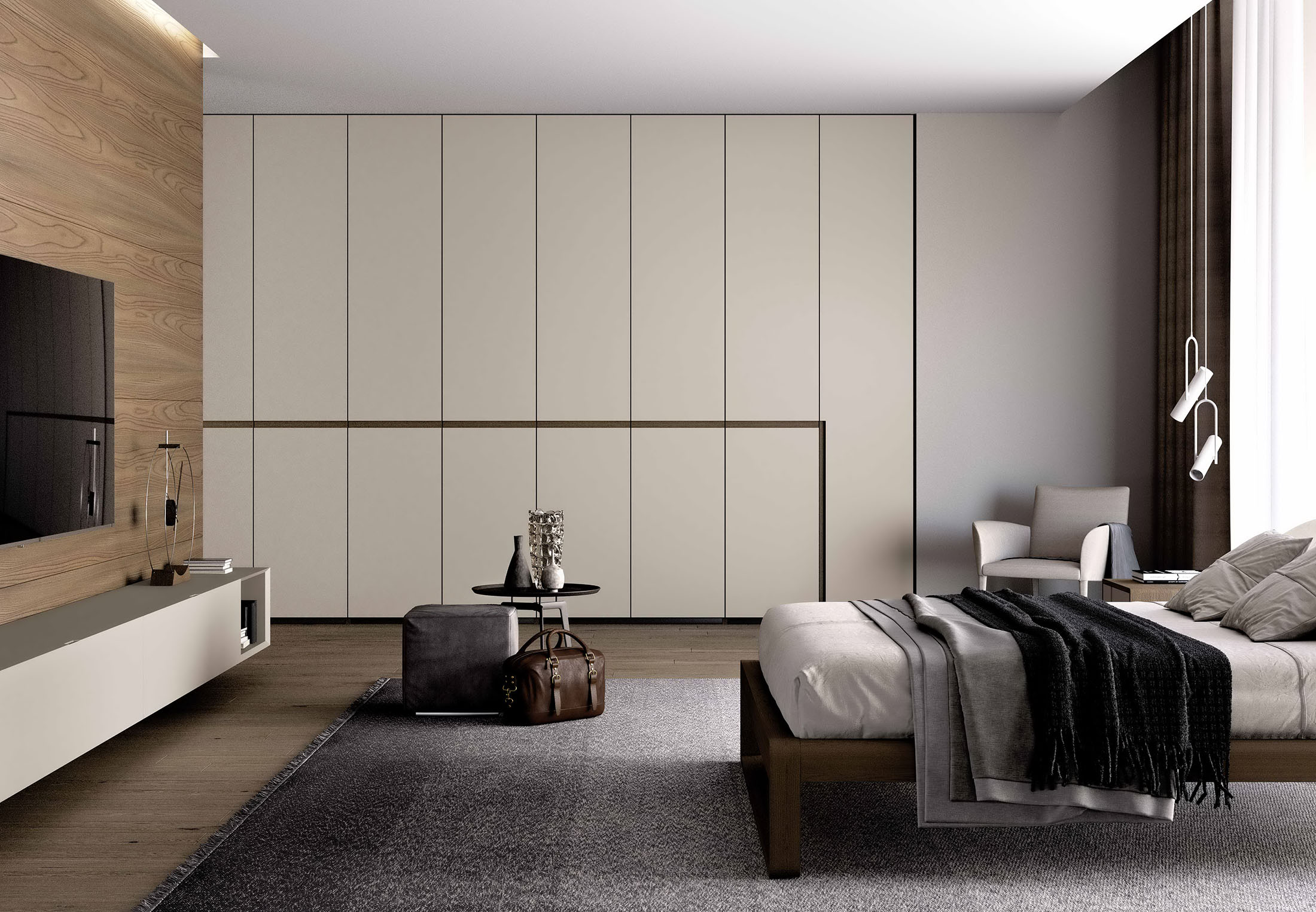
Arc‑shaped designs soften the visual impact of a space, dramatically elevating its interior‑design aesthetic. Traditional straight‑line styles can feel monotonous and rigid, and prolonged exposure may make a room feel cramped and stark. By contrast, curved lines exude a gentle, warm quality; their fluid contours gently blur sharp spatial boundaries, lending the entire environment greater openness, depth, and layered sophistication. Whether you’re embracing cream‑tone interiors, wabi‑sabi minimalism, or modern minimalism, incorporating arc‑based elements swiftly enhances the space’s overall tone, doubling the sense of refined elegance.

The curved‑arc design breathes new life into awkward corner spaces, dramatically boosting storage efficiency. Areas like L‑shaped corners, wall recesses, and the ends of hallways are typically hard to utilize with conventional right‑angle cabinets—installing such units not only yields low storage capacity but also makes it difficult to access items stored deep inside. By seamlessly conforming to the curvature of the corner and pairing with hardware such as rotating pull‑out baskets and linked doors, this design transforms previously dead‑space areas into practical, high‑value storage zones, maximizing overall space utilization.
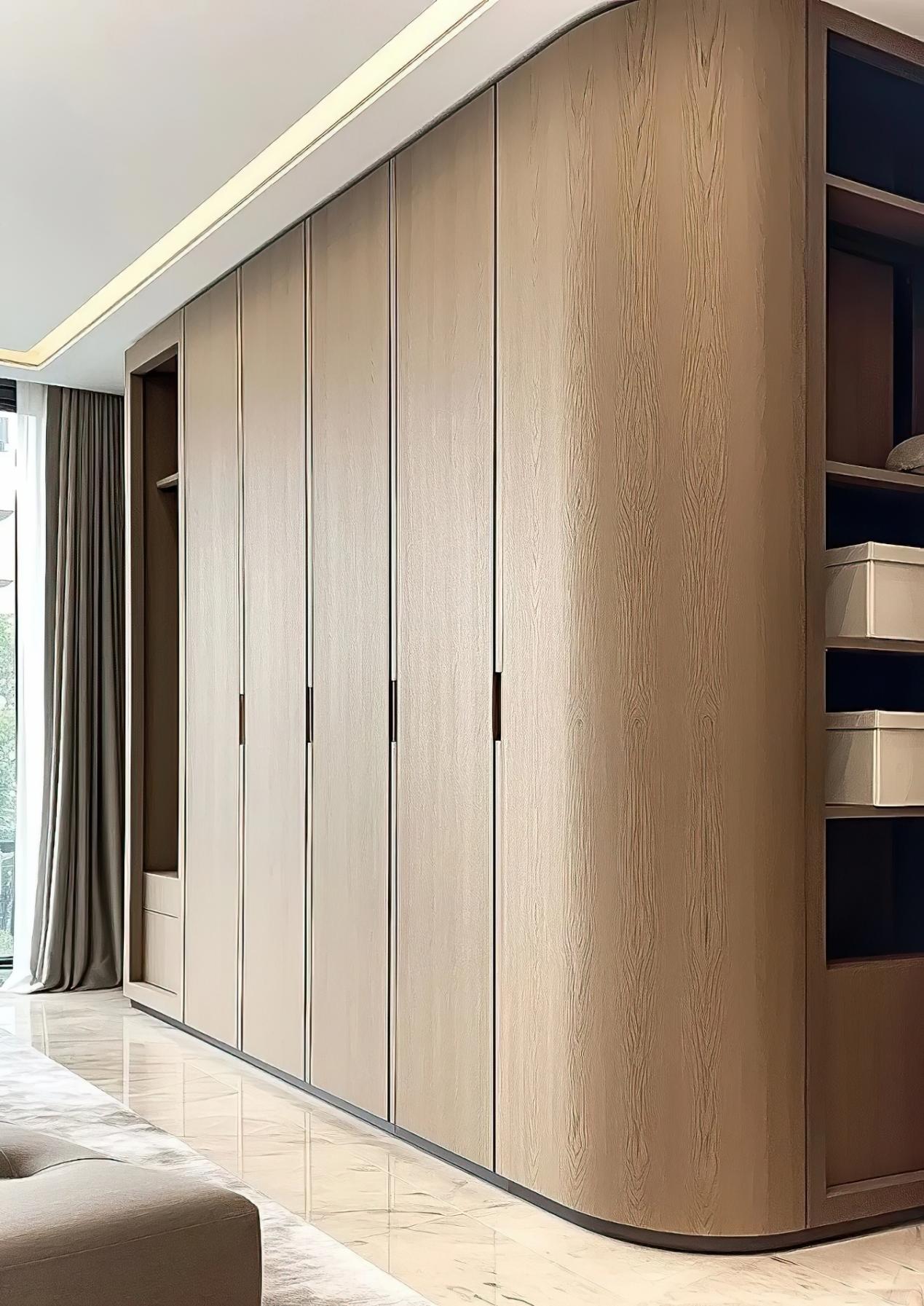
image2

Arc‑shaped cabinets optimize household circulation, making everyday movement smoother. Unlike right‑angled cabinets, whose sharp edges can impede activity and obstruct views, the seamless curves of arc‑shaped units create a more fluid flow throughout the space, eliminating bumps and snags. They’re especially well suited for small apartments and narrow hallways, visually and physically expanding the sense of space and making daily living more comfortable and effortless.

The rounded‑edge design eliminates sanitary dead zones, significantly reducing the effort required for daily cleaning. In cabinets with sharp‑angled corners, crevices and recesses easily accumulate dust and debris, making them difficult to clean thoroughly. By contrast, the curved‑edge design delivers a smooth, seamless surface with no hard‑to‑reach gaps or corners, allowing for quick and effortless wiping—perfect for low‑maintenance living.
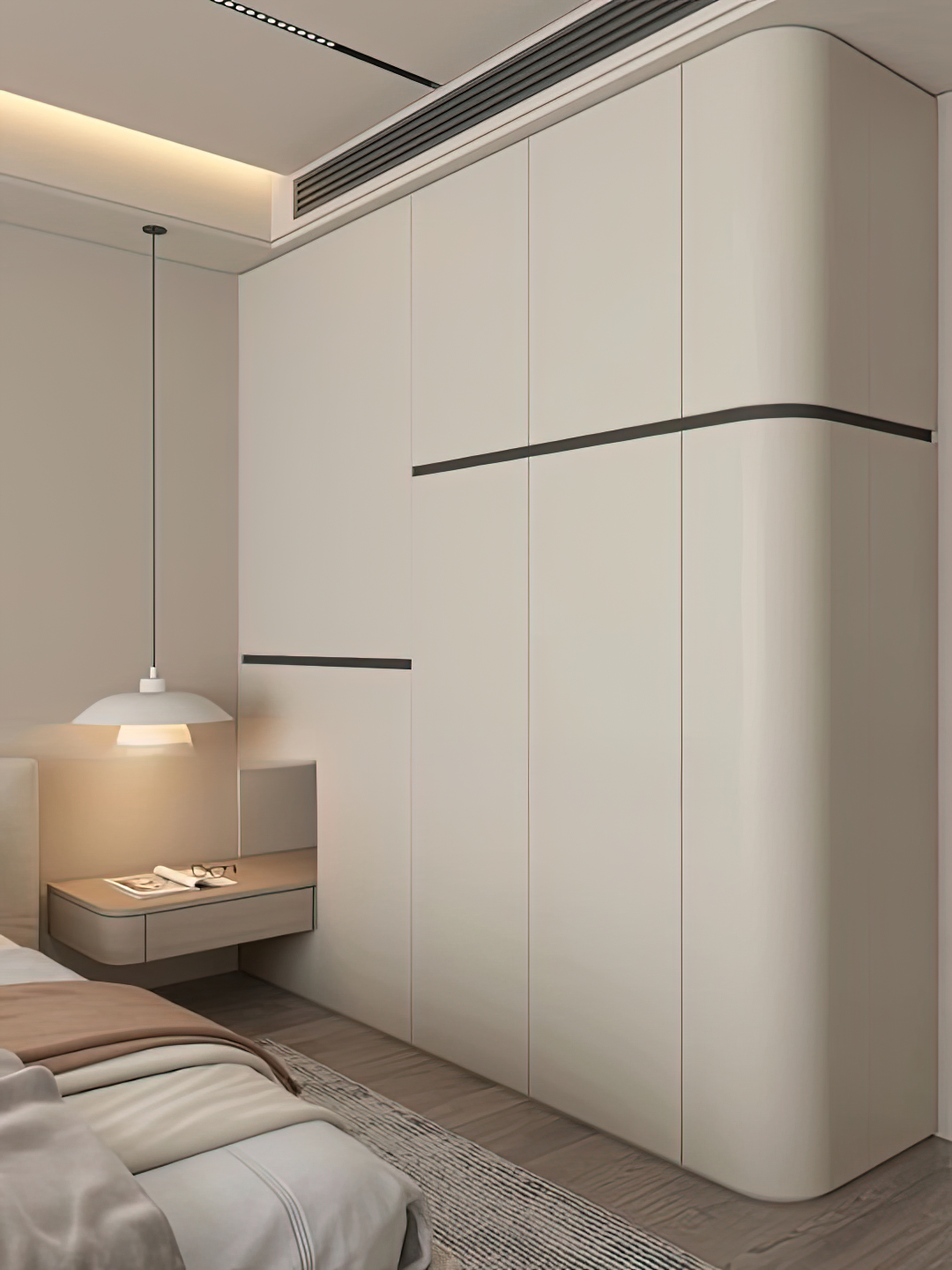
image3

In addition, the curved‑arc design carries profound symbolic meaning, enhancing residential comfort. From a psychological perspective and in line with traditional home‑living principles, the circle embodies wholeness and harmony, dispelling any sharp, harsh visual energy. Spaces shaped by gentle arcs evoke a sense of enveloping warmth and security, allowing occupants to relax both body and mind—perfectly aligning with the core ethos of home as a haven of comfort and healing.
More Articles

More Posts
How should the internal structure of a custom wardrobe be designed to maximize usability? The zoning logic determines storage efficiency.
Living Knowledge · 2026.10.29

How should the internal structure of a custom wardrobe be designed to maximize usability? The zoning logic determines storage efficiency.

How should you design the internal structure of a custom wardrobe to make it truly functional? The zoning logic determines storage efficiency. The effectiveness of a custom wardrobe depends on whether its internal layout aligns with your household’s actual clothing inventory and your habits for putting things in and taking them out. The correct design sequence is: first, take stock of your clothes; second, determine the zones; and only then consider the overall style. This article provides a set of zoning principles and dimension guidelines that you can apply directly. 1. Inventory First, Design Later: A wardrobe is a reflection of your clothing collection...

How to coordinate color schemes for whole-house customization? The 60-30-10 rule and four space-specific strategies.
Living Knowledge · 2026.10.29

How to coordinate color schemes for whole-house customization? The 60-30-10 rule and four space-specific strategies.

How do you coordinate colors for whole‑house customization? The 60–30–10 rule and four space‑specific strategies. The most common reason why color schemes in whole‑house customization fall flat isn’t that the colors themselves are unattractive, but rather that there are too many colors, the proportions are out of balance, or the materials and colors aren’t well integrated. Master one fundamental principle—the 60–30–10 ratio—and then choose a strategy based on the specific spatial conditions, and you’ll be able to make color choices you won’t regret. I. The 60–30–10 Rule: Let each color...

A Guide to Avoiding Pitfalls in Whole-House Customization: 6 Things You Must Confirm Before Signing the Contract
Living Knowledge · 2026.10.29

A Guide to Avoiding Pitfalls in Whole-House Customization: 6 Things You Must Confirm Before Signing the Contract

1. Board Material Environmental Safety: Rely on Test Reports, Not Verbal Promises It’s common for sellers to tout “environmentally friendly boards” without providing any official test reports. The formaldehyde emission limit for E1‑grade boards is ≤0.124 mg/m³; some retailers use this as a claim of eco‑friendliness, but it falls short for households with elderly residents or young children. A more reliable choice would be ENF‑grade (≤0.025 mg/m³) or E0‑grade (≤0.05 mg/m³), ...

BOOK A CONSULTATION

Want to Apply These Ideas to Your Own Home?

It can explain the apartment area, decoration stage and preferred style. The BOSNIE team will combine the home encyclopedia, real cases and product systems to provide one-to-one custom suggestions for the entire home.