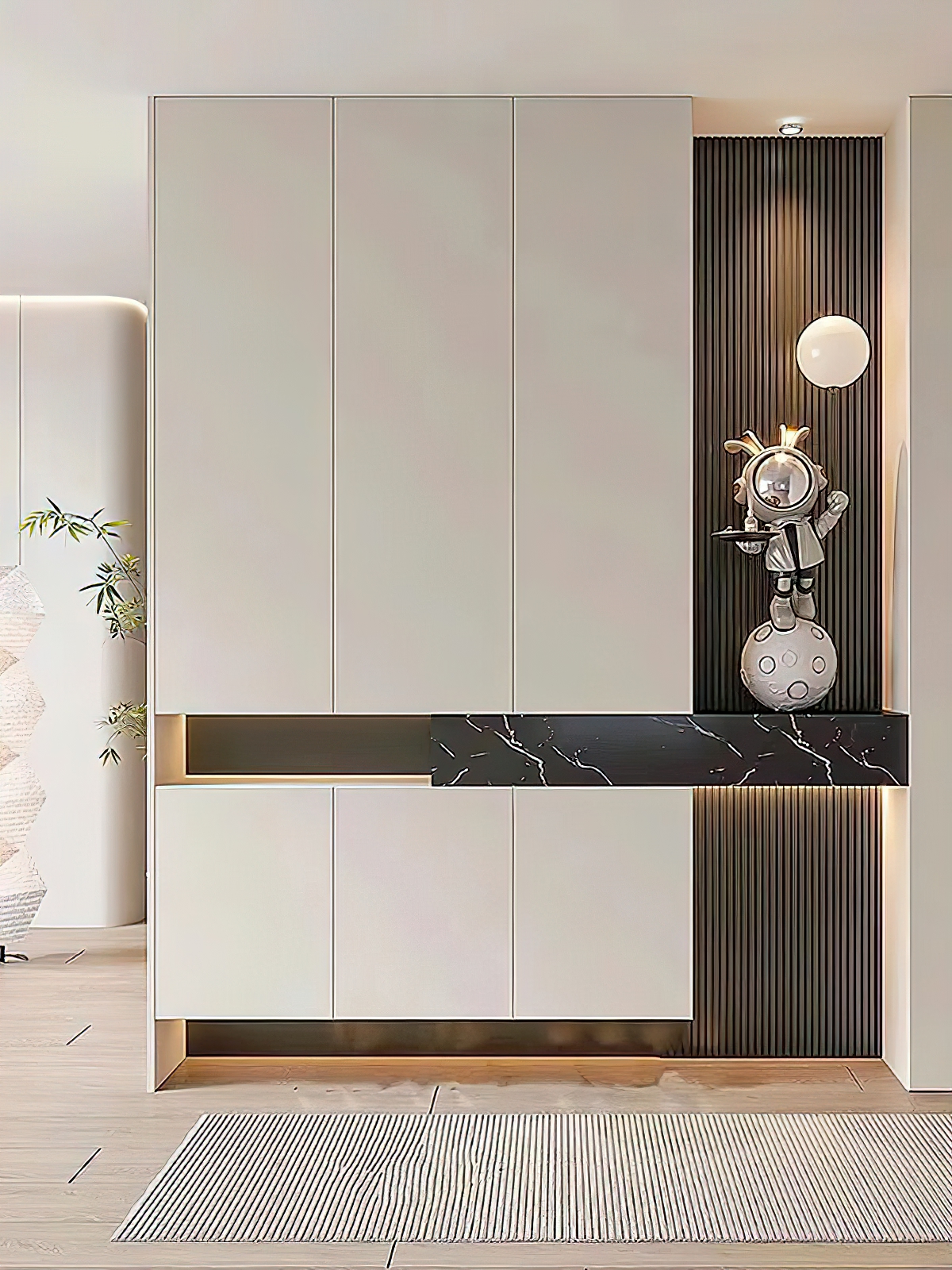
Mid-century modern whole-house customization, exuding a vintage, warm, and refined sense of luxury.
Living Knowledge · 2026.07.15

Mid-century modern whole-house customization, exuding a vintage, warm, and refined sense of luxury.

Mid‑century modern whole‑house customization: a retro, warm, and refined sense of home sophistication. The mid‑century vibe is never achieved through excessive ornamentation; its essence lies in the harmonious unity of wood tones. Many people assume that this style demands extensive wooden elements, but the real key isn’t quantity—it’s balance. Keep just one dominant wood tone throughout the entire home, unifying everything from custom cabinetry and wainscoting to all wooden accents, thus preventing the visual clutter and fragmentation that arise from mixing too many wood patterns. Start by defining your own signature…

Mid-century modern whole-house customization, exuding a vintage, warm, and refined sense of luxury.

The mid‑century modern vibe never hinges on elaborate ornamentation; its essence lies in the harmonious unity of wood tones. Many assume that this style demands copious wooden accents, but the real key isn’t quantity—it’s balance. Keep just one dominant wood hue throughout the home, applying it consistently from custom cabinetry and wainscoting to all woodwork, thus preventing the visual chaos that arises from jumbling multiple grain patterns. Start by establishing a signature color palette, then use it as the benchmark for precise color matching across every piece of woodwork, ensuring the entire space exudes a warm, clean undertone with an innate, richly textured vintage charm.

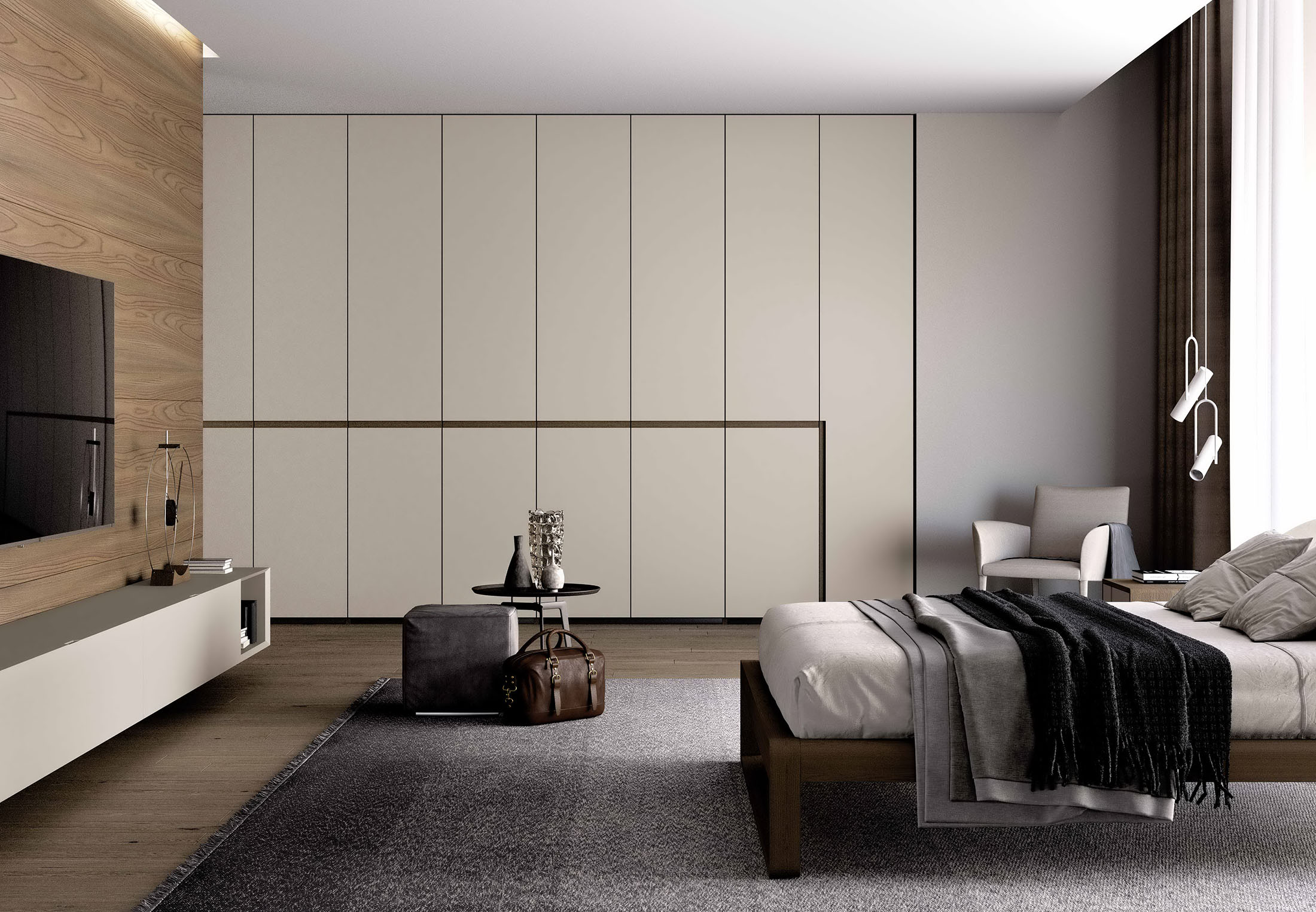
A perfectly balanced blend of restraint and negative space in a mid‑century modern style. The materials are given ample room to breathe, without the need for superfluous, cluttered design. Smooth, clean cabinet fronts are paired with the delicate, natural grain of raw wood; no additional paintings or decorative objects are required—its inherent warmth and tactile quality speak for themselves. The result is a space that’s both minimalist and deeply refined, timeless yet understated.
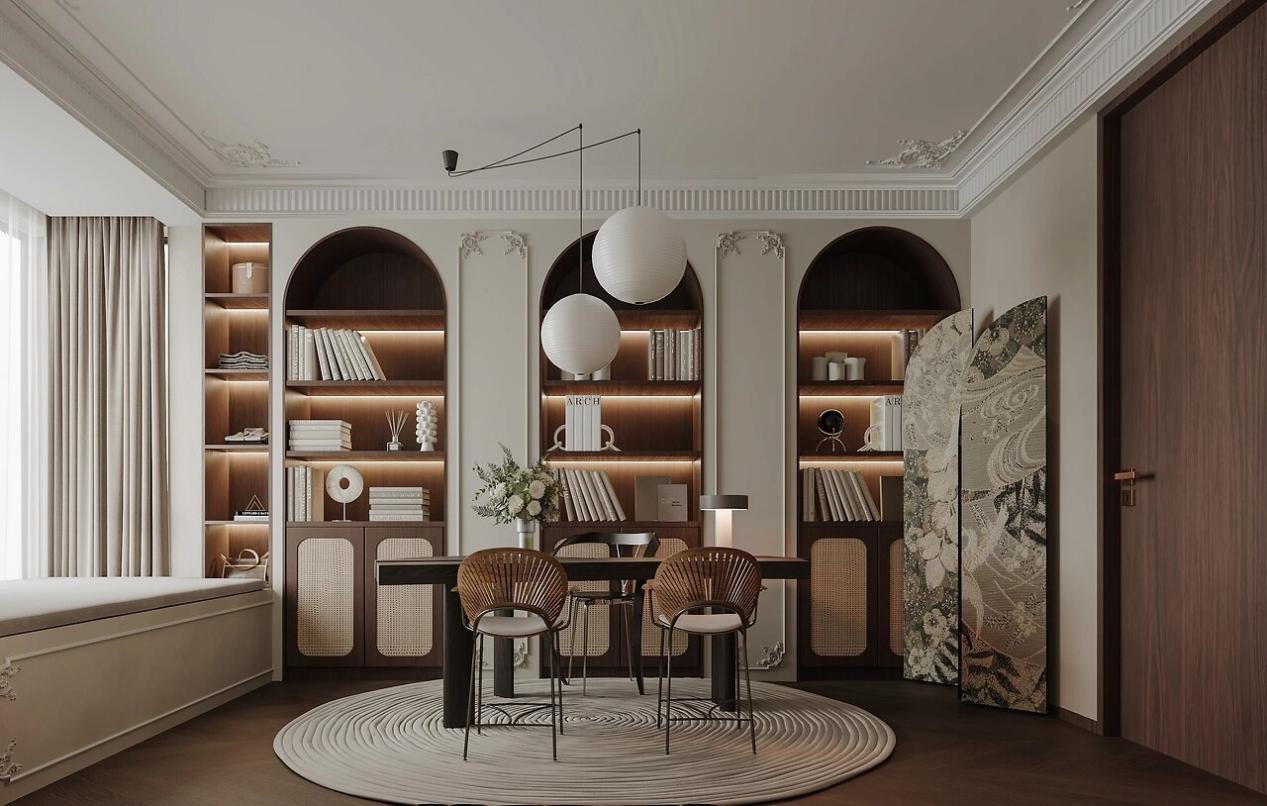
image1

A mid‑century modern custom design that emphasizes a symmetrical, well‑organized spatial logic. Floor-to-ceiling cabinetry elongates the sense of space, while clean, crisp lines and evenly balanced compartments create a harmonious whole. By subtly downplaying overt design gestures, the space achieves a natural, comfortable, and effortlessly relaxed domestic atmosphere.

The layered charm of a mid‑century modern aesthetic hinges on a thoughtful blend of soft, well‑balanced materials. A home clad entirely in wood can quickly feel heavy and dated; to strike the right balance between vintage allure and contemporary crispness, it’s essential to harmonize hard and soft textures, as well as cool and warm materials. By anchoring the space with the warm, natural appeal of raw timber, and complementing it with refined matte stone and subtly textured matte hardware, these diverse materials gently interplay, enriching the spatial depth. The seamless fusion of old and new, and the complementary interplay of cool and warm tones, creates a relaxed, lived‑in sensibility—unforced yet undeniably imbued with the quiet patina of time.
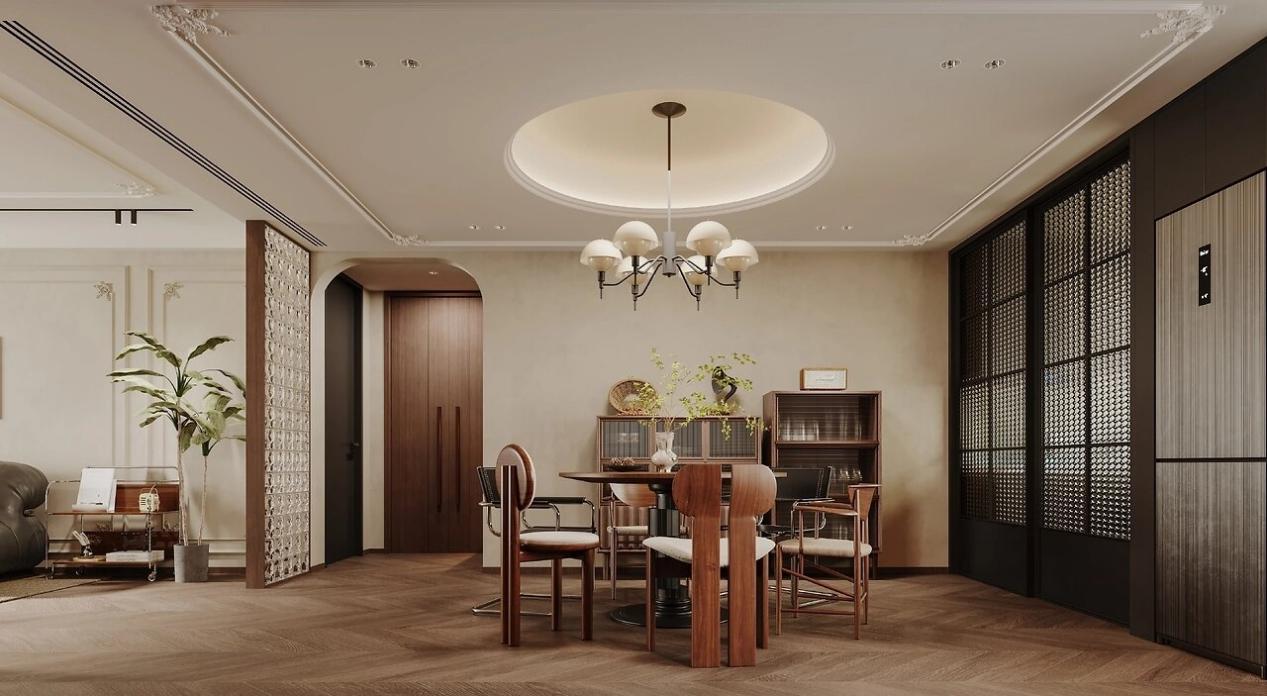
image2

BOSNIE Private Residence Customization adheres to an integrated, whole‑home design approach in its mid‑century style, drawing on signature vintage materials and design cues that seamlessly weave throughout the living room, bedrooms, dining area, kitchen, and other spaces. With a unified wood tone, consistent craftsmanship, and meticulous attention to detail, every custom cabinet harmonizes with the others, creating a cohesive and seamless overall ambiance.

A beautifully styled mid‑century modern home never feels overly contrived; instead, it exudes a gentle, time‑worn charm that invites slow, mindful living. Unassuming and unpretentious, it radiates warmth and comfort while standing the test of time—truly the pinnacle of mid‑century modern interior design.
More Articles

More Posts
How should the internal structure of a custom wardrobe be designed to maximize usability? The zoning logic determines storage efficiency.
Living Knowledge · 2026.10.29

How should the internal structure of a custom wardrobe be designed to maximize usability? The zoning logic determines storage efficiency.

How should you design the internal structure of a custom wardrobe to make it truly functional? The zoning logic determines storage efficiency. The effectiveness of a custom wardrobe depends on whether its internal layout aligns with your household’s actual clothing inventory and your habits for putting things in and taking them out. The correct design sequence is: first, take stock of your clothes; second, determine the zones; and only then consider the overall style. This article provides a set of zoning principles and dimension guidelines that you can apply directly. 1. Inventory First, Design Later: A wardrobe is a reflection of your clothing collection...

How to coordinate color schemes for whole-house customization? The 60-30-10 rule and four space-specific strategies.
Living Knowledge · 2026.10.29

How to coordinate color schemes for whole-house customization? The 60-30-10 rule and four space-specific strategies.

How do you coordinate colors for whole‑house customization? The 60–30–10 rule and four space‑specific strategies. The most common reason why color schemes in whole‑house customization fall flat isn’t that the colors themselves are unattractive, but rather that there are too many colors, the proportions are out of balance, or the materials and colors aren’t well integrated. Master one fundamental principle—the 60–30–10 ratio—and then choose a strategy based on the specific spatial conditions, and you’ll be able to make color choices you won’t regret. I. The 60–30–10 Rule: Let each color...

A Guide to Avoiding Pitfalls in Whole-House Customization: 6 Things You Must Confirm Before Signing the Contract
Living Knowledge · 2026.10.29

A Guide to Avoiding Pitfalls in Whole-House Customization: 6 Things You Must Confirm Before Signing the Contract

1. Board Material Environmental Safety: Rely on Test Reports, Not Verbal Promises It’s common for sellers to tout “environmentally friendly boards” without providing any official test reports. The formaldehyde emission limit for E1‑grade boards is ≤0.124 mg/m³; some retailers use this as a claim of eco‑friendliness, but it falls short for households with elderly residents or young children. A more reliable choice would be ENF‑grade (≤0.025 mg/m³) or E0‑grade (≤0.05 mg/m³), ...

BOOK A CONSULTATION

Want to Apply These Ideas to Your Own Home?

It can explain the apartment area, decoration stage and preferred style. The BOSNIE team will combine the home encyclopedia, real cases and product systems to provide one-to-one custom suggestions for the entire home.