Mediterranean‑style cabinet doors with skeletal lines | Handleless, high‑end cabinet bodies that grow more appealing the longer you live with them.
Mid-century modern design embraces minimalist forms, natural materials, and understated ornamentation. Plain, flat-panel cabinet doors can feel monotonous, while elaborate handles risk disrupting the overall aesthetic. BOSNIE Private Residence’s custom‑designed frame‑line cabinet doors eliminate visible handles, transforming structural lines into a key element of the cabinetry’s visual appeal—perfectly complementing mid-century interiors while balancing style, safety, and everyday practicality.
I. What is a skeleton‑line cabinet door? Where does its premium aesthetic come from?
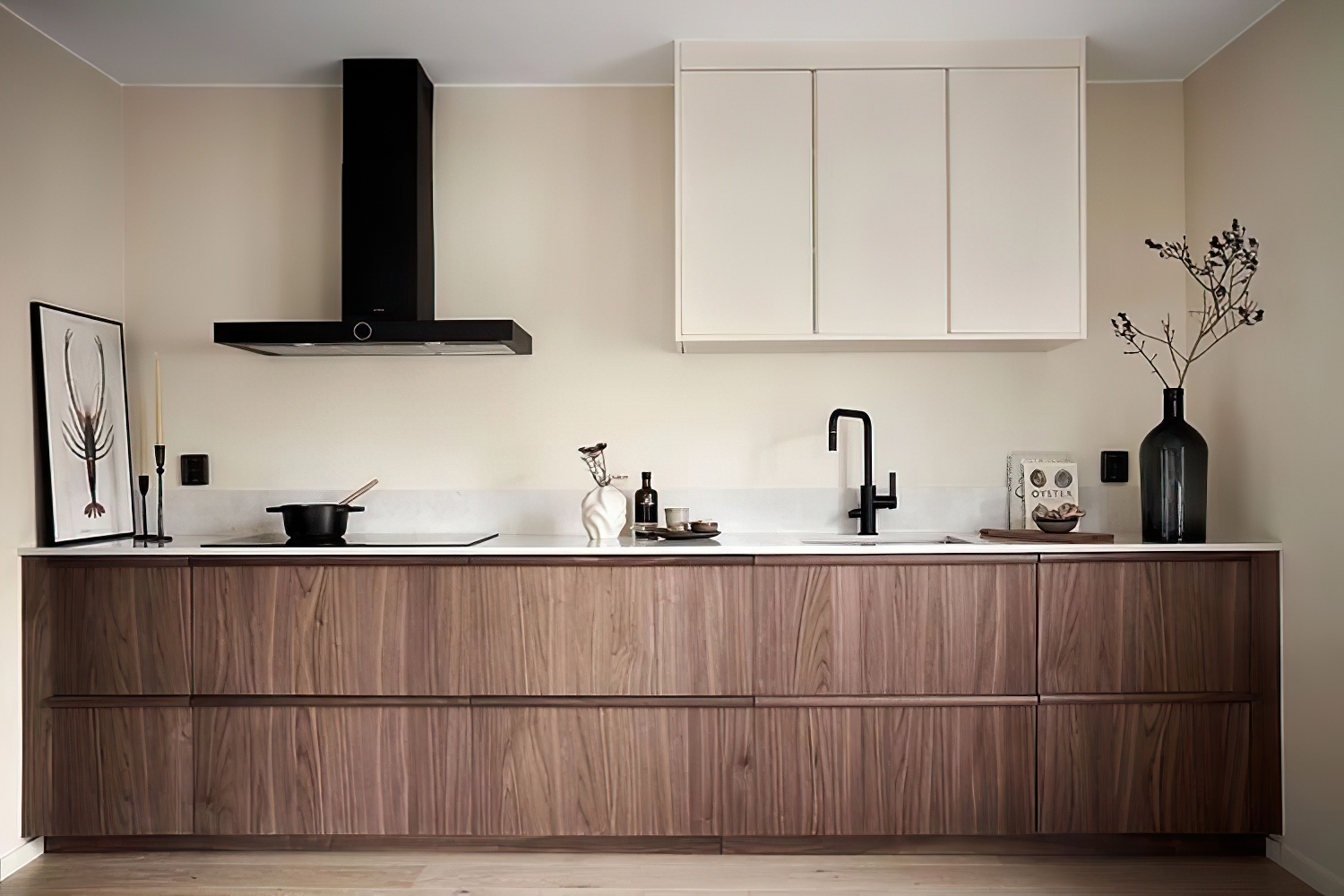
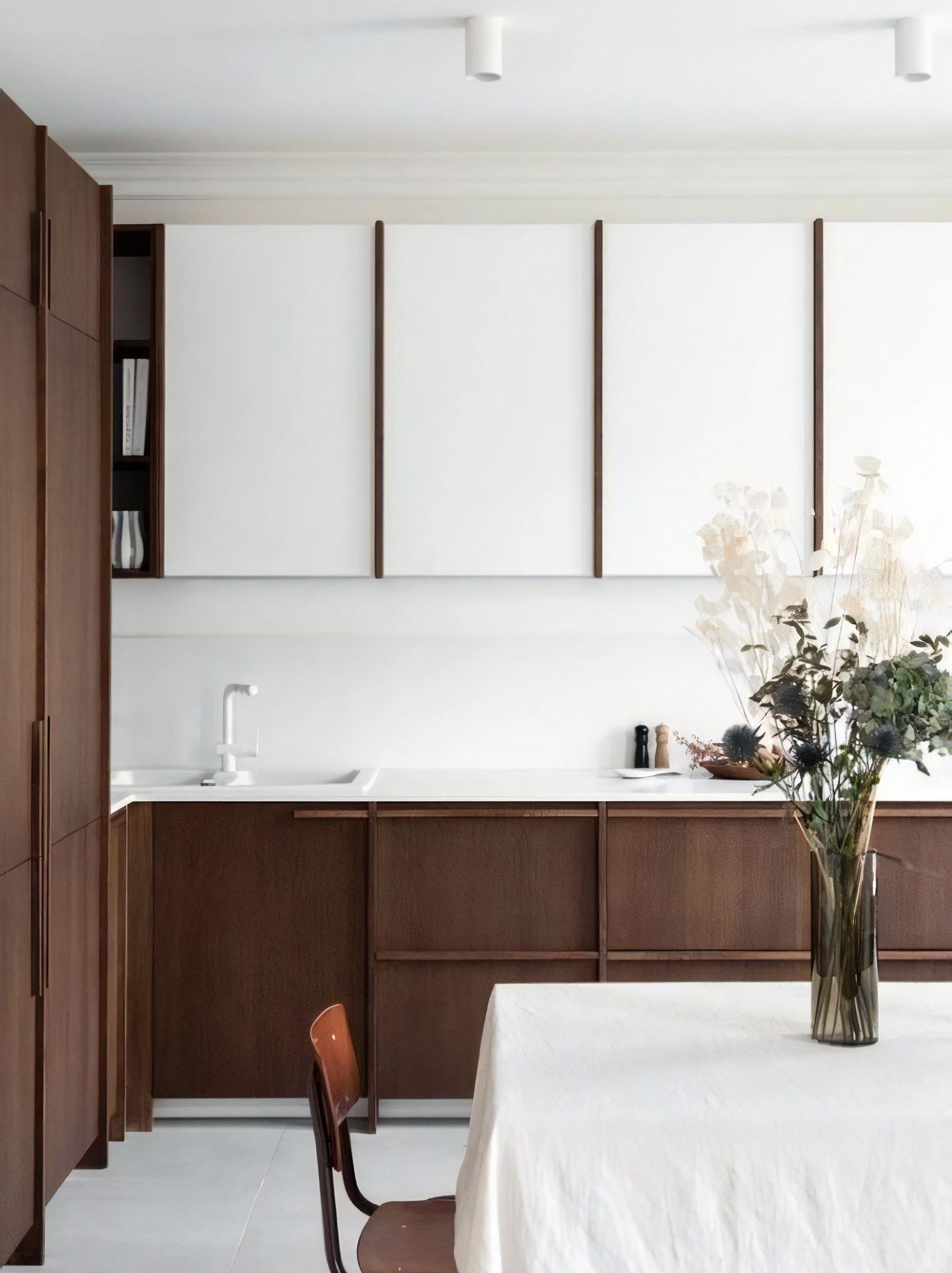
Skeleton lines are crafted on cabinet doors to create three-dimensional, staggered contours—like a skeletal framework that defines the visual structure of the cabinet. This is a structural design element, not mere ornamentation, perfectly aligning with the restrained, minimalist ethos of mid‑century modern style. The raised lines form natural recesses and gentle slopes, serving as a seamless alternative to traditional handles; light and shadow play across these contours, generating rich layers and depth, while eliminating the cheap, assembled‑look typical of standard panel cabinets and elevating the overall tactile quality of the entire cabinetry suite.
II. Three Practical Advantages of Skeletal-Line Cabinet Doors, Tackling Common Home‑Living Pain Points
Integrated handle-free design: streamlined grooves conform to your fingertips, and a gentle nudge of the elbow is all it takes to open the door when carrying items or holding a child—no additional handles required, making it more convenient for entryways, bedrooms, and kitchens. BOSNIE Private Residence Customization features uniformly optimized curved lines, ensuring smooth, comfortable opening and closing without any discomfort.
No bumps or collisions at home—providing peace of mind for both young and old. With no protruding metal handles, seniors can move about and children can play without risk of bumping or getting hurt. It’s the top choice for families with kids, helping to eliminate household safety hazards through thoughtful design.
No dead corners for easier cleaning—eliminating hand‑grip bases and screw gaps, with no hidden crevices where dust can accumulate. A quick wipe with a cloth leaves it spotless, significantly cutting down on everyday housework.
III. Real-World Applications Across Three Major Spaces, Maximizing the Vintage Vibe
Entryway Shoe Cabinet | Horizontal Structural Lines That Steal the Spotlight at First Glance
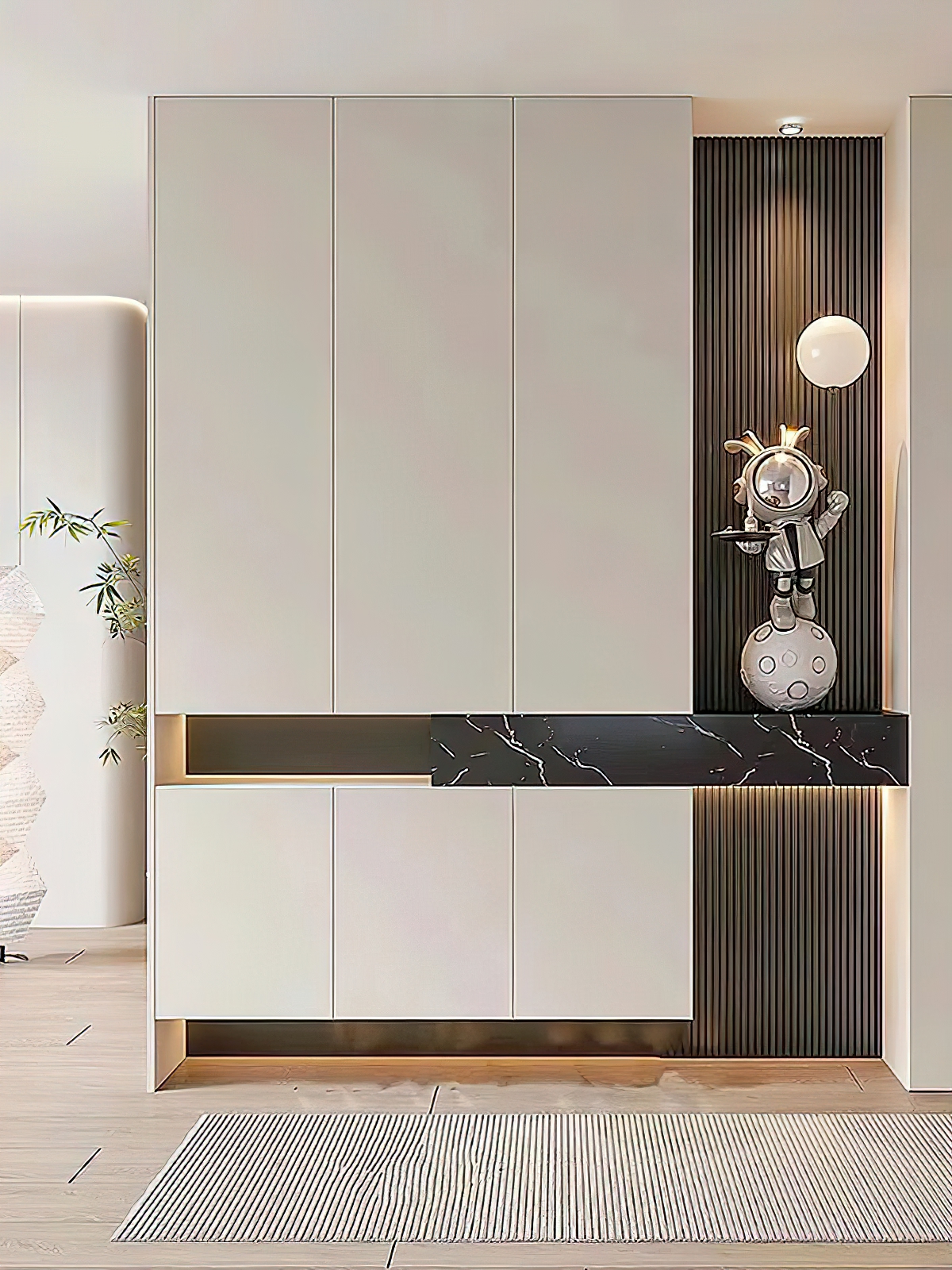
A walnut‑wood horizontal‑lined shoe cabinet is the stylish centerpiece of your entryway. When carrying packages or groceries, you don’t need to free up your hands—simply give the door a gentle push to easily store or retrieve your shoes. BOSNIE lets you adjust the number and spacing of the lines to suit your foyer’s dimensions, blending vintage charm with practical storage.
Living room wall-to-wall storage cabinet | Hidden storage for a clean, clutter-free TV wall
The full‑height skeletal‑line storage cabinet, crafted with a seamless teak veneer finish, appears from afar as a vintage decorative wall, while up close it reveals ample storage space. Its handleless design leaves the projection screen unobstructed, and the suspended drawers below discreetly conceal cluttered cords. BOSNIE Private Residence Customization allows you to tailor the design—with floating elements and slab‑stone inserts—to soften the sense of visual heaviness often associated with floor‑to‑ceiling cabinetry.
Bedroom Wardrobe | Vertical Lines Elevate the Space, Keeping Small Bedrooms from Feeling Confined
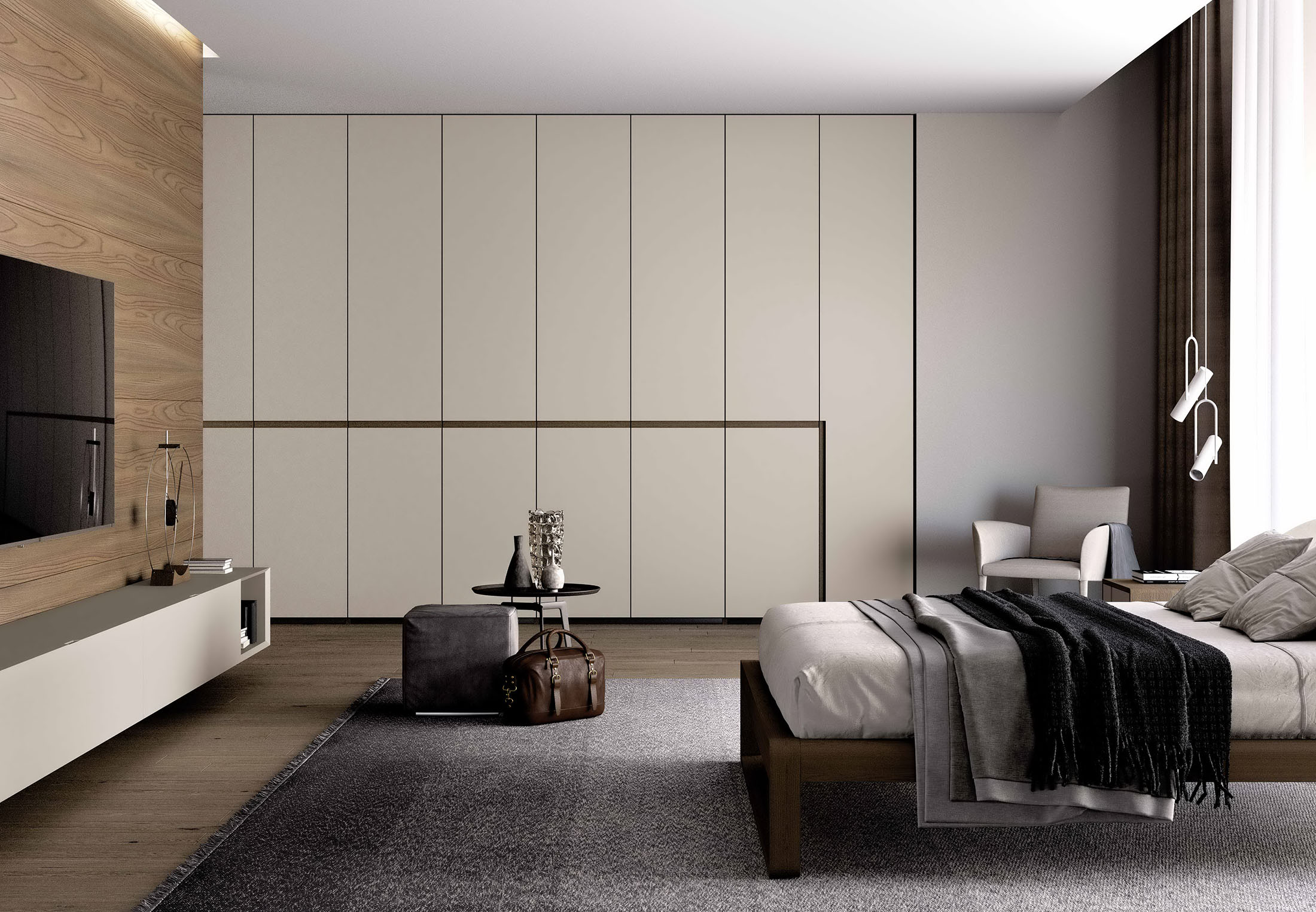
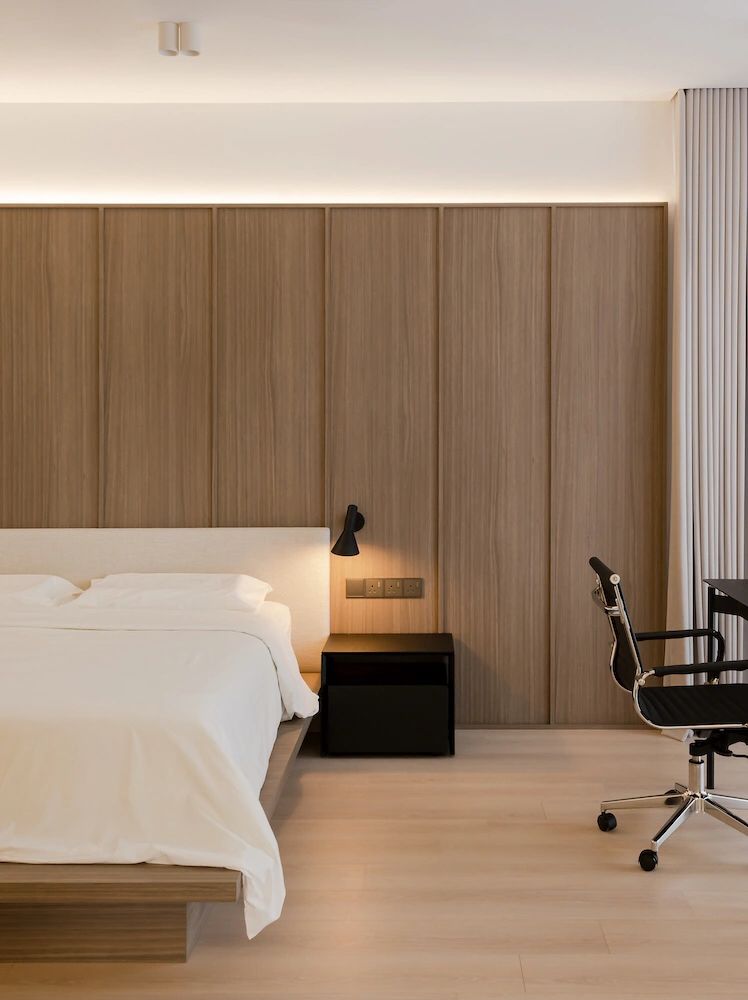
Vertical skeletal lines visually elongate the space, making even small bedrooms feel spacious and airy. Paired with a latte‑hued walnut finish, the palette is soft and never heavy. Optional features include open shelving, ambient LED strips, and a floating stone‑slab design—combining storage and display in one. With the lights off, it exudes a warm, vintage charm; when lit, it creates an inviting, mood‑setting ambiance.
IV. Key to Avoiding Pitfalls in Customization: Don’t Overlook the Hinge Manufacturing Process
The one detail in skeletal‑line cabinet doors that’s most prone to failure is hinge matching. At BOSNIE Private Residence Customization, designers meticulously verify door panel dimensions and line depths, then select compatible hinges to ensure smooth opening and closing, even door gaps, and eliminate issues like warping or imperfect sealing.
Skeleton‑line cabinet doors may not be the kind of eye‑catching, Instagram‑worthy design, but they’re a choice that grows more comfortable and satisfying with everyday use. Subtle and understated, they strike a balance between mid‑century modern aesthetics and practical, everyday needs. If you’re aiming to create a timeless, functional mid‑century‑inspired cabinetry scheme for your entire home, opting for skeleton‑line, handleless styles is a safe bet.