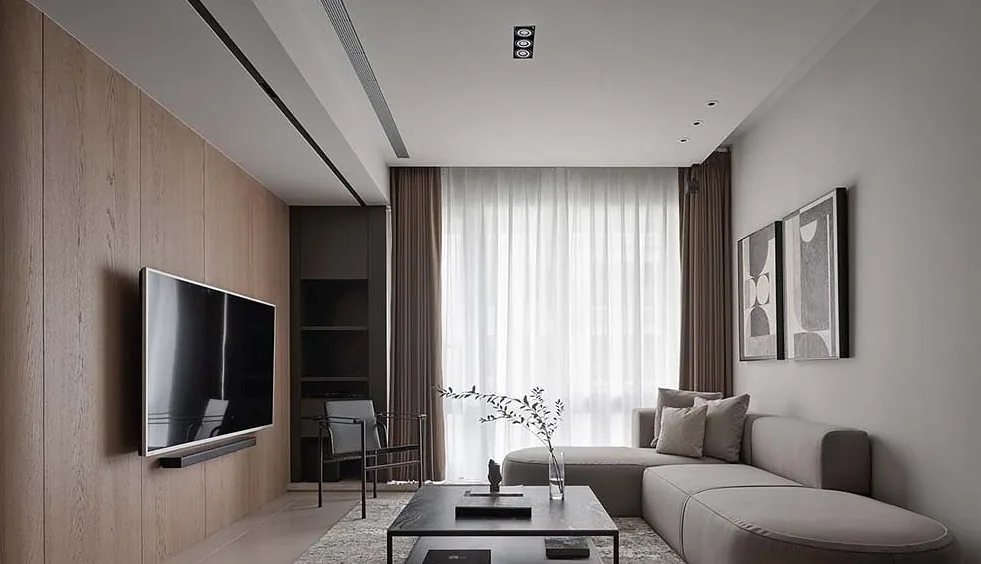
This case showcases a wabi-sabi–inspired whole-house customization design. Join BOSNIE’s editorial team as we explore this project.
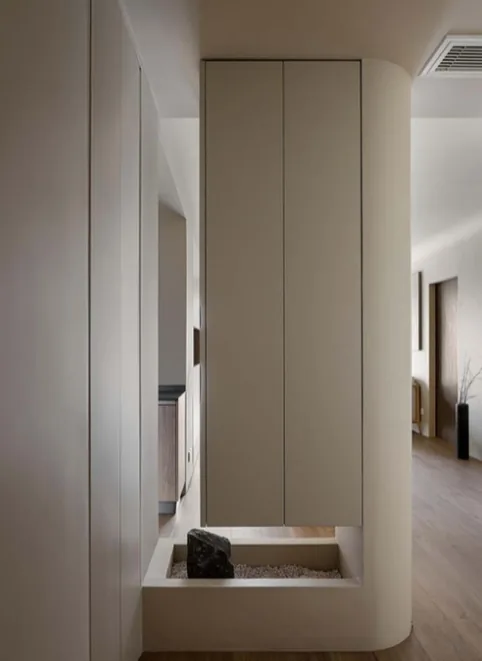
Entryway – Wabi-sabi style embodies the aesthetic philosophy of finding beauty in imperfection—revealing inner elegance through deliberately rough, unrefined surfaces.
Living Room – As an interior design approach, wabi-sabi fundamentally prioritizes human comfort and livability. Functionality comes first: for basic residential needs, wabi-sabi is entirely sufficient; however, integrating additional aesthetic elements risks visual or conceptual conflict.
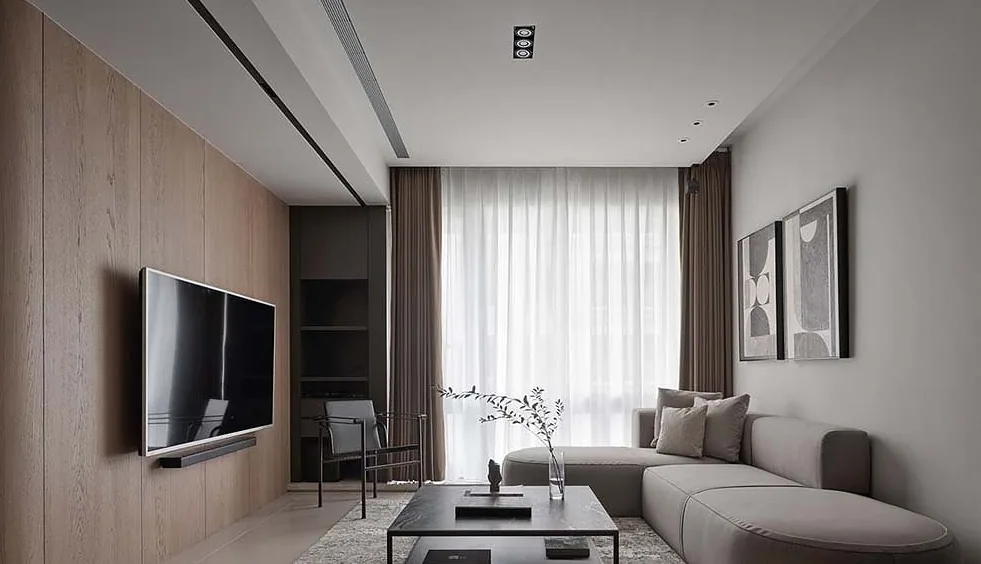
Dining Area – Wabi-sabi interiors deliberately avoid overt luxury. Rather than emphasizing excessive refinement, they embrace simplicity—using intentionally uneven, minimally processed materials to evoke raw authenticity and celebrate natural textures.
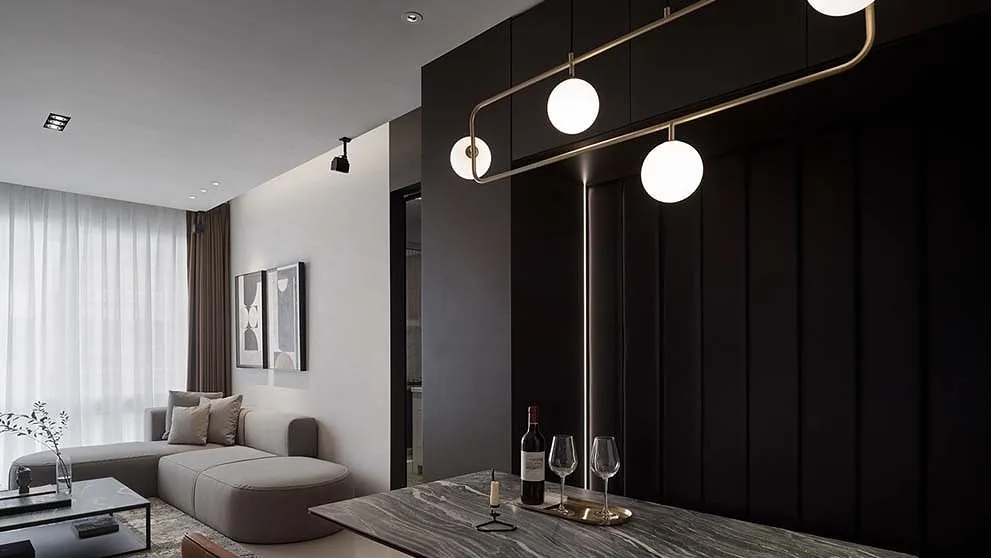
Kitchen – Clean and minimalist. Every element—from structural finishes to soft furnishings—is rigorously edited: no superfluous decor, no ornate ceilings or carved wall panels, no vividly colored artwork, and no redundant soft-furnishing combinations.
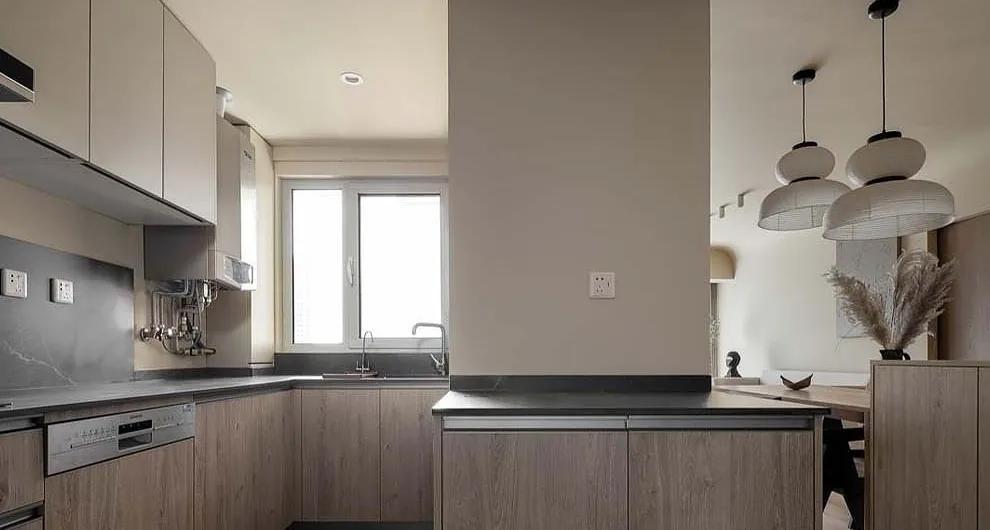
Bedroom – Rustic yet genuine. Prioritizes organic, unprocessed materiality—highlighting authentic surface qualities and natural textures, such as weathered metal or aged wood.
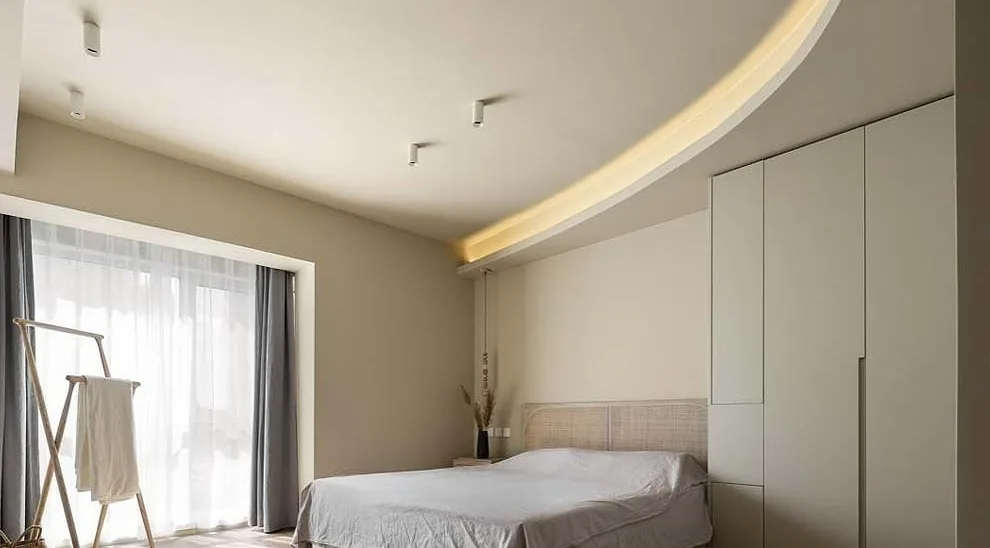
Bathroom – Wabi-sabi often features exposed concrete walls or concrete-inspired elements, with grey tones dominating the palette to reinforce a serene, understated simplicity.
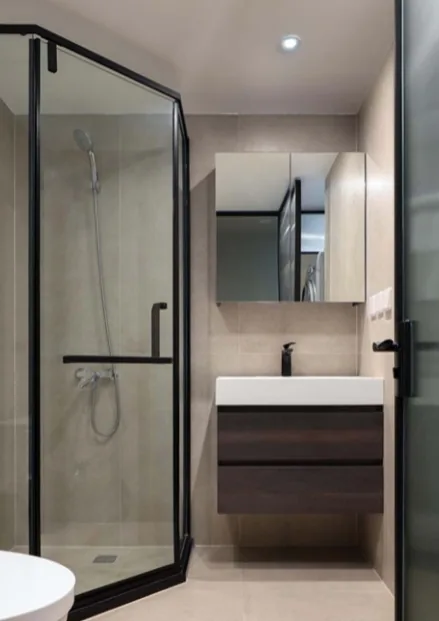
That concludes our presentation of this wabi-sabi–inspired whole-house customization case. If you enjoyed it, feel free to leave a comment for BOSNIE’s editorial team!