This case showcases a minimalist, whole‑home design. Let’s take a look at it together with BOSNIE!
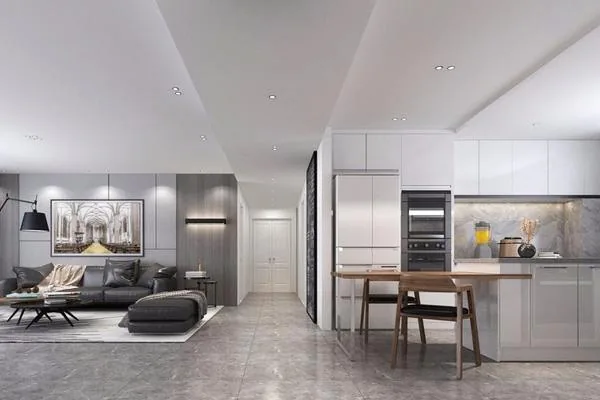
The colorful world outside, combined with its chaotic sounds, can become tiresome to both see and hear. Back at home, I crave a bit of peace and quiet, so I opted for colors with lower saturation, primarily shades of gray.
Both the soft furnishings and furniture lean toward a touch of understated luxury—simple yet far from monotonous—enhancing the space’s refined elegance. A rug was also laid on the floor, and the designer chose gray-toned tiles.
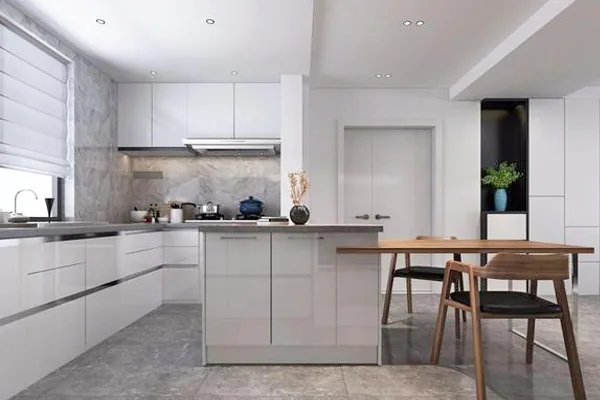
The open-plan dining area and kitchen avoid partitions partly because we didn’t want to disrupt the apartment’s excellent north–south ventilation.
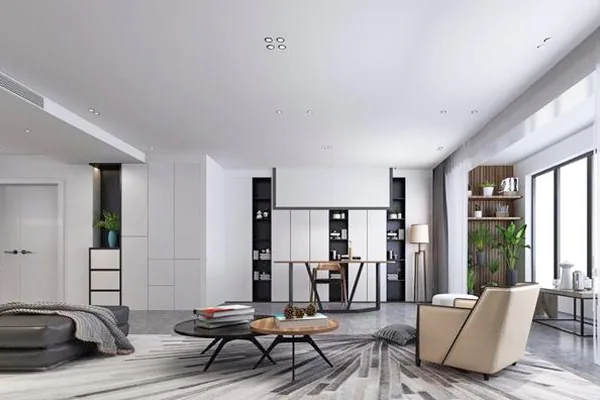
The living room is quite spacious; this side serves as the living area, while the opposite end functions as a study. With such a large space, it could easily feel cold and empty, so we added a rug to soften the atmosphere.
A metallic‑toned leather sofa elevates the living room’s sophistication, and lighting in every corner must be carefully considered—otherwise, the room’s overall gray palette risks feeling oppressive.
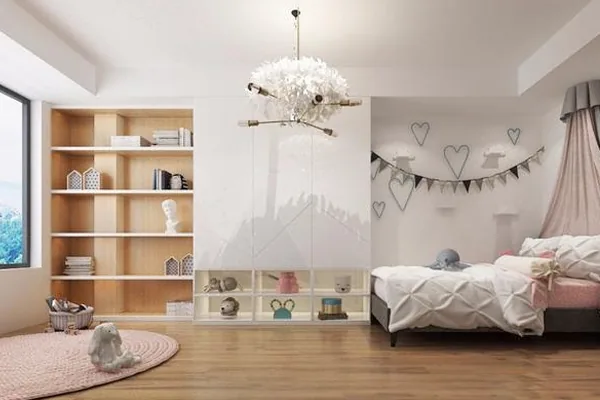
The children’s room is a place where color truly belongs; kids thrive best in vibrant, colorful spaces—especially little girls, which benefits their mental well-being.
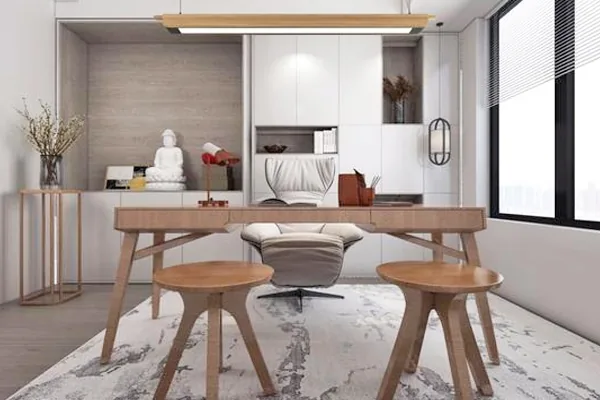
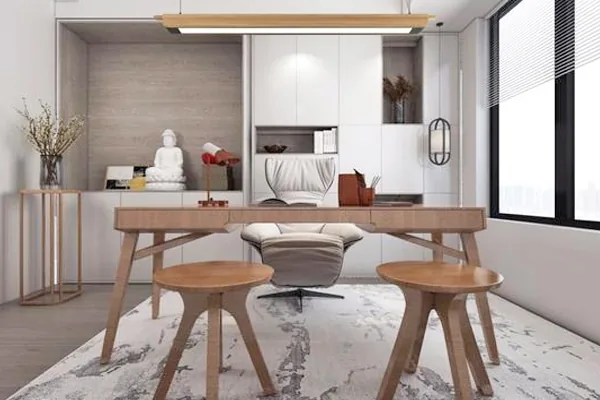
As for the study, all the cabinets were custom-built, creating a sleek, floor-to-ceiling look while eliminating worries about dust settling on the upper shelves.
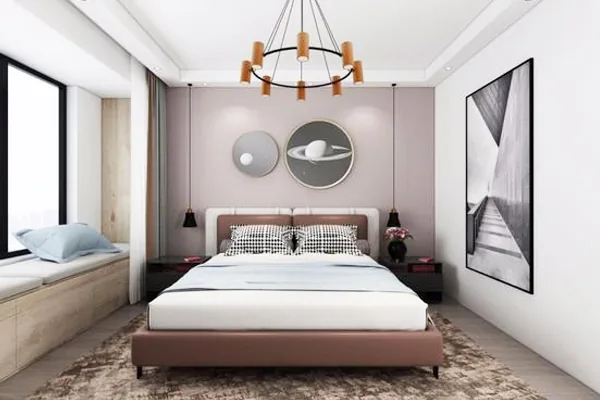
The master bedroom also features low‑saturation hues, leaning toward the Morandi color palette. The bay window area was an addition we designed ourselves—it doubles as both storage and seating.
That concludes our introduction to this minimalist, whole‑home design. If you like it, feel free to leave a comment and interact with BOSNIE!