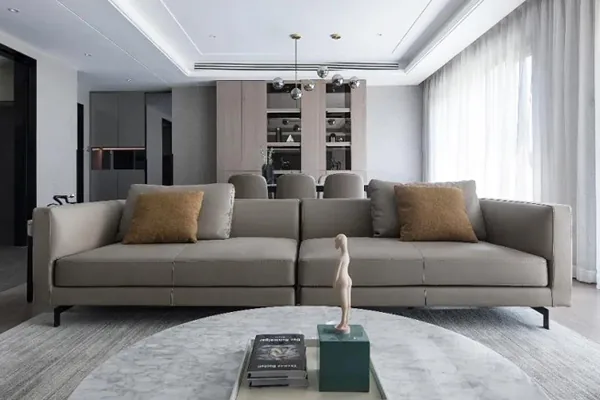
Nowadays, minimalist interior design is gaining popularity, replacing elaborate layouts with pure simplicity and interpreting home decor in a natural, effortless way. This three‑bedroom case adopts a sleek, understated style, paired with simple, comfortable furnishings that create a relaxed, organic living atmosphere.
The living room is a communal space for family interaction and welcoming guests, making its design particularly important. Avoid excessive spotlights; steer clear of low‑quality flooring; don’t cut corners on wiring and plumbing; ensure there are enough power outlets; and keep soft furnishings to a reasonable amount to prevent visual clutter. In short, attention to detail is key when renovating a living room.
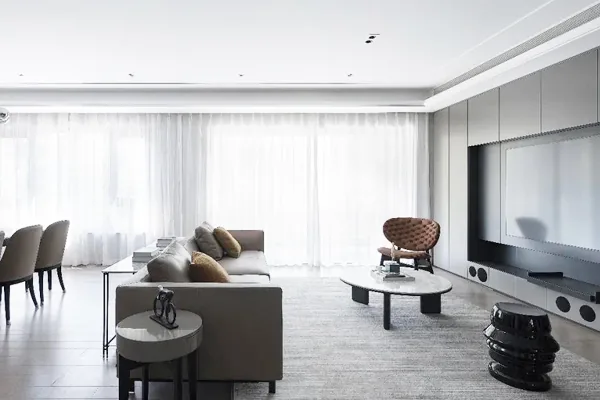
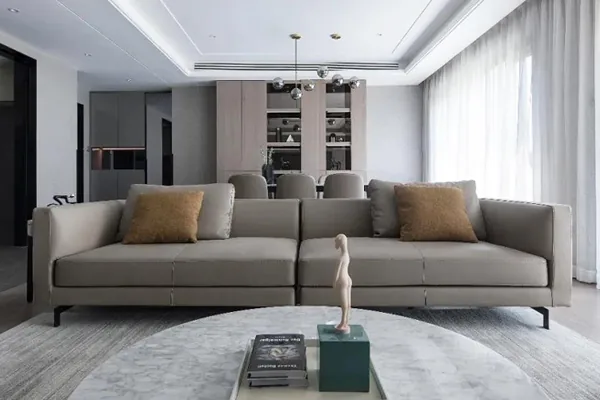
Spatial boundaries are no longer confined to traditional partitions; the living and dining areas flow seamlessly into one, fully showcasing the benefits of the oversized floor‑to‑ceiling windows. A minimalist aesthetic combined with soothing color tones creates a sense of ease and freedom, free from unnecessary complexity, while leaving ample play space for the two young daughters.
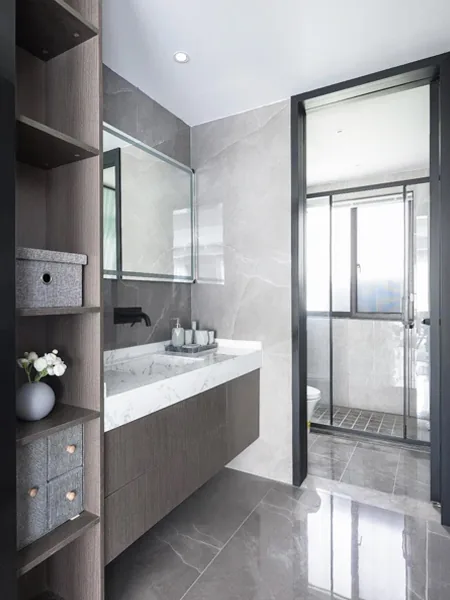
Although the bathroom occupies the smallest area in the home, it’s an aspect of renovation that should never be overlooked. From waterproofing and tile installation to selecting fixtures, every element demands careful consideration. Bathroom partitions are now among the most widely used decorative features, allowing you to create additional storage space within the bathroom.
When it comes to dining room aesthetics, many people emphasize the role of color. Brighter hues and well‑placed lighting work well for dining areas, while walls should feature subtle, elegant tones—avoid overly glaring shades and opt for non‑reflective paints. This approach fosters a bright, inviting ambiance, bringing family members closer together while enhancing the dining experience.
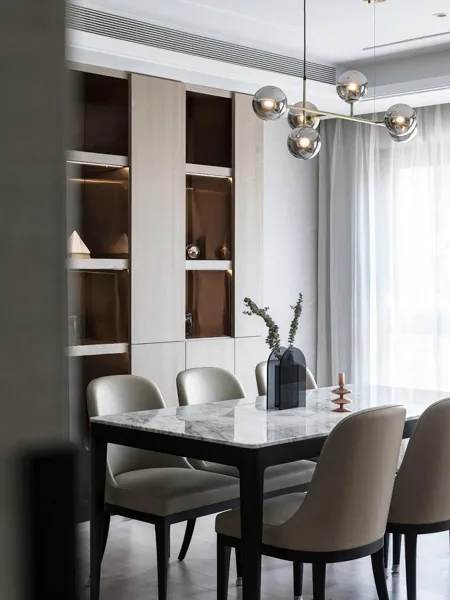
In the dining room, bronze accents lend depth without monotony, while carefully chosen ornaments add a touch of charm. The key lies in the color palette: rather than overpowering the overall design, it enhances the space, creating a warm, cozy, and relaxed atmosphere.
Kitchen renovation is both a crucial and often challenging part of home remodeling. A well‑conceived kitchen design goes beyond simply arranging cabinets, appliances, and utensils; it involves the harmonious integration of the entire environment as a cohesive, systematic project.
Two‑tone cabinetry establishes distinct layers, with drawers, pull‑out baskets, and semi‑open overhead cabinets that are both practical and space‑efficient.
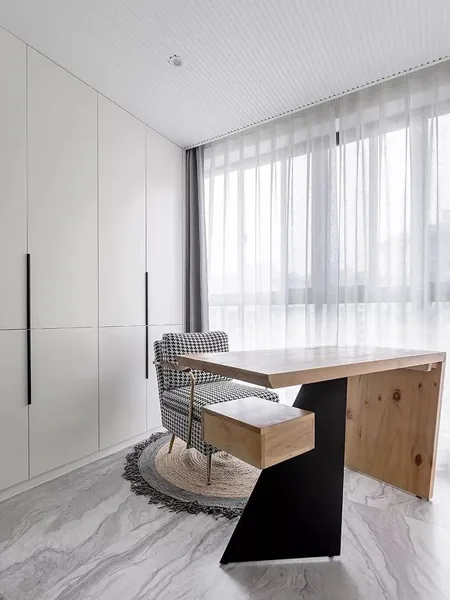
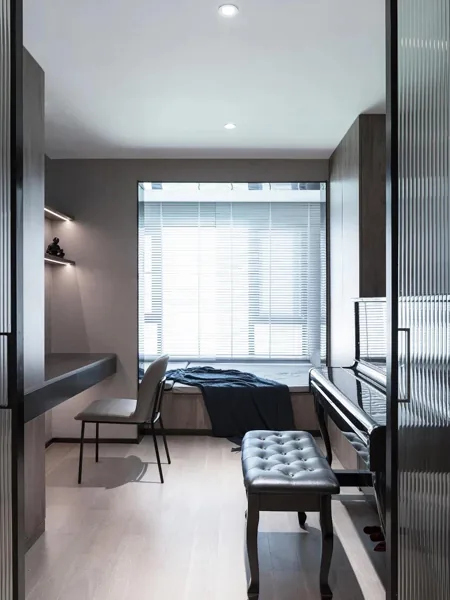
A study is a place for reading, writing, or work, requiring a tranquil, composed atmosphere so one can stay focused and calm. In its design, from layout and organization to color scheme and materials, the study should exude an air of refined serenity—keeping things as simple as possible.