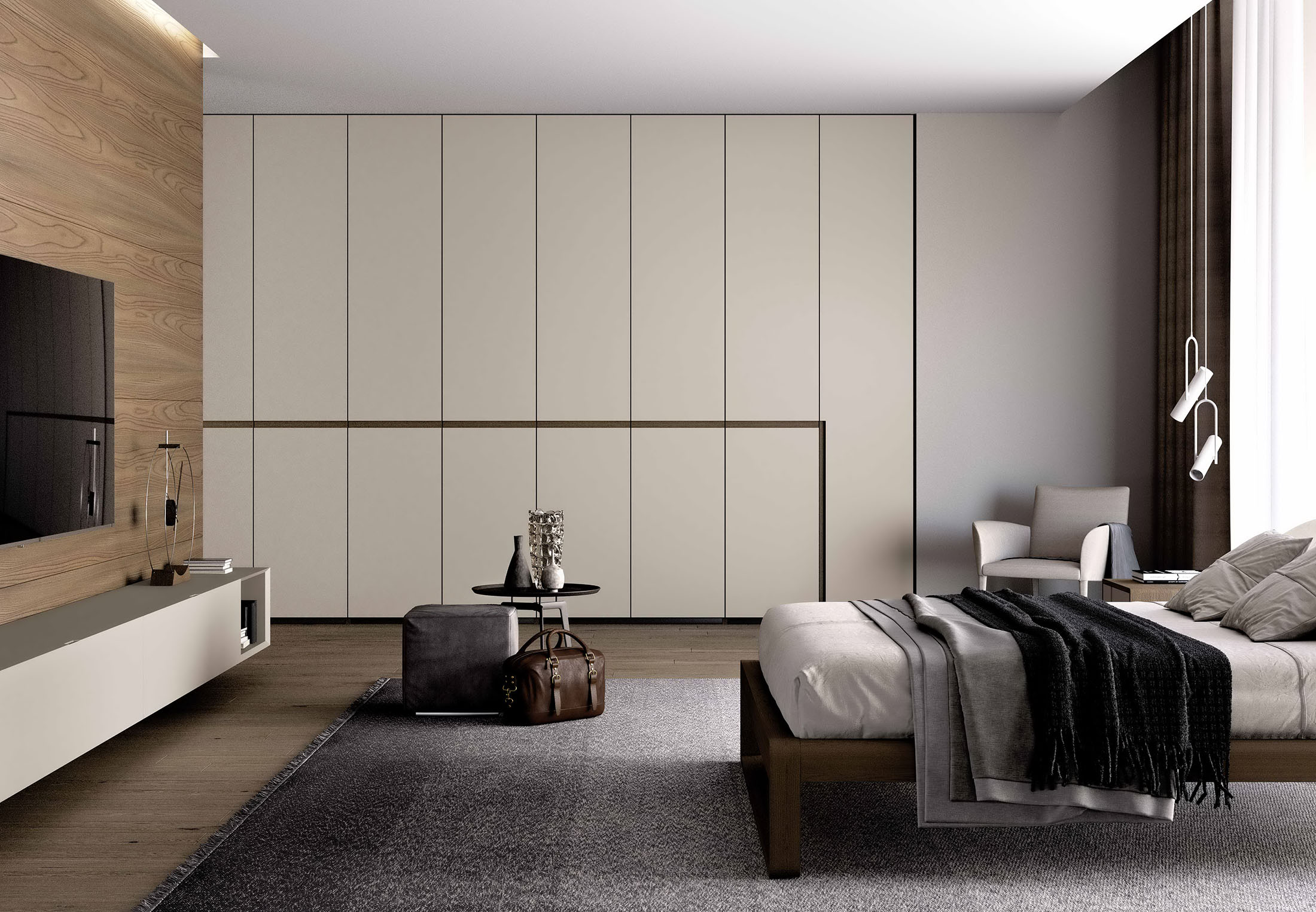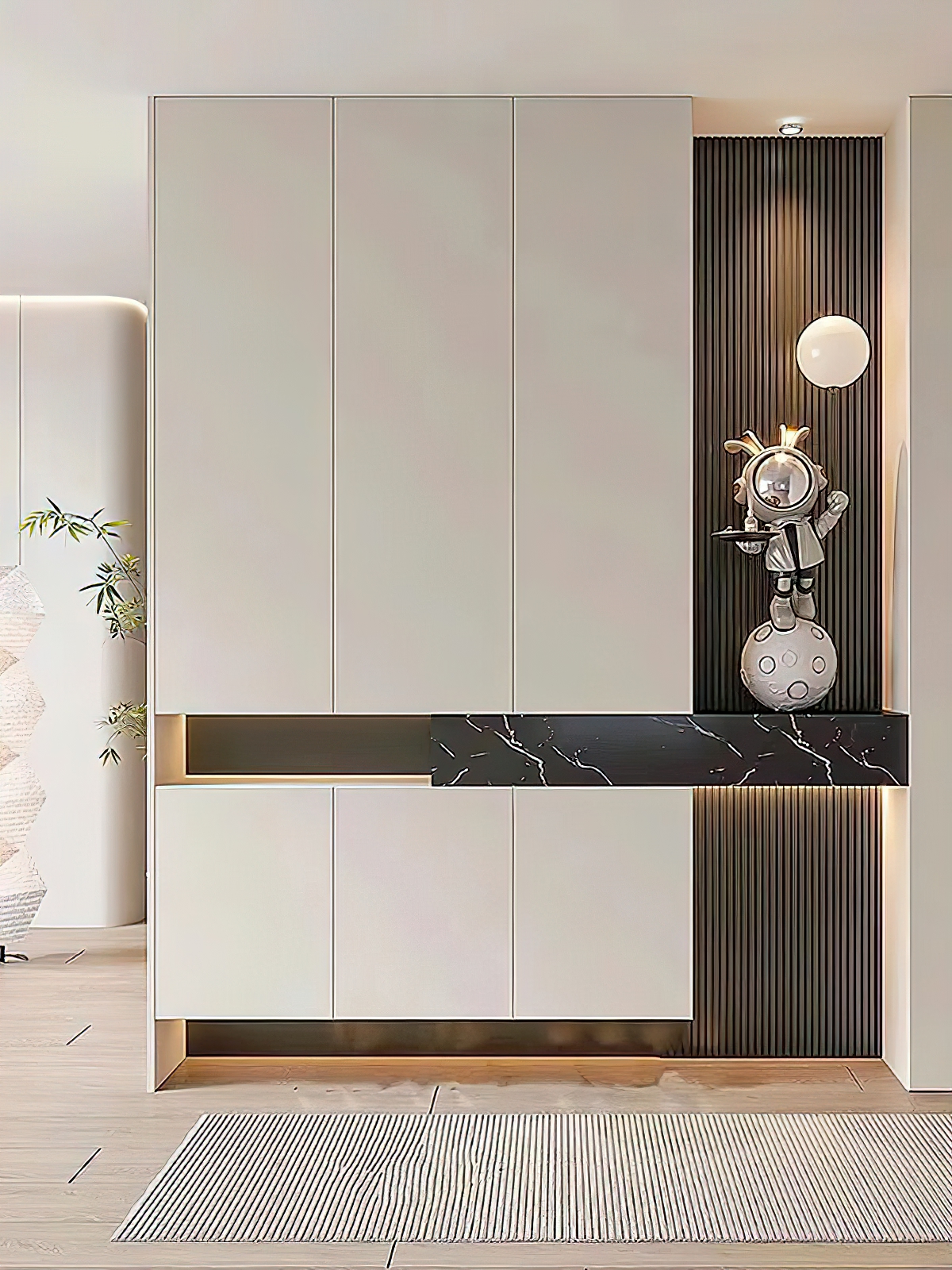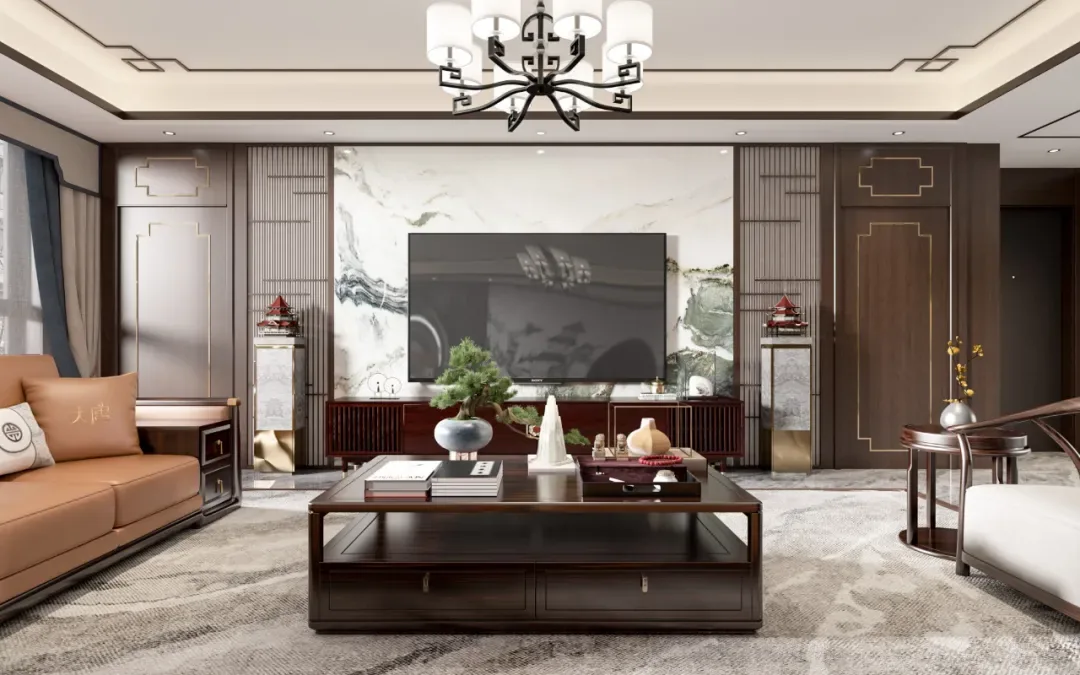
In home styling, some people are drawn to the relaxed, natural wood aesthetic; others prefer the sweet, gentle cream tone style; and still others favor the refined, understated luxury look—each style carries its own distinct character and serves as a personal interpretation of an ideal lifestyle.
Especially the living room’s visual centerpiece—the TV wall—sets the tone for the entire home’s design quality. Today, we’ve curated eight popular design styles—take a look and discover which one resonates most with you!
01 Mid-Century Modern

Mid-century modern style exudes nostalgic charm: a full-wall walnut-toned TV unit paired with rattan accents and curved lines instantly evokes retro sophistication. Ideal for those who appreciate vintage aesthetics and spaces rich in narrative depth—especially when complemented with authentic mid-century furniture.
02 Cream Tone

The essence of the cream tone style lies in its ‘soft, soothing warmth.’ TV walls typically feature light hues—such as beige, pale apricot, or creamy yellow—with warm wood veneers and matte latex paint as primary materials. A seamless, wraparound design softens edges and enhances spatial harmony—perfect for households seeking cozy ambiance and gentle tactile appeal.
03 Italian Understated Luxury

Italian understated luxury emphasizes ‘refined elegance in restraint.’ TV walls often incorporate marble-look finishes, subtle metal inlays, and concealed LED lighting—not flashy or ostentatious, yet expressive through thoughtful material juxtaposition. Ideal for those pursuing high-quality living and appreciating meticulous craftsmanship.
04 Italian Minimalism

Italian minimalism embodies the principle ‘less is more.’ Its palette centers on black, white, gray, and off-white—with occasional deep coffee accents. Natural material textures take center stage, while superfluous ornamentation is deliberately omitted. The result is a calm, disciplined sense of sophistication—spacious, airy, and deeply grounded—suited for those who value purity of form and intentional spatial presence.
05 Contemporary Minimalism

Contemporary minimalism balances practicality and aesthetics: TV walls are clean and uncluttered, predominantly in light tones, often accented with simple geometric forms or integrated storage units to maximize functionality. Universally adaptable across apartment sizes—from compact studios to expansive flat-floor layouts—it consistently delivers a serene, comfortable living environment.
06 Natural Wood Style

The Natural Wood Style emphasizes an organic, nature-inspired aesthetic. Feature walls are typically clad in light-toned natural wood veneers that showcase the wood’s authentic grain and texture. With minimal ornamentation, this style evokes the serene comfort of being immersed in nature—ideal for families who value simplicity, natural beauty, and a soothing, restorative atmosphere.
07 Light French Style

The Light French Style moves away from traditional European opulence and ornate carvings, instead focusing on clean lines and refined materiality. Anchored in soft beige and light gray tones and accented with delicate plaster moldings framing architectural elements, it creates an elegant yet airy ambiance—perfect for those who cherish refined living and meaningful, ritual-infused moments.
08 New Chinese Style

The New Chinese Style harmoniously blends classical motifs with contemporary design sensibilities. Feature walls often incorporate wooden latticework, ink-wash stone textures, or wood veneers. Dominant hues include deep brown and beige, lending an inherently calm, understated Eastern elegance. Paired with Ming-style armchairs and thoughtfully placed greenery, the space feels culturally rich yet refreshingly uncluttered—ideal for families drawn to heritage aesthetics and tranquil sophistication.
Trends evolve—and so do design philosophies. There is no single ‘right’ answer. The best choice is always the one that aligns seamlessly with your lifestyle and personal taste. Whether you’re captivated by the polished elegance of Scandinavian-inspired European design, the gentle warmth of cream-toned interiors, or any other aesthetic, BOSNIE Private Residence Customization brings your dream home to life.