BOSNIE An Aesthetic Space Where Doors, Walls, and Cabinets Unite
Living Knowledge · 2023.05.24

BOSNIE An Aesthetic Space Where Doors, Walls, and Cabinets Unite

In today’s world, where more and more people embrace the “efficient minimalism” lifestyle, simple, comfortable, and sophisticated home designs have become the new mainstream. As an extension of minimalist design principles, the integration of doors, walls, and cabinets aligns perfectly with modern living aspirations and has quickly become a trend in personalized customization. Door-wall-cabinet integrated design offers a one-stop whole-home solution that combines doors, wall panels, and custom cabinetry. By seamlessly blending design with space, it creates a unified aesthetic throughout the home while optimizing functionality, ultimately maximizing the value of your interior spaces. Breaking conventional boundaries, extending the visual...

As more and more people embrace the “efficient minimalism” lifestyle, simple, comfortable, and sophisticated home design has become the new mainstream. Door‑wall‑cabinet integration, as a natural extension of minimalist design principles, aligns perfectly with today’s lifestyle aspirations and has swiftly become a trend in personalized customization.
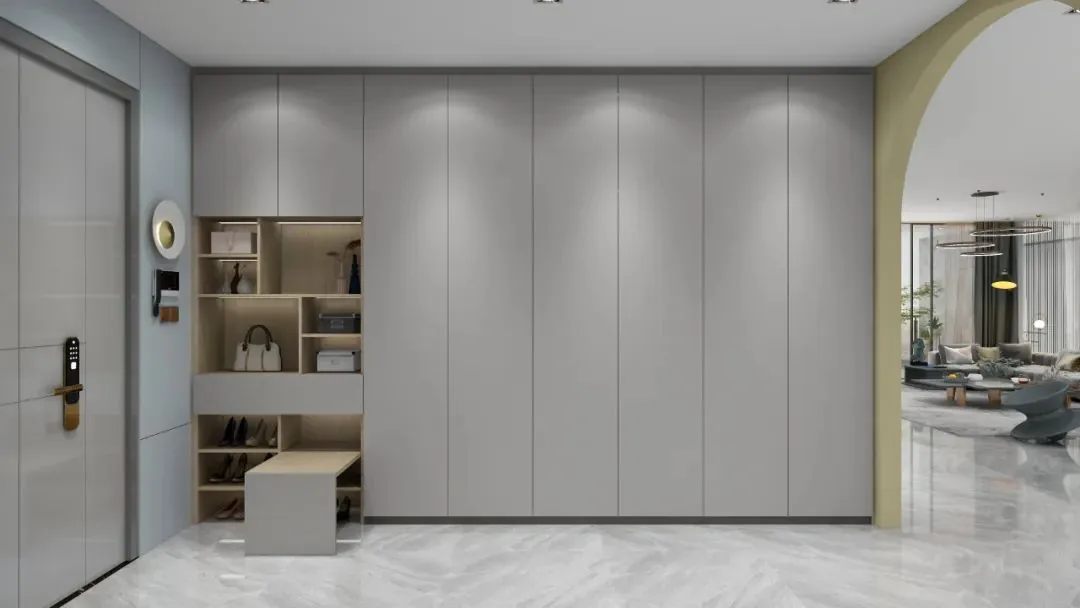
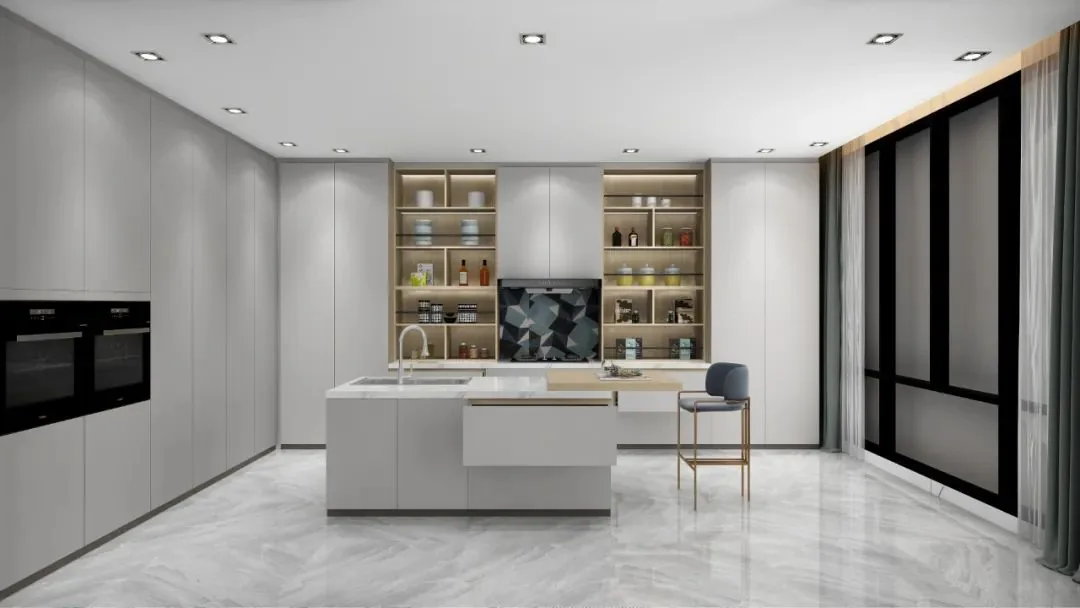
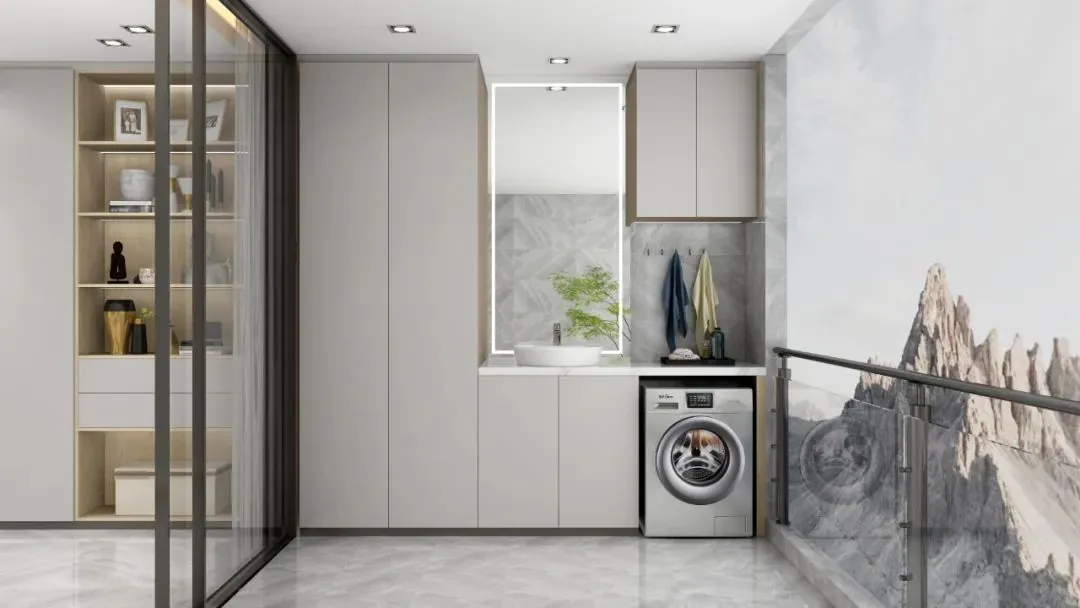
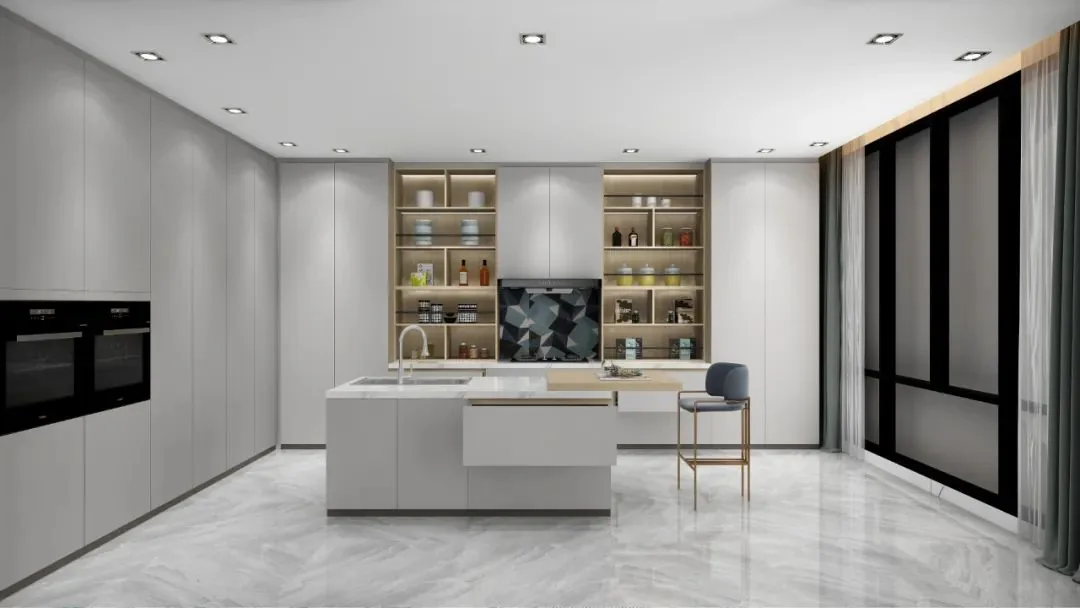
Door‑wall‑cabinet integrated design is a one‑stop, whole‑home customization solution that combines doors, wall panels, and custom cabinetry. By seamlessly blending design with space, it unifies the overall style and optimizes spatial functionality, thereby maximizing the value of the interior environment.

Breaking free from conventional boundaries and extending the visual field, door‑wall‑cabinet integration transcends traditional compartmentalization, linking these three elements into a cohesive whole. Unified design harmonizes the space, establishing a consistent visual framework.
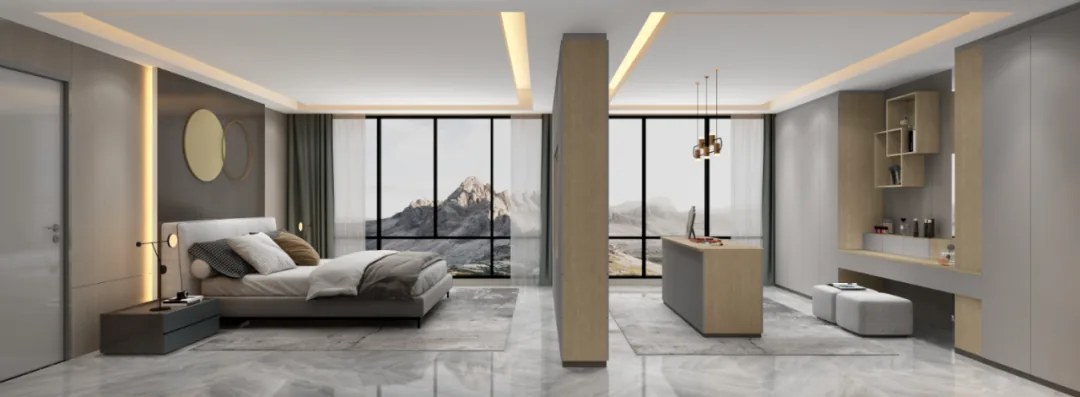
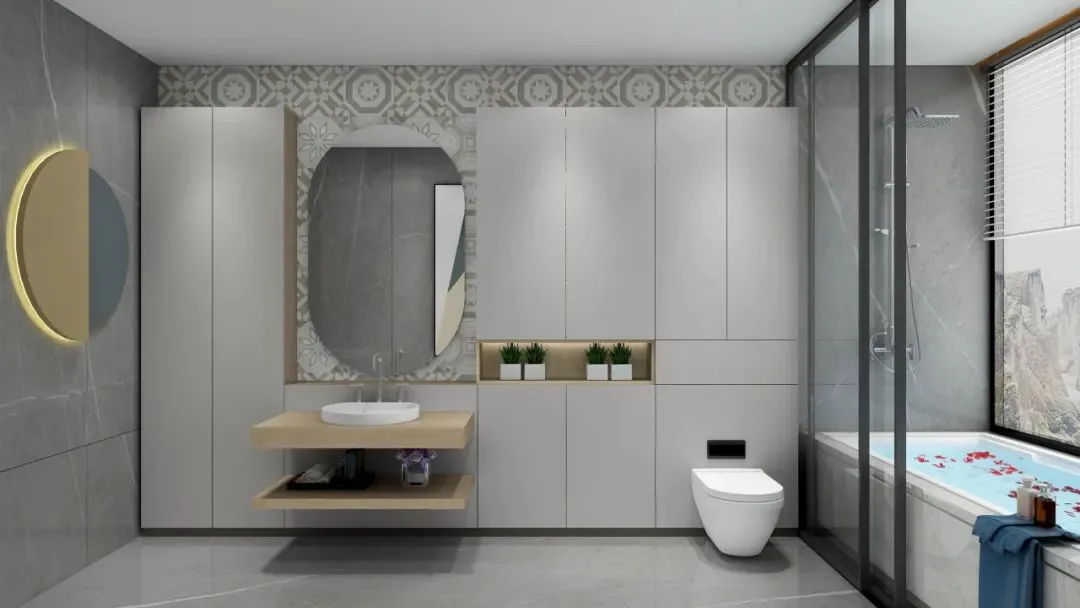
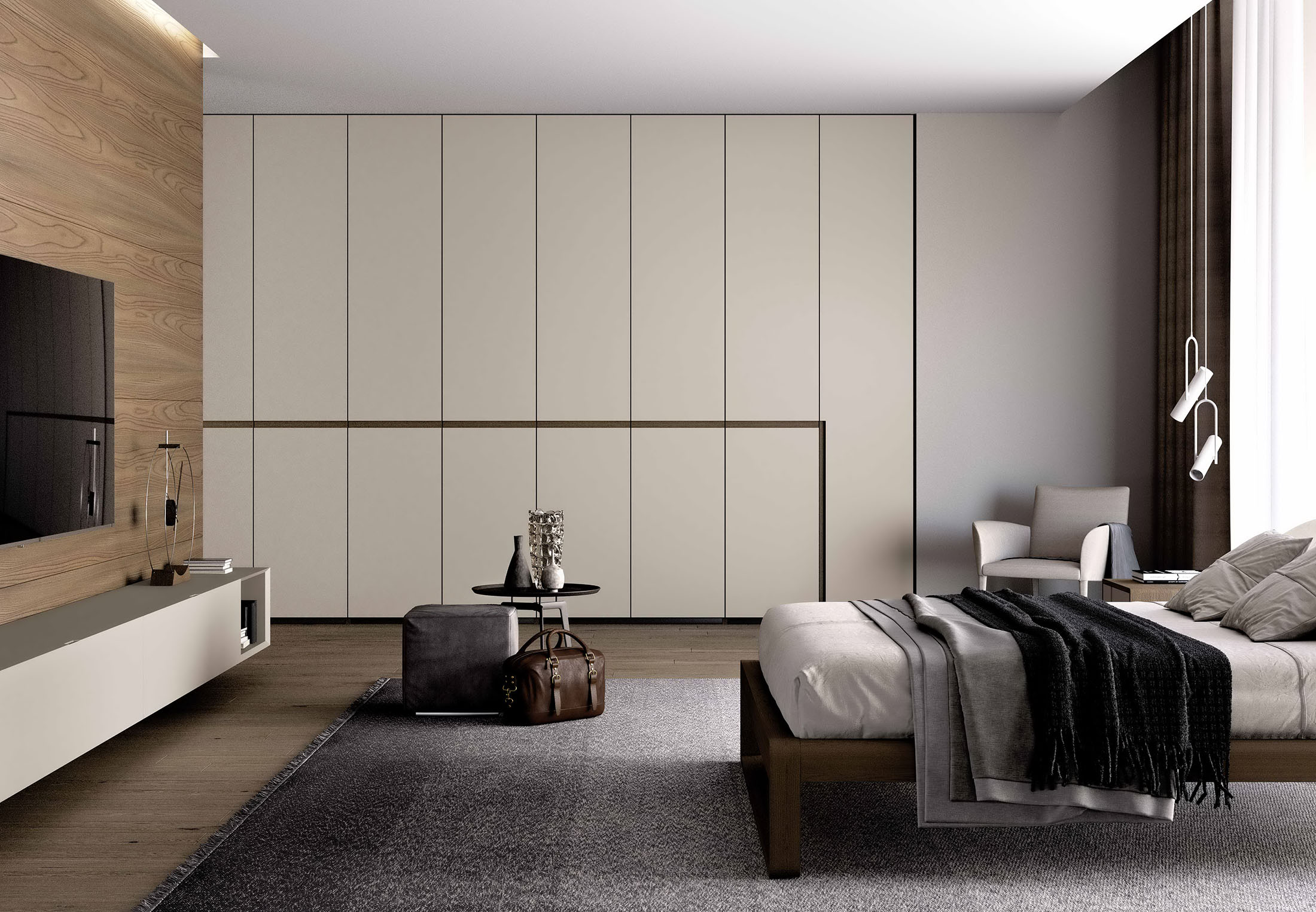
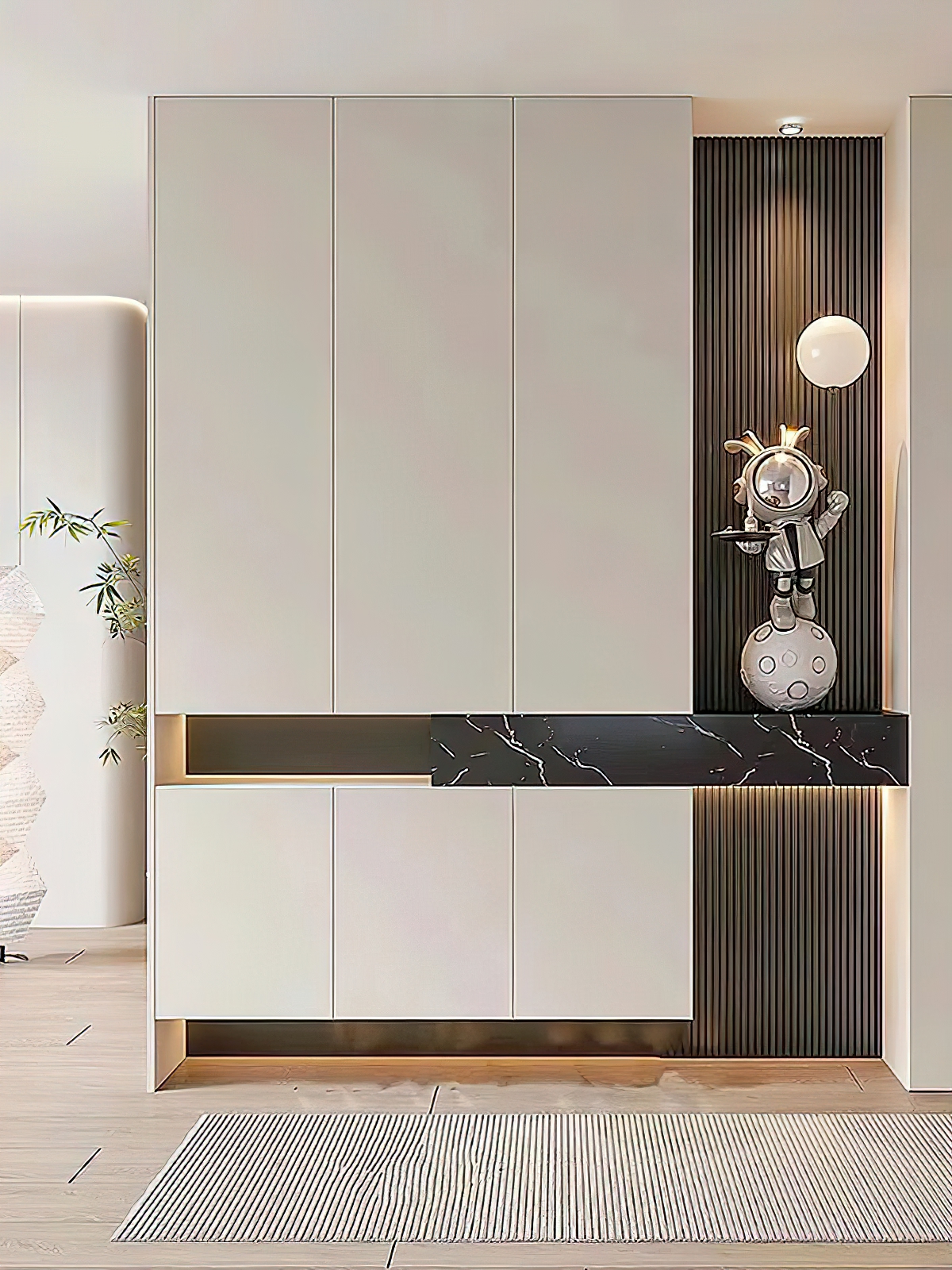
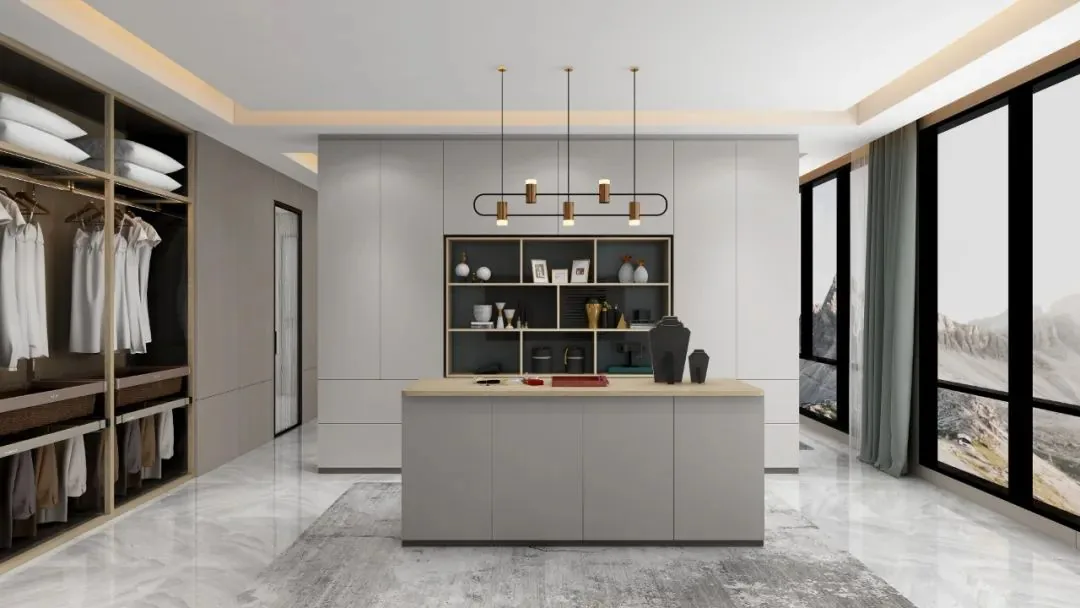
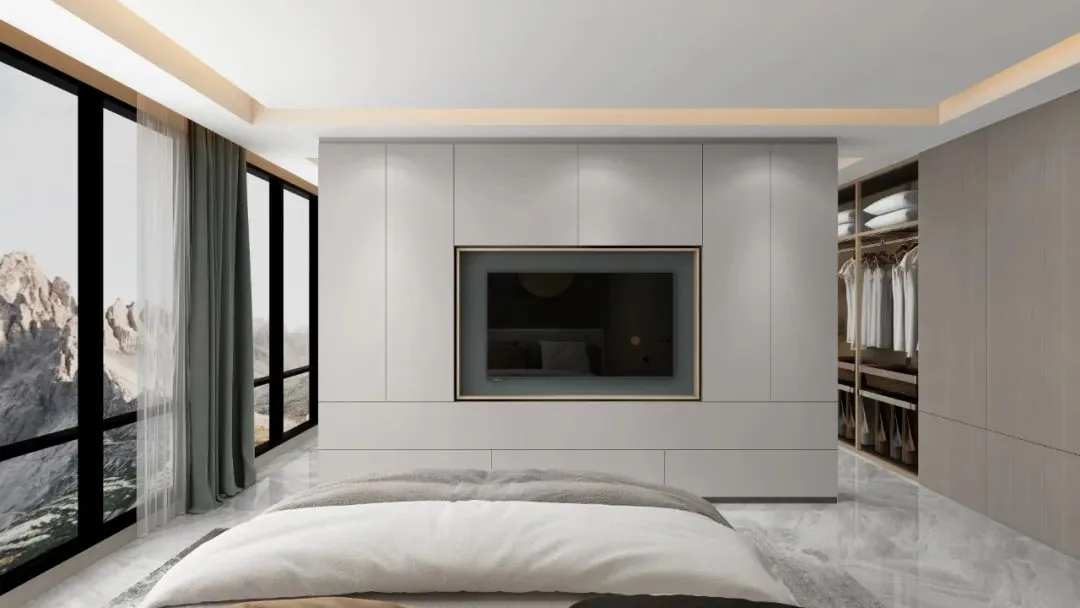
This integrated approach makes the most of wall space, opening up new possibilities for storage. While prioritizing functionality, the design strips away the superfluous, employing orderly arrangements of proportions and lines, as well as a thoughtful interplay of recessed and flush surfaces, to counteract the monotony and emptiness of bare walls—infusing the space with a powerful presence and a sense of refinement. The result is a balance of harmony and vitality, simplicity without sacrificing elegance.
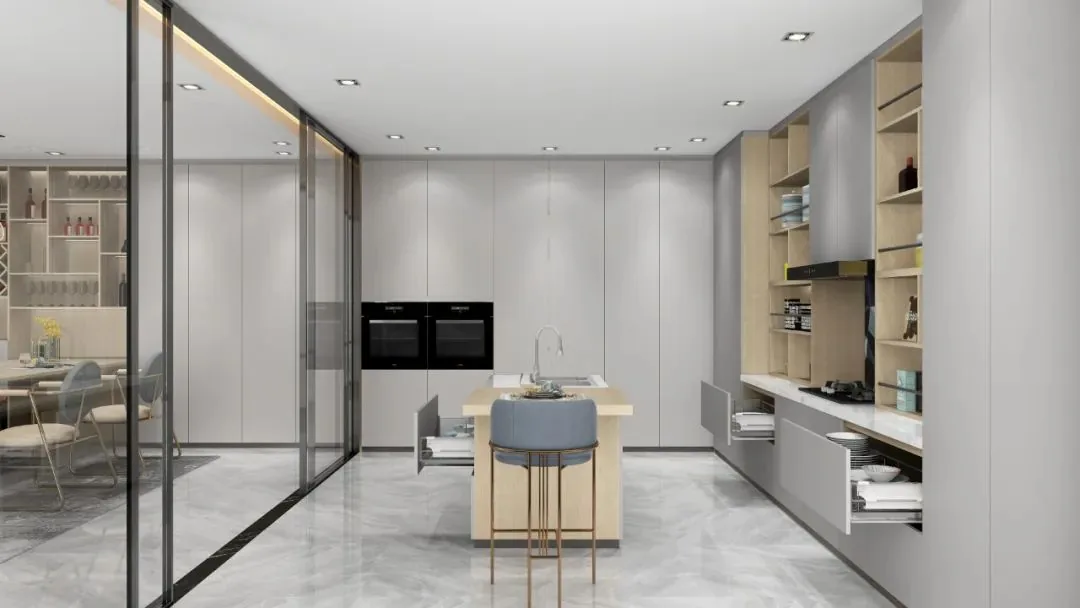
In the dining room, door‑wall‑cabinet integration merges the door with the wall panel, creating an open‑style storage solution. This not only alleviates the sense of emptiness on the white walls but also elevates the room’s aesthetic appeal, exuding a refined, luxurious dining ambiance.
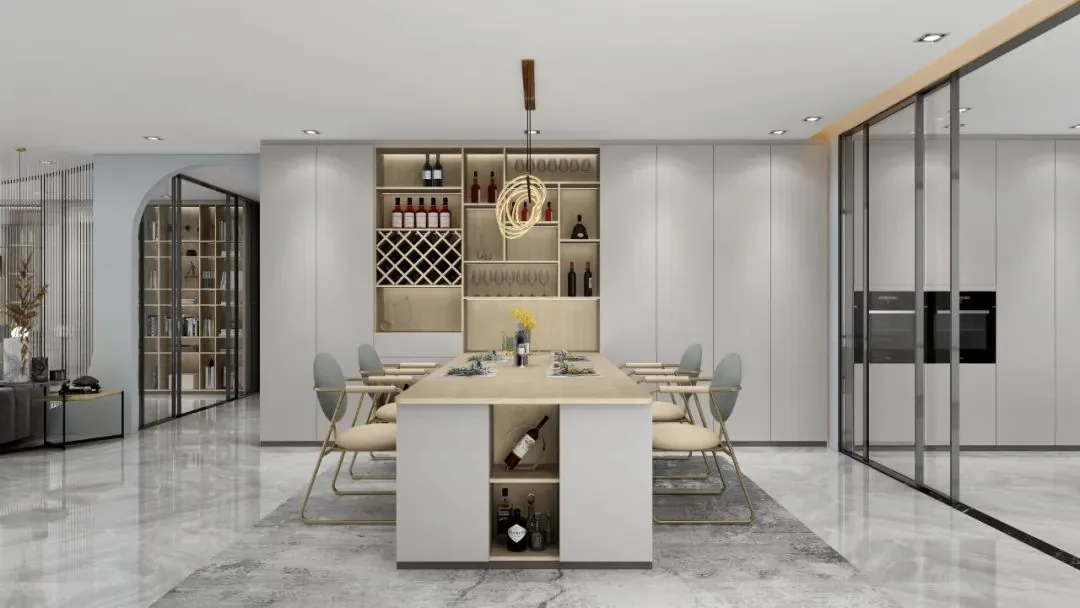
In the living room, door‑wall‑cabinet integration is a highly popular design choice. Along the hallway wall, TV wall, or sofa wall, multi‑functional combination cabinets can be custom‑made, endowing a single space with multiple functions. Walls, bookcases, and hidden doors are seamlessly integrated yet remain functionally independent, resulting in an overall look that is neat, fluid, and grand, conveying a sense of minimalist openness and brightness.
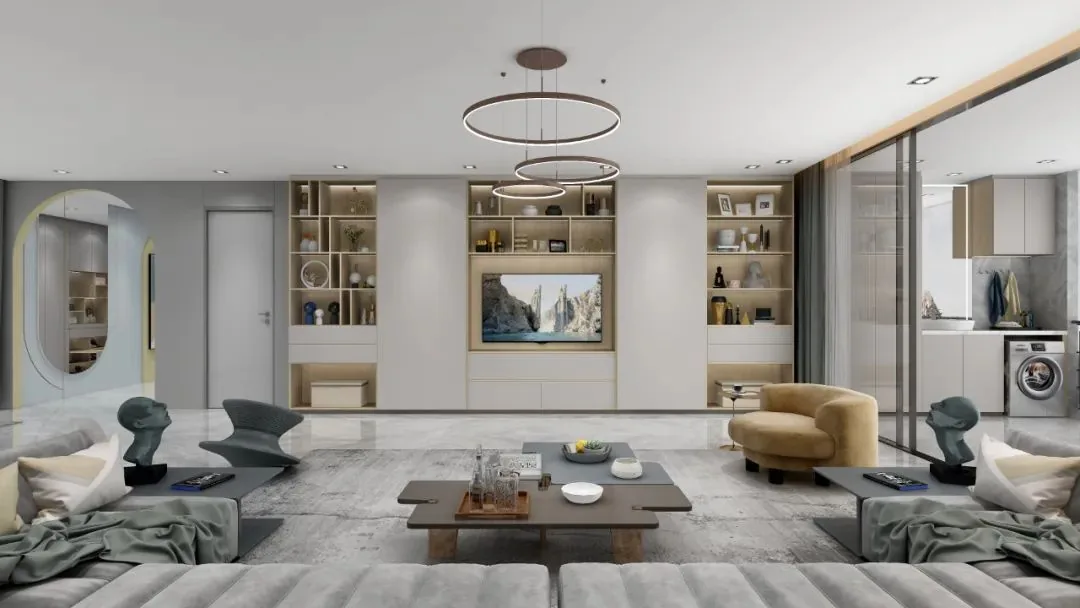
The study adopts a door‑wall integrated design that visually stretches the line of sight, making the space feel more expansive and radiating a sophisticated, luxurious atmosphere.
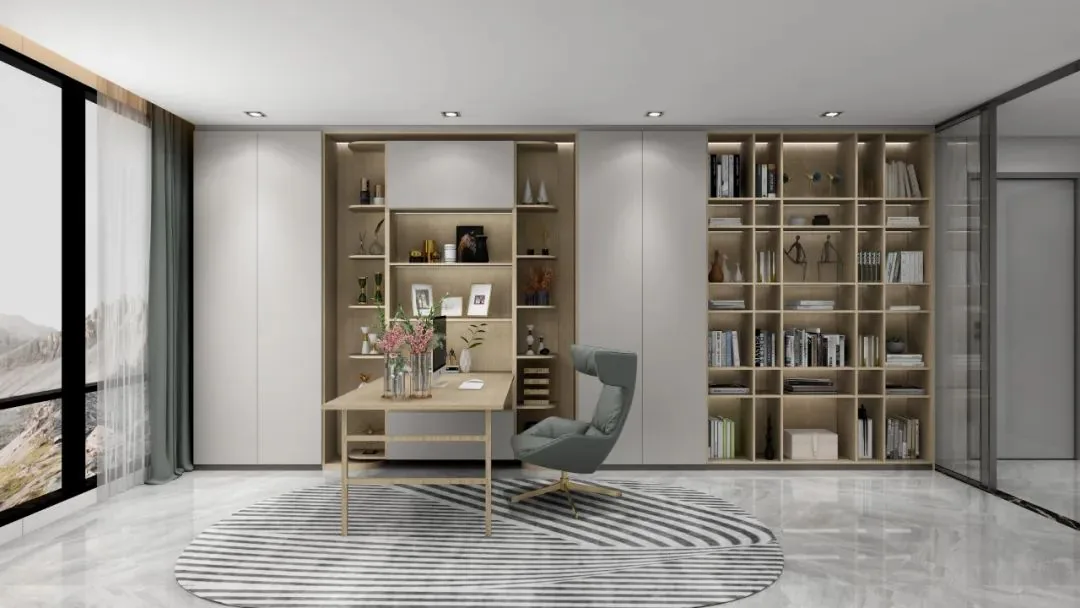
The walk‑in closet boasts a striking visual impact; under soft lighting, the natural grain of wood is fully revealed, subtly evoking a quiet, elegant ritual of dressing.
In the bedroom, comfort takes center stage. Every detail of the integrated design can be tailored to individual preferences, custom‑fitting the resident’s needs and habits. The layout encloses a cozy, elegant sleeping space, striking a harmonious balance between practicality and aesthetic beauty.
More Articles

More Posts
How should the internal structure of a custom wardrobe be designed to maximize usability? The zoning logic determines storage efficiency.
Living Knowledge · 2026.10.29

How should the internal structure of a custom wardrobe be designed to maximize usability? The zoning logic determines storage efficiency.

How should you design the internal structure of a custom wardrobe to make it truly functional? The zoning logic determines storage efficiency. The effectiveness of a custom wardrobe depends on whether its internal layout aligns with your household’s actual clothing inventory and your habits for putting things in and taking them out. The correct design sequence is: first, take stock of your clothes; second, determine the zones; and only then consider the overall style. This article provides a set of zoning principles and dimension guidelines that you can apply directly. 1. Inventory First, Design Later: A wardrobe is a reflection of your clothing collection...

How to coordinate color schemes for whole-house customization? The 60-30-10 rule and four space-specific strategies.
Living Knowledge · 2026.10.29

How to coordinate color schemes for whole-house customization? The 60-30-10 rule and four space-specific strategies.

How do you coordinate colors for whole‑house customization? The 60–30–10 rule and four space‑specific strategies. The most common reason why color schemes in whole‑house customization fall flat isn’t that the colors themselves are unattractive, but rather that there are too many colors, the proportions are out of balance, or the materials and colors aren’t well integrated. Master one fundamental principle—the 60–30–10 ratio—and then choose a strategy based on the specific spatial conditions, and you’ll be able to make color choices you won’t regret. I. The 60–30–10 Rule: Let each color...

A Guide to Avoiding Pitfalls in Whole-House Customization: 6 Things You Must Confirm Before Signing the Contract
Living Knowledge · 2026.10.29

A Guide to Avoiding Pitfalls in Whole-House Customization: 6 Things You Must Confirm Before Signing the Contract

1. Board Material Environmental Safety: Rely on Test Reports, Not Verbal Promises It’s common for sellers to tout “environmentally friendly boards” without providing any official test reports. The formaldehyde emission limit for E1‑grade boards is ≤0.124 mg/m³; some retailers use this as a claim of eco‑friendliness, but it falls short for households with elderly residents or young children. A more reliable choice would be ENF‑grade (≤0.025 mg/m³) or E0‑grade (≤0.05 mg/m³), ...

BOOK A CONSULTATION

Want to Apply These Ideas to Your Own Home?

It can explain the apartment area, decoration stage and preferred style. The BOSNIE team will combine the home encyclopedia, real cases and product systems to provide one-to-one custom suggestions for the entire home.