Balancing childlike charm with practicality: Five key considerations for customizing a children’s wardrobe.
A child’s room serves multiple purposes—play, study, and rest—and a custom-built wardrobe, as the central storage solution, should do more than simply meet storage needs. It must also align with children’s physical characteristics, balancing safety, playful appeal, and developmental support. By moving away from rigid, monotonous mass‑produced cabinets, we design across five key dimensions—color and form, safety features, compartmentalized organization, integrated layout, and adaptability to growth—to create a personalized little haven that grows with your child.
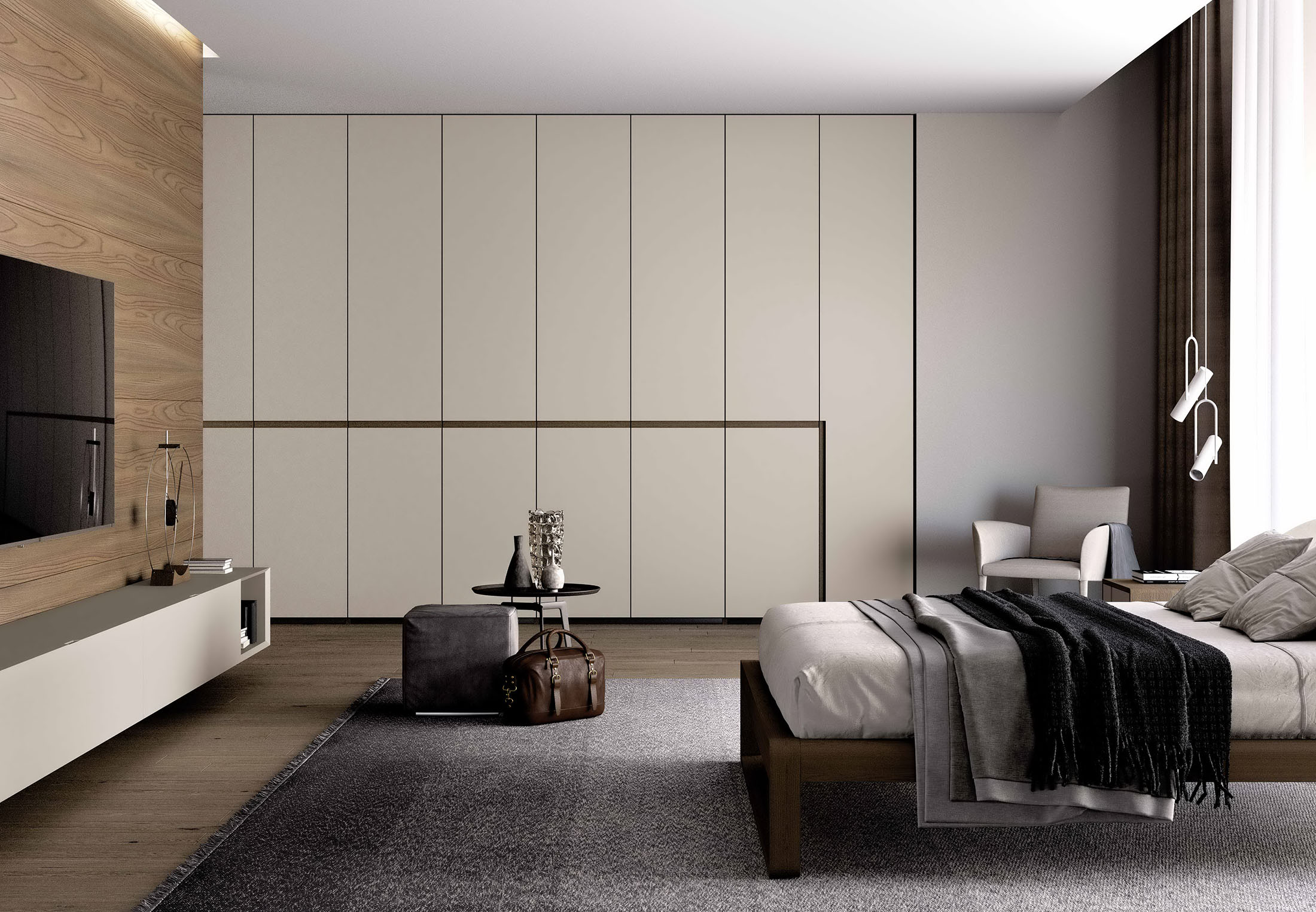
Soft, low-saturation color schemes are the foundation for creating a soothing children’s room. The cabinetry throughout the space is anchored in a warm, creamy white, complemented by fresh, muted tones like Morandi green and light gray—steering clear of harsh, high‑saturation hues to ensure a gentle visual palette that won’t strain young eyes. A contrasting color‑block design pairs light‑toned doors with coordinating gridded accents, softening the bulkiness of the cabinets and lending the space an airy, healing vibe. This approach resists aesthetic fatigue even over time, while appealing to both boys’ and girls’ distinct style preferences.
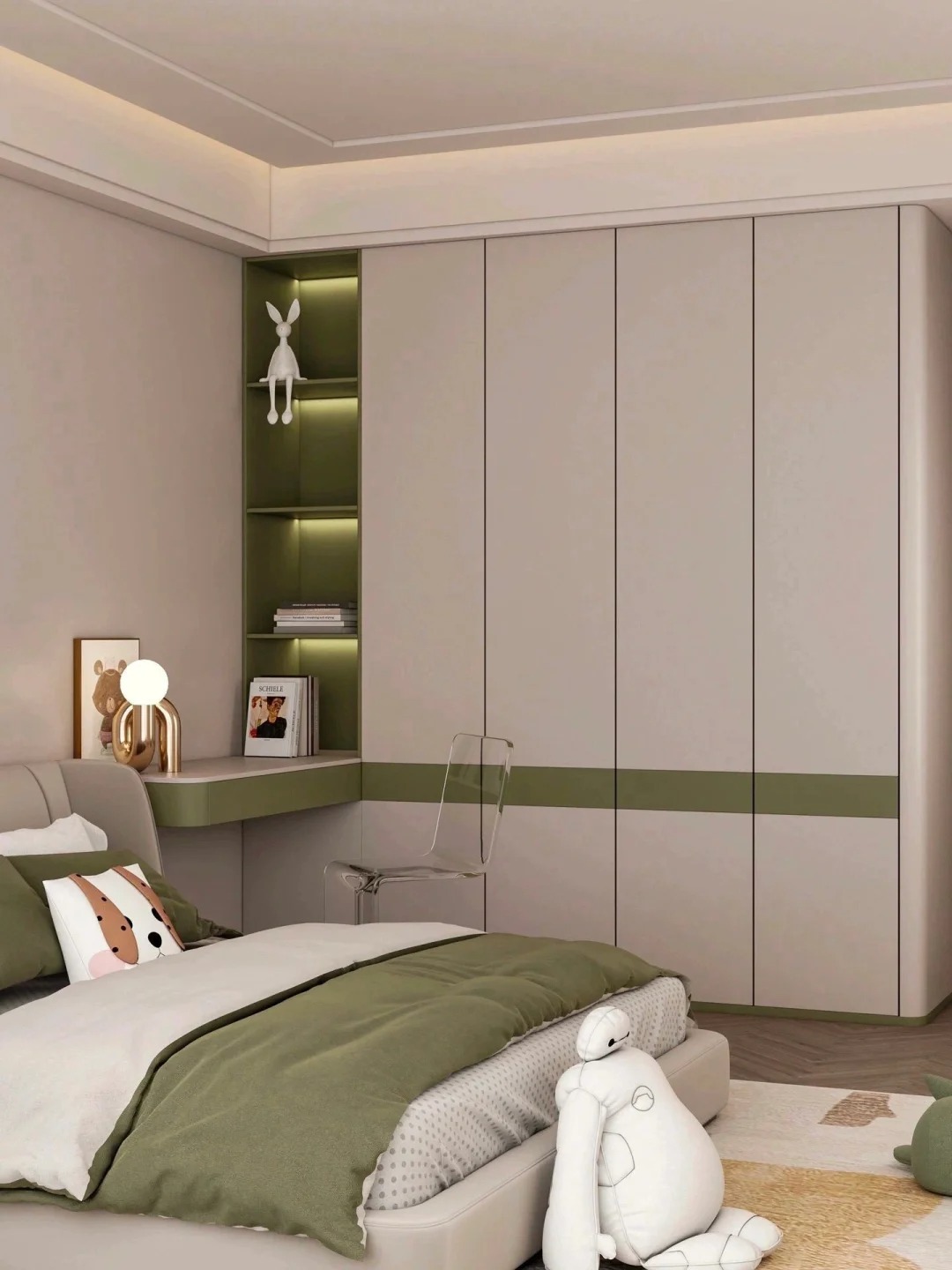
A fully rounded‑edge safety design that comprehensively eliminates the risk of bumps and collisions is a critical feature that shouldn’t be overlooked in children’s wardrobes. The entire cabinet structure features smooth, rounded corners, with no sharp edges on doors or cabinet sides; paired with soft, compact handles and curved storage slots to replace harsh metal hardware. Some models incorporate concealed long handles and a rebound‑free, handleless design, minimizing the chance of injury during active play and safeguarding home safety down to the smallest detail. Gridded, breathable door panels strike a balance between aesthetics and ventilation, preventing dampness and mustiness inside the wardrobe while delivering both practicality and thoughtful design.
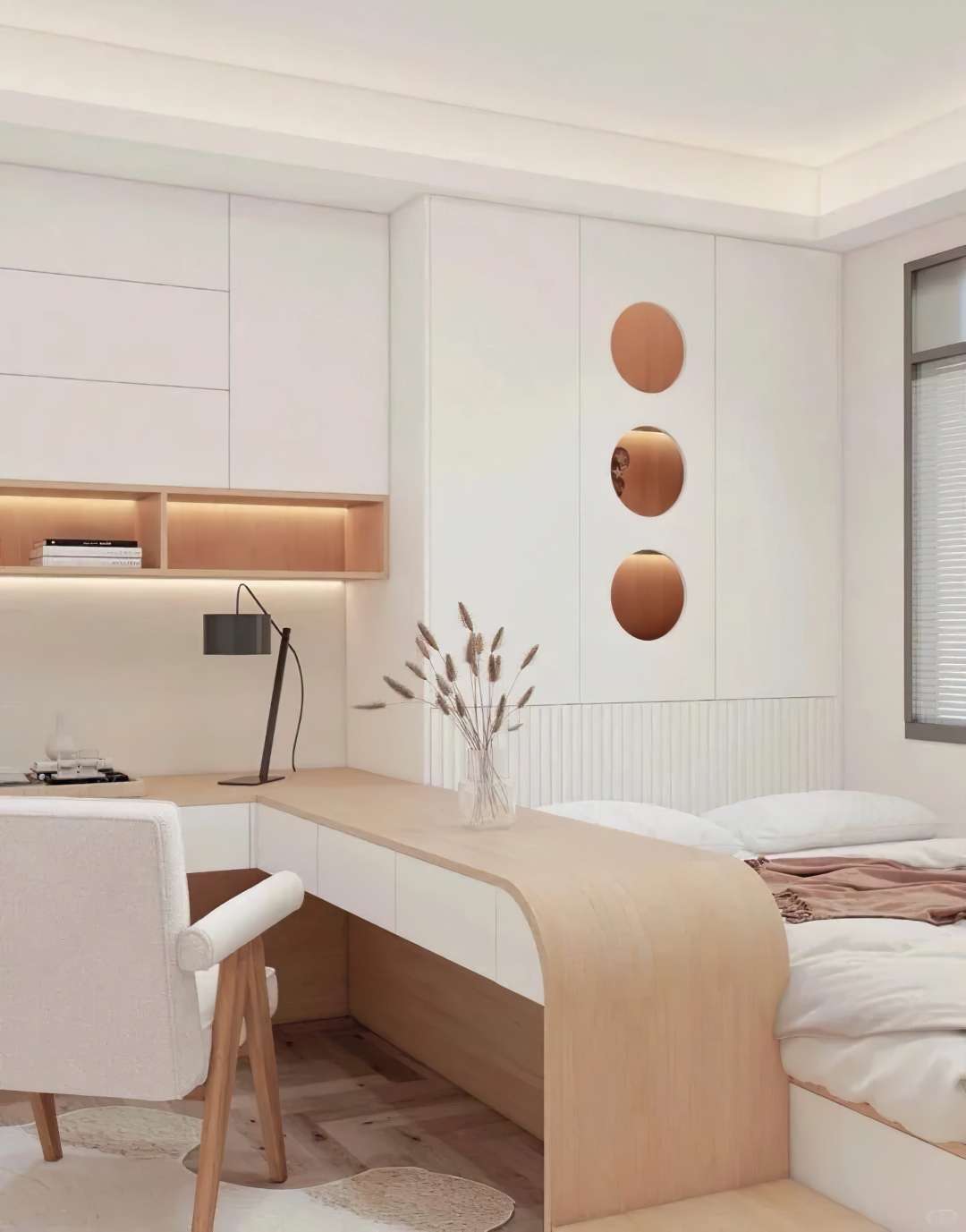
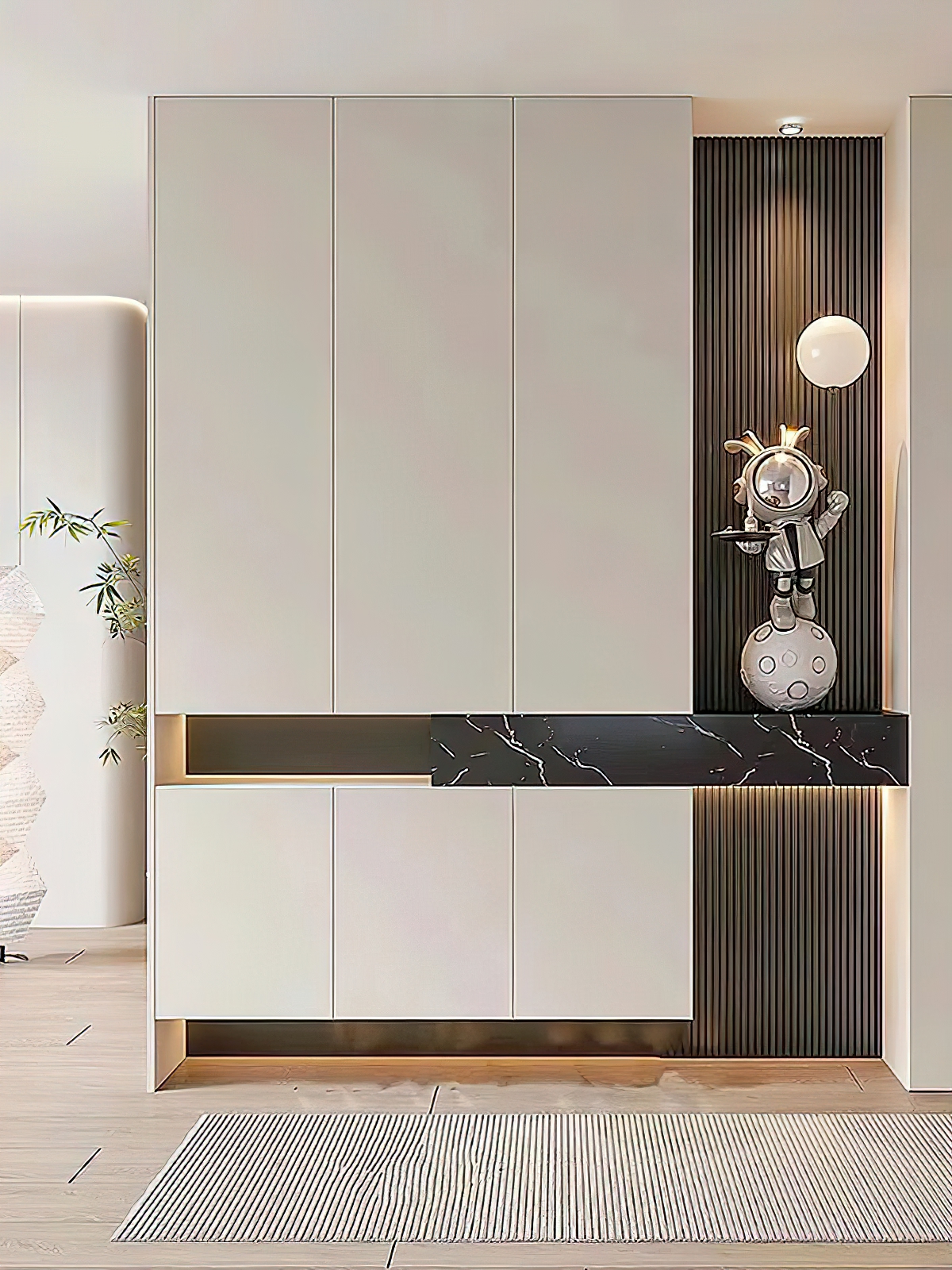
Scientific, tiered storage meets diverse needs for clothing, toys, and picture books. The cabinet interior features clear functional zones—long‑coat hanging areas, short‑clothing sections, and drawer storage—to accommodate seasonal wardrobes. Externally, arched open shelves and circular‑shaped compartments provide convenient storage, while the low‑height shelves are perfectly sized for children, allowing them to independently reach their favorite picture books, dolls, and building blocks, fostering early habits of self‑organization. The staggered, multi‑level cabinet design makes the most of every inch of wall space, keeping the room neat and orderly—and saying goodbye to clutter.
The cabinet system features an integrated, coordinated design that seamlessly blends storage and study functions. The wardrobe can be connected to a desk and reading nook, creating a cohesive, unified space. Along the window wall, a built‑in desk is paired with side storage units; some models even incorporate a curved reading corner, framed by arched niches, to carve out a private retreat for quiet play and relaxation. With storage, learning, and leisure all thoughtfully combined, this solution makes efficient use of space—even in small children’s rooms—offering full functionality without feeling cramped.
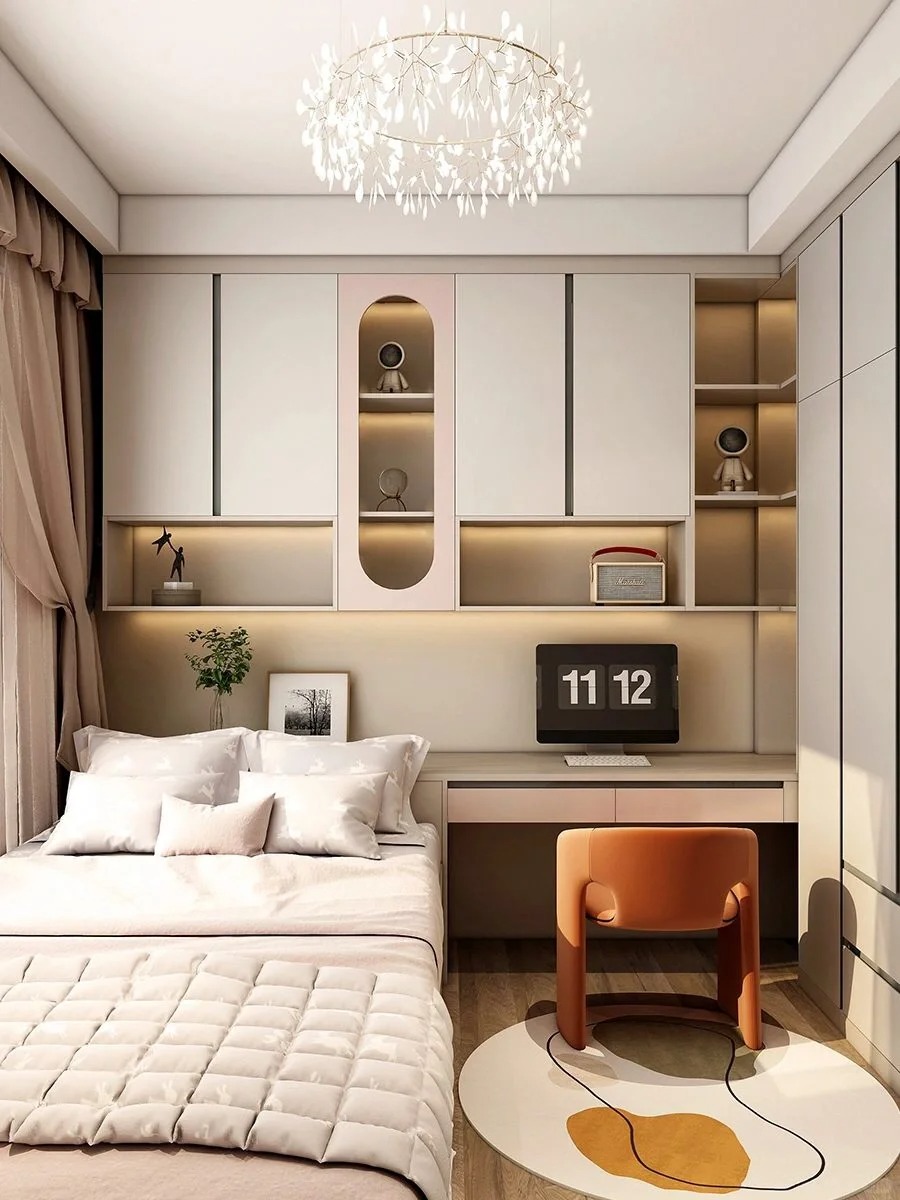
Adjustable design to accommodate children’s evolving needs at each stage of growth. Custom wardrobes feature adjustable shelves and extendable hanging rods, allowing you to easily reconfigure storage heights as your child grows. The lower section offers ample space for storing toys, which can later be repurposed as a storage area for bedding and miscellaneous items. One wardrobe system seamlessly serves toddlers, school-age children, and beyond, eliminating the need for frequent cabinet replacements and delivering superior value.
A high-quality children’s wardrobe is never just a piece of storage furniture. BOSNIE Private Residence Customization seamlessly integrates safety, aesthetics, smart organization, and developmental support, featuring soft color palettes, rounded safety details, versatile compartmentalized storage, and an integrated functional layout—creating a personalized space where playful childhood moments blend into everyday life, gently accompanying your child as they grow.