2026 Whole-House Customization Style Trends: A Shift in Residential Aesthetics from “Addition” to “Subtraction”
In recent years, the stylistic trends in whole‑house customization have shifted dramatically. Once dominant styles like European luxury and American country have gradually taken a back seat, while lighter, more minimalist aesthetics—such as cream‑toned interiors, natural wood finishes, and the wabi‑sabi aesthetic—emerging as the preferred choices for an increasing number of young homeowners. Moving from “piling on decorative elements” to “stripping back,” and from an obsession with elaborate ornamentation to a return to the essence of space, this aesthetic transformation reflects an evolution in our approach to living: home is no longer a stage for ostentatious displays, but rather a sanctuary that nurtures a sense of effortless ease and well‑being.
As a leading brand in the building materials and home‑decor industry with 26 years of deep expertise, BOSNIE—specializing in whole‑house customization—has keenly identified this shifting trend in product development. Guided by the core principles of “high quality, striking aesthetics, and exceptional value,” BOSNIE Private Residence Customization seamlessly integrates cutting‑edge international design language into local living contexts, transforming custom solutions from mere functional fulfillment into a powerful expression of personal style.
An Analysis of Four Popular Styles and Key Customization Considerations
Creamy style:
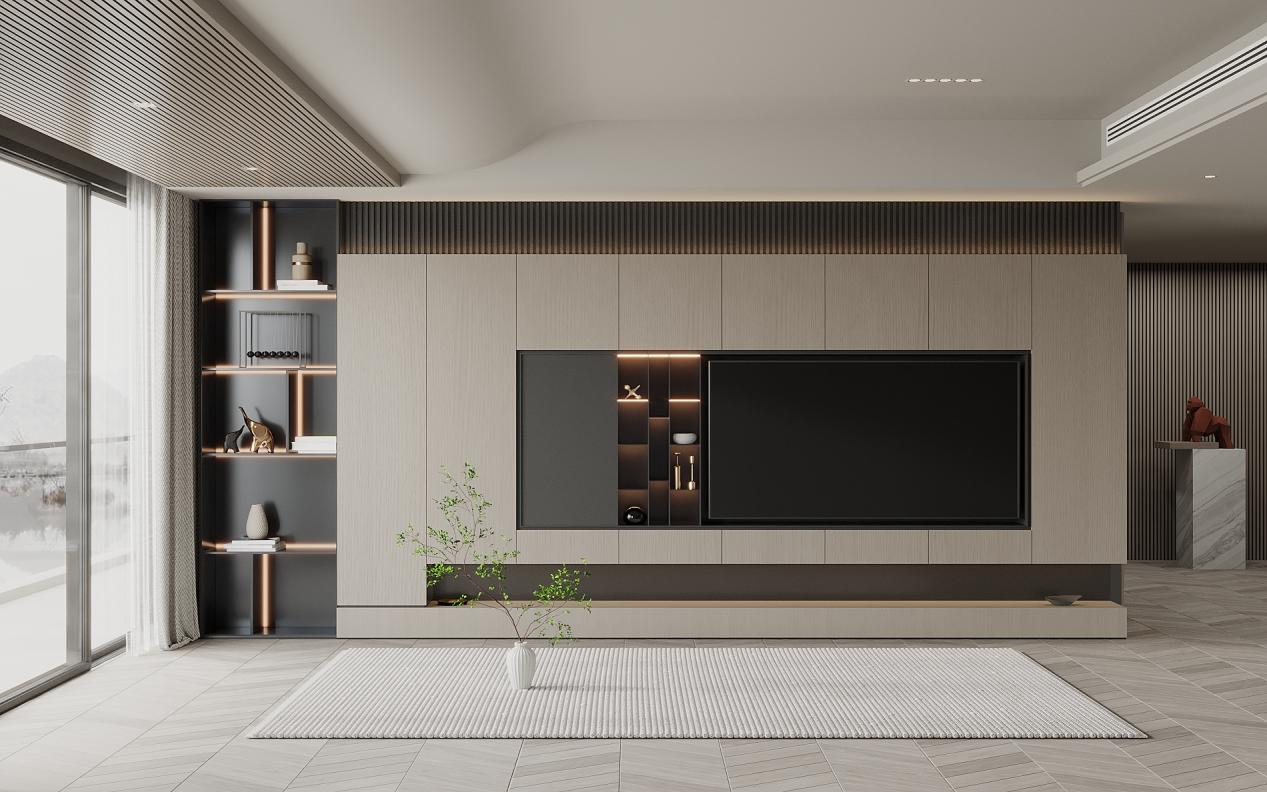
A gentle, healing aesthetic underpinned by a philosophy of softness. Cream‑style interiors are anchored in low‑saturation hues—milk white, oatmeal, and pale apricot—complemented by softly rounded cabinet edges and concealed handles, creating a warm, soothing home environment. Custom wardrobes and cabinets play a key visual role in cream‑inspired spaces; for the doors, matte, skin‑like finishes are recommended to counteract the cool, rigid feel of high‑gloss panels. BOSNIE offers a diverse range of product lines—including PET, vacuum‑formed, and baked‑enamel finishes—with a color palette that spans the core shades of the cream spectrum, ensuring precise alignment with cream‑style design requirements.
Log cabin style:
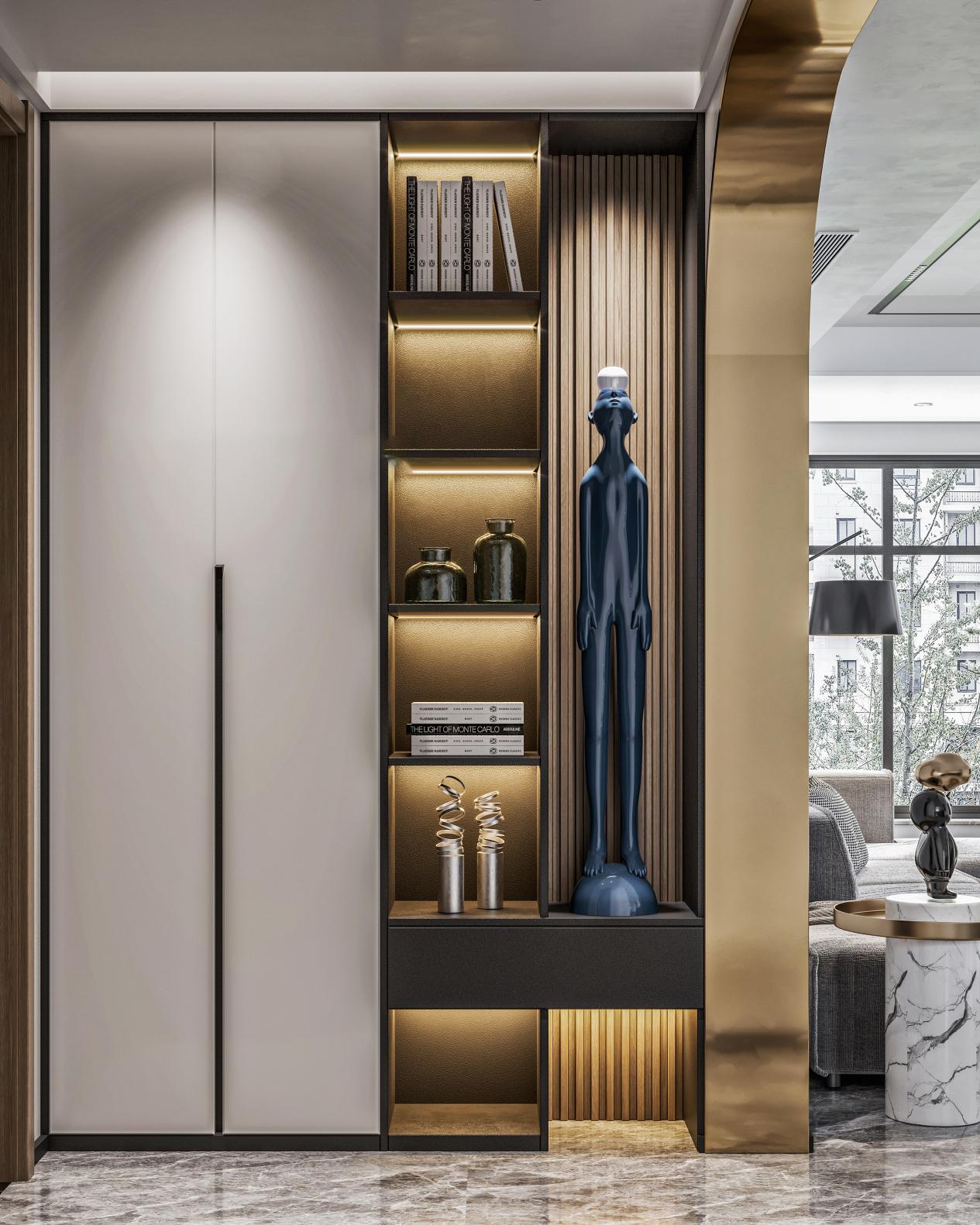
Expressing the tactile essence of natural textures. The log‑wood aesthetic is not merely about “using wood tones”; it achieves a sense of natural, restorative warmth through the interplay of grain proportions, grain direction, and lighting. A truly sophisticated log‑wood space requires harmonizing wood hues with wall colors and cabinet forms. For 12 consecutive years, BOSNIE has maintained close collaborations with world‑class brands such as Swiss Krono Group, Austria’s EGGER, and the UK’s COUTEAU Group, sourcing imported panels with finely textured surfaces and stable, consistent colors—providing a reliable material foundation for whole‑house customization in the log‑wood style.
Wabi-sabi style:
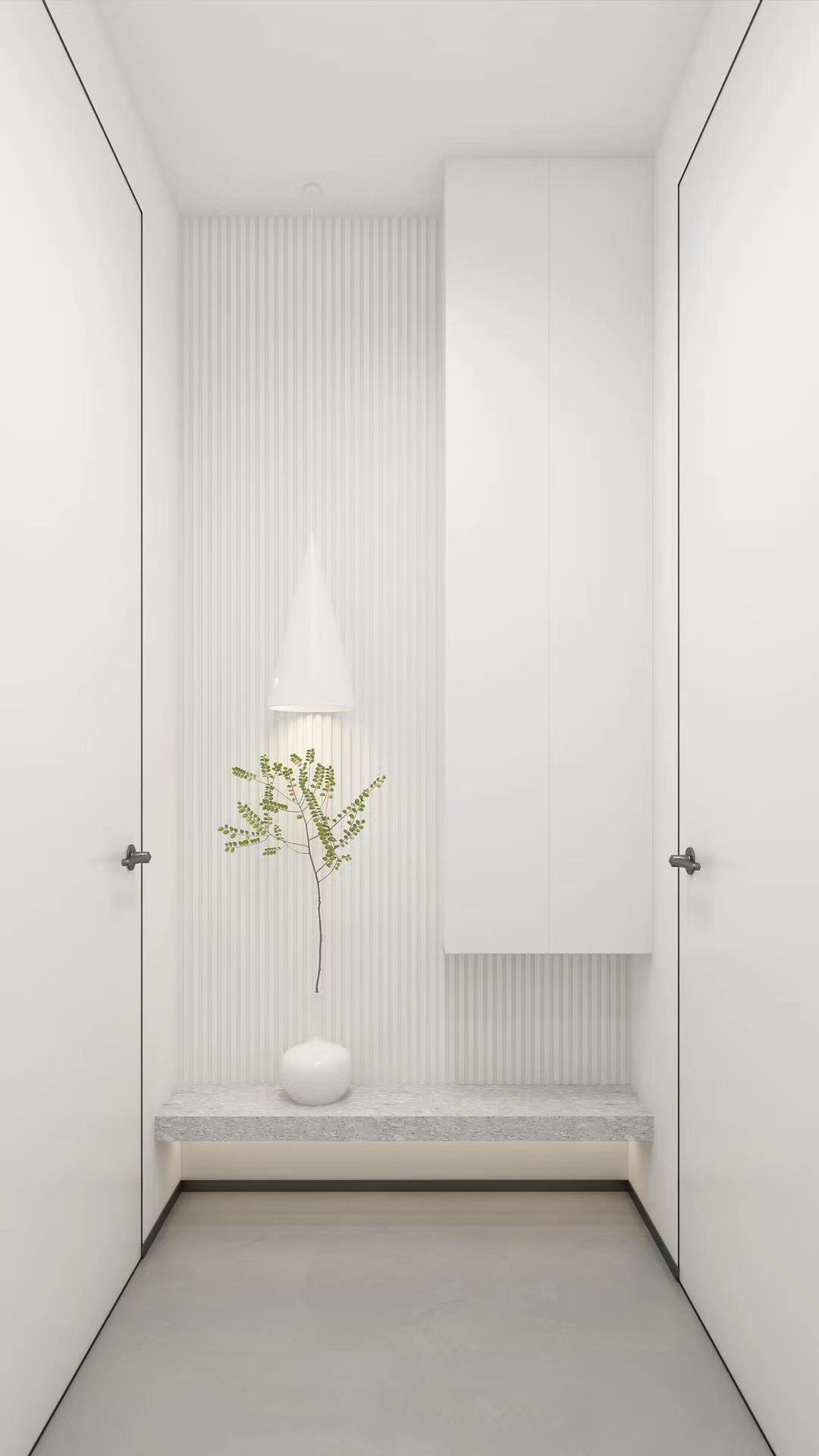
The serene beauty of imperfection. Wabi‑sabi style is defined by walls with a micro‑cement texture, matte wooden cabinets, and natural stone countertops, celebrating the aesthetic of fragility and the passage of time. This approach demands exceptionally precise craftsmanship—every detail, from the accuracy of edge banding to the seamless integration of materials, directly shapes the final result. BOSNIE boasts state-of-the-art equipment, including Germany’s HOMAG S500 laser edge‑banding machine, and adheres to rigorous standards across 18 meticulous production steps, giving it a distinct advantage in achieving the matte finishes and finely executed edge detailing that wabi‑sabi calls for.
Modern Minimalism:
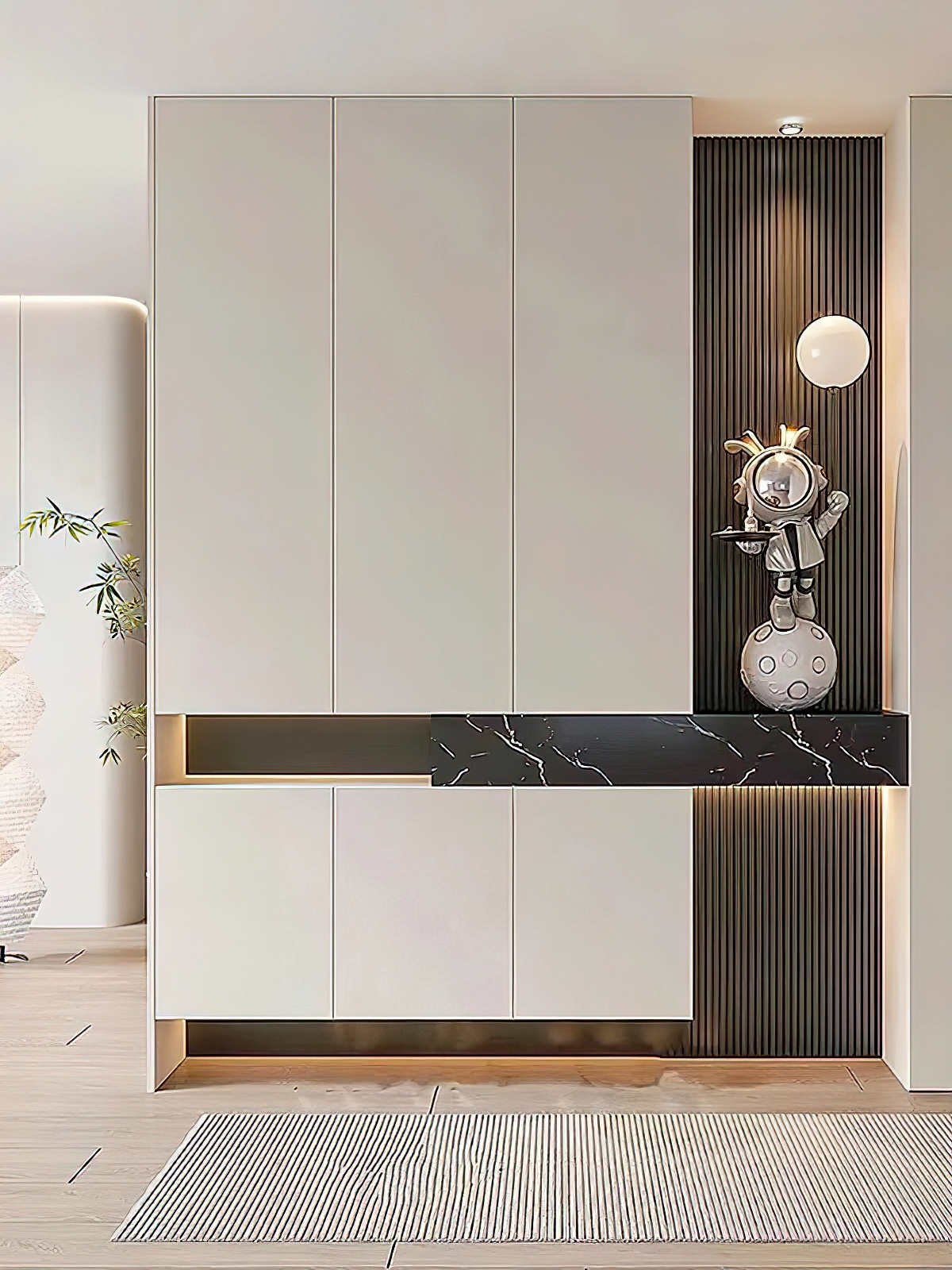
The wisdom of space lies in simplicity. Modern minimalism emphasizes “appearing simple yet exquisitely refined”: cabinets are designed to reach the ceiling, with doors extending seamlessly from floor to ceiling, while open shelving is kept to no more than 20% of the total surface area. Handle-free or concealed‑handle designs further enhance the sense of cohesion. BOSNIE’s custom walk-in closet solution features 22mm‑thick door panels paired with straightening devices, effectively preventing warping and deformation in tall doors.
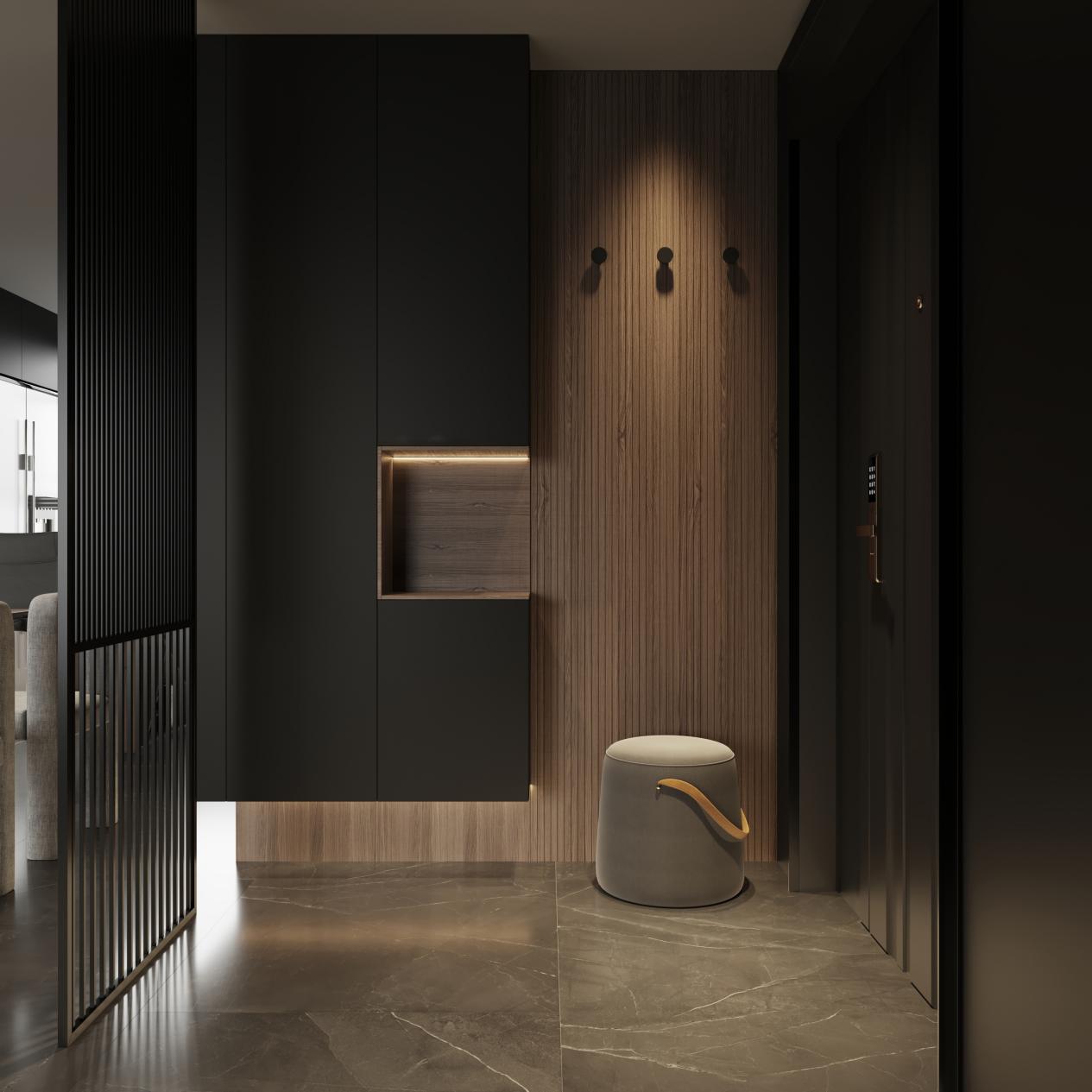
How to Choose a Whole-House Customization Style That Suits You
Choosing a style should align with your actual living needs. It’s advisable to approach this from three angles: first, consider family structure and lifestyle—families with children should prioritize storage capacity and safety, while those living alone or as a couple may emphasize aesthetic expression; second, take into account the floor plan—smaller units benefit from light color palettes and floating‑style designs, whereas larger spaces can experiment with richer contrasts of dark tones and textures; third, factor in your budget—complex, intricate designs typically cost 30% to 50% more than minimalist options.
BOSNIE Private Residence Customization offers one-on-one design services, providing end-to-end support from site measurements and conceptual design to final installation, helping homeowners strike the perfect balance between their preferred style and practical functionality.