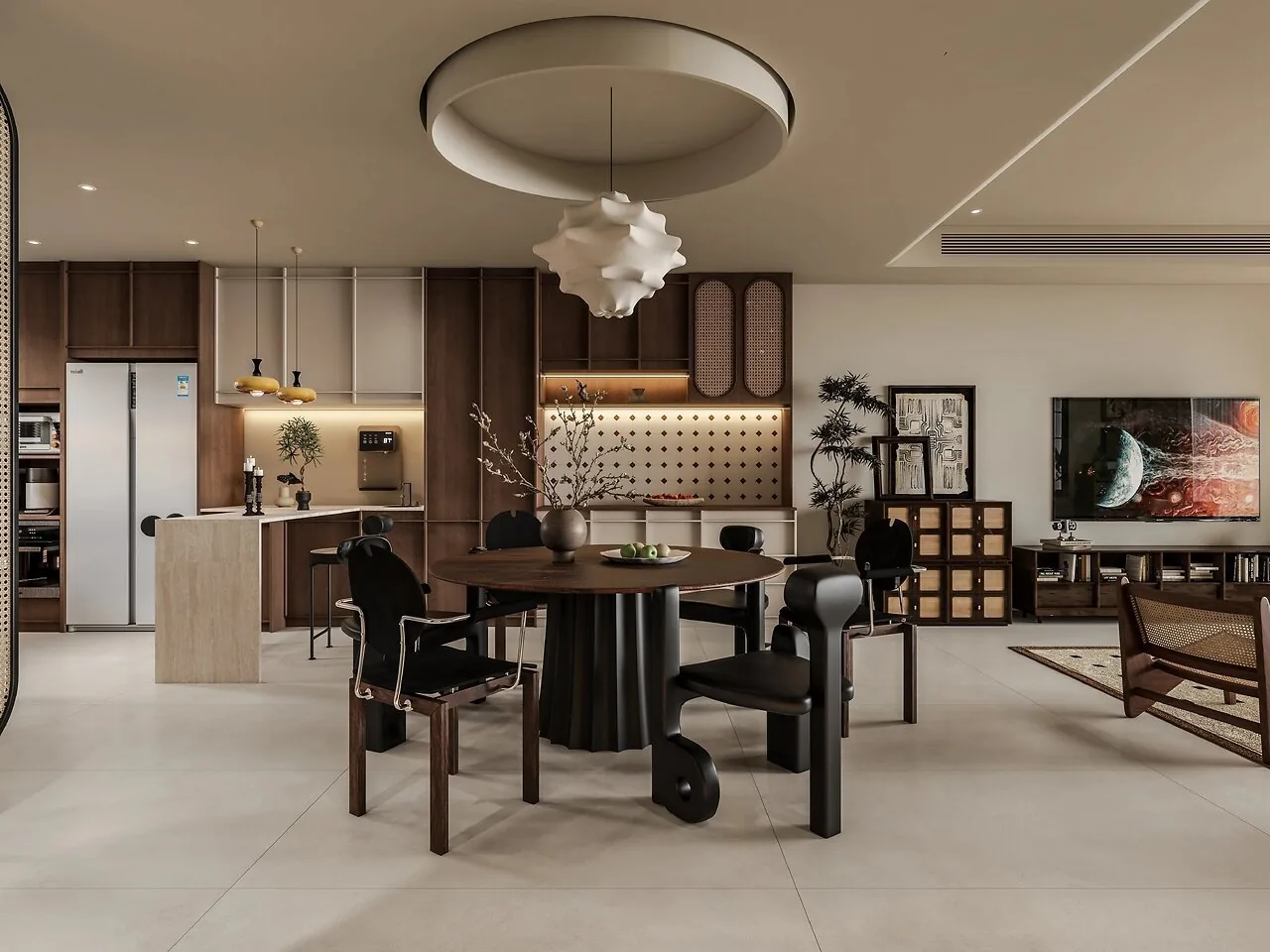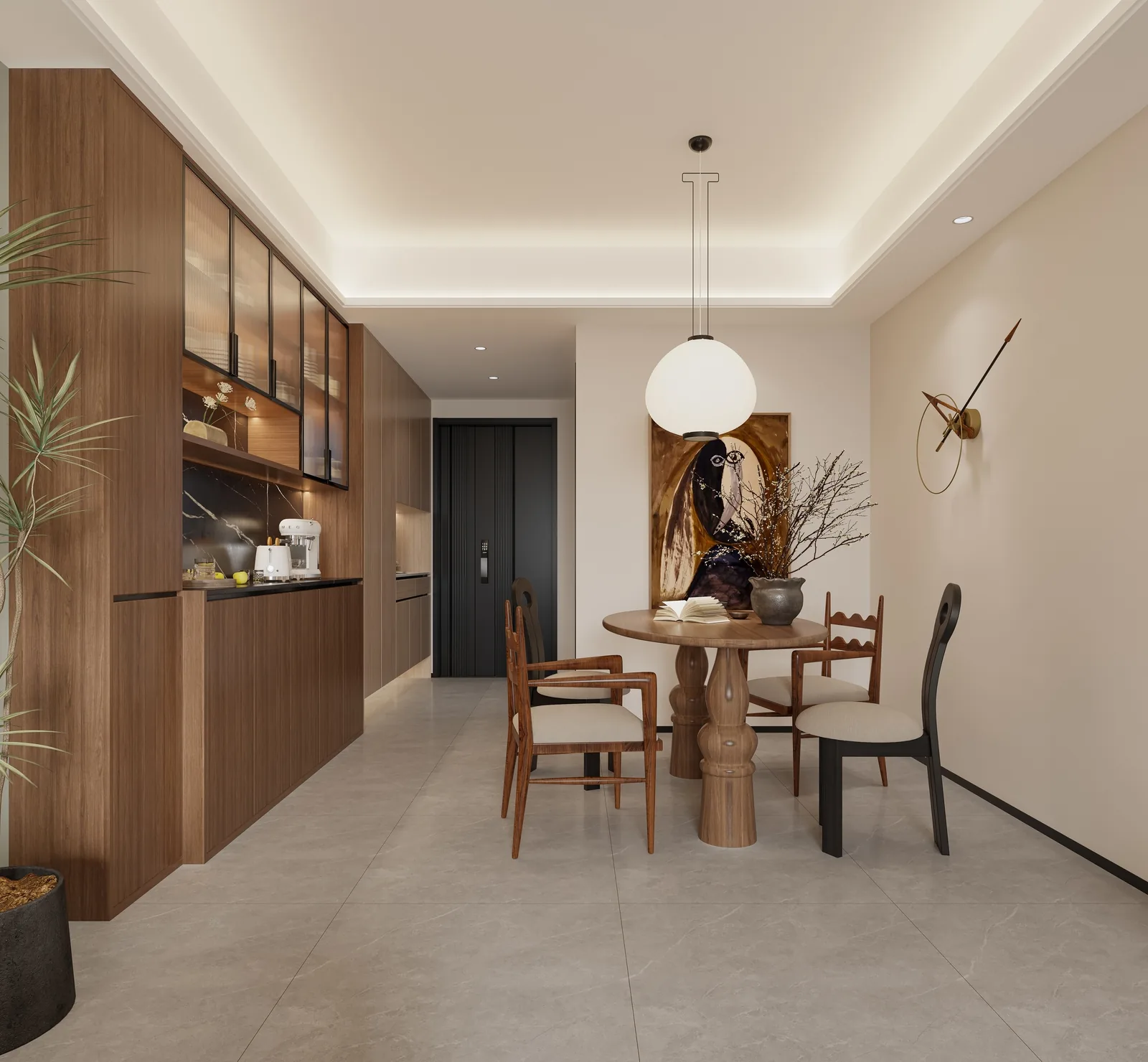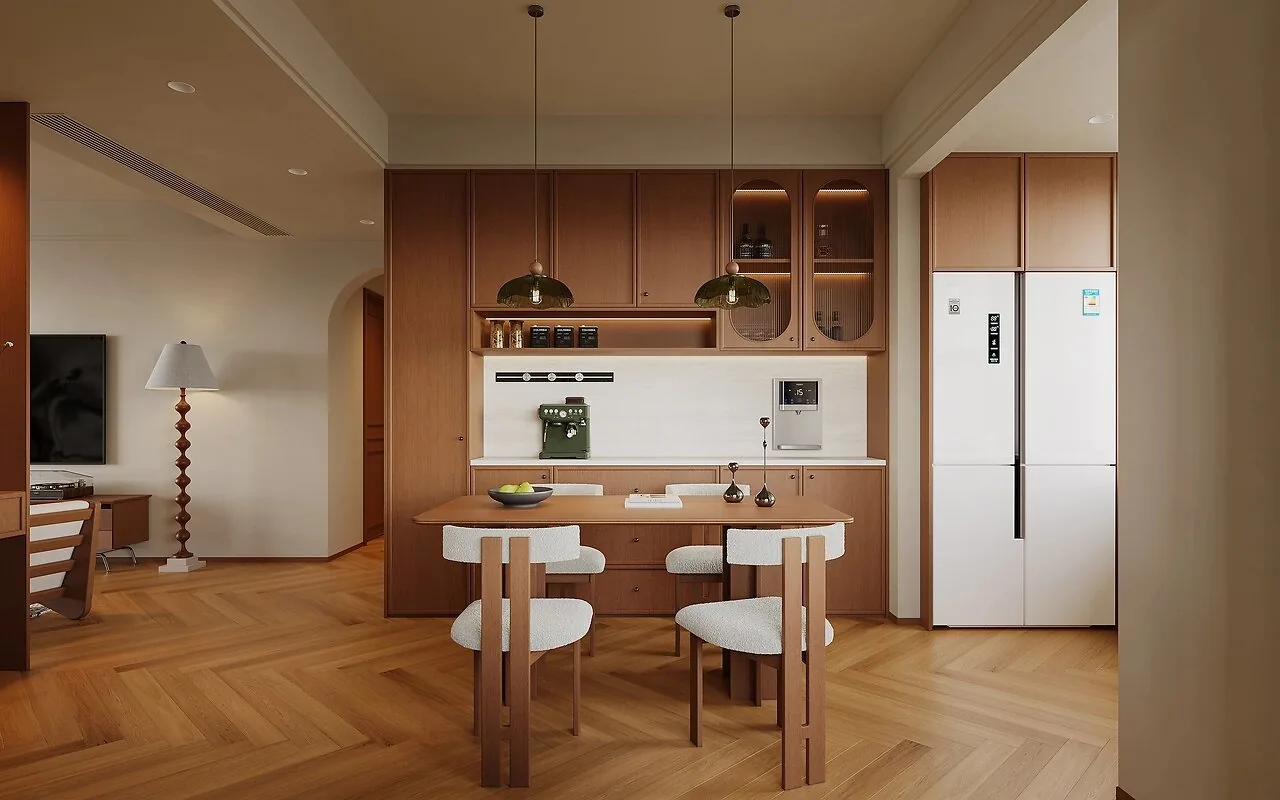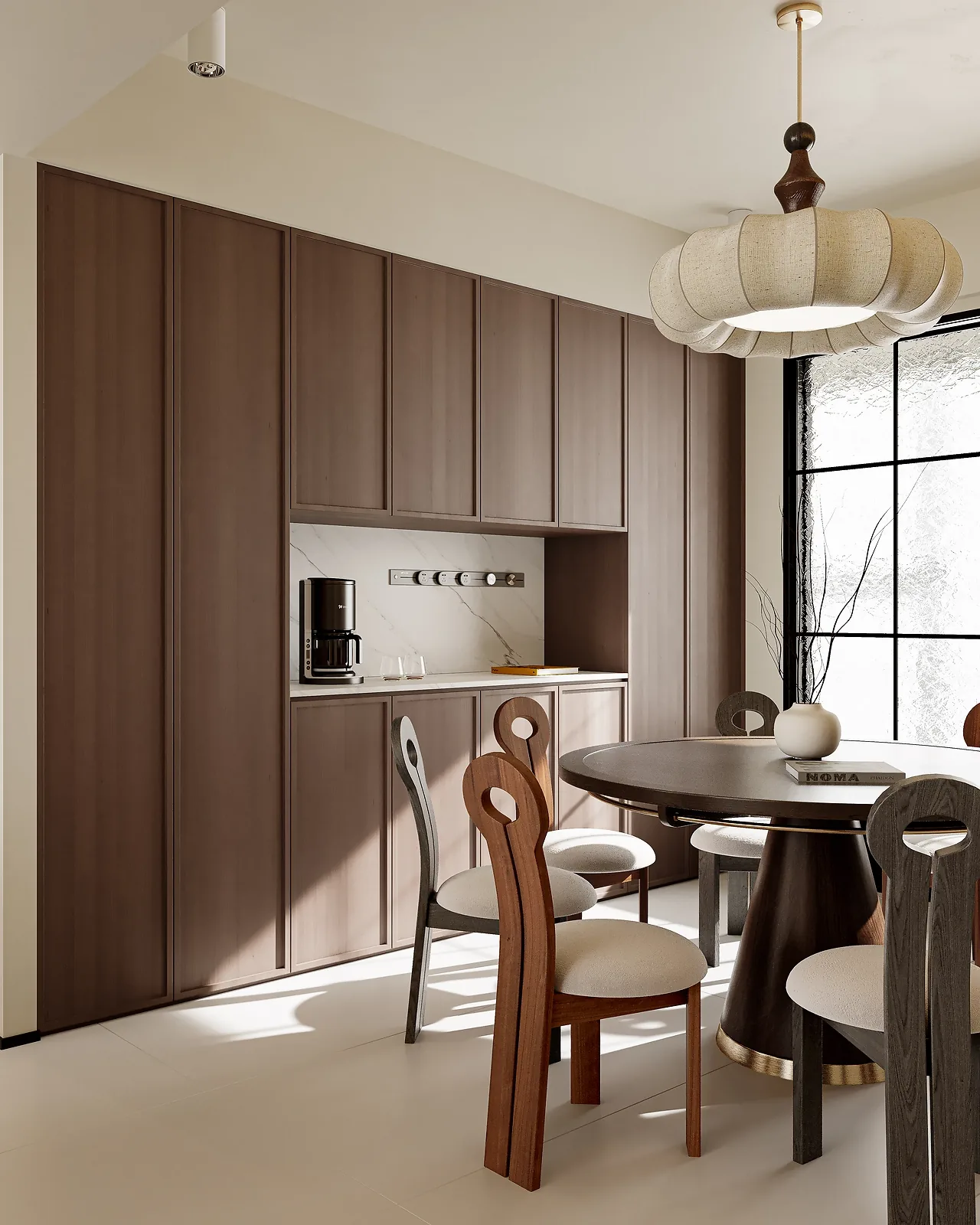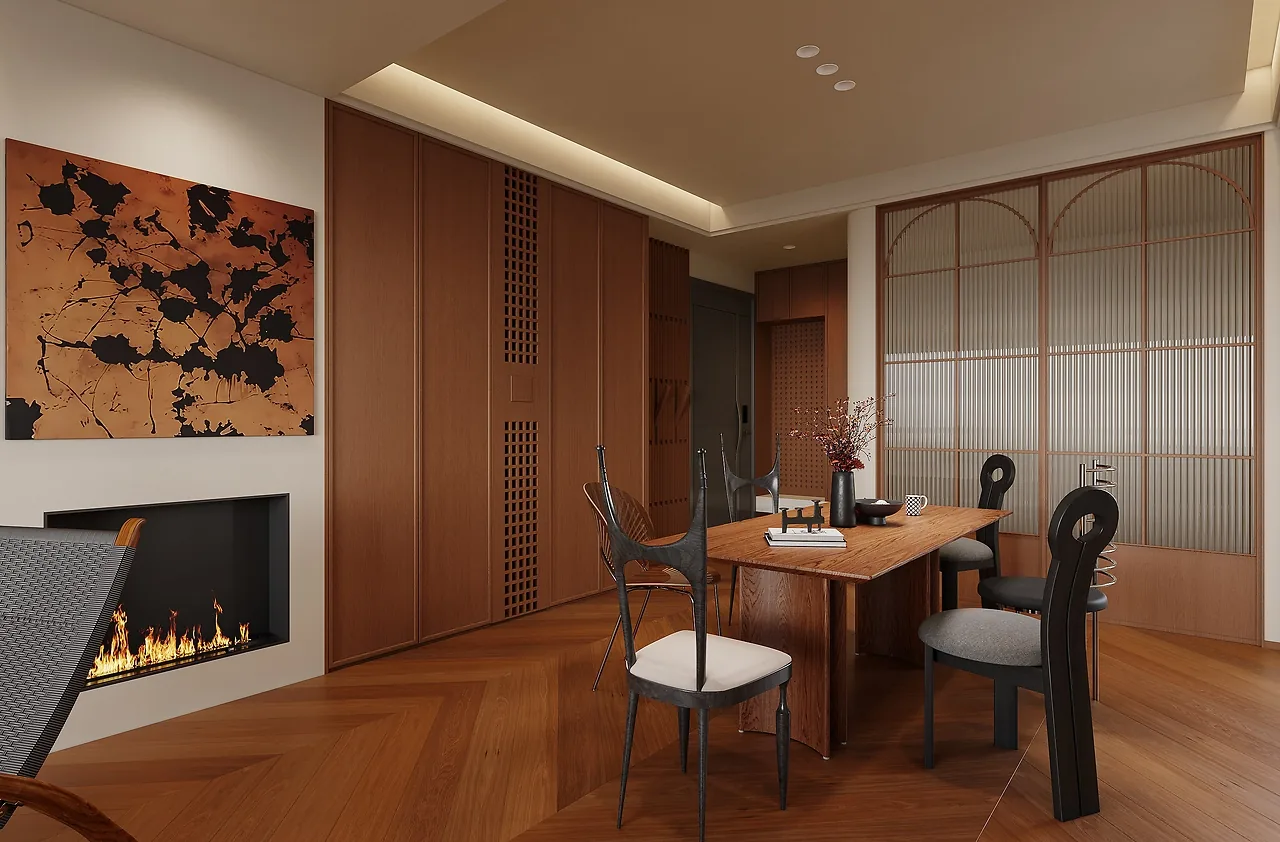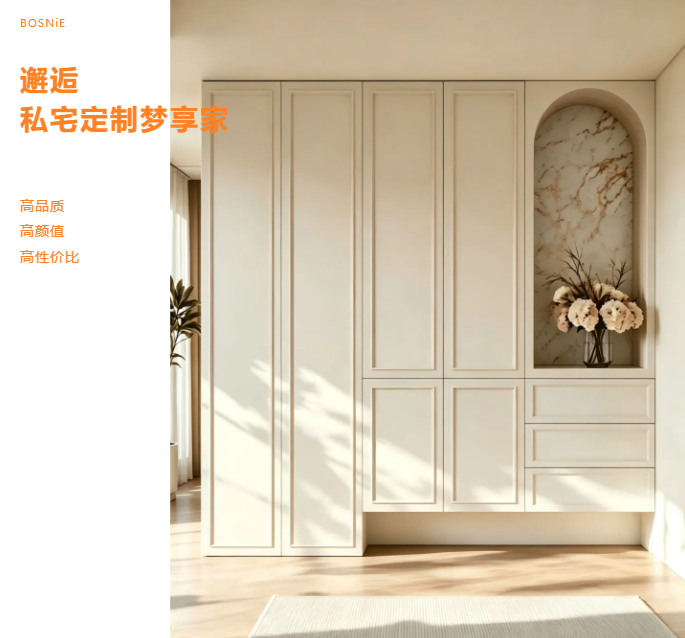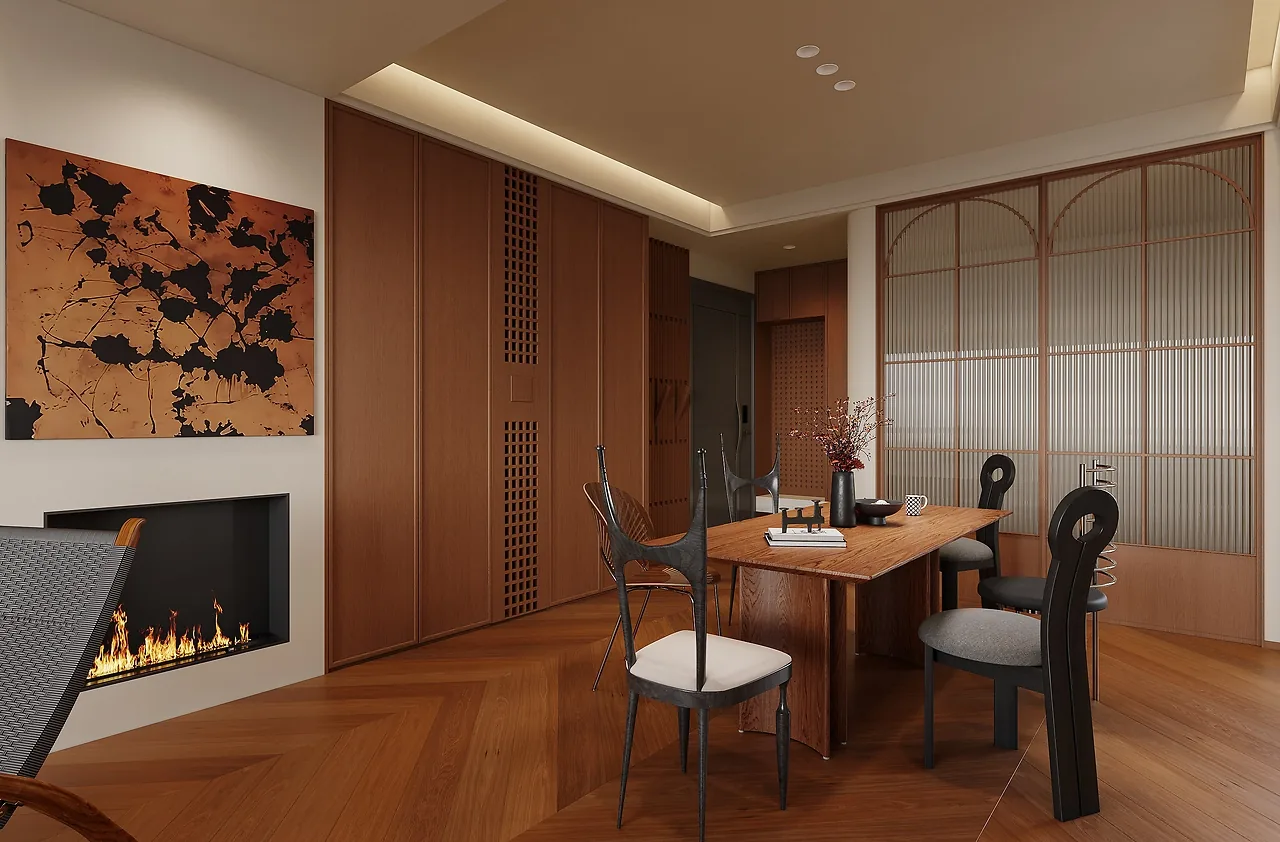
The mid-century-style sideboard is inherently nostalgic—serving as the centerpiece that defines the dining room’s ambiance.
First, material and craftsmanship: warm solid woods such as walnut and oak are commonly used—their fine, flowing grain paired with hand-polished surfaces offering a soft tactile quality, or aged finishes evoking vintage charm—deliberately avoiding the starkness of industrial aesthetics.
Second, color versatility: low-saturation tones—including natural wood, amber, deep brown, and off-white—dominate. These hues can stand alone as visual anchors while seamlessly complementing diverse interior styles—from Japanese minimalism and light vintage to contemporary minimalism—regardless of floor plan.
Third, thoughtful detailing: retro-inspired elements like brass hinges, woven cane drawer fronts, and softly rounded edges lend refined elegance without ornate carving—redefining the dining sideboard beyond mere storage.