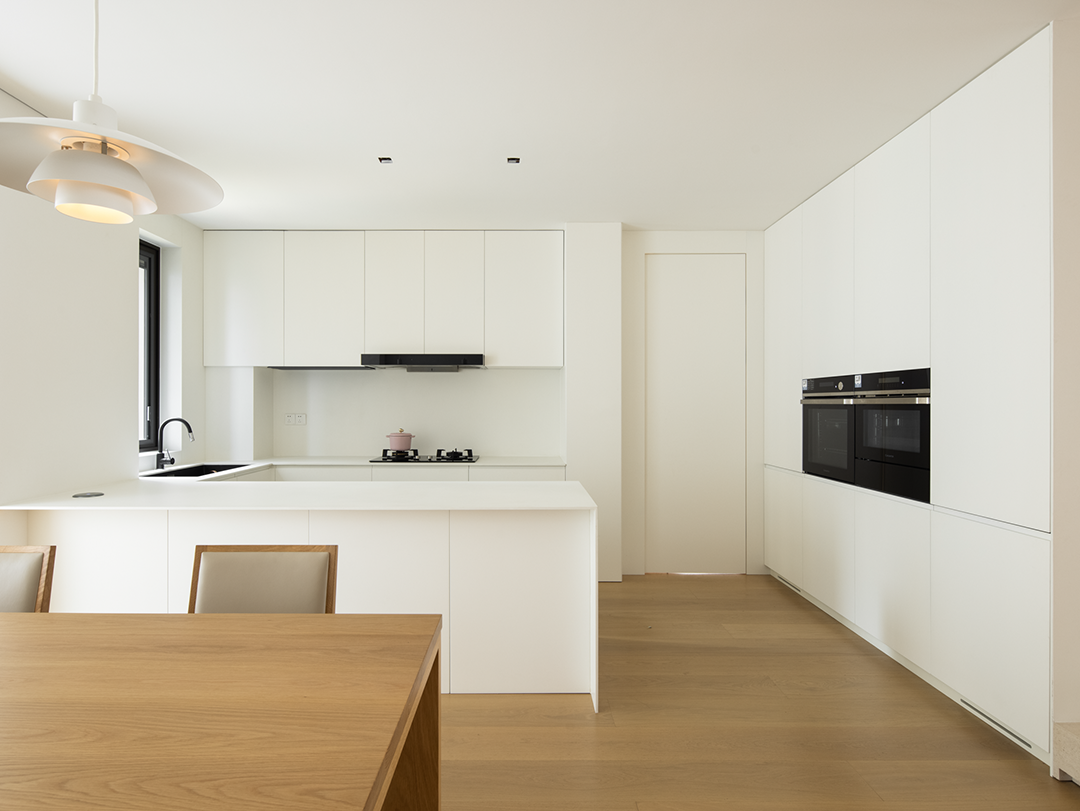
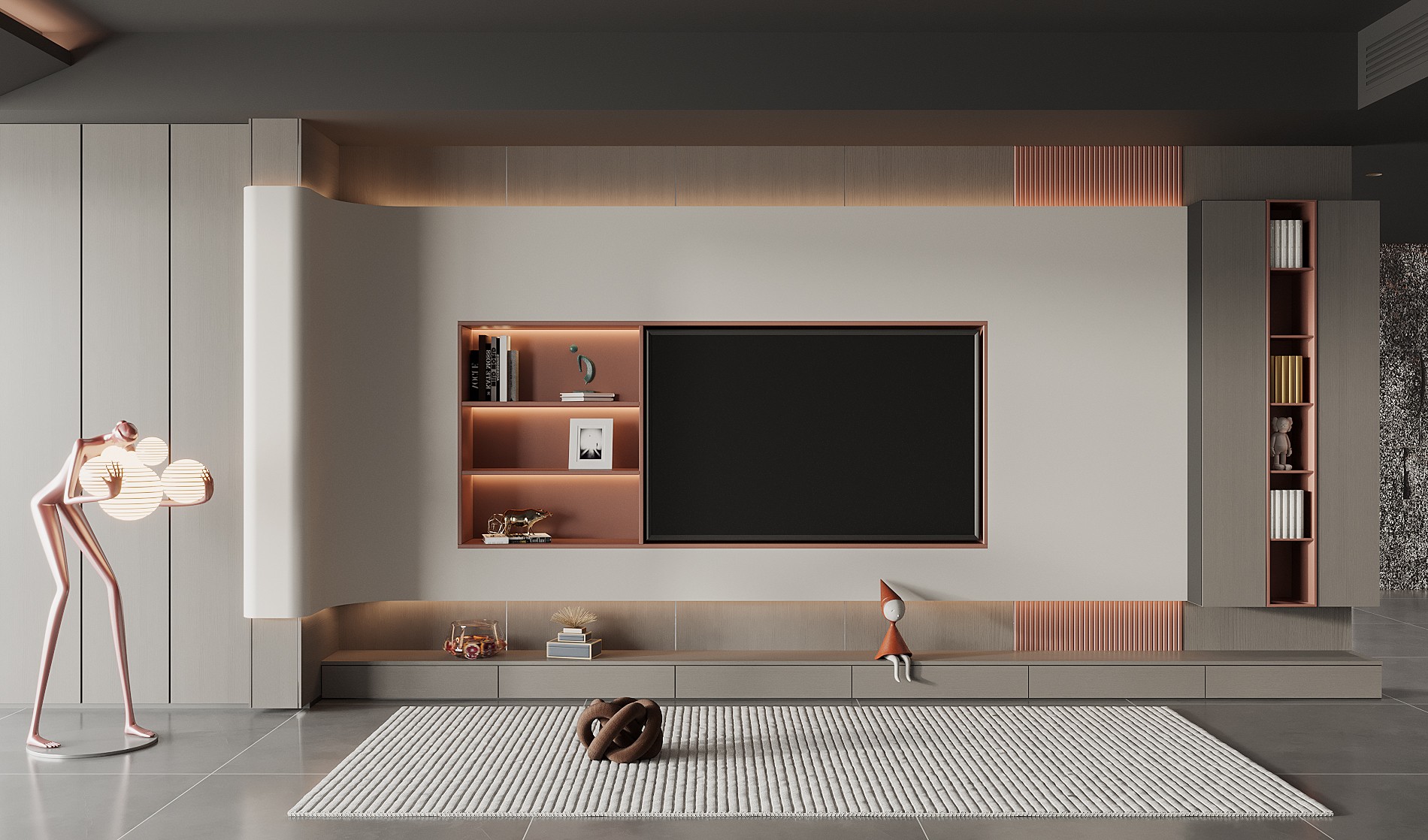
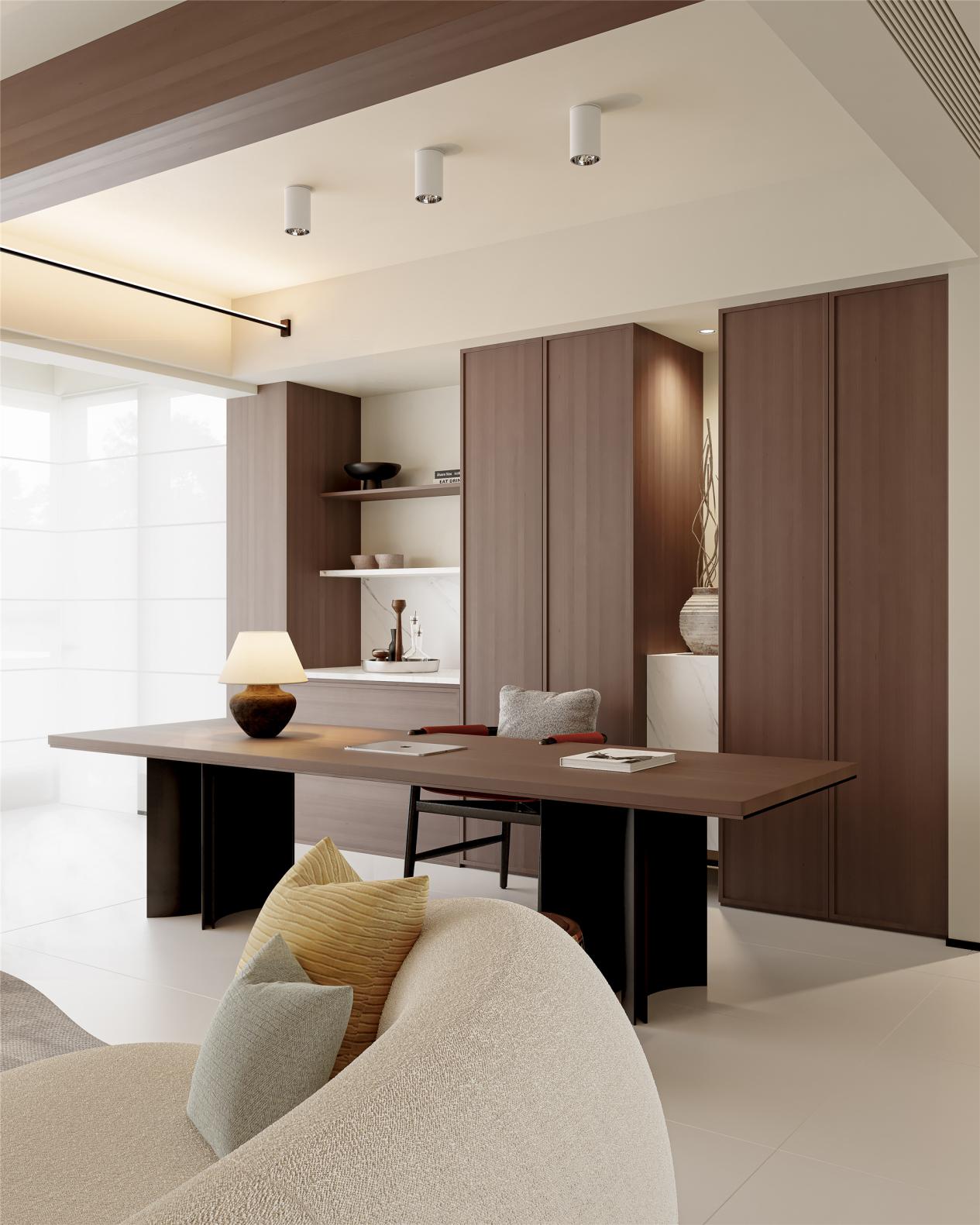
Many people run into trouble when customizing their homes because they fail to establish clear purchasing criteria beforehand. Overwhelmed by sellers’ marketing pitches, they easily fall into the low‑price trap. To succeed with whole‑house customization, stick firmly to three core principles—identifying materials, scrutinizing quality, and verifying environmental safety—and set your buying guidelines in advance. Only then can you avoid frustrating experiences and ensure a smooth home‑improvement process.
The materials and craftsmanship directly determine the cabinet’s user experience, yet many information‑asymmetry traps exist in the market. Some sellers pass off inferior products as superior ones, verbally promising high‑grade boards and hardware but delivering downgraded materials instead. For example, particleboard may be misrepresented as OSB, or standard hardware may be falsely claimed to be from renowned imported brands. After only a short period of use, problems such as cabinet deformation, loose hinges, and cracked edge banding can arise. When shopping, consumers should not rely solely on the showroom’s appearance; they must carefully check product labels, verify the base material, origin, and specifications, and have the material type and model explicitly stated in the contract.
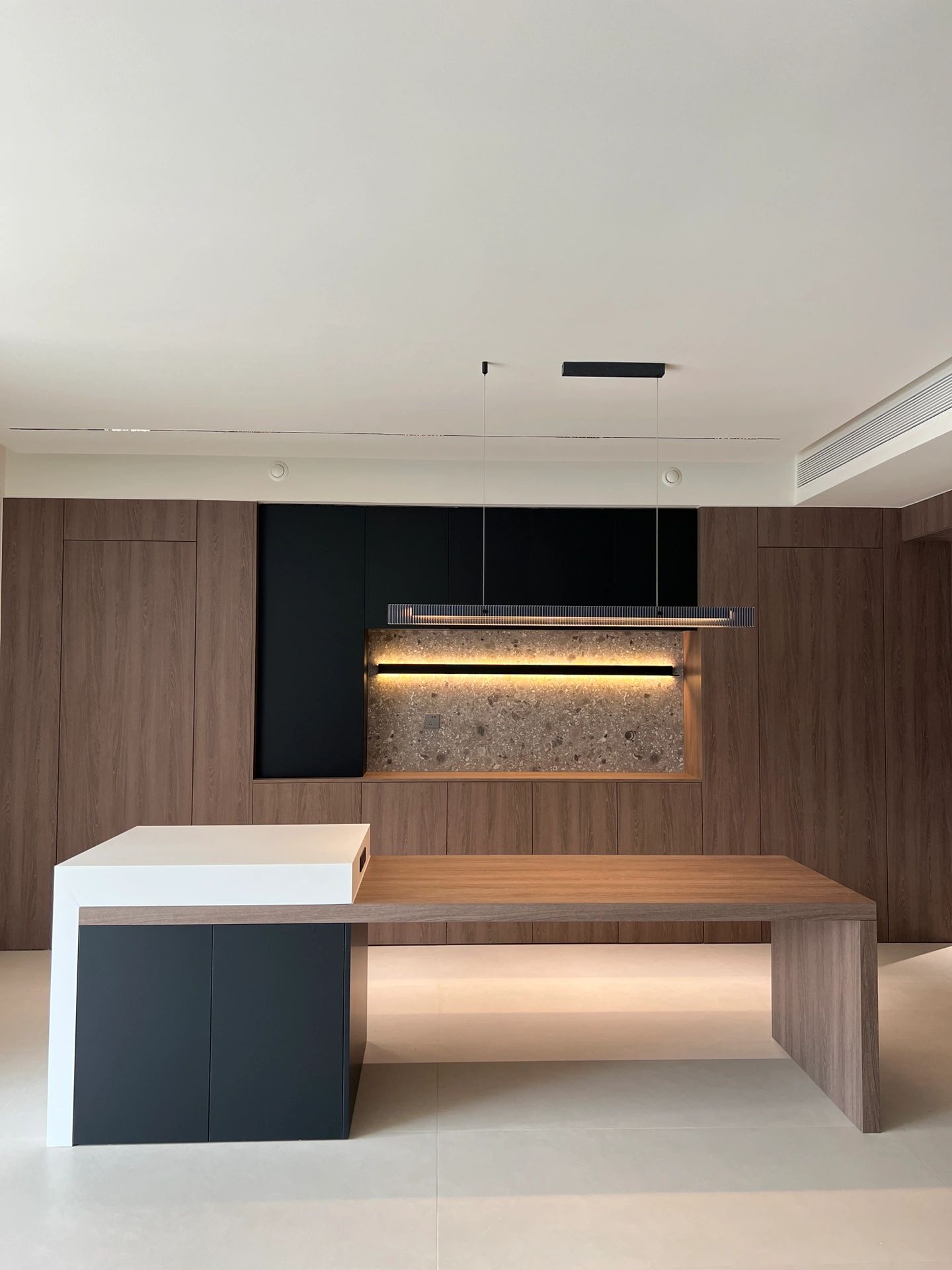 Quality and after-sales service are equally important. A common dispute in the custom‑goods industry is receiving products that don’t match the order: the contract specifies Material A, but Material B arrives, and when issues arise, companies often pass the buck and refuse to assign responsibility. Reputable brands establish a comprehensive order‑tracking system that records every step of the process—from in‑home measurements and design confirmation to production, shipping, and final installation—so any quality problems can be promptly identified and resolved.
Many homeowners have a common misconception: they believe that solid wood is completely free of formaldehyde. In reality, both solid wood and engineered wood products can emit trace amounts of formaldehyde. As long as the levels comply with national environmental standards, they pose no health risk to your family—there’s no need to panic over formaldehyde. The key to eco-friendly home decoration lies in selecting compliant, certified wood panels and pairing them with high-quality edge-sealing techniques to contain the release of harmful substances.
BOSNIE Whole-House Customization rigorously controls materials, craftsmanship, and environmental standards. Our products come with clear material specifications, and board materials are backed by verifiable test reports and official authorization for imported panels. The entire system uses high-quality branded hardware, with end-to-end order tracking and comprehensive warranty services. By addressing issues such as material fraud and mismatches at the source, we ensure meticulous material selection, stringent quality control, and compliance with environmental regulations, enabling consumers to enjoy hassle-free, transparent whole-house customization while safeguarding their home‑living quality.