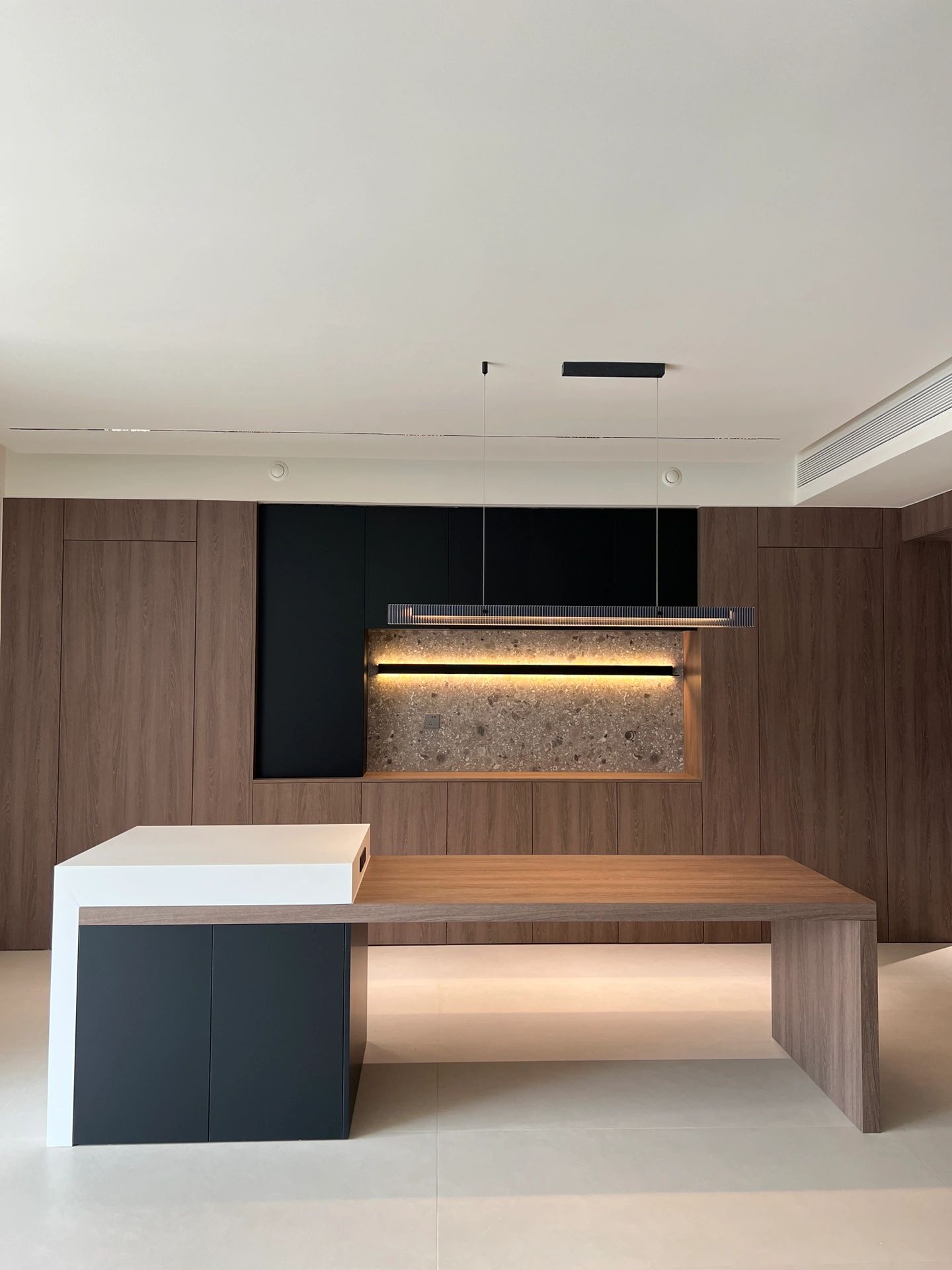
Understanding Walnut-Style Woodworking: BOSNIE Whole-House Customization Shows You How to Create a Warm, High-End Home
Living Knowledge · 2026.11.19

Understanding Walnut-Style Woodworking: BOSNIE Whole-House Customization Shows You How to Create a Warm, High-End Home

Understanding Walnut‑Style Woodwork: BOSNIE Whole‑House Customization Helps You Create a Warm, High‑End Home Walnut‑toned finishes have long been the “aristocrats of wood” in interior design. Their unique warm, understated texture effortlessly elevates the overall style of a space. Many homeowners dream of a walnut‑inspired home but struggle to distinguish genuine materials from imitations and lack expertise in spatial coordination. Overusing dark wood finishes across large areas can make a room feel cramped and heavy. To achieve successful whole‑house customization in a walnut style, the key lies in identifying the right wood tones, skillfully pairing them, and selecting…

Understanding Walnut-Style Woodworking: BOSNIE Whole-House Customization Shows You How to Create a Warm, High-End Home

Walnut-toned finishes have long been the “aristocrats of wood” in home décor, with their unique warm, understated texture effortlessly elevating a room’s overall style. Many homeowners dream of a walnut-inspired home but struggle to distinguish genuine materials from imitations and lack guidance on spatial balance. Overusing dark woodwork across large areas can make a space feel cramped and heavy. To achieve successful whole‑house customization in walnut tones, focus on three key principles: recognizing authentic wood hues, skillful color coordination, and selecting reliable products—allowing the gentle, composed elegance of wood to seamlessly integrate into everyday living.

First, identify the true origin of the wood species. The market offers a wide variety of veneers marketed as walnut, with significant differences in grain and color among imitations from different regions. Authentic North American black walnut has an inherent chocolate-brown to purplish-brown tone and features distinctive natural grain patterns such as teardrop, mountain, wave, and bird’s-eye figures. Many lower-priced products merely mimic the color of walnut with rigid, copied grain that lacks the wood’s natural depth and character. When selecting custom pieces, don’t rely solely on the name—examine the board’s grain details carefully.
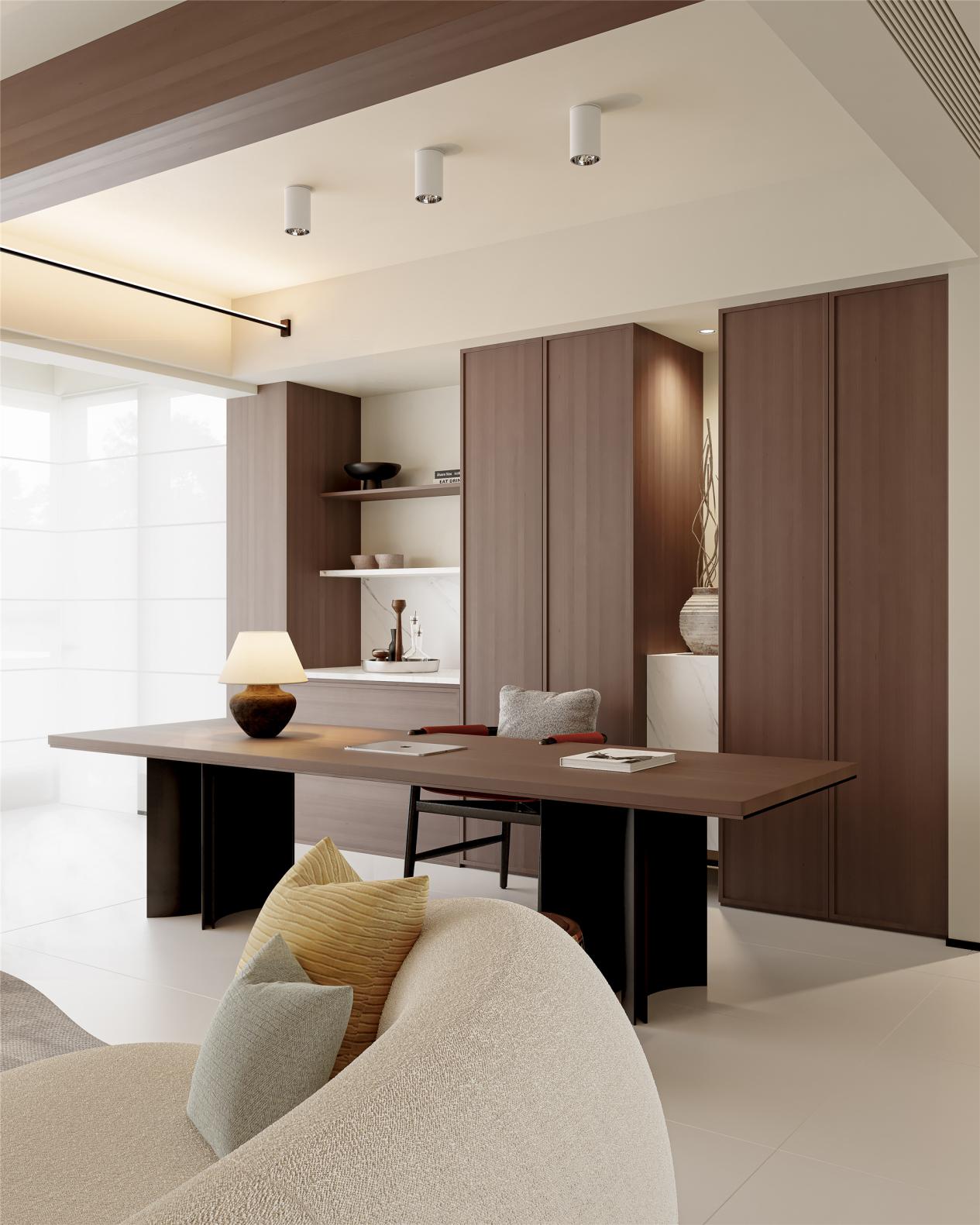
image1

Secondly, manage the spatial proportions—this is key to avoiding a feeling of claustrophobia. For dark walnut, it’s best not to use it extensively throughout the entire home; aim to keep walnut‑toned woodwork to no more than 30% of the space and select about 12 focal points as visual anchors. For example, use a sideboard or a TV backdrop wall as the centerpiece, pair the remaining cabinetry with lighter‑colored panels, choose a light‑hued sofa for the soft furnishings, and add small accents in olive green or reddish brown to create gentle, natural transitions between color schemes. In the dining area, consider cabinet doors in a broad mountain‑grain walnut finish, complemented by lattice details and accented with plants and ceramic décor to enrich the spatial depth.

To experience the rich texture of walnut wood, you don’t necessarily have to opt for expensive solid hardwood; high-quality veneer panels can equally replicate its sophisticated grain. BOSNIE Whole-House Customization offers a range of walnut-inspired finishes that faithfully reproduce natural wood patterns such as mountain grain and water droplet grain, with panels meeting ENF environmental standards. Designers carefully consider each home’s layout and lighting to determine the appropriate coverage and placement of these walnut tones, preventing an overabundance of dark colors while balancing aesthetics, sustainability, and value—allowing even everyday families to enjoy warm, premium walnut‑inspired interiors.
More Articles

More Posts
Integrated door–wall–cabinet systems have become mainstream in home decoration, and BOSNIE Whole-House Customization unlocks a sense of sophistication for the home.
Living Knowledge · 2026.11.19

Integrated door–wall–cabinet systems have become mainstream in home decoration, and BOSNIE Whole-House Customization unlocks a sense of sophistication for the home.

Today, home‑decor aesthetics are evolving. The old approach of sourcing wardrobes, doors, and feature walls separately often leads to color mismatches, uneven gaps, and stylistic inconsistencies. Integrated door‑wall‑cabinet systems are becoming the mainstream choice for upgrade‑oriented home renovations, featuring unified designs for cabinet doors, wall panels, and interior doors. This achieves a high degree of harmony in color, material, and craftsmanship, instantly elevating the overall spatial quality. However, implementing integrated door‑wall‑cabinet solutions places significant demands on a brand’s comprehensive capabilities…

The era of whole-home customization has arrived; when choosing a brand, consider its comprehensive service capabilities.
Living Knowledge · 2026.11.19

The era of whole-home customization has arrived; when choosing a brand, consider its comprehensive service capabilities.

The home improvement industry has moved from an era of customizing individual items like wardrobes and cabinets to a new stage of whole‑home customization. This approach goes beyond simply bundling cabinets, wooden doors, and soft furnishings for sale; instead, it centers on the lifestyle of household members, offering a comprehensive residential space solution that spans design, material selection, production, installation, and after‑sales service. However, many businesses in the market that tout “whole‑home customization” merely cobble together disparate products, lacking a complete...

Whole-house customization: shop smartly without pitfalls—identify materials, monitor quality, and check for environmental safety, all in one step.
Living Knowledge · 2026.11.19

Whole-house customization: shop smartly without pitfalls—identify materials, monitor quality, and check for environmental safety, all in one step.

Many people run into trouble when ordering custom cabinetry because they fail to establish clear selection criteria beforehand. Overwhelmed by merchants’ various sales pitches, they easily fall into the low‑price trap. To succeed with whole‑house customization, stick firmly to three core principles: identify materials, scrutinize quality, and verify environmental safety. By setting your purchasing rules in advance, you can avoid frustrating experiences and ensure a smooth home‑improvement process. Material quality and craftsmanship directly determine the cabinet‑use experience, yet the market is rife with information‑asymmetry traps. Some sellers pass off inferior products as superior, using substandard boards, hardware…

BOOK A CONSULTATION

Want to Apply These Ideas to Your Own Home?

It can explain the apartment area, decoration stage and preferred style. The BOSNIE team will combine the home encyclopedia, real cases and product systems to provide one-to-one custom suggestions for the entire home.