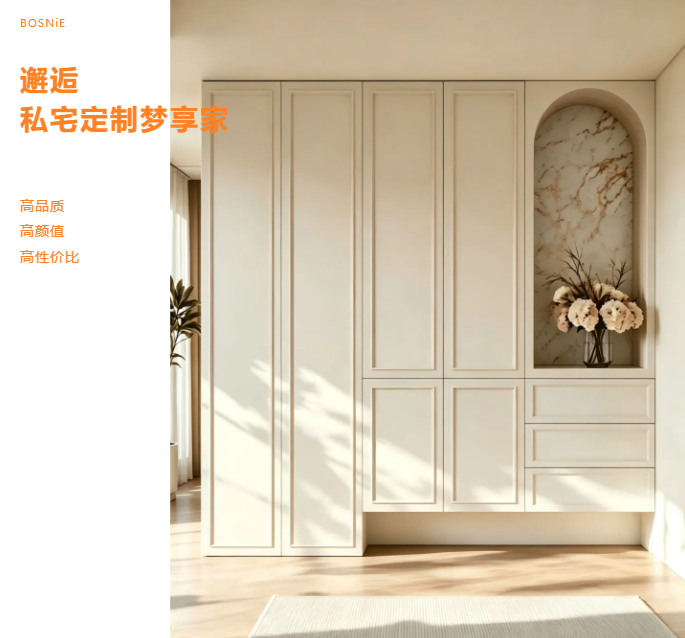
Outstanding design harnesses imagination to master materials and technology—delivering exceptional value in both functionality and aesthetics, and unlocking limitless possibilities.
In the field of whole-house customization, seven aesthetic design approaches are widely embraced—drawing inspiration from structure and dimensional proportions to elevate modern residential aesthetics and imbue spaces with refined sophistication and distinctive character.
Advance and Retreat
Step-back design” refers to a technique where a small amount of space is intentionally sacrificed to position cabinetry at varying depths—creating subtle recesses and projections between modules—to enhance spatial depth and visual layering.
This design is commonly used in sideboards, creating a visually appealing layered effect through differing cabinet depths at the top and bottom sections.
Application Scenarios
Clamp-and-Lift
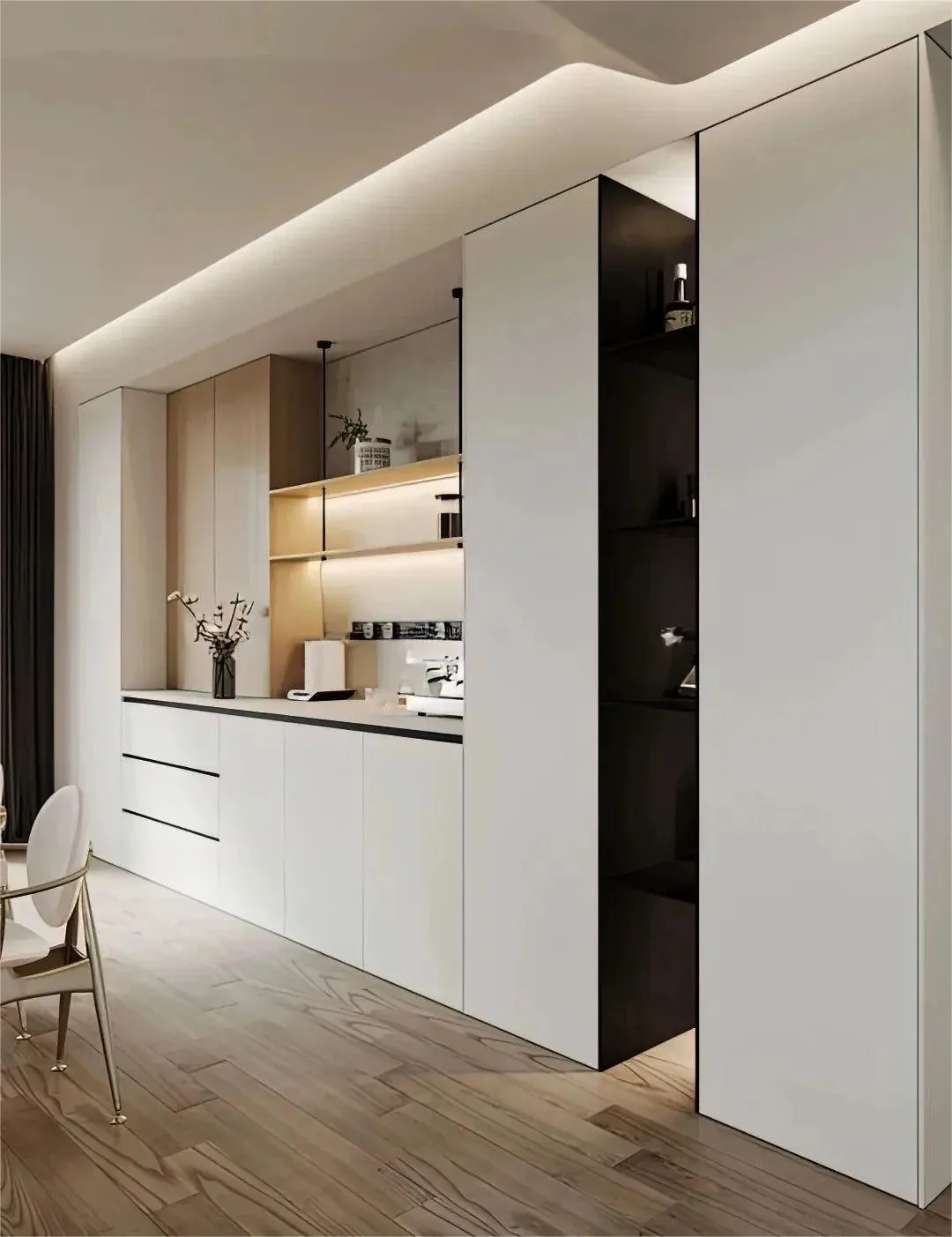
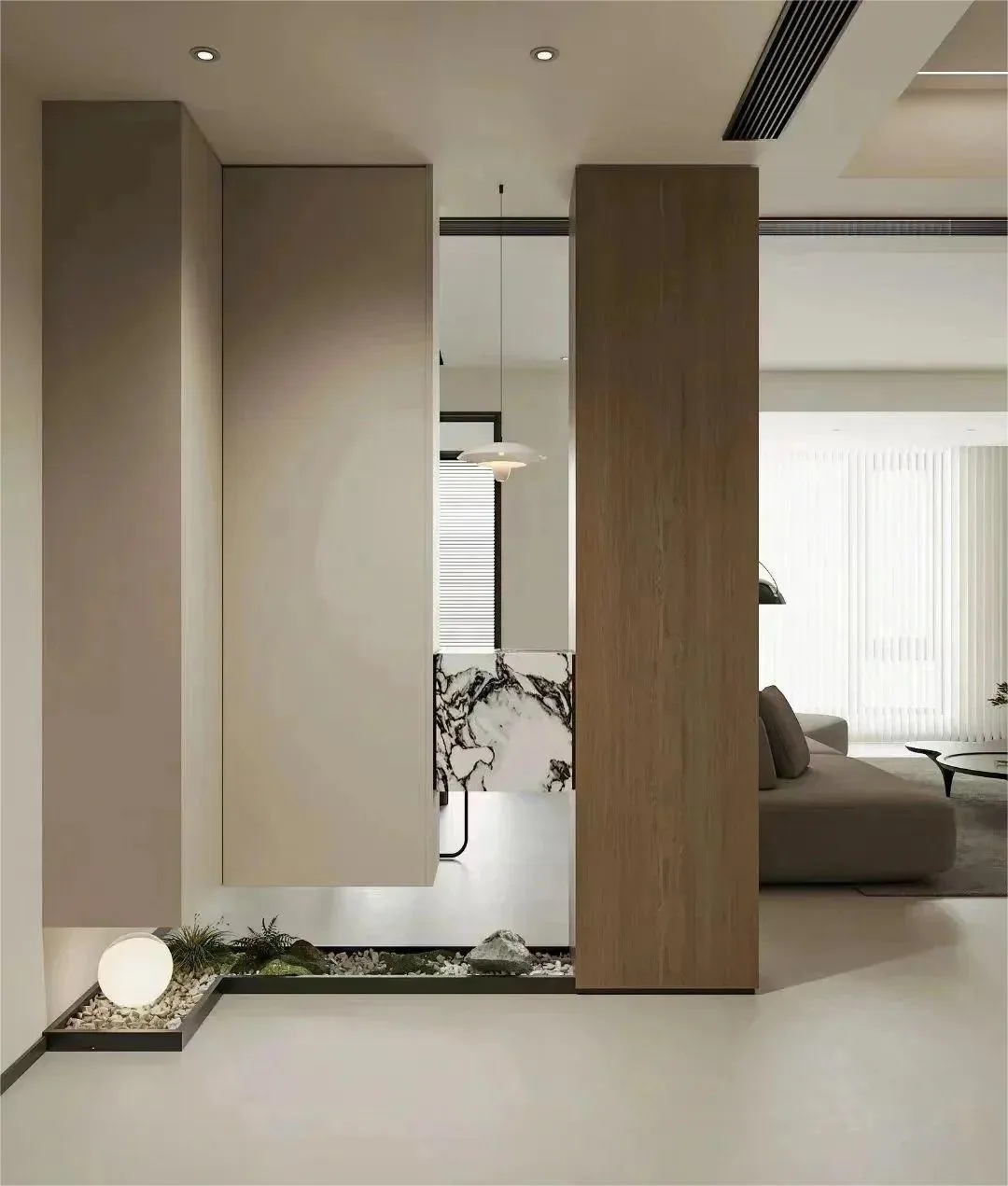
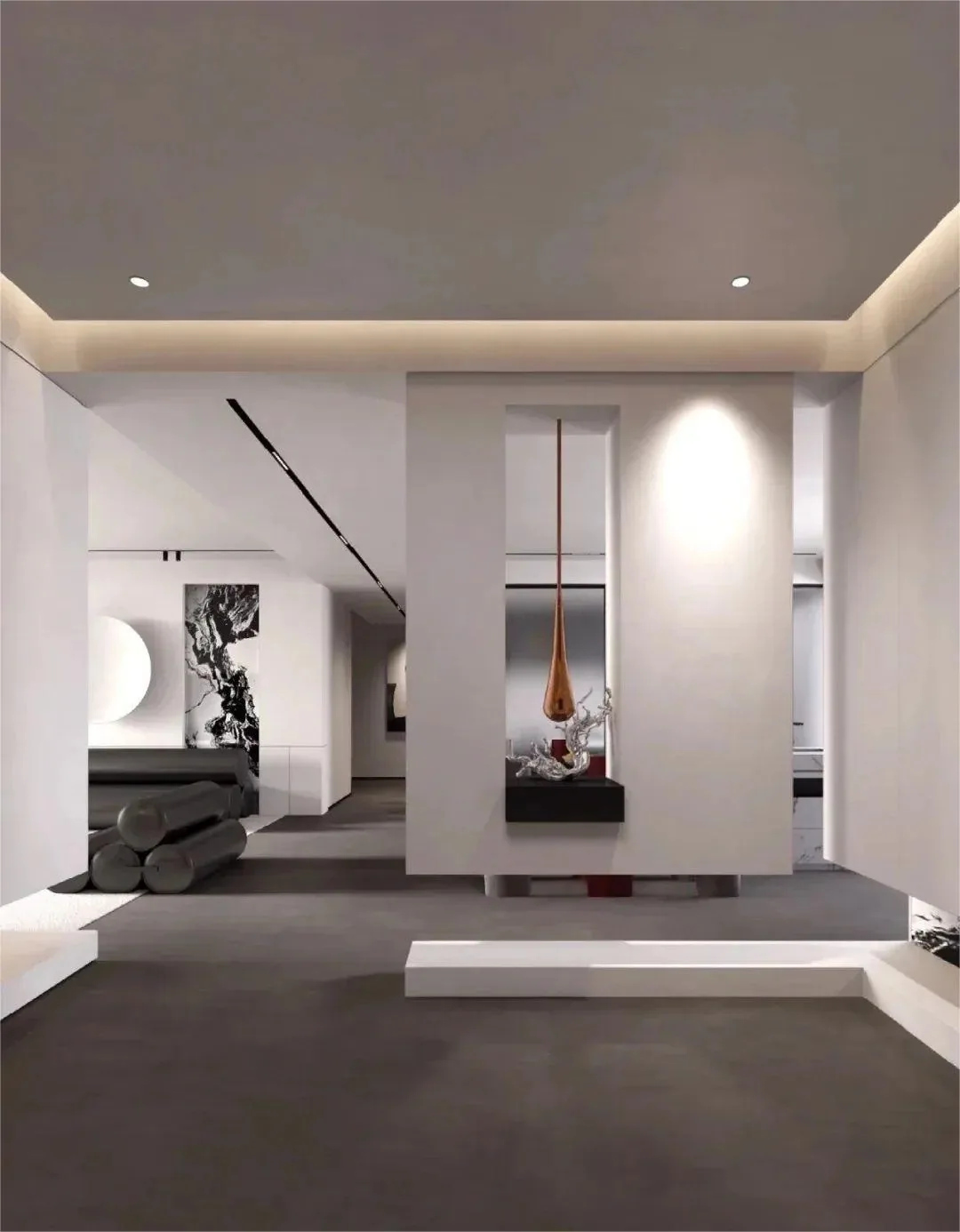
The cantilevered design suspends either large or small individual volumes—either freely in space or supported by minimal structural elements. This approach creates striking visual contrast through the juxtaposition of differing volumetric scales, while the cantilevered volumes are positioned between supporting structures to increase both bearing surface area and load-bearing capacity.
The clamp-and-suspension design is commonly used in entryway cabinets and partition cabinets, creating a new visual focal point and enhancing the overall aesthetic appeal of the space.
Application Scenarios
Enclosure
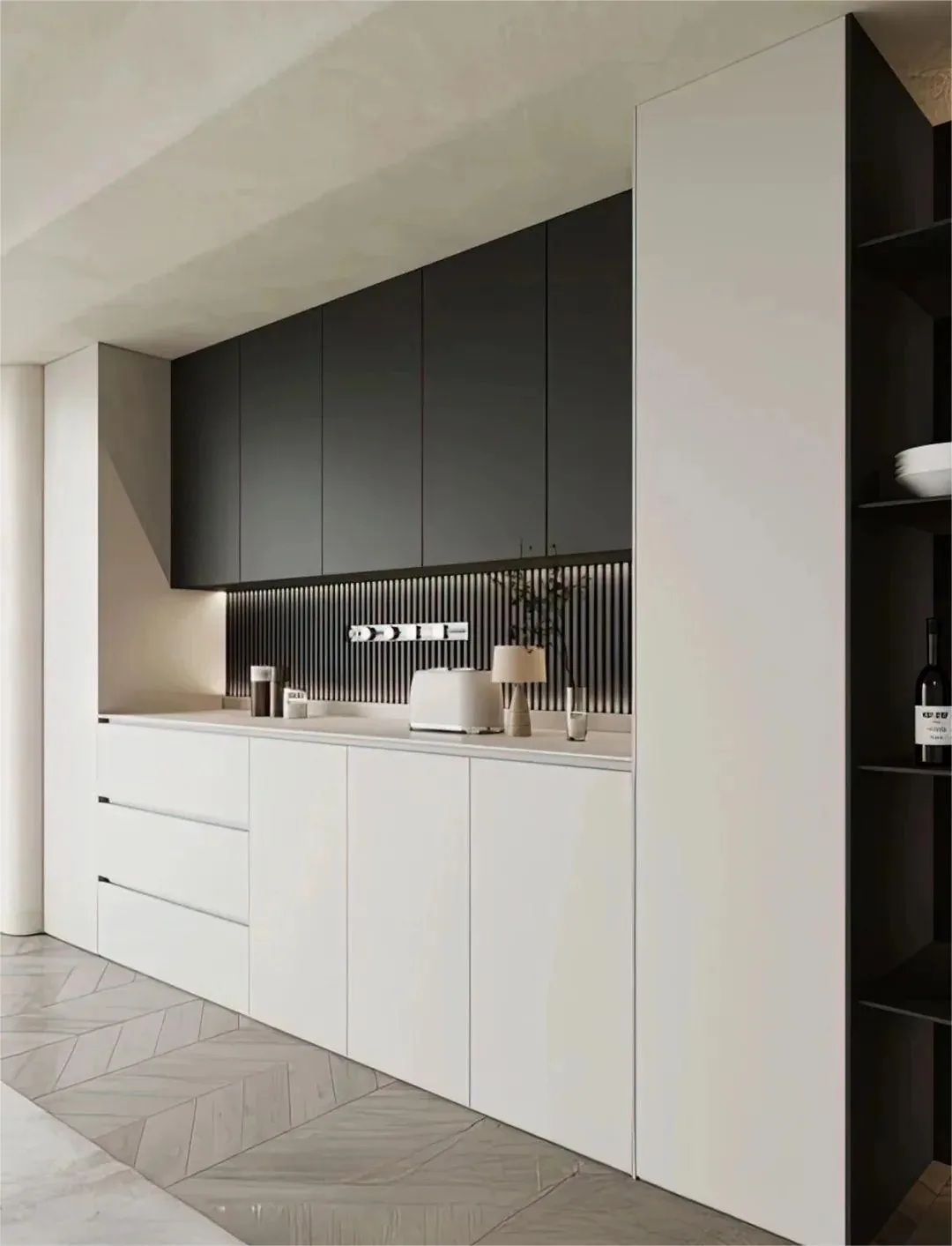
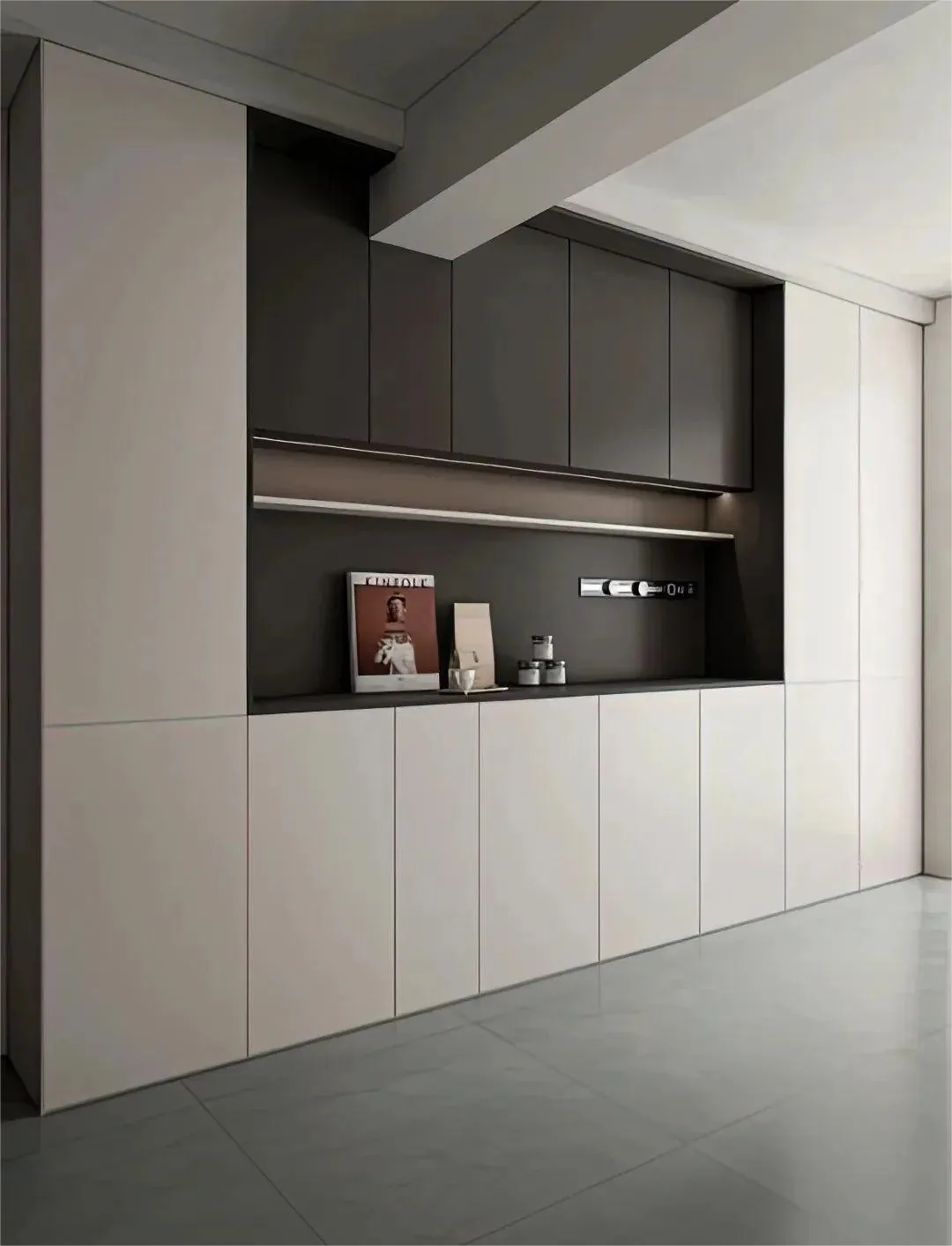
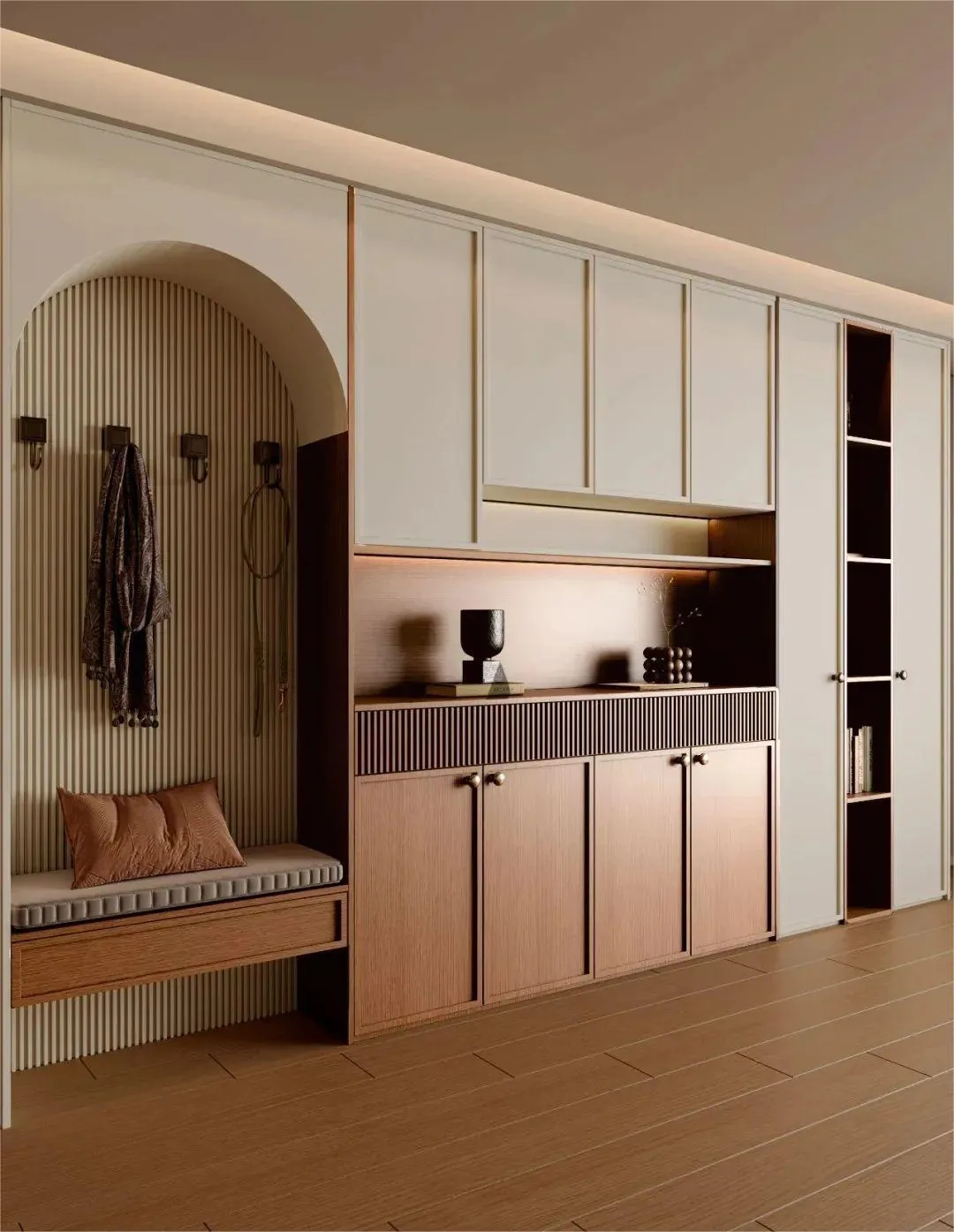
Enclosure is an architectural concept that, when applied to cabinet design, creates a sense of spatial rhythm—advancing and receding—while strategic use of negative space introduces accent colors to highlight key areas.
This design technique is commonly used for dining sideboards and pantry cabinets. When applying the enclosed design, ensure sufficient width—ideally 2.4 meters or more—to achieve a more elegant and spacious finished appearance.
Application Scenarios
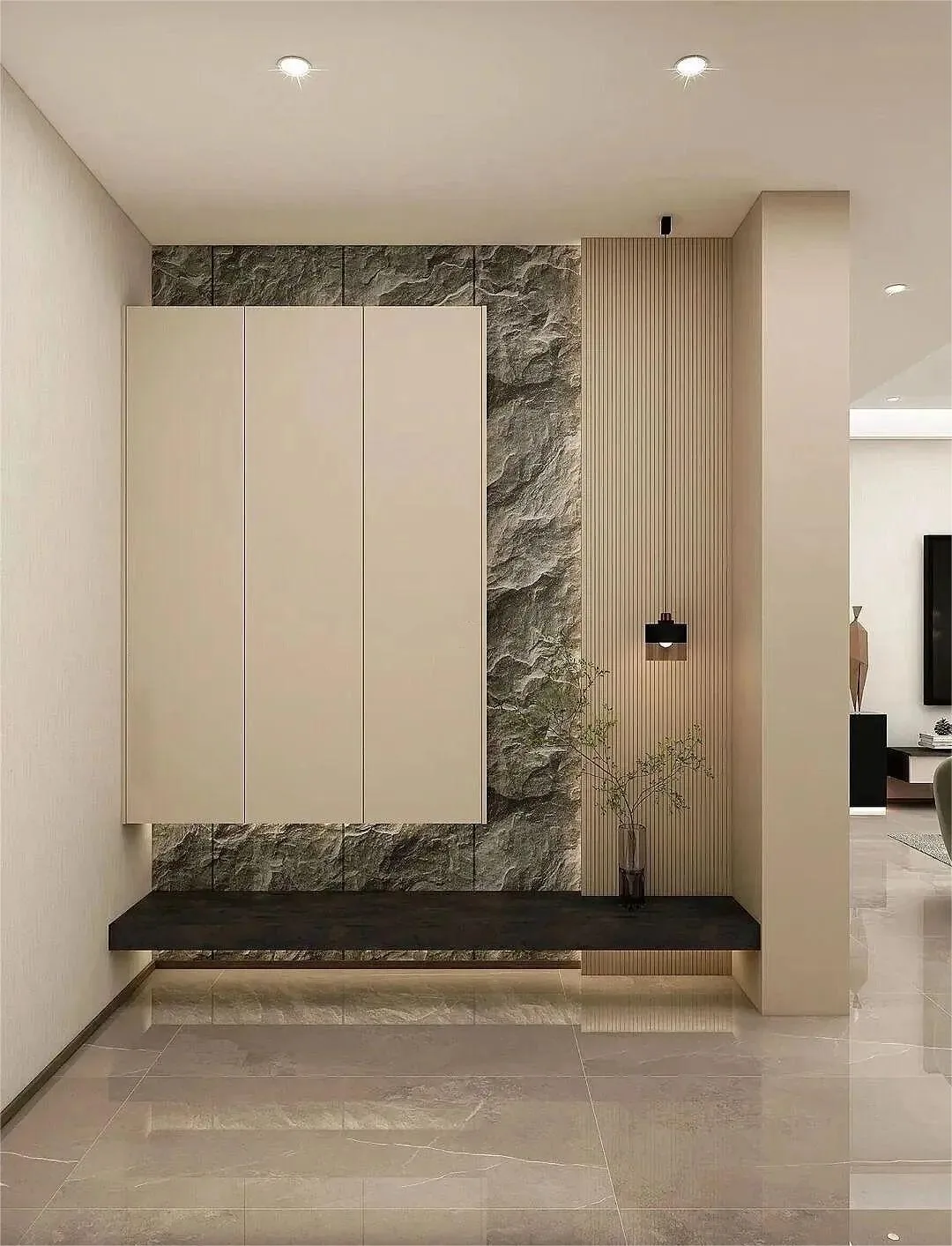
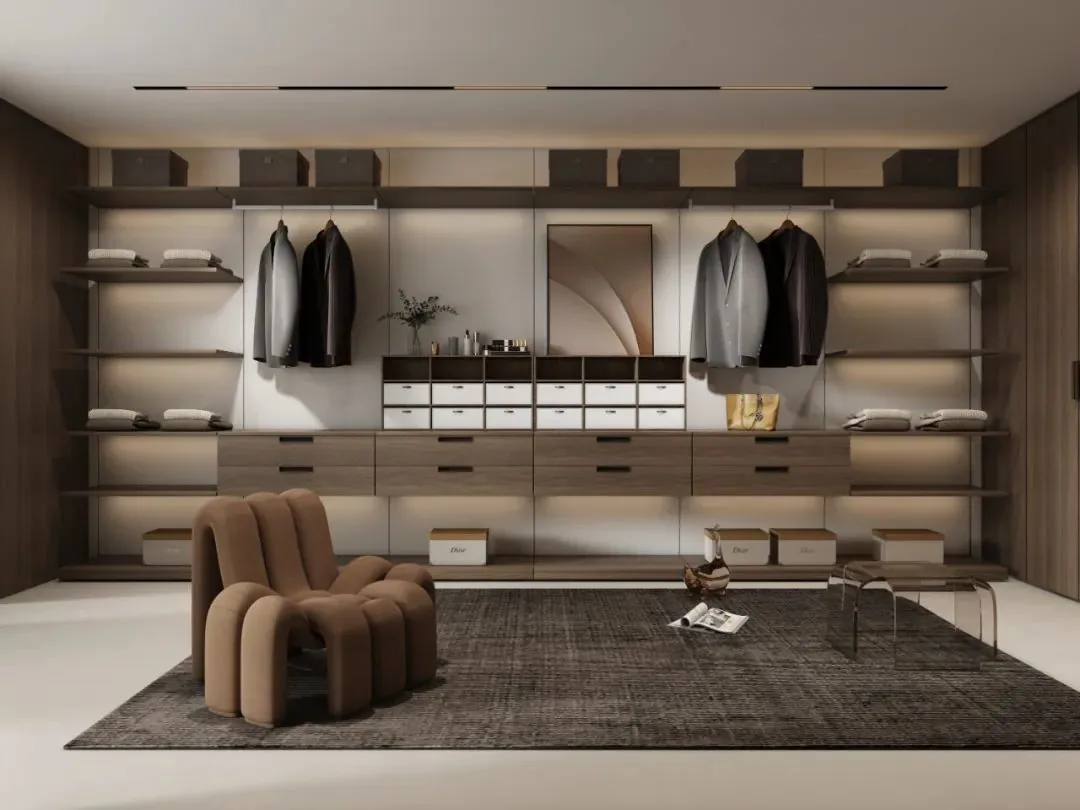
Cantilevered Design
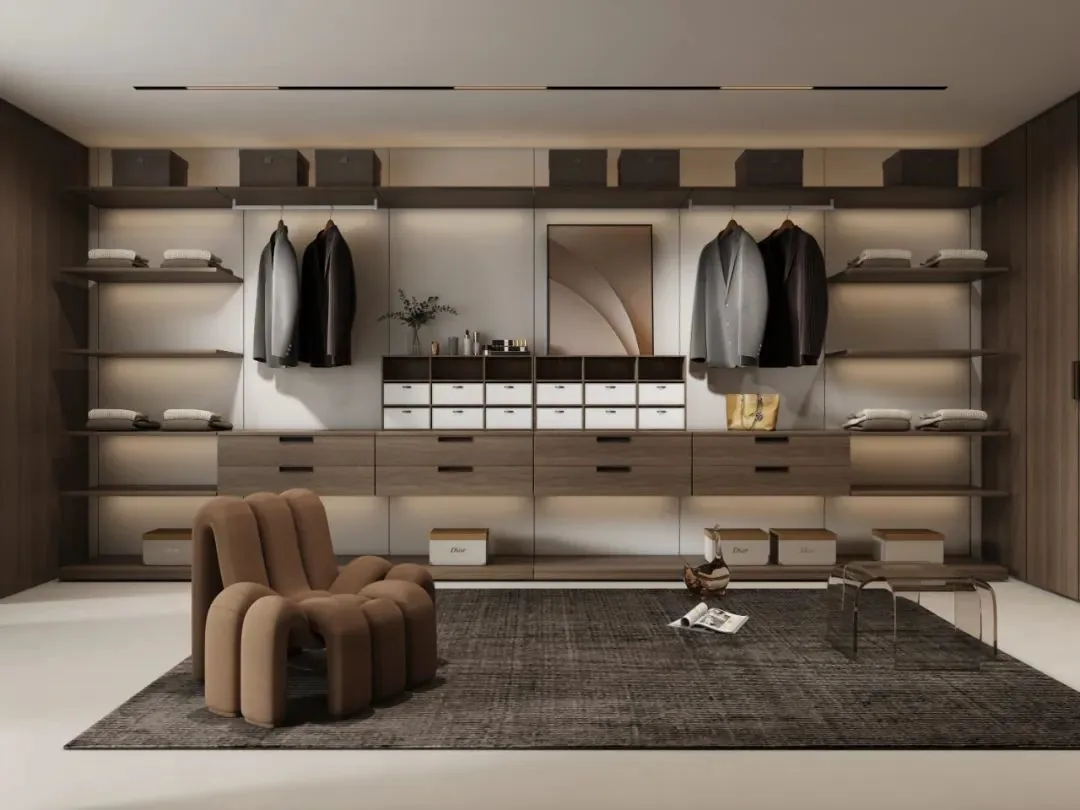
Cantilevered design is a widely adopted approach in contemporary space customization. By suspending cabinetry above or below the wall base—or both—it creates a distinctive floating effect.
This floor-free, suspended cabinet design is frequently applied to TV stands, walk-in closet drawer units, and room dividers—saving space while adding visual layering and alleviating spatial constraints.
Application Scenarios
Overlapping Design
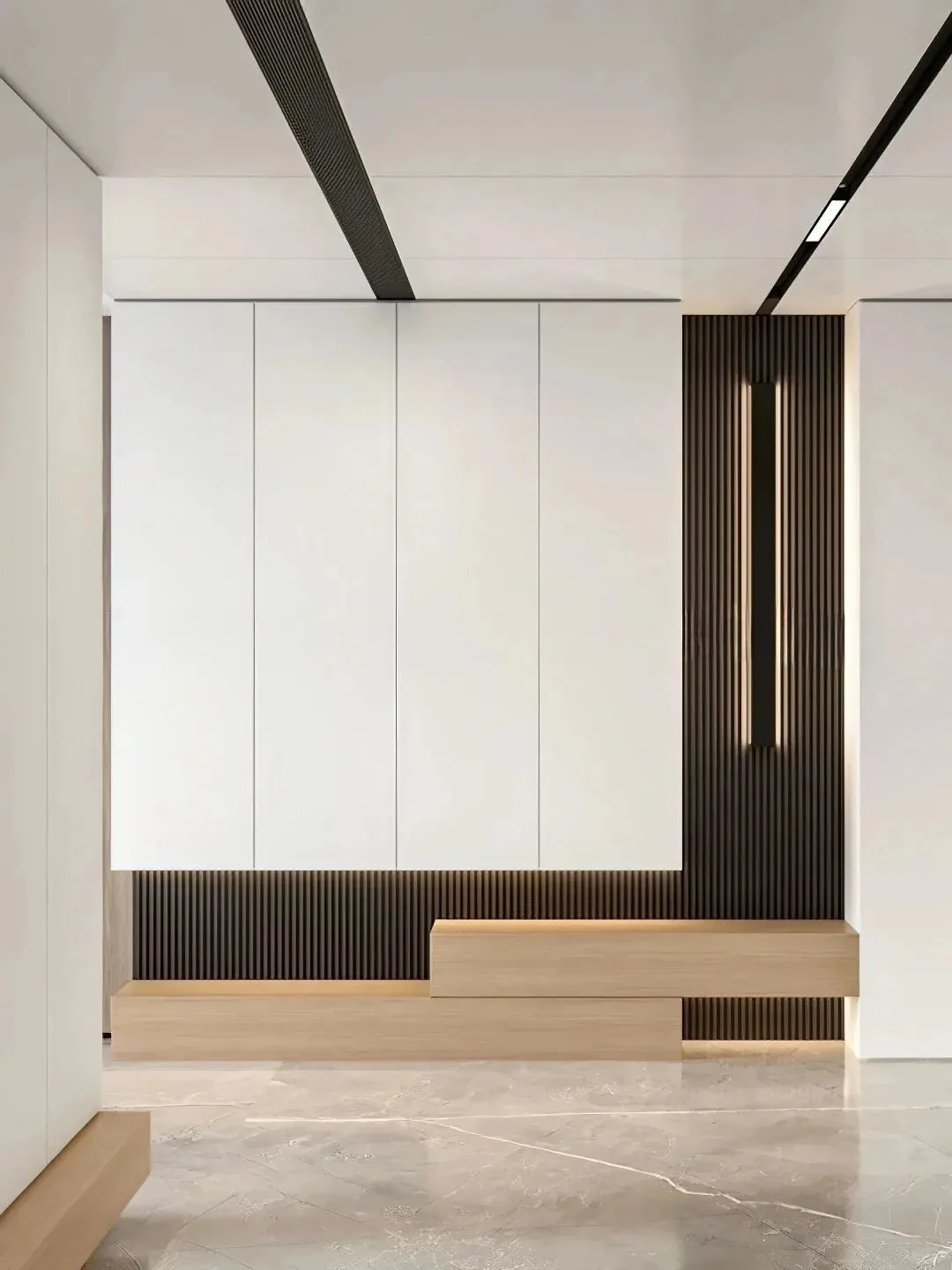
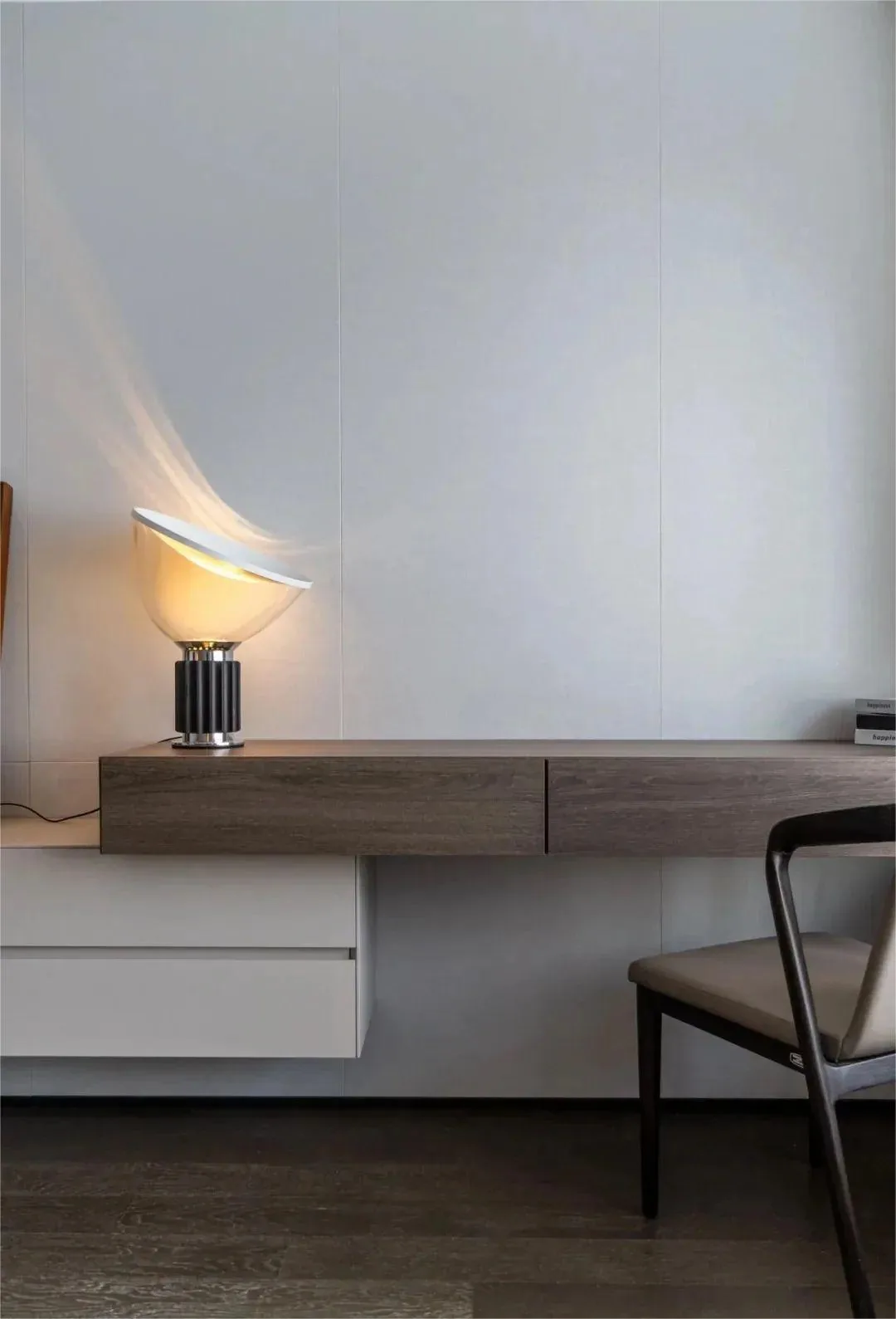
Overlapping design is an evolution of interlocking design, achieved through vertical stacking or material interplay. Its high degree of flexibility enables dynamic, varied compositions that energize interior spaces.
Application Scenarios
Offset Design
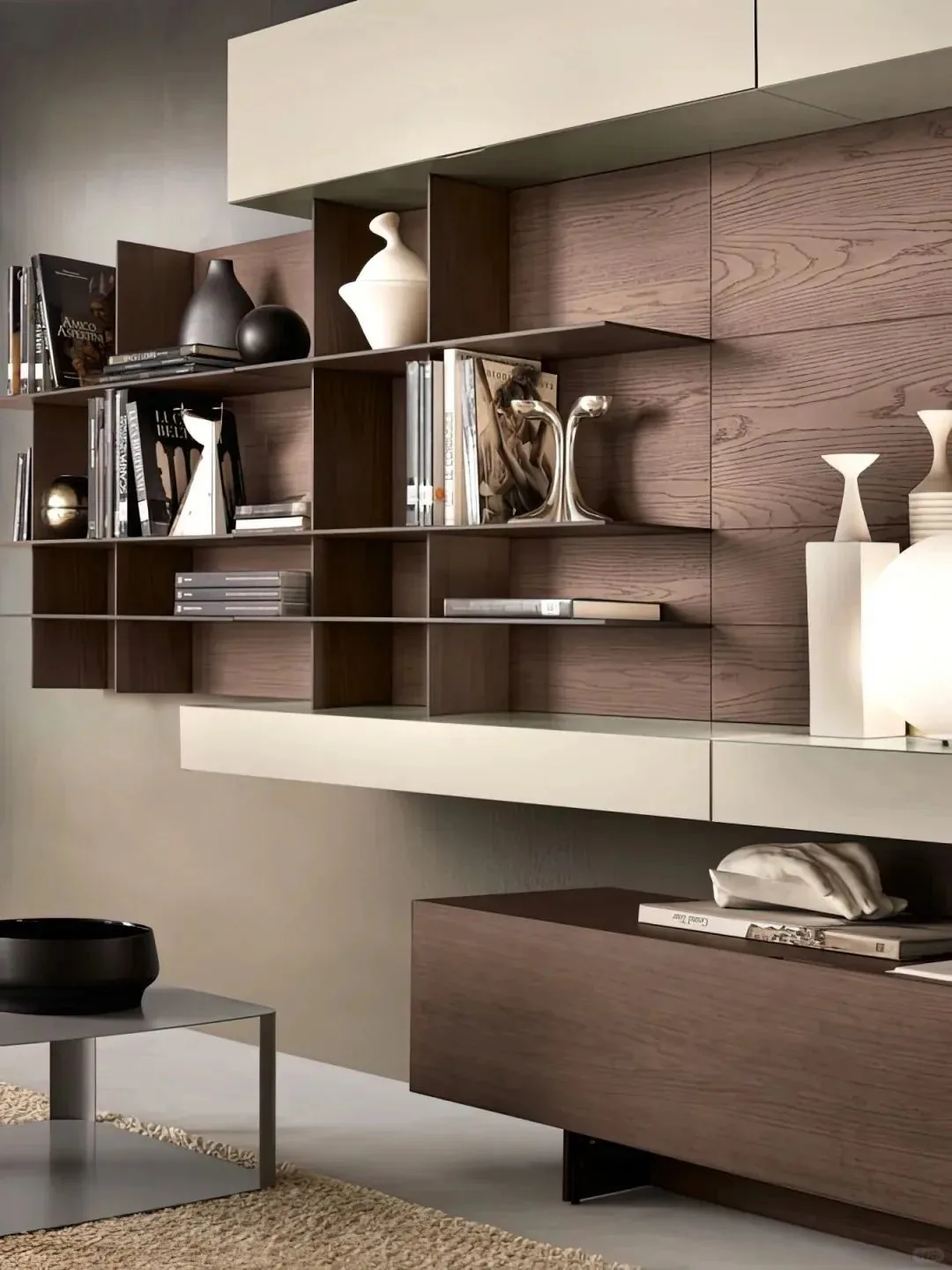
Offset design involves arranging cabinetry elements in staggered configurations within the same space, enhancing visual depth, introducing dynamic movement, and elevating overall sophistication.
Cabinetry designed with deliberate sequencing through offset arrangements breaks away from flat, monotonous layouts—drawing attention through variation and typically suited to larger-scale spaces.
Application Scenarios
Curved Corner Solutions
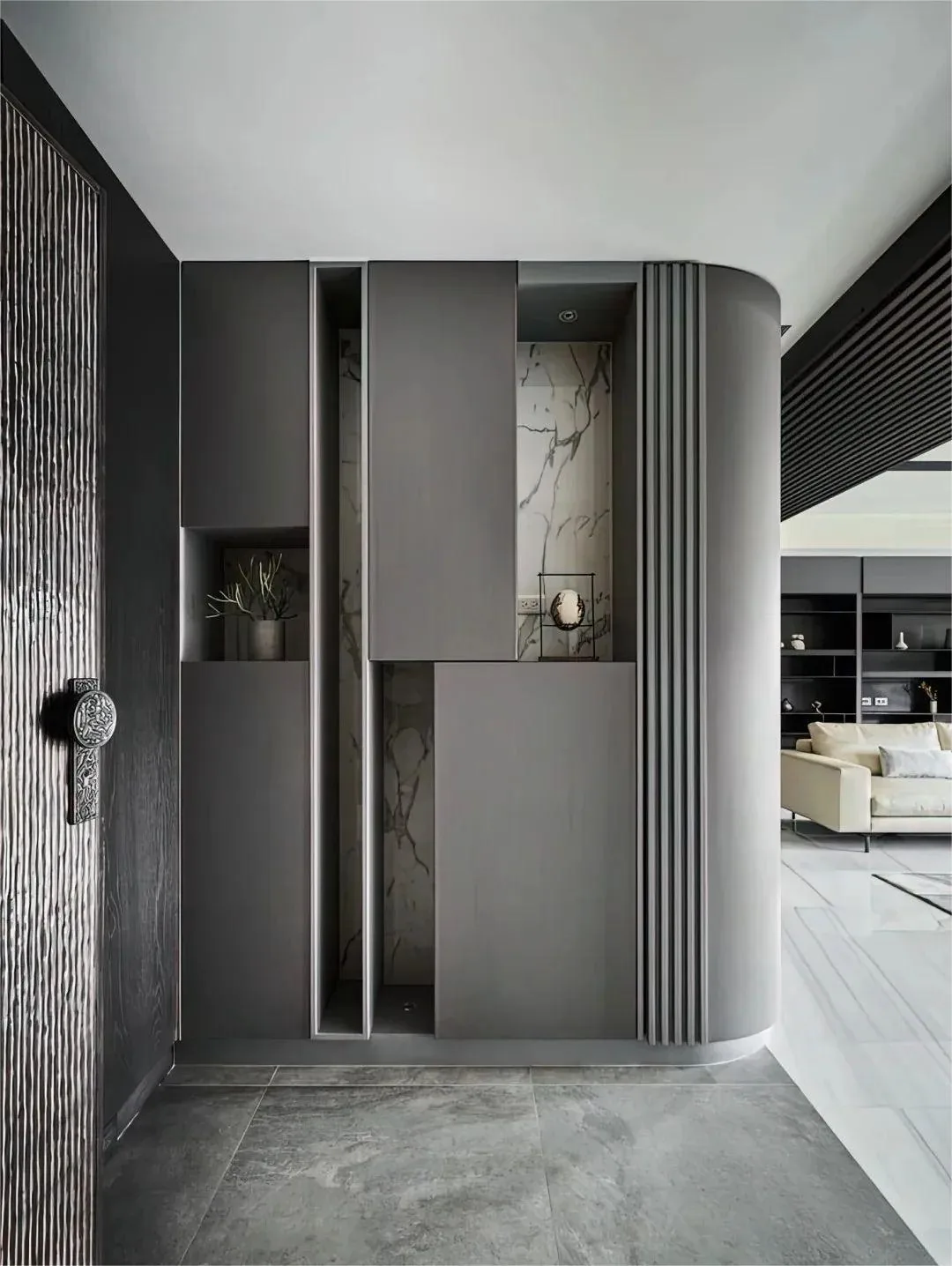
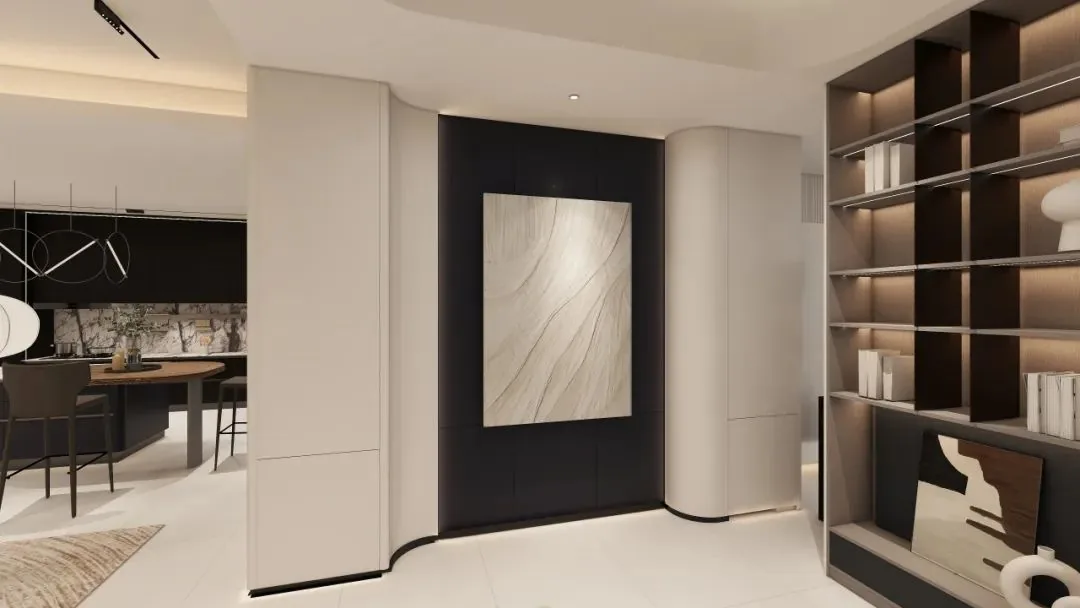
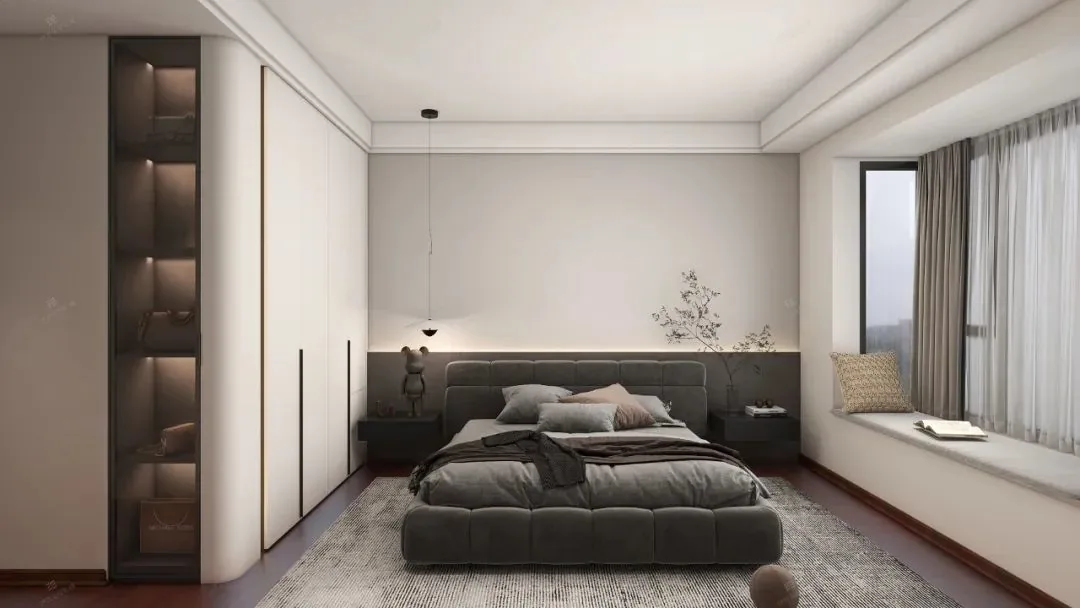
Curved corner solutions employ curved craftsmanship to elegantly treat cabinet or wall corners. This design creates smooth, natural transitions in curved cabinetry—ensuring visual continuity and unity while delivering a clean, soft aesthetic that harmonizes effortlessly with diverse interior styles.
Curved corner treatments are versatile, small-scale decorative elements widely applied in entryway corner cabinets, wardrobes, and sideboards. Their relatively simple fabrication process keeps costs competitive, making them the top recommendation for custom cabinetry projects.
Application Scenarios
Whole-house customization is never one-size-fits-all—it’s fully personalized to your unique spatial layout and lifestyle needs. BOSNIE: Your dream partner for private residence customization, crafting spaces that breathe with balance and comfort.