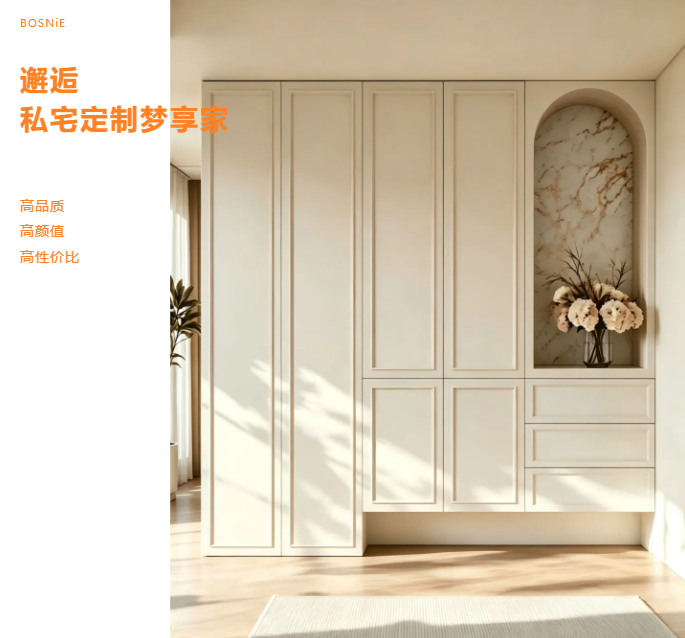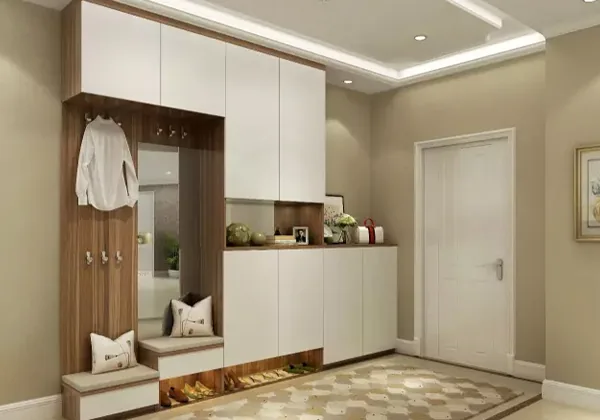
The entryway cabinet is designed as a modular unit; through clever combinations and open‑work detailing, the overall composition features dynamic relief and a strong sense of design.
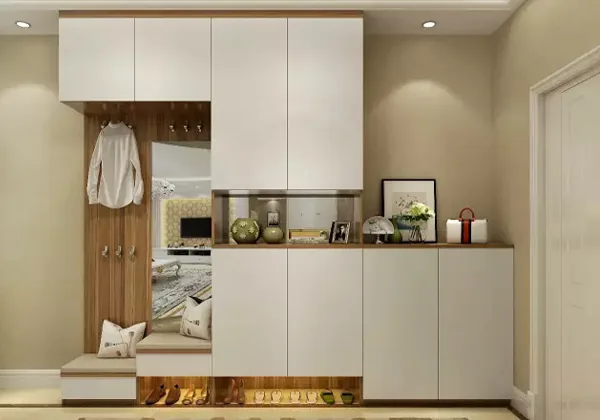
From storing belongings and putting on shoes to tidying up one’s appearance, all these tasks can be handled in one go right at the entrance.
In the living room, taking the floor‑to‑ceiling windows into account, a low‑profile, minimalist design has been adopted to maximize natural light and create a more spacious, airy feel.
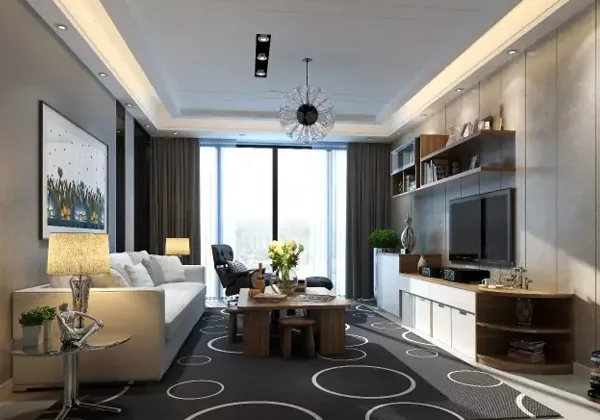
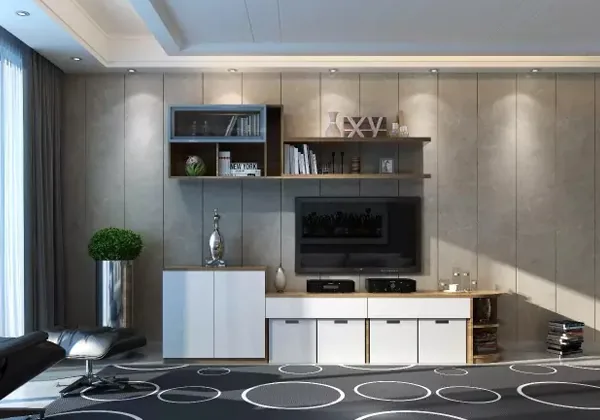
The TV cabinet consists of a base unit paired with a storage cabinet, complemented by wall‑mounted laminate panels—balancing practical storage with aesthetic appeal.
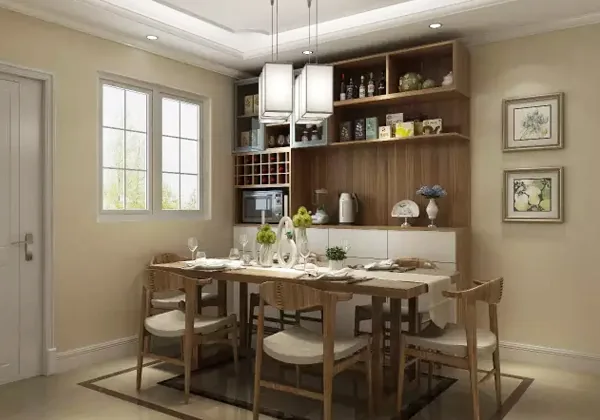
In the dining area, a streamlined approach keeps things simple: just a dining table and chairs along with a wine cabinet, focusing the space squarely on meals and making every dining experience more effortless.
The upper section of the wine cabinet features an open layout for easy access to frequently used items, while the lower part is concealed behind doors, ideal for storing less‑often used but valuable pieces.
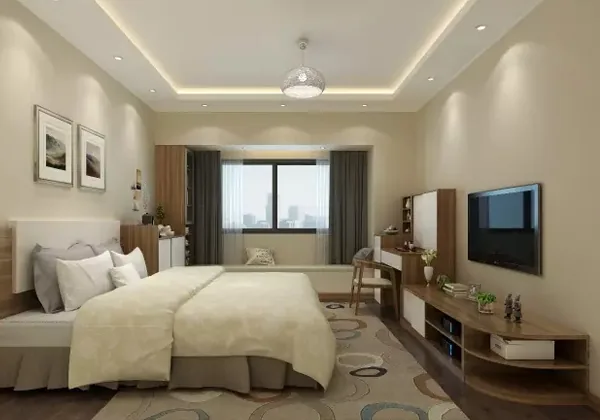
The master bedroom also embraces a low‑profile, minimalist design, minimizing visual obstructions, enhancing spatial transparency, and ensuring maximum comfort.
The color scheme blends warm wood tones with soft white; the bedside table doubles as a storage unit, and a small bookcase built into the bay window creates a cozy spot for leisure and relaxation. A sliding‑door cabinet atop the vanity ensures cosmetics are neatly organized, much like clothes in a wardrobe.
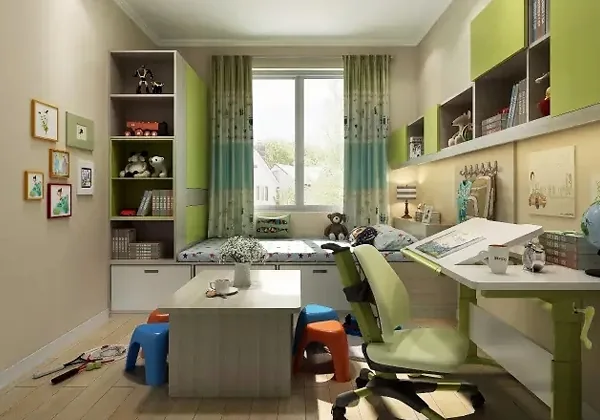
The children’s room stands out from the rest with its vibrant green accents, echoing the lively nature of childhood and infusing the space with energy.
A tatami platform combined with multiple storage cabinets provides ample capacity, easily accommodating children’s clothing, toys, books, and more.
If you enjoyed what you’ve seen, feel free to leave us a comment!