Science Tip | 7 Handy Home-Improvement Tips—You’ll Miss Out If You Don’t Check Them!
Living Knowledge · 2023.05.05

Science Tip | 7 Handy Home-Improvement Tips—You’ll Miss Out If You Don’t Check Them!

Whether you’re a professional or just dabbling, once you’ve rolled up your sleeves and tackled home renovation yourself, your knowledge in this area will undoubtedly grow exponentially. Don’t ask me why—those who’ve been through it know all too well. So beyond the highly technical aspects, what practical tips can we share regarding plumbing and electrical work? Let’s explore together below! 1. Waterproofing should be carried out only after the concealed works have been completed and passed inspection. It’s best to use coating-type waterproofing, and remember to conduct two water‑holding tests after finishing the waterproofing to verify its effectiveness. Bathroom...

Whether you’re a professional or just a DIY enthusiast, once you’ve personally tackled home renovation, your knowledge of the subject will undoubtedly grow significantly. Don’t ask why—those who’ve been through it know all too well.

So aside from highly specialized technical expertise, what practical tips regarding plumbing and electrical systems can we share? Let’s find out together below!

Waterproofing work should only be carried out after concealed works have been completed and passed inspection. It’s best to use coating-type waterproofing, and remember to conduct two water‑holding tests after completion to verify its effectiveness.
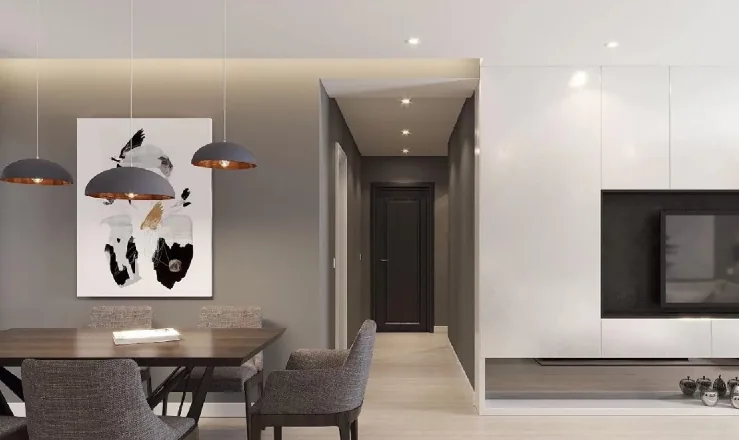
In bathrooms, the waterproof layer should ideally extend at least 1.8 meters high—roughly the height of an average person.
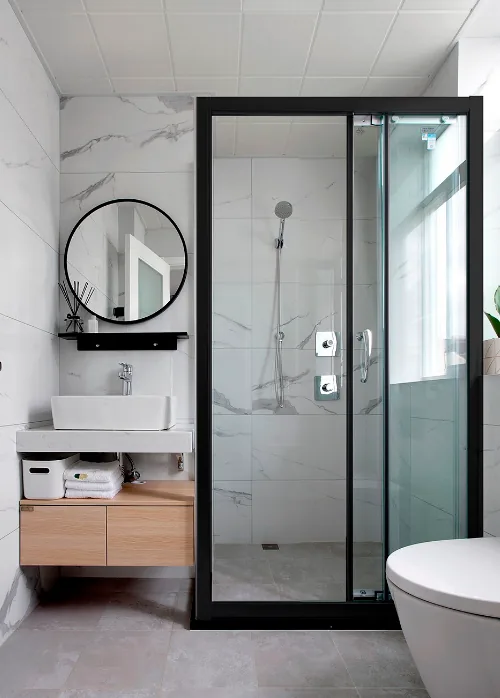
Areas frequently exposed to water, such as floor drains, internal corners, and pipe penetrations, must receive extra layers of waterproofing. Additionally, it’s advisable to install odor‑proof floor drains—experienced homeowners know exactly why.
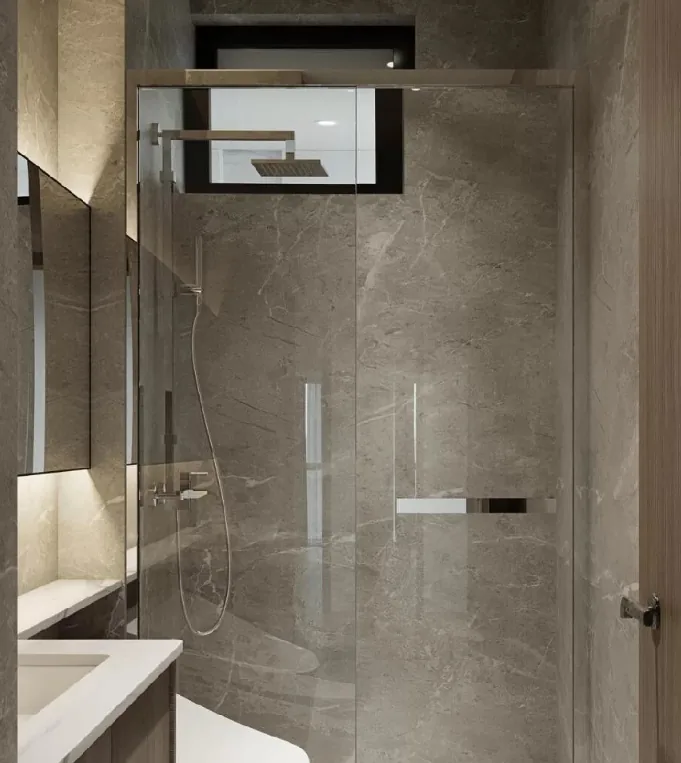
Faucets and washbasins should match in size; even slight dimensional discrepancies can make installation impossible. Moreover, the sink used for washing vegetables is particularly important—opt for one with a larger capacity to avoid clutter and inconvenience.
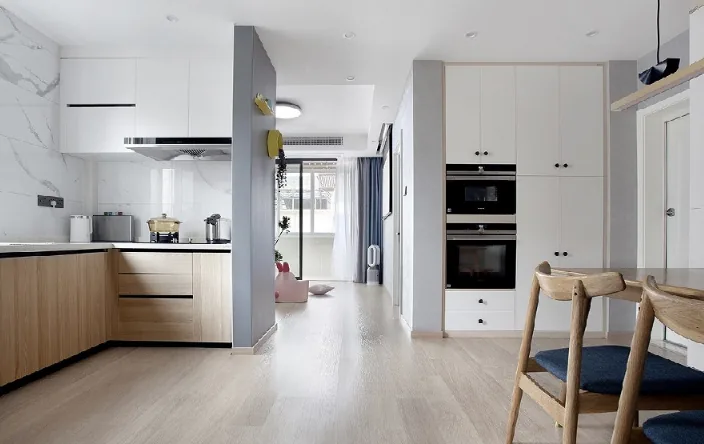
When installing lighting, consider dual‑control switches whenever possible to save yourself unnecessary trips back and forth. Also, avoid placing switches behind doors, as this can be very inconvenient during daily use.
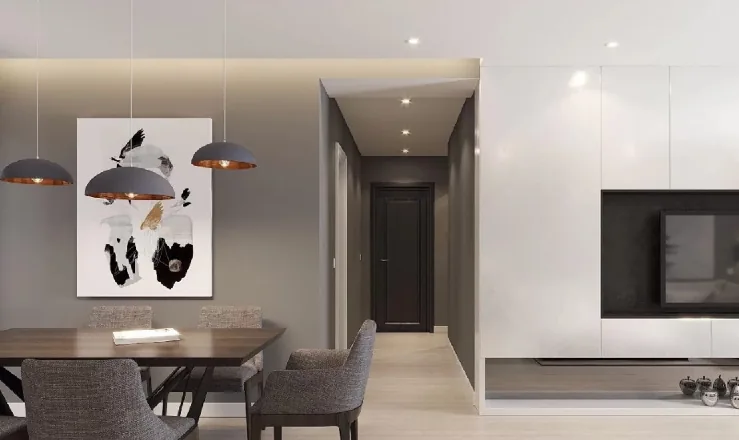
Standard outlets are rated at 10A, 250V, and 2,500W (though their actual power rating is closer to 2,200W). For higher‑power appliances like electric ovens or air conditioners, use 16A outlets to prevent short circuits or overload issues.
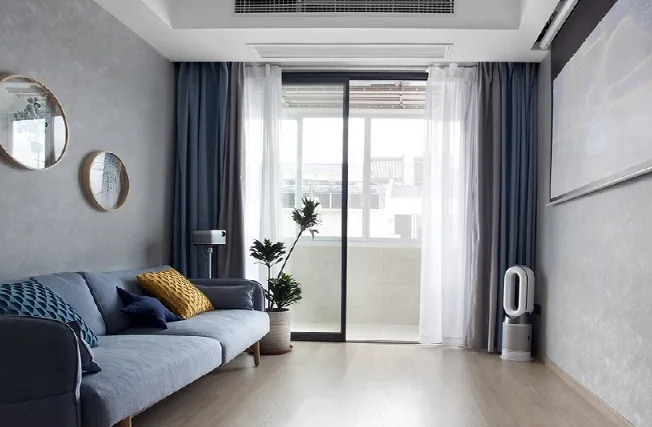
Avoid positioning bedroom air conditioners directly facing the bed. Constant airflow toward a sleeping person may lead to dry skin and dehydration. Additionally, ensure the AC vent is angled slightly outward; otherwise, rainwater could seep into the wall.
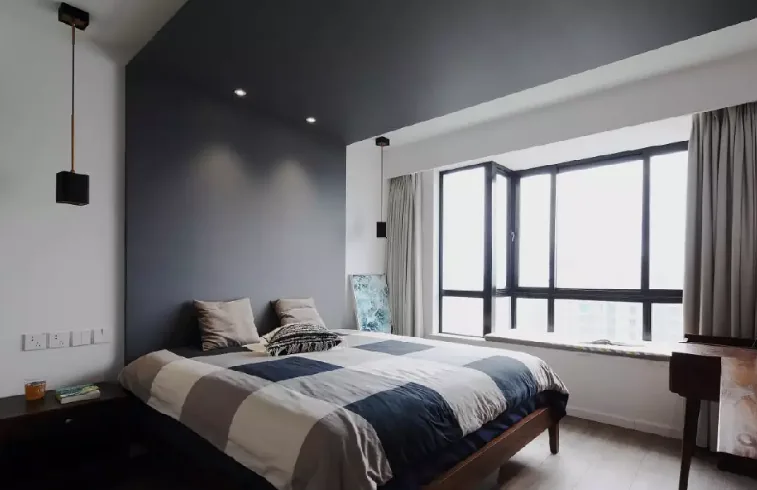
These are some essential yet often overlooked tips for home renovation—be sure to keep them in mind when planning your project!
More Articles

More Posts
How should the internal structure of a custom wardrobe be designed to maximize usability? The zoning logic determines storage efficiency.
Living Knowledge · 2026.10.29

How should the internal structure of a custom wardrobe be designed to maximize usability? The zoning logic determines storage efficiency.

How should you design the internal structure of a custom wardrobe to make it truly functional? The zoning logic determines storage efficiency. The effectiveness of a custom wardrobe depends on whether its internal layout aligns with your household’s actual clothing inventory and your habits for putting things in and taking them out. The correct design sequence is: first, take stock of your clothes; second, determine the zones; and only then consider the overall style. This article provides a set of zoning principles and dimension guidelines that you can apply directly. 1. Inventory First, Design Later: A wardrobe is a reflection of your clothing collection...

How to coordinate color schemes for whole-house customization? The 60-30-10 rule and four space-specific strategies.
Living Knowledge · 2026.10.29

How to coordinate color schemes for whole-house customization? The 60-30-10 rule and four space-specific strategies.

How do you coordinate colors for whole‑house customization? The 60–30–10 rule and four space‑specific strategies. The most common reason why color schemes in whole‑house customization fall flat isn’t that the colors themselves are unattractive, but rather that there are too many colors, the proportions are out of balance, or the materials and colors aren’t well integrated. Master one fundamental principle—the 60–30–10 ratio—and then choose a strategy based on the specific spatial conditions, and you’ll be able to make color choices you won’t regret. I. The 60–30–10 Rule: Let each color...

A Guide to Avoiding Pitfalls in Whole-House Customization: 6 Things You Must Confirm Before Signing the Contract
Living Knowledge · 2026.10.29

A Guide to Avoiding Pitfalls in Whole-House Customization: 6 Things You Must Confirm Before Signing the Contract

1. Board Material Environmental Safety: Rely on Test Reports, Not Verbal Promises It’s common for sellers to tout “environmentally friendly boards” without providing any official test reports. The formaldehyde emission limit for E1‑grade boards is ≤0.124 mg/m³; some retailers use this as a claim of eco‑friendliness, but it falls short for households with elderly residents or young children. A more reliable choice would be ENF‑grade (≤0.025 mg/m³) or E0‑grade (≤0.05 mg/m³), ...

BOOK A CONSULTATION

Want to Apply These Ideas to Your Own Home?

It can explain the apartment area, decoration stage and preferred style. The BOSNIE team will combine the home encyclopedia, real cases and product systems to provide one-to-one custom suggestions for the entire home.

Science Tip | 7 Handy Home-Improvement Tips—You’ll Miss Out If You Don’t Check Them! | BOSNIE Official Website