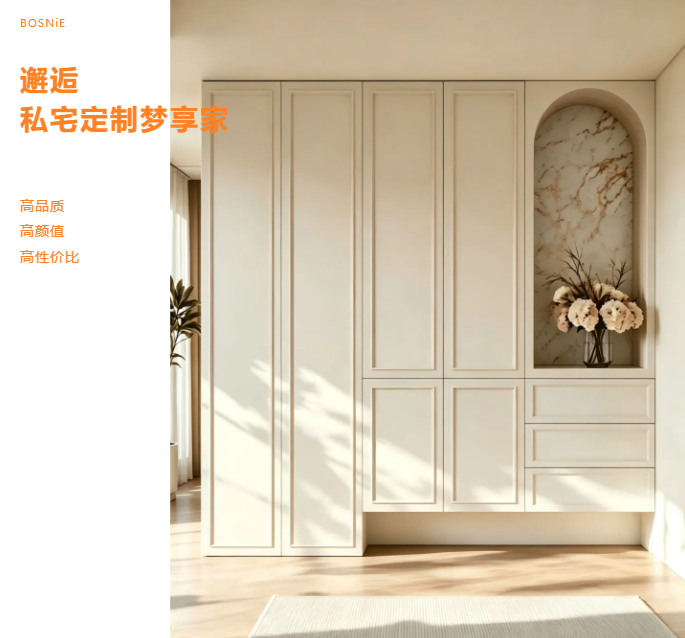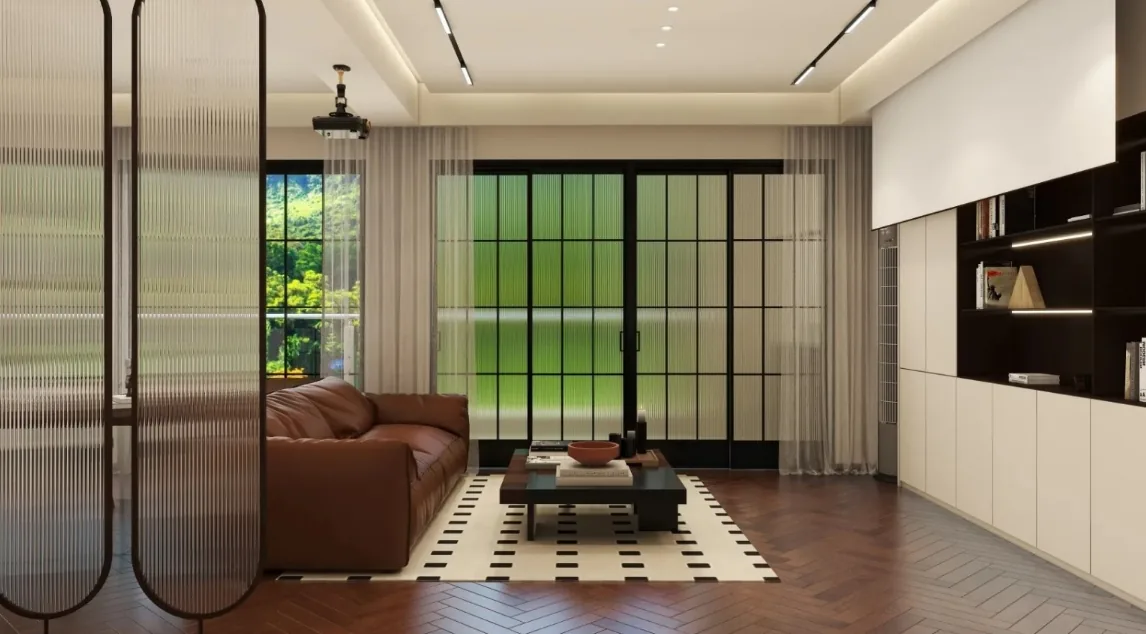
This case showcases a wabi-sabi–inspired whole-house customization design. Join BOSNIE’s editorial team as we explore this project.
A wooden bookshelf is installed behind the living room sofa, displaying an eclectic mix of books and five vintage vases—blending library functionality seamlessly into the living space, with scholarly charm and retro elegance radiating from every corner.
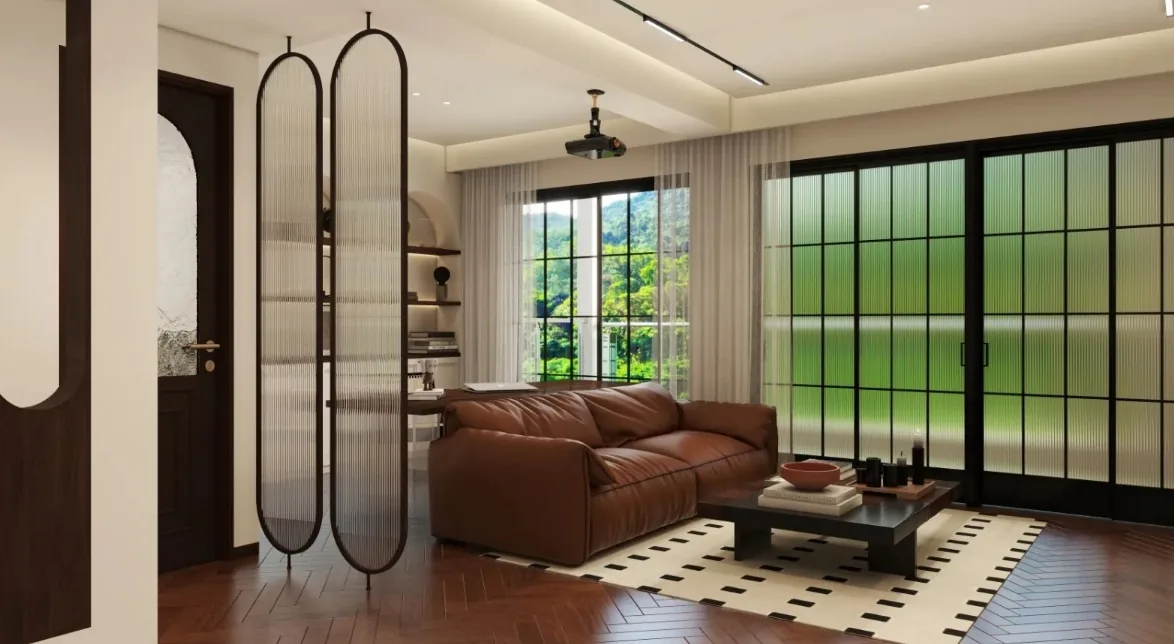
A home embracing retro wabi-sabi aesthetics: its refined yet subtly imperfect beauty is utterly captivating. A dark leather sofa pairs with a wabi-sabi rug and weathered cabinetry—an artful fusion of contrasting styles that imbues the space with distinctive character.
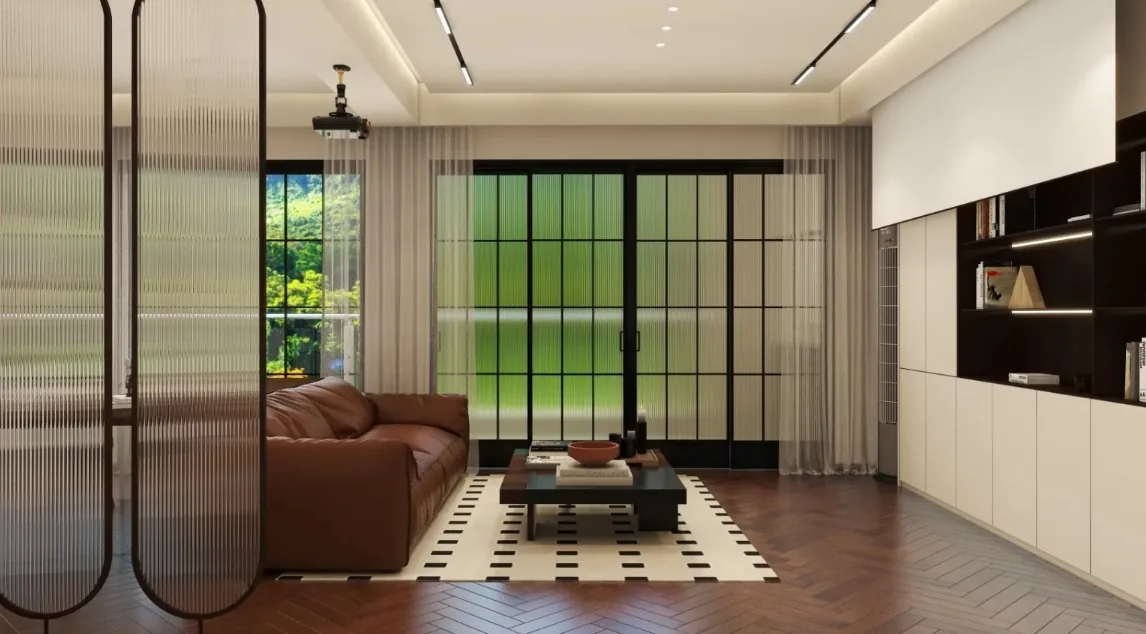
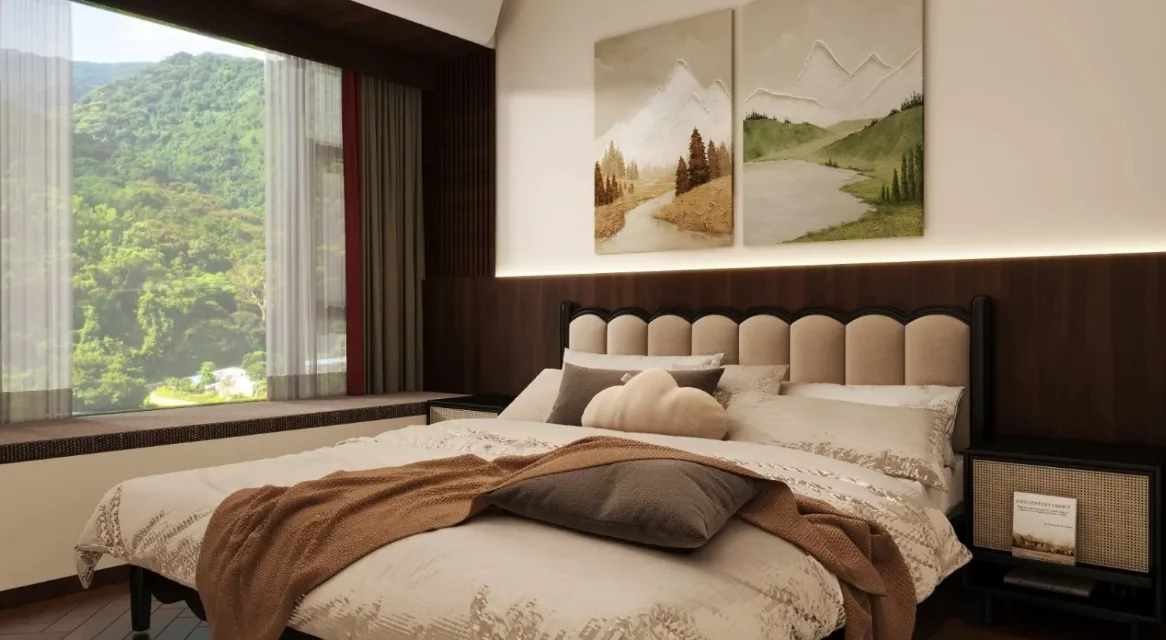
In the bedroom, traditional Chinese design emphasizes symmetry and balance, while wabi-sabi philosophy deliberately embraces asymmetry as a core aesthetic principle—symmetry has no place in authentic wabi-sabi expression.
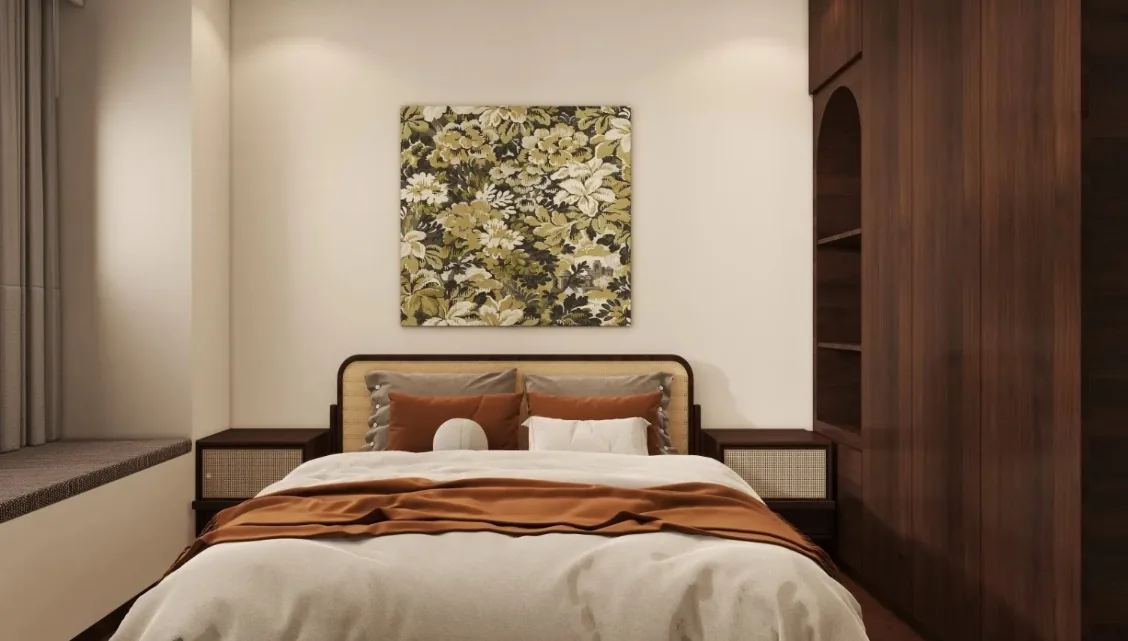
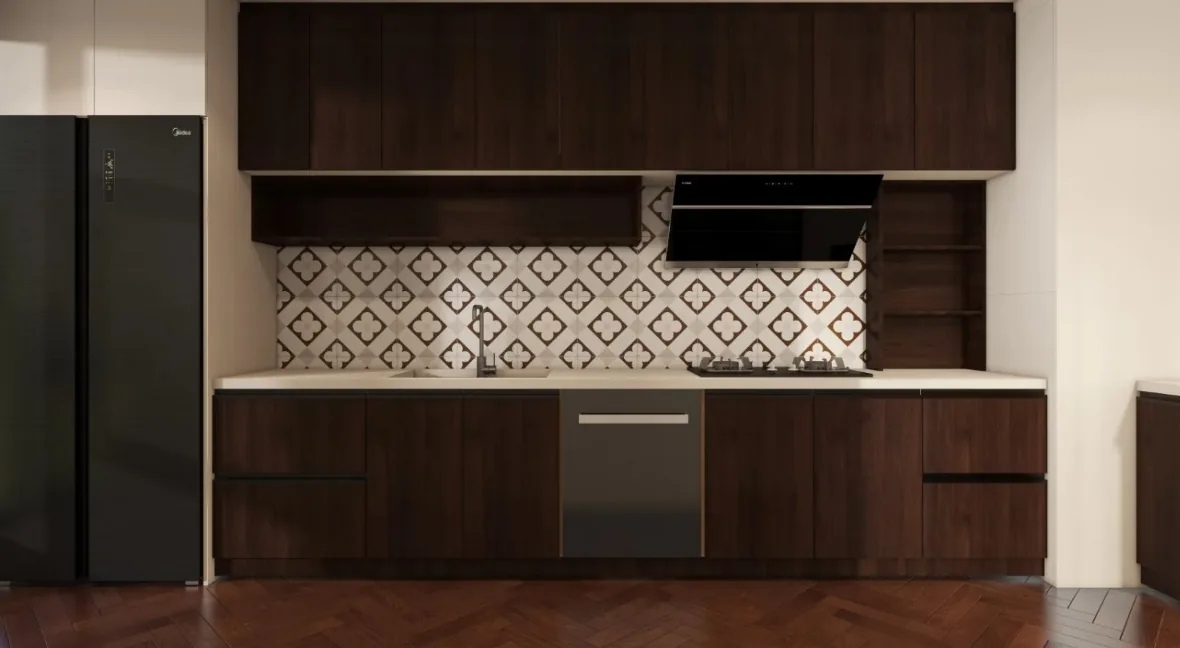
The kitchen features naturally sourced, unrefined materials and breaks away from symmetrical layouts to create visual contrast and enhance spatial interest.
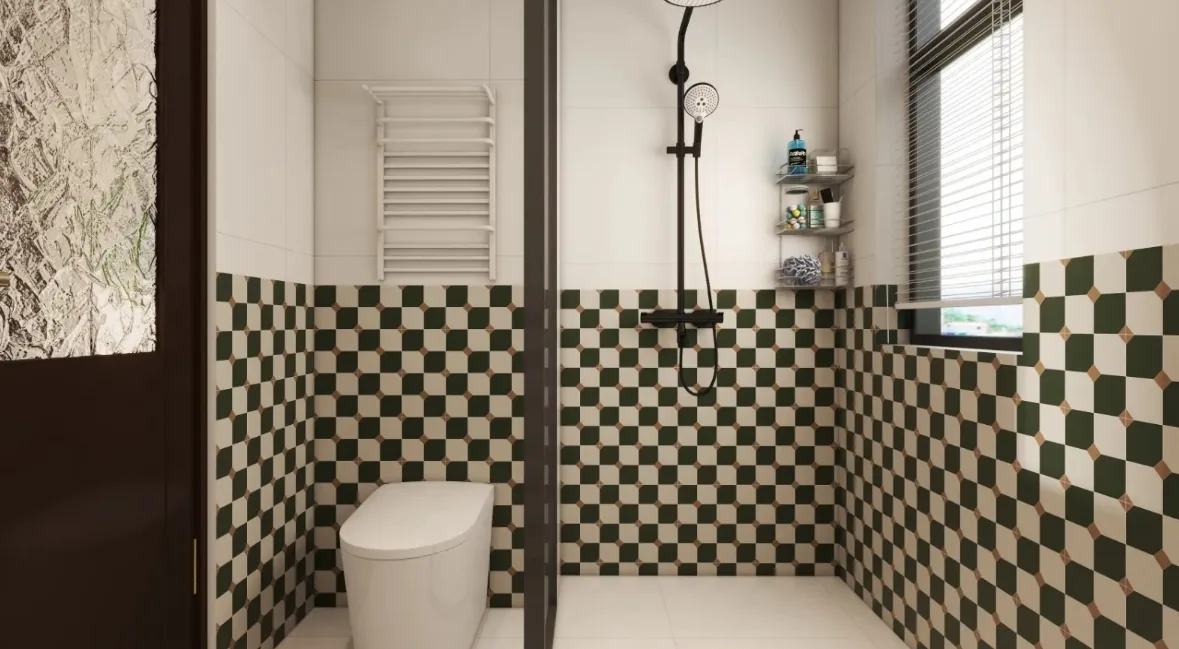
The bathroom embodies wabi-sabi: simplicity and serenity harmonize with earthy, unadorned beauty; ‘sabi’ evokes the quiet luster of time—its aesthetic consciousness centers on subdued tones, austere stillness, and expressive imperfection conveyed through raw textures and poignant, melancholic grace.
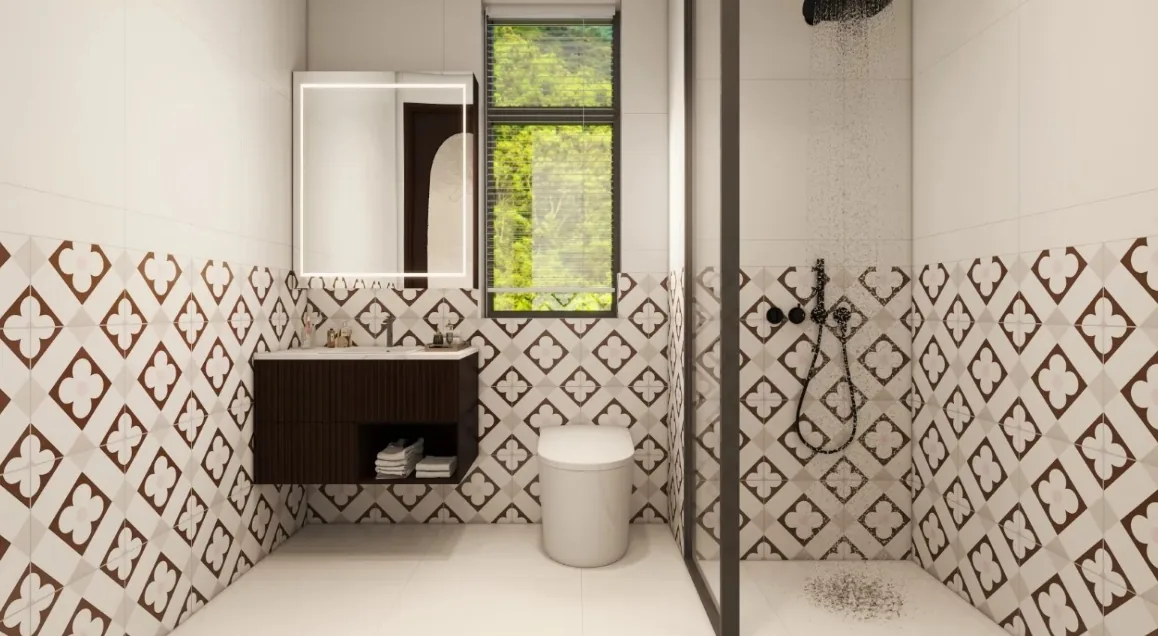
The dining area exemplifies understated sophistication: minimal yet intentional décor balances practicality with refined aesthetics.
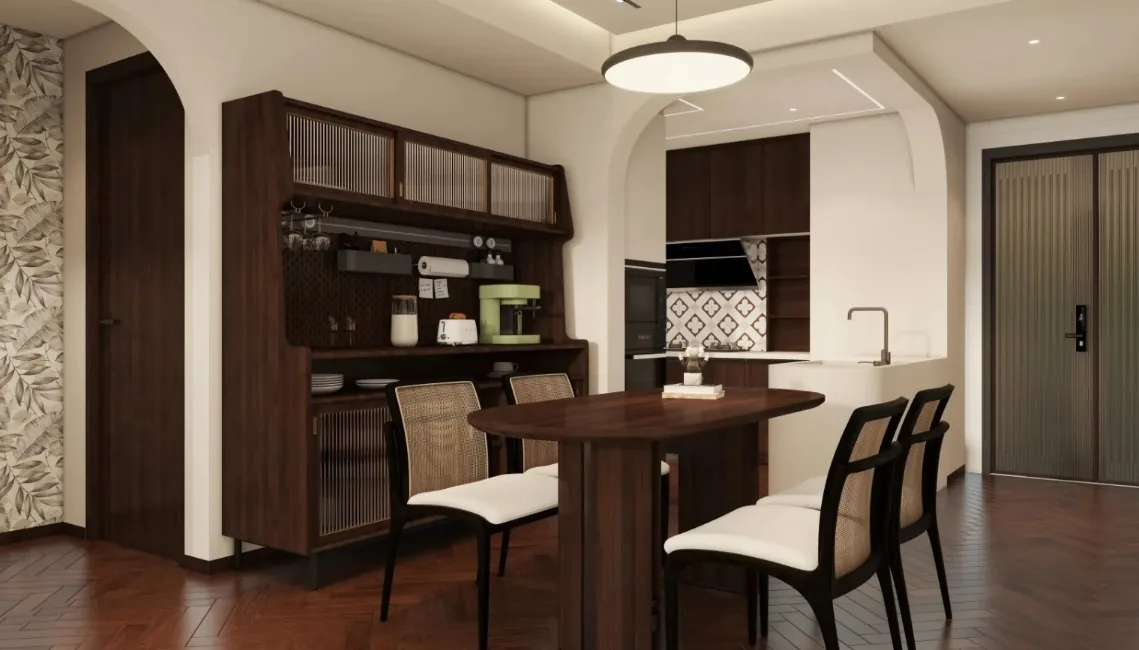
In the bedroom, simplicity is the soul of wabi-sabi. Every element conveys a sense of incompleteness—the forms, textures, colors, and finishes are all intentionally imperfect, evoking the gentle erosion of time and offering a profoundly authentic experience.
That concludes our presentation of this wabi-sabi–inspired whole-house customization case. If you enjoyed it, feel free to leave a comment for BOSNIE’s editorial team!