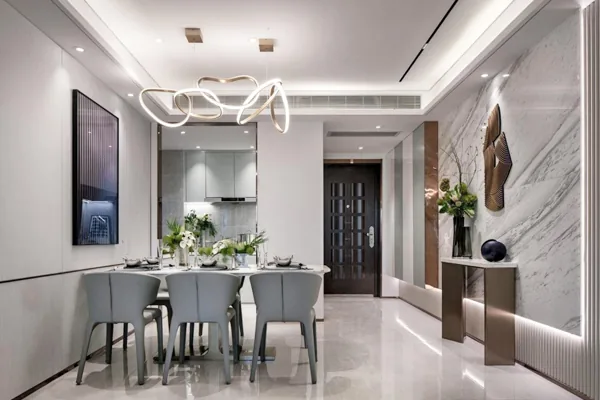
This case presents a minimalist, whole‑house design. Let’s take a look at it together!
Living room decoration is not only where homeowners receive guests, but also a reflection of their taste. If key considerations are overlooked during the renovation, the final result may fall short of expectations, causing considerable frustration for the homeowner. When it comes to color coordination in the living room, be sure to exercise restraint—avoid overloading the space with too many colors, as excessive elements can diminish the overall aesthetic appeal.
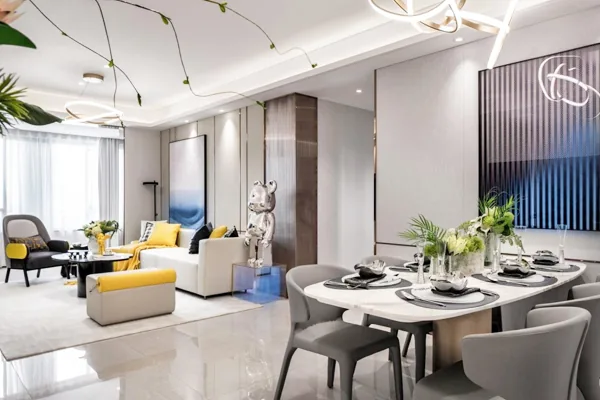
Let everything follow your heart; immerse yourself in the space and truly feel it. Life inspires creativity, and creativity stems from culture—and from within ourselves.
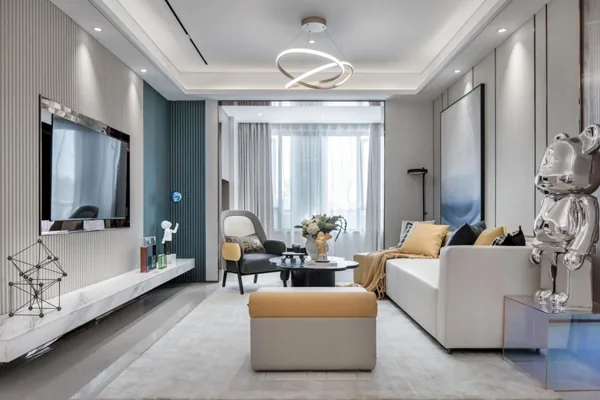
A designer embodies a pursuit of perfection in life, while design represents a lifestyle that cherishes taste and refinement.
The bedroom is our sanctuary, where restful, undisturbed sleep is essential. Therefore, its decoration requires careful planning: ensure good air circulation and maintain a quiet atmosphere. As for lighting, avoid harsh glare; soft, diffused light is ideal.
Design lies in the flexible interplay of points, lines, and surfaces, creating a warm, home-like ambiance. Every design decision begins with a concept and focuses on functional details.
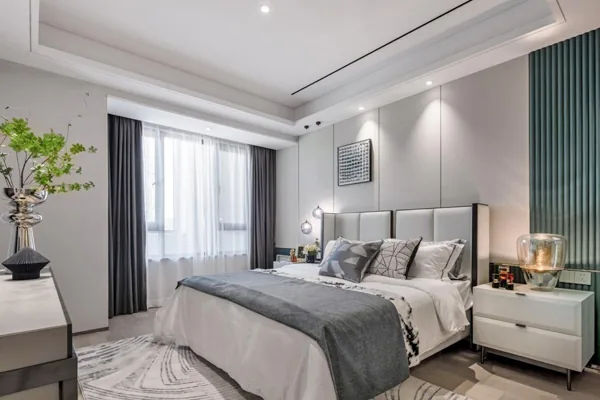
Design returns to its essence—space, color, and form—rooted in everyday life, where meticulous attention to detail elevates quality.
A dining room typically consists of just a table, a few chairs, and perhaps a sideboard or wine cabinet. Yet, by introducing different color tones, the space instantly comes alive with vibrancy and charm. A well-designed dining area brings greater joy to daily life, and enjoying a romantic setting during meals is truly delightful.
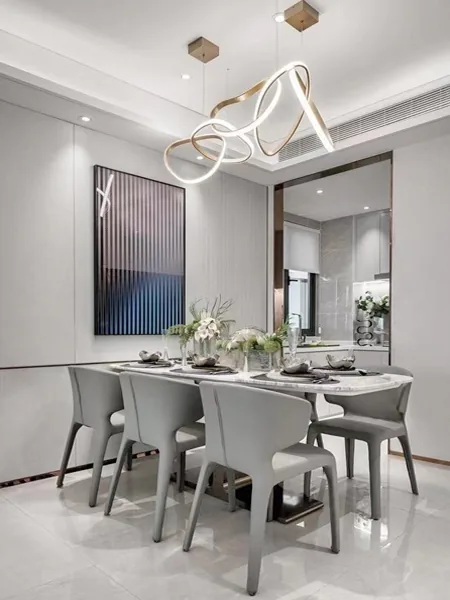
The dining area features an open, unobstructed flow, seamlessly connecting to the living room. Combined with the north-facing balcony, it offers a comforting retreat after a busy day: a steaming meal awaits, instantly soothing both body and mind. Each dish, each drink, captures the simple yet beautiful moments shared by the family.
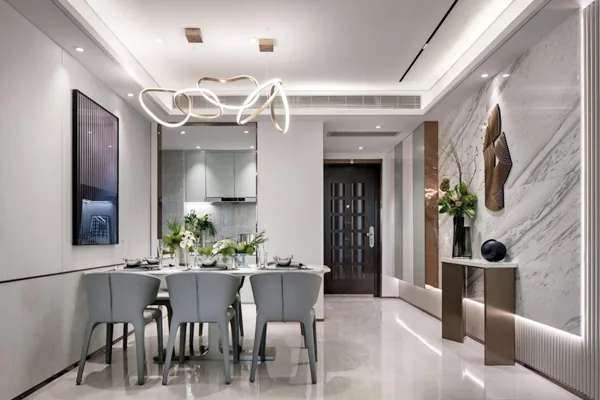
Design is an experience, a mindset—a comfortable, joyful way of living.
The kitchen presents unique challenges during renovation. If not planned properly, it can become cumbersome to use later. Moreover, kitchens are often compact spaces, leaving little room for modifications afterward. Thus, it’s best to get the kitchen right from the start.
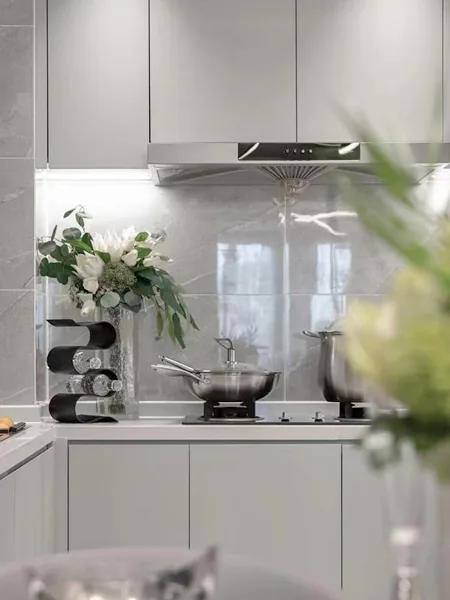
Human-centered design aims to cultivate a better quality of life through thoughtful living.
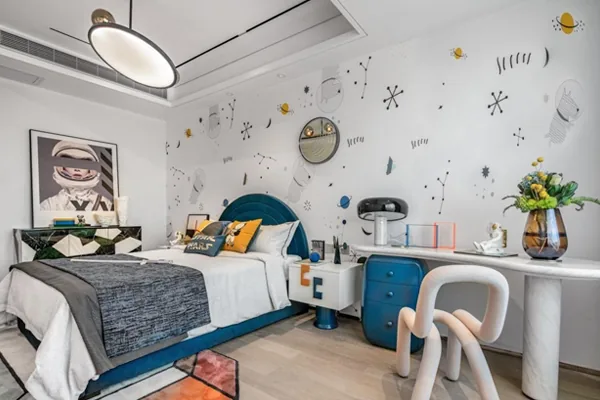
Decorating a child’s room is relatively straightforward once the color palette is chosen, and the wall art reflects a playful, youthful style. As children grow older, they will naturally want to personalize their space according to their own preferences, so there’s no need to overcomplicate things at this stage.
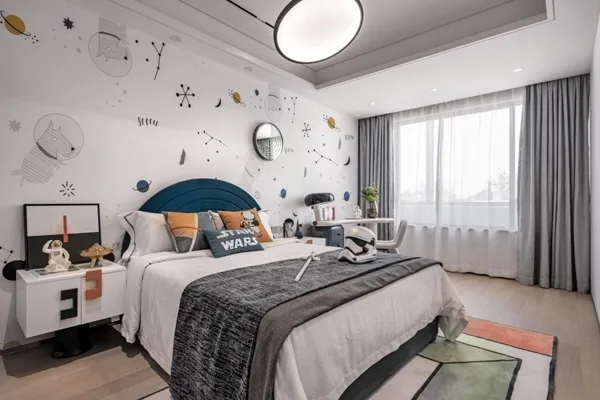
Thoughtfully delineate spaces, seamlessly integrate design into everyday life, and create an atmosphere of natural elegance and refined style.
That concludes our introduction to this minimalist-style home design case. If you enjoyed it, feel free to leave us a comment and join the conversation!