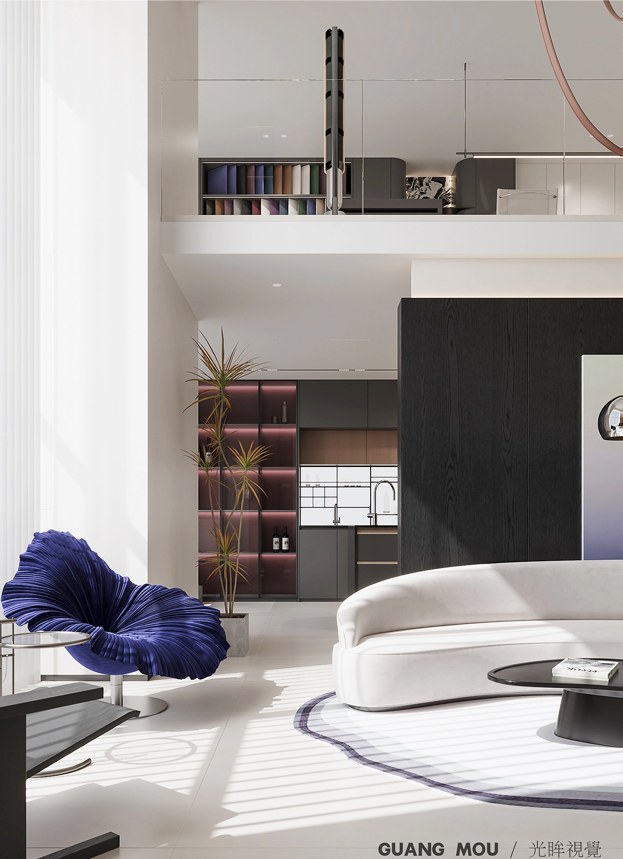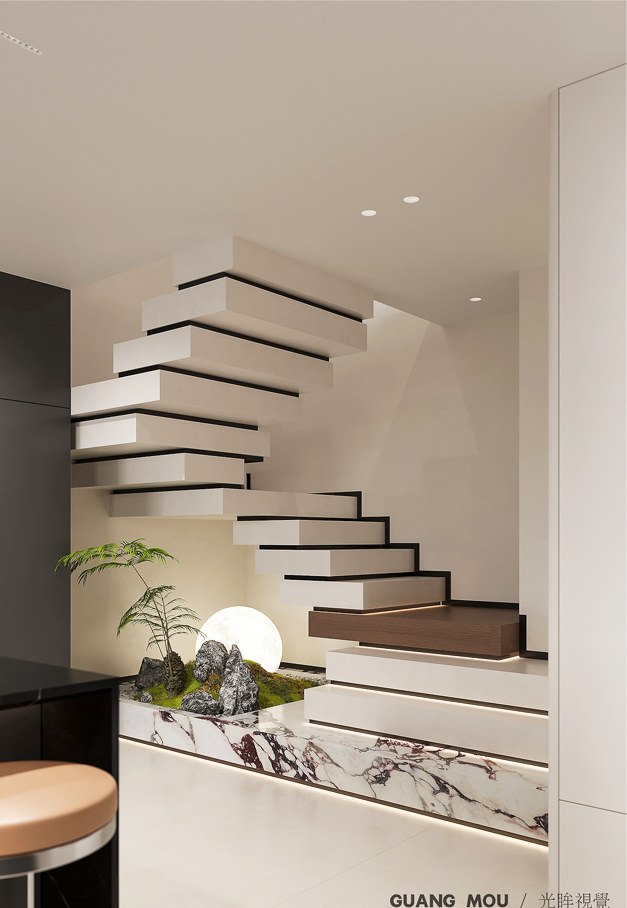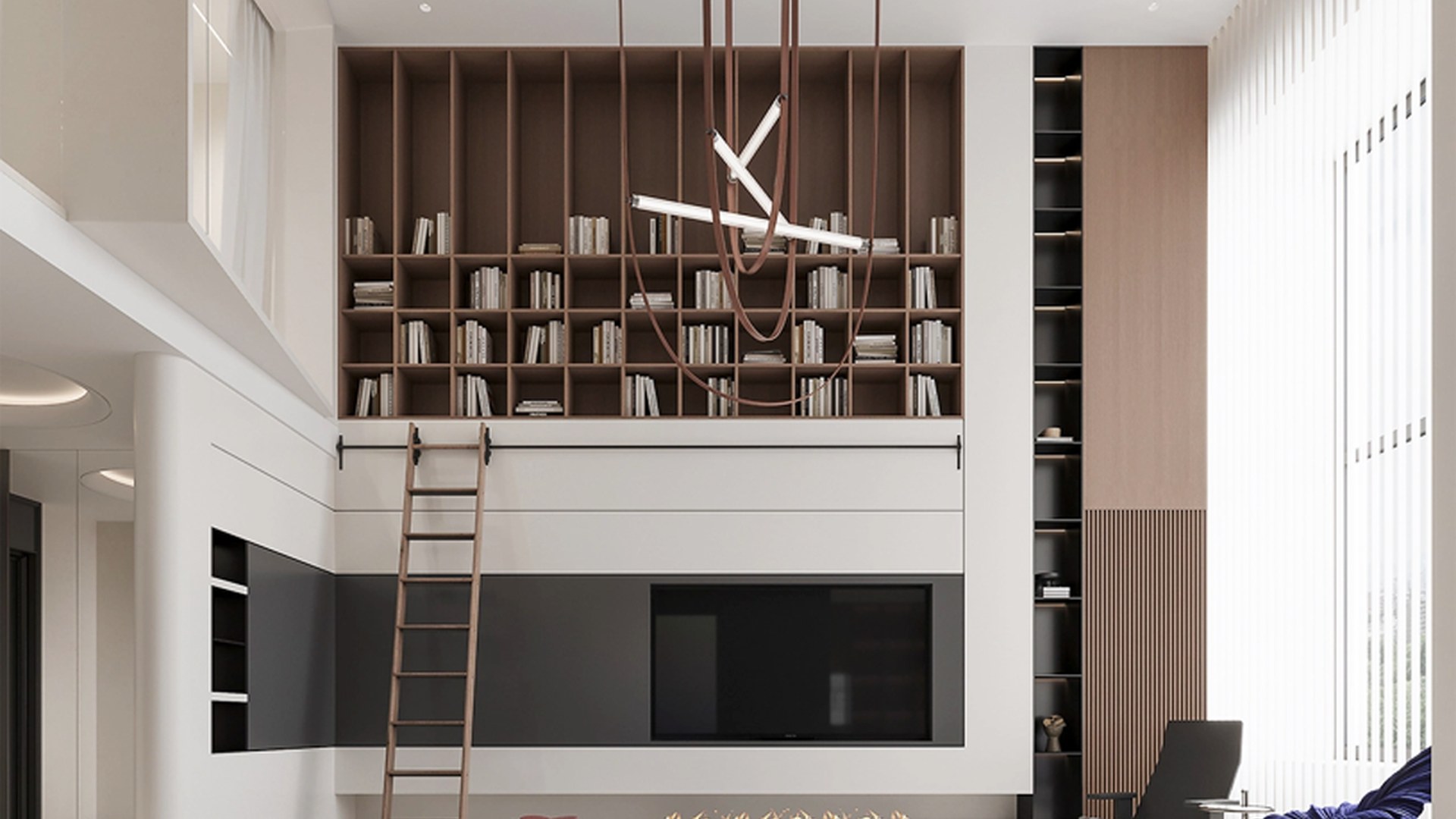
Immersive exhibition hall
Exhibition hall model / Exhibition hall experience

Immersive exhibition hall

Quickly understand materials, colors, cabinet systems and installation effects through exhibition hall samples to assist users in making efficient decisions.

Exhibition hall experienceStore/showroomMaterial areaModel roomreception areaPlan communication area

The exhibition hall does not simply display products, but helps users connect materials, colors, cabinet structures and life scenes. A good showroom should allow users to quickly understand the possibilities of their own home.

The BOSNIE showroom helps customers move from style preferences to actual program decisions through model rooms, material areas, solution communication areas and service process displays.

For partners, the immersive exhibition hall can also undertake training, investment promotion, transaction and customer experience functions, and is an important node of the regional service network.
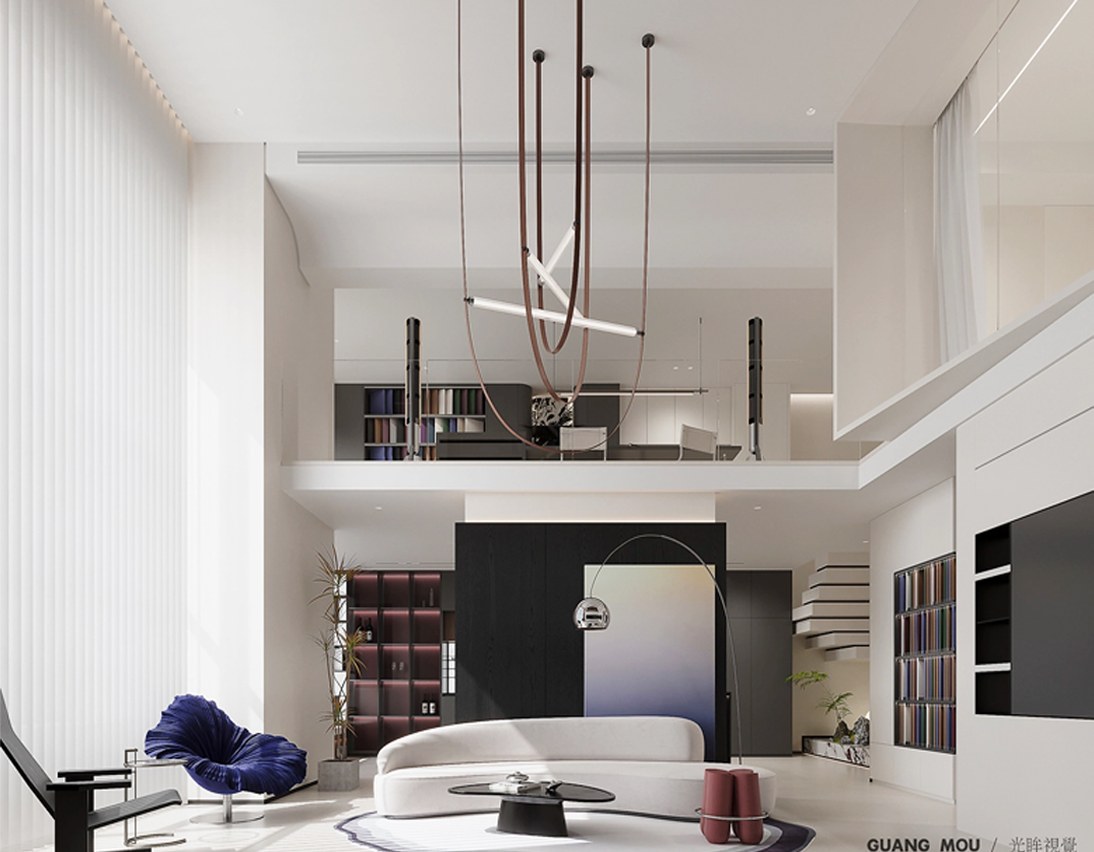
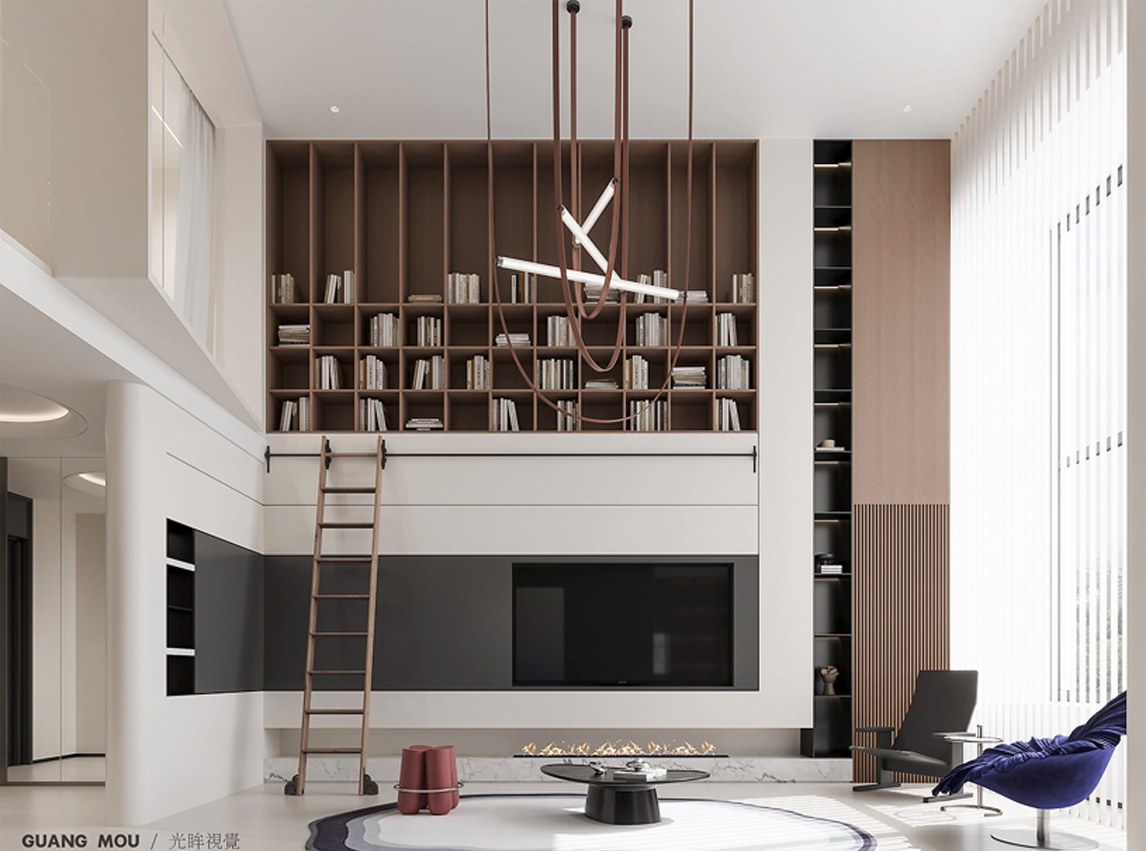
Immersive exhibition hall gallery

Showroom Experience

Design Translation Suggestions

Design Translation
01

Extract Style Keywords

This case style is Exhibition hall experience. First extract the preferred colors, wood grain, lines, and lighting relationships, then judge whether they fit your natural light and floor plan.

02

Focus on Key Spaces

Focus first on Material area, Model room, reception area and other high-use areas before extending the design to the whole home.

03

Turn Ideas into an Action List

Turn Materials are touchable, Colors can be compared into measurement, material, hardware, detailing, and installation checkpoints instead of stopping at visuals.

Consultation Preparation Checklist

Consultation Checklist
Floor plans, site photos or measuring sketchesCase links or screenshots for key referenceLike and dislike style keywordsFamily members, storage habits, and commonly used itemsDecoration stage, water and electricity progress and expected move-in timeSpace pain points that need to be addressedBudget range, material preferences and environmental concerns

Case Q&A

Case FAQ
01

After seeing a BOSNIE case you like, how do you decide whether it can be your home?

It is recommended to first confirm the size of the apartment, beams, doors and windows, the location of electrical appliances, decoration stage and budget range, and then send your favorite case drawings, key spaces and style preferences to the store or service staff, and the design communication will determine the parts that can be implemented.

02

Can the styles in the case be mixed and matched?

Yes, but you need to first determine the main color, main material, cabinet proportions and door-wall cabinet closing logic. It is recommended that a suite retain one main style and then make changes through local materials, lighting and soft furnishings.

03

What is the difference between real-life cases and renderings?

Real cases can better show the relationship between storage scale, cabinet door opening and closing, lighting levels and soft decoration; renderings are more suitable for early expression of the plan. The actual customization should be confirmed based on site conditions, material samples and measuring tape data.

04

What information do I need to prepare before consulting on the case plan?

You can prepare floor plans, on-site photos, decoration stages, favorite cases, family members and storage needs. You can also describe key spaces, such as entrances, sideboards, TV cabinets, cloakrooms or study rooms.

CASE CONSULTATION

Want to Make Plans Based on This Case?

You can explain the apartment area, decoration stage and preferred space style. The BOSNIE team will provide communication suggestions based on cases, product sets and materials and techniques.

Call 400-0123-686